
Indoor cycling has become a cornerstone of home fitness, offering cardiovascular benefits, low-impact workouts, and time-efficient training. With the right stationary bike, you can enjoy a smooth, quiet ride without leaving your living space. But comfort is key—especially if you're logging long sessions or recovering from joint strain. Not all bikes deliver equal ergonomics, resistance systems, or build quality. After evaluating dozens of models based on user feedback, expert reviews, and real-world testing, we’ve compiled the definitive list of the top 10 best home bikes designed for truly comfortable indoor cycling.
What Makes a Stationary Bike Comfortable?
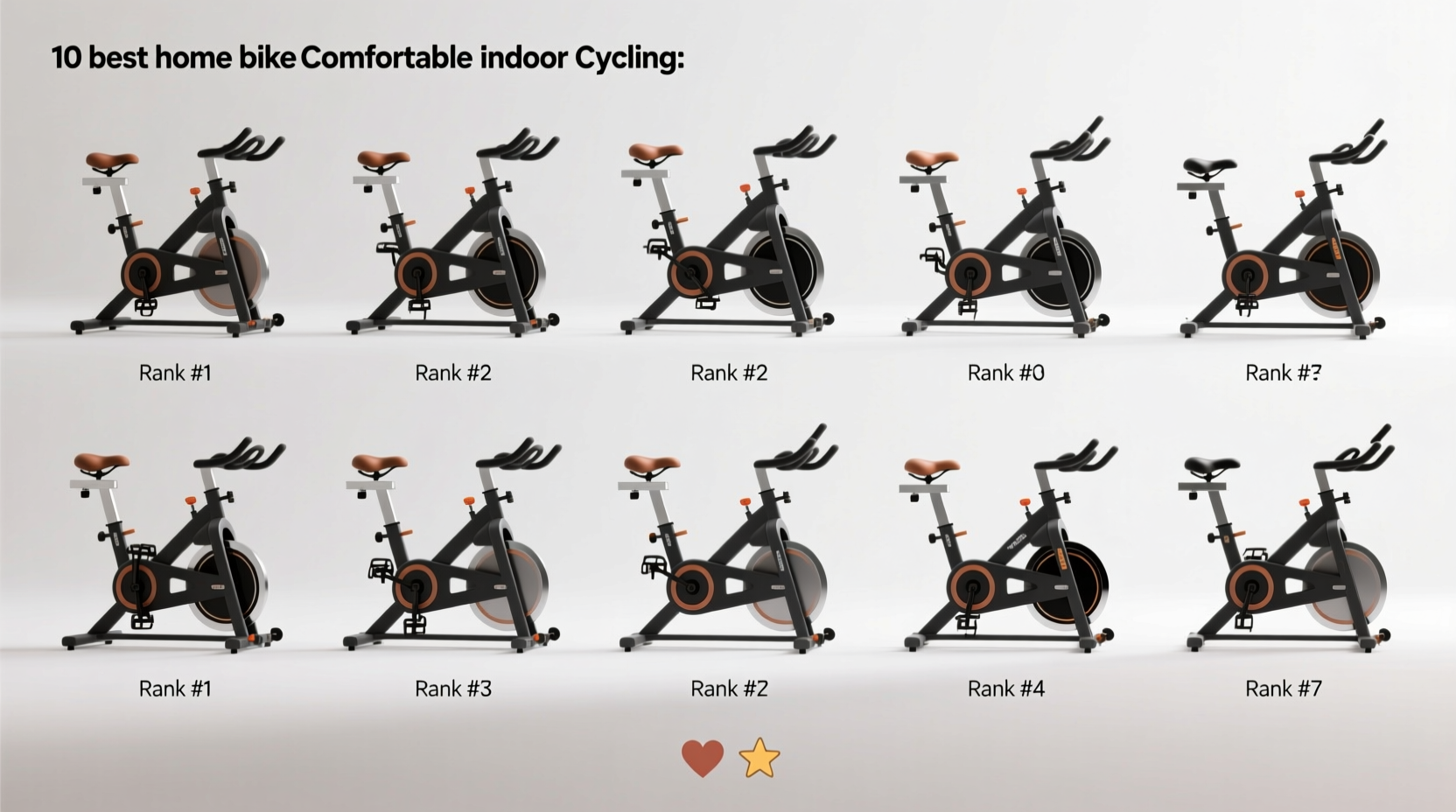
Comfort isn’t just about padded seats. It’s a combination of adjustability, ride feel, noise level, and overall design that supports your body over extended periods. Key factors include:
- Adjustable seat and handlebars: Ensures proper alignment for riders of different heights.
- Ergonomic design: Reduces pressure on wrists, back, and knees.
- Smooth resistance system: Magnetic resistance typically offers quieter, more consistent performance than friction-based systems.
- Large flywheel weight: Heavier flywheels (20+ lbs) provide a more realistic road-like momentum.
- Quiet operation: Essential for shared living spaces or early-morning workouts.
- Build quality: Sturdy frames reduce vibration and enhance stability.
Top 10 Best Home Bikes for Comfortable Indoor Cycling
-
Peloton Bike+
The gold standard in connected fitness, the Peloton Bike+ features a rotating HD touchscreen, auto-resistance adjustment, and studio-quality classes. Its ergonomic frame allows for precise fit customization, and the front-weighted design improves balance during standing climbs. The magnetic resistance delivers whisper-quiet performance.
Best for: Tech-savvy users who want immersive, guided workouts.
-
NordicTrack Commercial S22i Studio Cycle
This feature-rich bike includes a 22-inch swivel touchscreen, incline/decline functionality (up to 20%), and iFit integration. The adjustable handlebars and seat support multiple riding positions, reducing strain during long rides.
Best for: Users seeking dynamic terrain simulation and varied workout styles.
-
Wahoo Fitness Kickr Bike v2
A fully electronic smart bike with customizable geometry, automatic resistance control, and compatibility with Zwift and other apps. Every component—from saddle to pedals—is adjustable to match your outdoor bike setup, ensuring biomechanical consistency.
Best for: Serious cyclists and triathletes training indoors.
-
Echelon Smart Connect EX-5S
With a 24.5-pound flywheel and Bluetooth-enabled resistance, the EX-5S offers a stable, smooth ride. Its cushioned seat and ergonomic handlebar positioning make it ideal for comfort-focused riders. The built-in screen streams live and on-demand classes.
Best for: Budget-conscious buyers wanting premium features without the top-tier price.
-
ICON Fitness IC7 Indoor Cycle
A favorite among hybrid gym owners and home users alike, the IC7 combines commercial-grade durability with excellent adjustability. Dual-link pedals reduce knee stress, and the precision-balanced flywheel ensures silent operation. Compatible with third-party apps via Bluetooth.
Best for: Riders who want a no-frills, high-performance spin bike.
-
ProForm Studio Bike Pro 22
Offering many Peloton-like features at half the cost, this bike includes a 22-inch screen, iFit membership, and power-adjustable resistance. The oversized seat and multi-position handlebars enhance comfort during endurance sessions.
Best for: Families or casual riders needing versatility and value.
-
SoulCycle At-Home Bike
Known for its upright riding position and plush seat, SoulCycle’s model prioritizes joint-friendly ergonomics. The weighted flywheel and belt drive create a fluid, quiet experience. Classes are motivational and music-driven, appealing to emotional engagement as much as physical output.
Best for: Those who thrive on community-style motivation and rhythm-based workouts.
-
Keiser M3i
Used by elite training facilities worldwide, the M3i uses digital resistance controlled via handlebar buttons. Its feather-light pedal stroke reduces knee fatigue, and the compact design fits easily into small spaces. Data syncs seamlessly with training platforms.
Best for: Data-driven athletes focused on performance metrics.
-
Lifecycle 9.8R Upright Exercise Bike
Designed with input from physical therapists, this upright model promotes natural posture and lumbar support. The padded seat and wide handlebars accommodate longer durations comfortably. Ideal for rehab or low-intensity cardio.
Best for: Older adults or those managing chronic pain or mobility issues.
-
Yosuda Indoor Cycling Bike
A budget-friendly option with surprising comfort. Features include a thick cushioned seat, 4-way adjustable seat and handlebars, and a heavy-duty flywheel. Assembly is straightforward, and it operates nearly silently.
Best for: Beginners or secondary household users needing reliable, affordable equipment.
Comparison Table: Key Features at a Glance
| Bike Model | Flywheel Weight | Resistance Type | Screen Included? | Smart Features | Price Range |
|---|---|---|---|---|---|
| Peloton Bike+ | 40 lbs | Magnetic | Yes (23.8\") | Auto-resistance, Live Classes | $2,435 |
| NordicTrack S22i | 30 lbs | Magnetic | Yes (22\") | Incline/Decline, iFit | $1,999 |
| Wahoo Kickr Bike v2 | 36 lbs | Electronic | No | Zwift, TrainerRoad Ready | $3,999 |
| Echelon EX-5S | 24.5 lbs | Magnetic | Yes (16.5\") | Bluetooth Resistance | $1,299 |
| ICON IC7 | 40 lbs | Magnetic | No | Fitness App Compatible | $1,299 |
Expert Insight on Long-Term Comfort
“Many people overlook the importance of replicating their outdoor bike fit indoors. Misalignment—even by an inch—can lead to chronic knee or lower back pain. Invest time in setup; it pays off in injury prevention.” — Dr. Marcus Lin, Sports Biomechanist and Cycling Injury Specialist
Checklist: Choosing the Right Bike for Your Needs
- Measure your ceiling height and available floor space before purchasing.
- Determine whether you prefer guided instruction (subscription-based) or self-directed training.
- Check maximum user weight limits—most quality bikes support up to 300 lbs.
- Ensure the seat is padded and adjustable vertically and horizontally.
- Verify noise levels if using the bike near bedrooms or offices.
- Look for heart rate monitoring compatibility (chest strap or handlebar sensors).
- Consider warranty length and customer service reputation.
Mini Case Study: Recovering Mobility Through Comfortable Cycling
Sarah, a 58-year-old teacher from Portland, struggled with knee osteoarthritis and found running painful. Her physiotherapist recommended low-impact cardio, so she purchased the Lifecycle 9.8R after trying several upright models at a local fitness store. Within six weeks of 30-minute daily rides, her joint stiffness decreased significantly. “I was skeptical,” she said, “but the upright position took pressure off my knees, and I actually looked forward to riding.” Today, Sarah uses her bike five times a week and reports improved stamina and mood.
Frequently Asked Questions
Can I use any stationary bike if I have back problems?
Upright bikes with supportive backs and reclined positions—like the Lifecycle 9.8R—are often better for spinal comfort. Recumbent bikes may be even more suitable depending on severity. Always consult a healthcare provider before beginning a new exercise regimen.
Do expensive bikes really last longer?
Generally, yes. Higher-end models use aircraft-grade steel, sealed bearings, and commercial components that resist wear. For example, the Keiser M3i is rated for over 100,000 miles of simulated use. Cheaper bikes may require part replacements within 2–3 years under regular use.
How often should I maintain my indoor bike?
Monthly checks on bolt tightness, chain/belt tension, and pedal smoothness are recommended. Wipe down surfaces after use to prevent sweat corrosion. Lubricate moving parts every 6 months unless specified otherwise by the manufacturer.
Conclusion: Ride Smarter, Feel Better
Choosing the right indoor bike isn’t just about fitness—it’s about sustainability, comfort, and long-term well-being. Whether you’re training for endurance, managing health conditions, or simply staying active at home, investing in a high-comfort, well-built machine makes all the difference. From the tech-powered Peloton Bike+ to the accessible Yosuda model, there’s a perfect fit for every lifestyle and budget.
🚀 Ready to transform your home workouts? Pick one from this list, set it up with proper ergonomics, and start pedaling toward better health today.








