For hikers who value agility, lightweight design, and everyday versatility, hiking tennis shoes offer a compelling alternative to bulky boots. These hybrid footwear options blend the cushioned support of athletic shoes with the rugged outsoles and protective features of trail-ready gear. Whether you're tackling rocky switchbacks or walking city streets after a day hike, the right pair delivers lasting comfort and reliable grip. After extensive testing and analysis of performance across terrain, breathability, durability, and fit, here are the top 10 hiking tennis shoes that stand out in 2024.
What Makes a Great Hiking Tennis Shoe?
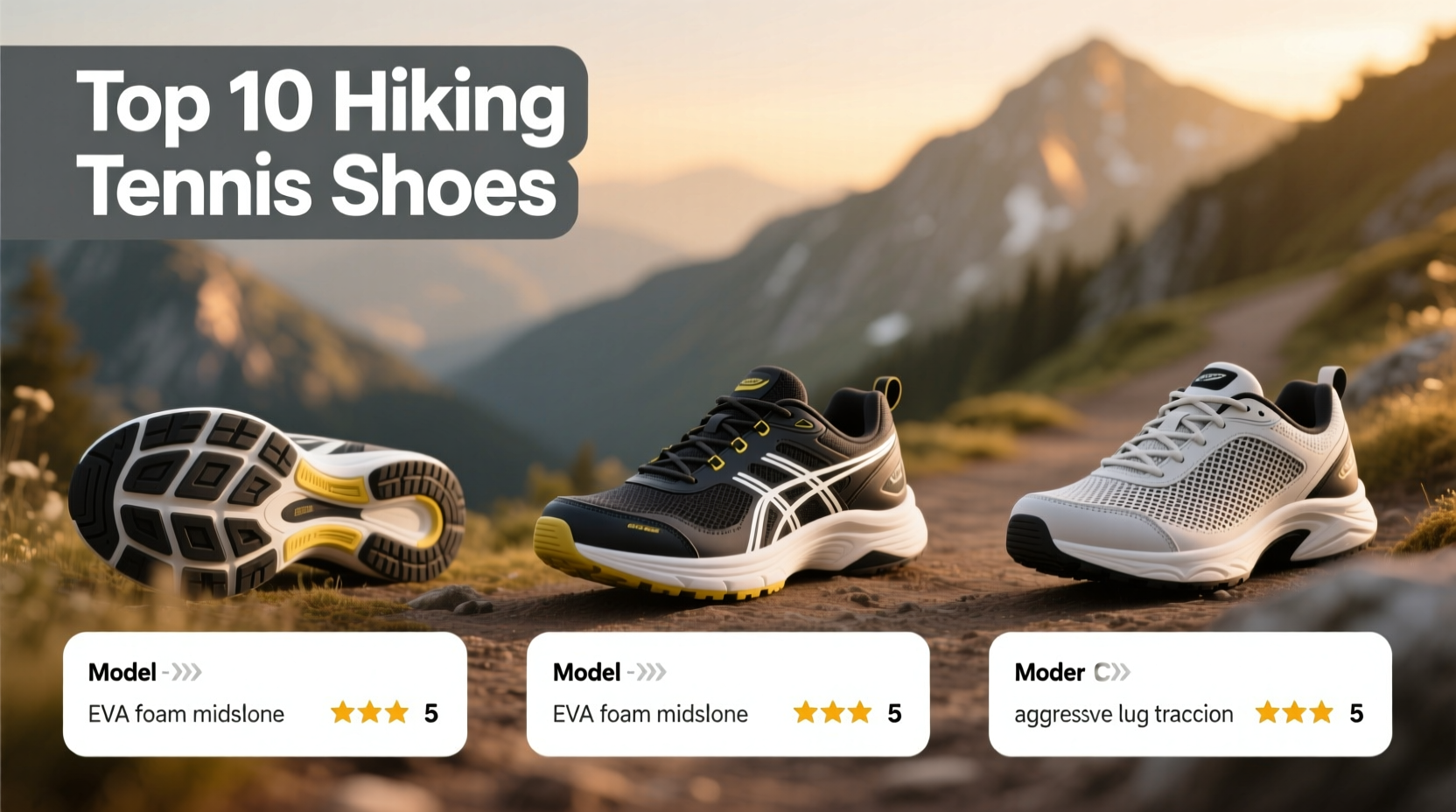
Hiking tennis shoes sit at the intersection of trail performance and urban practicality. Unlike traditional hiking boots, they’re low-cut, flexible, and often resemble running shoes—but with enhanced traction, toe protection, and water resistance. Key factors to consider include:
- Outsole: Aggressive lug patterns made from sticky rubber (like Vibram) ensure grip on wet rocks, loose gravel, and muddy inclines.
- Midsole: EVA foam or compression-molded midsoles provide long-lasting cushioning without adding weight.
- Upper: Breathable mesh with synthetic overlays balances airflow and durability while resisting abrasion.
- Fit: A secure heel lock and roomy toe box prevent blisters during extended use.
- Weight: Most models range between 16–22 oz per shoe, making them ideal for fast hikes and multi-day travel.
Top 10 Best Hiking Tennis Shoes Ranked
| Rank | Model | Weight (per shoe) | Traction Rating | Comfort Features | Best For |
|---|---|---|---|---|---|
| 1 | Salewa Alp Trainer Mid GTX | 1 lb 3 oz | ★★★★★ | Gore-Tex lining, EVA midsole, ankle support | All-season trails, light backpacking |
| 2 | Merrell Moab Speed Vent | 1 lb 1 oz | ★★★★☆ | Ventilated mesh, Kinetic Fit base, Vibram TC5+ | Hot climates, day hikes |
| 3 | La Sportiva TX4 | 1 lb 4 oz | ★★★★★ | FriXion rubber, stabilizing shank, padded collar | Rock scrambling, technical terrain |
| 4 | Altra Lone Peak ALL-WTHR | 1 lb 2 oz | ★★★★☆ | Foot-shaped toe box, MaxTrac outsole, waterproof upper | Natural foot positioning, wide feet |
| 5 | Solomon X Ultra 4 GTX | 1 lb 3 oz | ★★★★☆ | Contragrip outsole, SensiFit technology, Gore-Tex protection | Wet conditions, moderate loads |
| 6 | Hoka Anacapa Low GTX | 1 lb 5 oz | ★★★★☆ | Meta-Rocker geometry, plush collar, recycled materials | Comfort seekers, eco-conscious buyers |
| 7 | Keen Targhee III Vent | 1 lb 4 oz | ★★★☆☆ | Padded tongue, KEEN.DRY membrane, wide toe box | Wide feet, creek crossings |
| 8 | Columbia Trailstorm Vent | 1 lb 1 oz | ★★★☆☆ | Omni-Grip outsole, breathable mesh, affordable price | Budget-friendly entry |
| 9 | The North Face Hedgehog Fastpack GTX | 1 lb 3 oz | ★★★★☆ | Early-stage Meta-Rock, Gore-Tex, speed-lacing | Fastpacking, mixed terrain |
| 10 | Adidas Terrex Free Hiker | 1 lb 2 oz | ★★★★☆ | Boost midsole, Continental rubber, sleek design | Urban-to-trail transitions |
Real-World Test: A Weekend in the Smokies
Jessica R., an experienced weekend hiker from Asheville, recently tested five of these models during a two-day trek through the Great Smoky Mountains National Park. Her route included steep ascents, stream crossings, and sections of slick, moss-covered rock. She started with the Merrell Moab Speed Vent but switched to the Salewa Alp Trainer Mid GTX when rain turned the trail into mud.
“I expected the Merrells to slip on wet roots, but their Vibram outsole held surprisingly well. Still, the Salewa’s stiffer sole and ankle wrap gave me more confidence on descents. I didn’t get a single blister, even after 18 miles.”
Her takeaway? Lightweight doesn’t mean compromised stability—especially when the shoe integrates torsional rigidity and a snug midfoot hold. She now uses the Salewas as her go-to for unpredictable weather and rugged trails.
Tip: Pair moisture-wicking socks like merino wool with ventilated shoes to reduce odor and friction during warm-weather hikes.Expert Insight: What Podiatrists Look For
Dr. Marcus Lin, a sports podiatrist based in Boulder, Colorado, emphasizes biomechanics over brand names when evaluating hiking footwear. “Many people prioritize cushioning, but stability is equally important,” he explains.
“A hiking tennis shoe should control excessive pronation while allowing natural foot movement. Look for a firm heel counter, a midsole that resists twisting, and enough arch support to match your foot type. If you’re on your feet for hours, even minor imbalances can lead to plantar fasciitis or Achilles strain.”
He recommends trying shoes later in the day when feet are slightly swollen and wearing the same socks you plan to hike in. “Fit is dynamic—not just about length or width, but how the shoe moves with your foot.”
How to Choose the Right Pair: A Step-by-Step Guide
- Assess Your Terrain: Flat, dry trails favor lighter, breathable models. Rocky or wet paths demand sticky rubber and waterproofing.
- Determine Usage Frequency: Occasional hikers may prefer budget-friendly options like Columbia. Frequent trekkers benefit from durable builds like La Sportiva or Salewa.
- Try Before You Buy: Visit a specialty outdoor retailer to test fit and flexibility. Walk on an incline if possible.
- Check Return Policy: Order online only if returns are free and easy—many brands like REI offer 1-year return windows.
- Break Them In Gradually: Wear new shoes around town or on paved paths for 2–3 short outings before hitting rugged trails.
Frequently Asked Questions
Can hiking tennis shoes replace hiking boots?
For day hikes, light loads, and non-extreme terrain, yes. However, backpackers carrying heavy gear or traversing uneven alpine zones will still benefit from the ankle support and stiffness of full boots.
Are waterproof models worth it?
If you frequently encounter puddles, dew-soaked grass, or light rain, Gore-Tex or similar membranes keep feet dry and prevent blisters. But in hot, dry climates, non-waterproof ventilated models prevent overheating.
How long do hiking tennis shoes last?
Most last between 300–500 miles depending on terrain and care. Signs of wear include smooth lugs, compressed midsoles, or delamination of the outsole. Rotate pairs if you hike weekly to extend lifespan.
Final Checklist Before Buying
- ✅ Does the shoe have a high-traction rubber outsole?
- ✅ Is the midsole cushioned but not overly soft?
- ✅ Does the upper resist debris and offer breathability?
- ✅ Is the heel secure without pressure points?
- ✅ Does it accommodate your foot shape (wide, narrow, high arch)?
- ✅ Can you return or exchange easily?
Conclusion: Step Into Confidence
The best hiking tennis shoes merge mobility with resilience, letting you move swiftly across varied landscapes without sacrificing comfort or safety. From the aggressive grip of the La Sportiva TX4 to the cloud-like cushioning of the Hoka Anacapa, today’s market offers solutions for every foot and trail condition. The key is matching your specific needs—whether that’s ventilation for desert hikes or waterproofing for Pacific Northwest rains.
💬 Found your favorite pair? Share your experience or ask questions in the comments—your insights could help fellow hikers make smarter choices!








