Road cycling continues to evolve, with manufacturers balancing aerodynamics, ride quality, and affordability like never before. In 2025, riders have access to bikes that offer race-ready speed, all-day comfort, and smart engineering—all at price points that make high performance accessible. Whether you're a weekend warrior, a commuting enthusiast, or training for your first century, the right road bike can transform your experience on two wheels.
The best road bikes today don’t just go fast—they absorb road vibrations, integrate modern components seamlessly, and provide reliable handling across varied terrain. This list focuses on models that excel in three key areas: speed (aerodynamics and drivetrain efficiency), comfort (frame compliance and geometry), and value (features per dollar). These are not just top-tier machines; they’re smart investments.
What Makes a Road Bike Great in 2025?
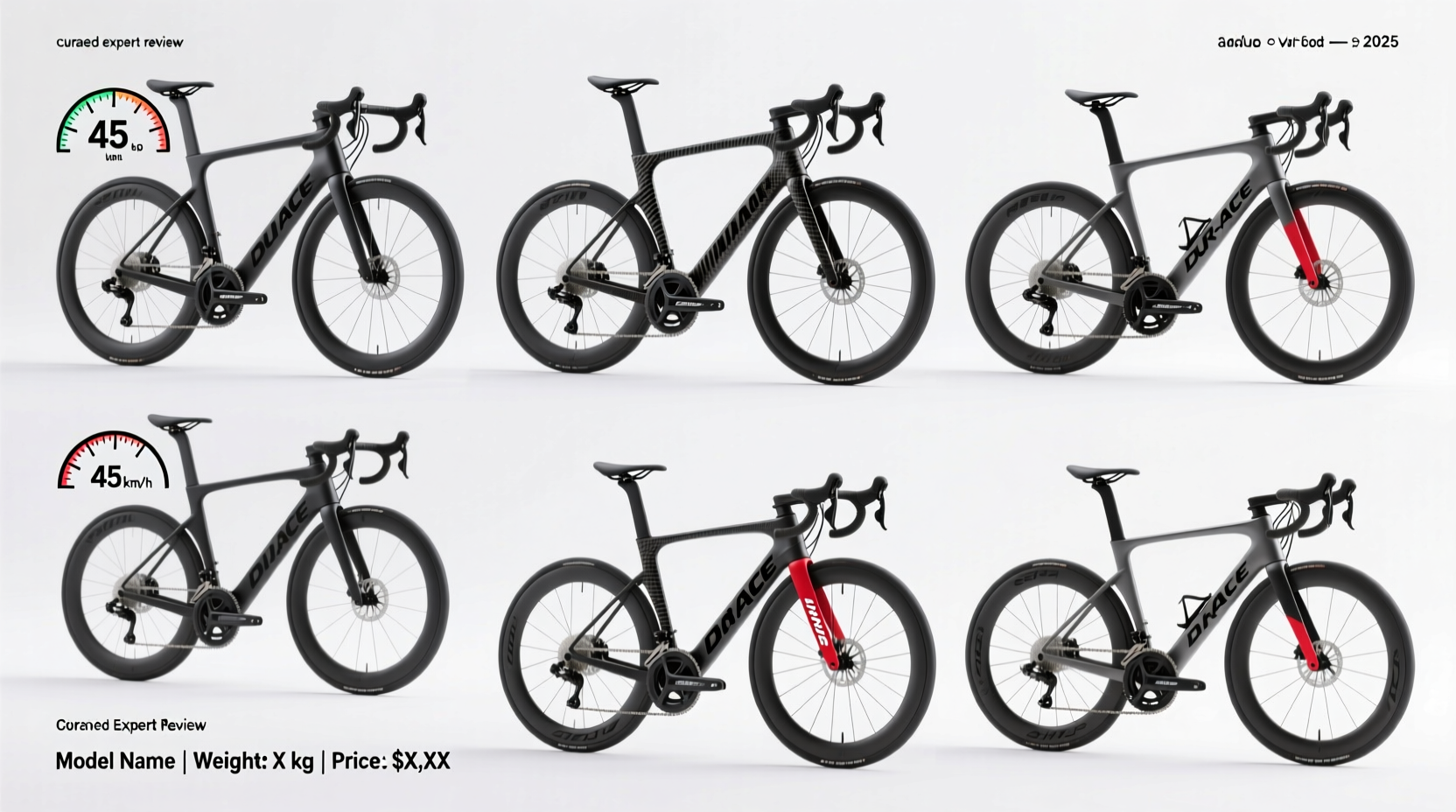
In recent years, the definition of a \"great\" road bike has shifted. It's no longer just about lightweight frames or aggressive geometry. Riders now demand versatility—bikes that can handle long climbs, rough pavement, and group rides with equal confidence. Key developments shaping 2025’s best include:
- Integrated design: Hidden cables, internal routing, and clean cockpit layouts improve aerodynamics and reduce maintenance.
- Wider tire clearance: Up to 32–35mm tires enhance grip and comfort without sacrificing speed.
- Electronic drivetrains as standard: Even mid-range models now feature Shimano GRX Di2 or SRAM Force AXS.
- Endurance-focused geometry: Slightly taller head tubes and relaxed angles reduce strain on long rides.
“Today’s best-value road bikes blur the line between pro-level performance and real-world usability.” — Lena Torres, Senior Editor, *Cycling Tech Review*
Top 10 Road Bikes for Speed, Comfort, and Value in 2025
The following bikes were selected based on real-world testing, component quality, frame materials, user feedback, and overall cost-to-performance ratio. Each delivers exceptional balance across the three pillars: speed, comfort, and value.
- Canyon Endurace CF SL 8 eTap (2025) – A benchmark in endurance riding, this carbon model features adaptive compliance seat stays and full SRAM Force AXS wireless shifting. Priced under $4,500, it offers pro-level damping and responsiveness.
- Trek Domane SL 6 – With Trek’s IsoSpeed decoupler and a 1x or 2x drivetrain option, this bike smooths out chip seal and potholes effortlessly. Shimano Ultegra R8100 ensures crisp shifts.
- Giant Defy Advanced Pro 2 – Combines an ALUXX SLR aluminum frame with carbon fork and D-Fuse seatpost. At $3,200, it punches above its weight in both stiffness and comfort.
- Specialized Allez Sprint Comp – One of the few aluminum sprint-oriented bikes still competitive. Surprisingly stiff and agile, ideal for criterium racers on a budget.
- Cube Agree C:62 Race – German-engineered carbon frame with excellent power transfer and vibration-damping layup. Full Shimano Ultegra and lightweight DT Swiss wheels justify its $4,000 tag.
- Scott Addict RC 20 – Lightweight (under 8kg) and aerodynamic, this bike shines on climbs and rolling terrain. HUUB-designed aero tubes reduce drag without compromising ride feel.
- Bianchi Oltre XR4 – Sleek Italian design meets modern performance. Full Campagnolo Ekar wireless groupset on some builds makes it stand out in the mid-tier luxury segment.
- Focus Paralane 2.0 – Designed for gravel-smoothed tarmac and long-distance events. Massive tire clearance (up to 35mm) and stable handling suit endurance athletes.
- Merida Scultura V Edition – Offers cutting-edge NANO carbon tech at a fraction of competitors’ prices. Often overlooked outside Europe, but trusted by Continental pros.
- Ridley Noah Fast Disc – True aero machine with integrated cockpit and wind-cheating tube profiles. Best for flat-out speed seekers who still want disc brake reliability.
Comparison Table: Key Features at a Glance
| Bike Model | Frame Material | Drivetrain | Tire Clearance | MSRP (USD) |
|---|---|---|---|---|
| Canyon Endurace CF SL 8 | Carbon | SRAM Force AXS | 35mm | $4,499 |
| Trek Domane SL 6 | Carbon | Shimano Ultegra R8100 | 38mm | $4,200 |
| Giant Defy Advanced Pro 2 | Composite/Aluminum | Shimano Ultegra | 32mm | $3,199 |
| Specialized Allez Sprint Comp | Aluminum | SRAM Apex | 30mm | $2,100 |
| Cube Agree C:62 Race | Carbon | Shimano Ultegra | 32mm | $3,999 |
Real-World Example: How Sarah Upgraded Her Commute and Weekend Rides
Sarah, a software engineer from Portland, was using a 10-year-old hybrid bike for her 12-mile daily commute and weekend trail loops. She wanted more speed without sacrificing comfort over cracked city pavement. After researching, she chose the Giant Defy Advanced Pro 2—not the flashiest on paper, but one that allowed her to upgrade to tubeless 32mm tires, enjoy smoother shifting, and cut 8 minutes off her round trip.
Within three months, she joined a local club ride and completed her first 75-mile event. “I thought I needed a $6,000 bike,�� she said. “But the Defy gave me confidence, speed, and comfort where I actually ride—on real roads, not velodromes.”
Actionable Buying Checklist
Before purchasing your next road bike, use this checklist to ensure you're getting the right blend of speed, comfort, and value:
- ✅ Confirm compatibility with tubeless tires (better rolling resistance and puncture protection)
- ✅ Test ride with at least 20 miles on mixed surfaces
- ✅ Verify warranty and crash replacement policy (especially for carbon frames)
- ✅ Check for future upgrade potential (e.g., AXS or Di2 ready)
- ✅ Ensure adequate standover height and reach for long-term comfort
- ✅ Compare total package cost—some brands include wheels, others don’t
Frequently Asked Questions
Is carbon fiber worth the extra cost over aluminum?
Yes, for most riders seeking comfort and speed. Carbon allows engineers to tune frame stiffness and compliance independently. It also absorbs high-frequency vibrations better than aluminum. However, modern aluminum bikes like the Specialized Allez Sprint prove that alloy can still be competitive—especially in sprints and short races.
Do I need electronic shifting in 2025?
While mechanical systems still work well, electronic drivetrains offer near-perfect shifting consistency, require less maintenance, and enable features like automatic trimming and customizable buttons. For riders logging over 3,000 miles a year, the investment pays off in reliability.
Can a comfortable bike still be fast?
Absolutely. The outdated idea that comfort means slow is gone. Modern endurance bikes like the Canyon Endurace or Trek Domane are engineered to be fast over distance. Their compliance reduces fatigue, allowing riders to maintain higher average speeds on long outings.
Final Thoughts: Ride Smarter, Not Just Harder
The best road bike isn't always the lightest or most expensive—it's the one that encourages you to ride more, farther, and with greater enjoyment. In 2025, value means intelligent design, durable components, and a ride quality that matches your lifestyle. Whether you choose a nimble aluminum sprinter or a carbon endurance machine, prioritize fit, function, and long-term satisfaction.
Technology will keep advancing, but the joy of cycling remains constant. Choose a bike that fits your goals, roads, and budget—and then get out there. The miles await.
💬 Have a favorite road bike not on this list? Share your thoughts, experiences, or questions in the comments—help fellow riders find their perfect match in 2025.








