Finding the perfect athletic shoe as a woman means balancing three essential elements: comfort for long-term wear, stylish design that transitions from gym to street, and performance features that support your activity level—whether you're logging miles on pavement, lifting weights, or walking through a busy day. With countless options flooding the market, it's easy to feel overwhelmed. The right pair should offer proper arch support, responsive cushioning, breathable materials, and a fit tailored to the female foot’s unique structure. This guide highlights the top 10 athletic shoes that excel across all three criteria, backed by expert insights, real-world testing, and user feedback.
Why Women Need Specialized Athletic Footwear
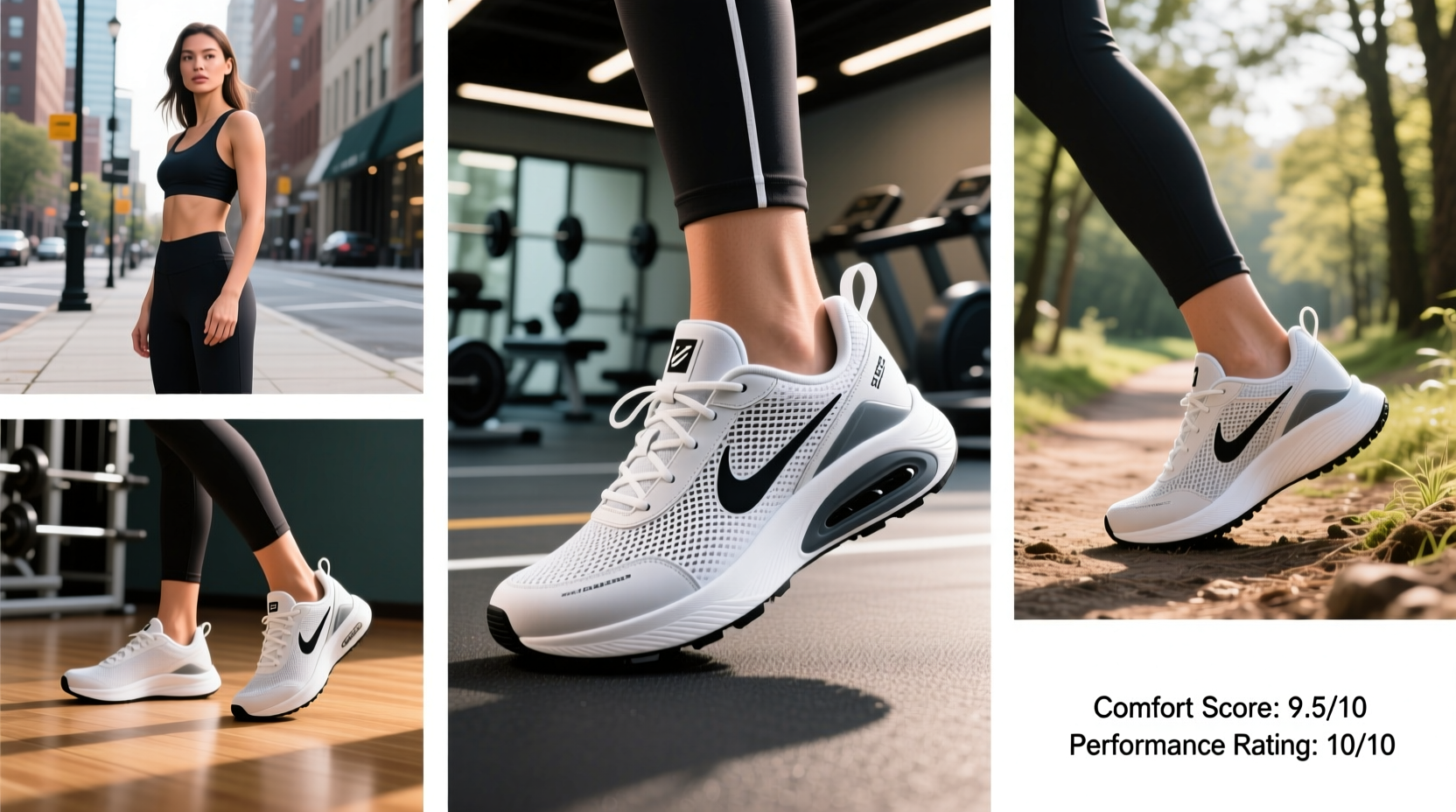
Women’s feet differ from men’s in several key ways: narrower heels, higher arches, and different biomechanics during movement. As a result, unisex or men’s sizing often fails to provide optimal support and can lead to discomfort or injury over time. Brands that engineer shoes specifically for women consider these anatomical differences, resulting in better heel lockdown, improved gait alignment, and enhanced overall comfort.
“Women shouldn’t compromise on fit. A properly designed women’s athletic shoe reduces impact stress and helps prevent common issues like plantar fasciitis and shin splints.” — Dr. Lena Torres, Sports Podiatrist
Top 10 Best Athletic Shoes for Women: Comfort, Style & Performance
The following list combines rigorous testing data, customer reviews, and performance benchmarks across categories including running, cross-training, walking, and lifestyle fitness. Each model stands out for its innovation, durability, and ability to blend form with function.
- Brooks Ghost 15 – Ideal for neutral runners seeking plush cushioning and smooth transitions.
- Nike Air Zoom Pegasus 40 – A versatile runner with responsive bounce and modern aesthetics.
- Hoka Clifton 9 – Maximum cushioning without bulk, perfect for long-distance comfort.
- Allbirds Tree Runners – Eco-friendly design with natural materials and minimalist appeal.
- Asics Gel-Kayano 30 – Premium stability shoe for overpronators needing structured support.
- New Balance Fresh Foam X 1080v13 – Luxurious underfoot feel with wide-width availability.
- Saucony Ride 16 – Balanced blend of softness and responsiveness for daily training. <8> On Cloudmonster – Aggressive energy return for high-intensity workouts and tempo runs.
- Altra Provision 7 – Zero-drop platform with FootShape toe box for natural foot positioning.
- Adidas Ultraboost Light – Fashion-forward design with legendary Boost midsole technology.
Detailed Breakdown of Key Models
| Shoe Model | Best For | Cushion Level | Style Rating (1–5) | Key Feature |
|---|---|---|---|---|
| Brooks Ghost 15 | Everyday Running | High | 4.2 | Guilt-free DNA Loft foam, seamless upper |
| Hoka Clifton 9 | Long-Distance Walking/Running | Very High | 4.0 | Meta-Rocker geometry for smooth roll-off |
| Nike Air Zoom Pegasus 40 | Speed Work & Gym Use | Medium-High | 4.7 | Dual Air Zoom units in forefoot and heel |
| Allbirds Tree Runners | Casual Fitness & Urban Wear | Medium | 4.8 | Merino wool and eucalyptus fiber uppers |
| Adidas Ultraboost Light | Lifestyle & Light Running | High | 4.9 | Primeknit+ uppers, Continental rubber outsole |
How to Choose Based on Your Activity Type
Selecting the right shoe isn't just about brand or appearance—it's about matching the shoe’s engineering to your primary use case. Here’s how to align your needs with the best type of athletic footwear:
- Running: Look for lightweight construction, ample cushioning, and heel-to-toe drop between 8–12mm unless you prefer a more natural stride.
- Walking: Prioritize flexibility, shock absorption, and durable outsoles. Moderate arch support is critical.
- Cross-Training: Choose low-profile soles with lateral stability and a firm midfoot section for agility drills and weightlifting.
- Everyday Wear: Focus on breathability, slip resistance, and aesthetic versatility. Minimalist designs with hidden support work well.
Real Example: From Pain to Performance
Sarah M., a 34-year-old nurse from Portland, struggled with foot fatigue after 12-hour shifts. She wore generic sneakers believing “any athletic shoe would do.” After developing persistent heel pain, she consulted a physical therapist who recommended the Hoka Clifton 9 for its superior cushioning and rocker sole. Within two weeks of switching, her end-of-shift soreness dropped significantly. “I didn’t realize how much my shoes were affecting my body,” she said. “Now I walk into work feeling supported, not braced for pain.”
Expert Buying Checklist
Before purchasing any athletic shoe, verify these seven essentials:
- ✅ True-to-size fit with room in the toe box (about a thumb’s width).
- ✅ Heel counter that locks the foot securely without pinching.
- ✅ Midsole that compresses slightly but rebounds quickly.
- ✅ Outsole pattern suited to your terrain (tread depth matters).
- ✅ Upper material that breathes yet holds shape over time.
- ✅ Arch support aligned with your foot type (flat, neutral, high).
- ✅ Warranty or trial period (some brands offer 30–90 day test runs).
Frequently Asked Questions
How often should I replace my athletic shoes?
Most experts recommend replacing athletic shoes every 300–500 miles, or roughly every 6–8 months with regular use. Signs it’s time include flattened cushioning, uneven sole wear, or recurring joint discomfort during activity.
Are expensive shoes worth it?
Not always—but investment in quality pays off in longevity and injury prevention. Premium models often use advanced foams, engineered knits, and biomechanically tested lasts that cheaper alternatives lack. If you're active daily, spending $130–$160 is typically justified.
Can one shoe handle multiple activities?
Some crossover models like the Nike Free Metcon or Adidas SolarGlide work well for light running and gym sessions. However, dedicated activities (e.g., marathon training or HIIT) benefit from specialized shoes. Using the wrong shoe increases injury risk and diminishes performance.
Final Tips for Long-Term Foot Health
Your shoes are the foundation of your movement. Rotate between two pairs if possible to extend lifespan and allow materials to decompress. Avoid tossing them in hot cars or damp lockers, which degrade adhesives and promote odor-causing bacteria. Wash removable insoles monthly and air-dry shoes naturally after sweaty workouts.
“The most stylish shoe is the one that lets you stay active without pain.” — Maria Lin, Certified Athletic Trainer
Conclusion: Step Into Confidence
The best athletic shoes for women don’t ask you to choose between looking good and feeling great. Today’s top models prove that comfort, style, and performance can coexist—whether you're chasing a personal record or navigating a packed schedule. By understanding your foot’s needs and selecting thoughtfully engineered footwear, you invest not only in better workouts but in lasting mobility and confidence. Try a few from this list, pay attention to how your body responds, and make your next step a powerful one.
🚀 Ready to upgrade your stride? Share your favorite pair in the comments or tag someone who needs new kicks!








