Many people experience tight calves at some point—whether after a long run, a day on their feet, or simply upon waking. While occasional tightness is normal, persistent discomfort can interfere with mobility, sleep, and overall quality of life. Understanding the underlying causes and applying targeted relief strategies makes a significant difference. This guide explores why calf muscles tighten, how to find immediate and long-term relief, and which stretches deliver real results.
Why Do Calves Become Tight?
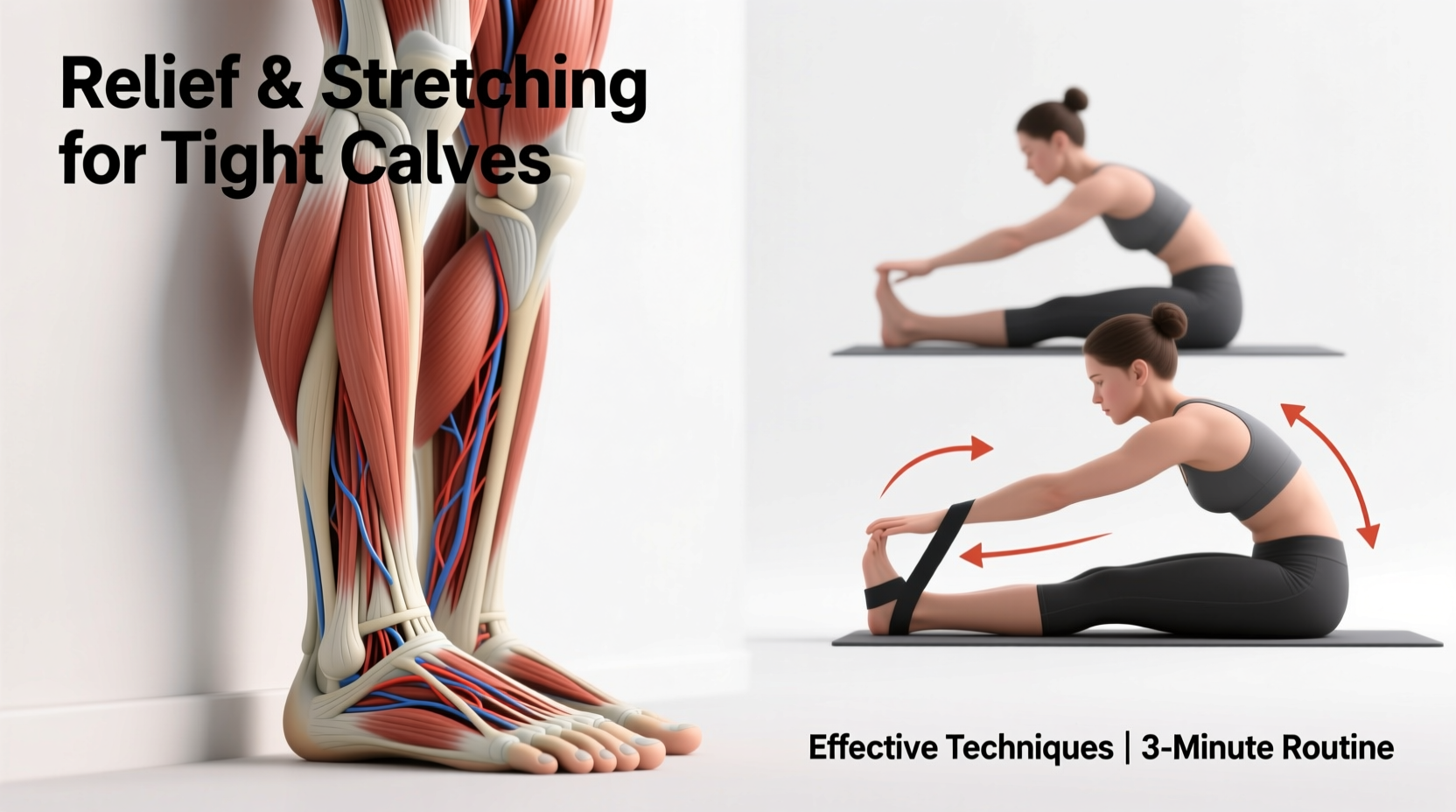
Calf tightness isn’t always due to overuse. It can stem from a variety of biomechanical, lifestyle, and physiological factors. The calf consists primarily of two muscles: the gastrocnemius (the larger, more superficial muscle) and the soleus (deeper and involved in endurance activities). When either becomes overworked, imbalanced, or improperly recovered, tension builds.
Common causes include:
- Overuse during exercise: Running, jumping, or cycling without adequate warm-up or recovery can strain calf muscles.
- Prolonged sitting or standing: Sitting with legs bent for hours shortens the calf complex, while standing all day increases load and fatigue.
- Dehydration and electrolyte imbalance: Low levels of potassium, magnesium, or calcium may trigger muscle cramps and stiffness.
- Inadequate footwear: Shoes lacking arch support or proper heel cushioning alter gait mechanics, increasing calf strain.
- Muscle imbalances: Weak glutes or tight hip flexors shift workload to the calves during movement.
- Nerve irritation: Sciatica or lumbar spine issues can refer tension into the lower leg.
- Age-related changes: As we age, muscle elasticity decreases, making tightness more likely.
Immediate Relief Strategies for Tight Calves
When tightness strikes, quick intervention can reduce discomfort and prevent further strain. These techniques are practical and can be done at home or work.
- Hydrate: Drink water with a pinch of salt and lemon to restore electrolytes, especially after sweating.
- Apply heat or ice: Use a heating pad for chronic tightness to increase blood flow; use ice for acute soreness or inflammation (15 minutes on, 15 off).
- Self-massage: Roll the calf over a foam roller or tennis ball. Focus on tender spots for 30–60 seconds each.
- Elevate the legs: Lie down and prop your legs above heart level for 10–15 minutes to reduce swelling and improve circulation.
- Gentle movement: Walk slowly or perform ankle circles to encourage muscle relaxation.
“Muscle tightness is often the body’s signal of imbalance—not just in the muscle itself, but in posture, movement patterns, and even hydration.” — Dr. Lena Torres, Physical Therapist
Stretches That Actually Work
Not all calf stretches are created equal. Some target the gastrocnemius, others the soleus. For full benefit, both must be addressed. Perform these stretches daily, especially after activity or prolonged immobility.
1. Standing Gastrocnemius Stretch
Targets the upper calf.
- Stand facing a wall, hands on the surface at shoulder height.
- Step one foot back, keeping the heel flat and leg straight.
- Lean forward until you feel a stretch in the back calf.
- Hold for 30 seconds, then switch sides. Repeat 2–3 times per leg.
2. Bent-Knee Calf (Soleus) Stretch
Focuses on the deeper soleus muscle.
- Repeat the standing position, but bend the back knee slightly while keeping the heel grounded.
- Shift weight forward gently.
- Hold for 30 seconds. You should feel the stretch lower in the calf, near the Achilles.
3. Downward Dog (Yoga Pose)
A dynamic stretch that elongates the entire posterior chain.
- Start on hands and knees.
- Lift hips up and back, forming an inverted V-shape.
- Press heels toward the floor (they don’t need to touch).
- Breathe deeply and hold for 30–60 seconds.
4. Stair Step Stretch
Provides a deep, gravity-assisted stretch.
- Stand on a step with heels hanging off the edge.
- Raise up onto toes, then slowly lower heels below step level.
- Hold the lowered position for 30 seconds.
- For added focus, do this with one leg at a time.
Do’s and Don’ts of Calf Care
| Do’s | Don’ts |
|---|---|
| Wear supportive shoes with good heel cushioning | Walk barefoot on hard surfaces regularly |
| Stretch daily, especially after activity | Stretch aggressively when muscles are cold |
| Stay hydrated and maintain electrolyte balance | Ignore recurring tightness or pain |
| Use a foam roller or massage ball regularly | Skip rest days after intense leg workouts |
| Gradually increase exercise intensity | Continue running through sharp calf pain |
Real Example: How Sarah Resolved Chronic Calf Tightness
Sarah, a 38-year-old nurse, experienced daily calf tightness after 12-hour shifts on her feet. She initially dismissed it as normal fatigue. Over months, the discomfort worsened, sometimes leading to night cramps. She began incorporating two key changes: wearing compression socks during shifts and performing the bent-knee soleus stretch before bed. Within three weeks, her morning stiffness decreased significantly. After six weeks, she no longer experienced nighttime cramps. Her physical therapist also identified weak glutes contributing to calf overload—adding glute bridges to her routine further improved her symptoms.
Sarah’s case illustrates that consistent, targeted care—even with simple tools—can produce meaningful results.
Prevention Checklist
To keep calves flexible and resilient, follow this actionable checklist:
- ✅ Hydrate consistently throughout the day (aim for half your body weight in ounces).
- ✅ Wear supportive footwear, especially during long periods of standing.
- ✅ Perform calf stretches at least once daily, preferably twice.
- ✅ Incorporate foam rolling 3–4 times per week.
- ✅ Strengthen supporting muscles: ankles, glutes, and core.
- ✅ Warm up before exercise and cool down afterward.
- ✅ Replace worn-out athletic shoes every 300–500 miles.
Frequently Asked Questions
Why do my calves feel tight even when I haven’t exercised?
Tightness without exercise can result from prolonged sitting (especially with feet pointed down), dehydration, poor circulation, or nerve compression in the lower back. It may also be linked to inactivity—muscles stiffen when not used regularly.
Can tight calves cause foot or knee pain?
Yes. Tight calves pull on the Achilles tendon, which connects to the heel. This can contribute to plantar fasciitis. Additionally, restricted ankle motion from tight calves alters knee alignment during walking or running, potentially leading to patellar tendonitis or joint strain.
How long does it take to loosen chronically tight calves?
With consistent stretching, hydration, and self-care, most people notice improvement within 2–4 weeks. Full restoration of flexibility may take 6–8 weeks. Chronic cases may require professional evaluation for gait analysis or soft tissue therapy.
Conclusion: Take Action for Lasting Comfort
Tight calves are more than a minor annoyance—they can affect your posture, gait, and physical confidence. By understanding the root causes and applying proven stretches and lifestyle adjustments, you regain control over your lower leg health. Relief doesn’t have to come from passive treatments alone; daily habits make the biggest impact. Start today with one stretch, one glass of water, or one minute of foam rolling. Small actions compound into lasting change.
💬 Have a favorite calf stretch or tip that works for you? Share your experience in the comments and help others move with greater ease.








