Skiing demands more than just skill—it requires intelligent preparation, especially when it comes to staying warm. Cold temperatures, wind chill, and physical exertion create a complex environment where body heat management is critical. Many skiers face a fundamental question: should they rely on high-tech thermal clothing or adopt a traditional layering system? The answer isn’t as simple as choosing one over the other. Understanding how each approach works—and how they can complement each other—is key to maximizing comfort, safety, and performance on the mountain.
The Science of Heat Retention in Cold Environments
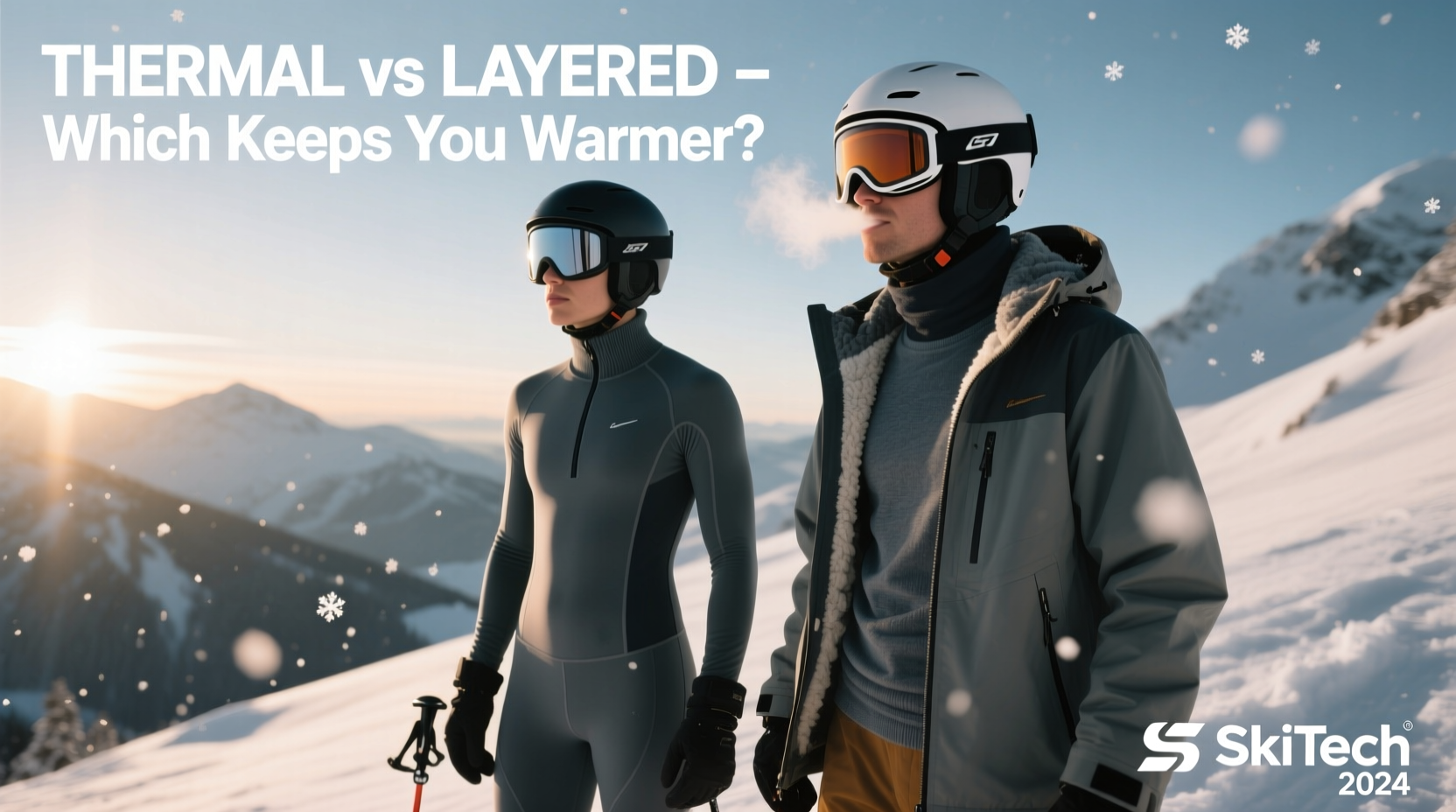
The human body generates heat through metabolic activity, but in cold climates, this heat escapes rapidly through conduction, convection, radiation, and evaporation. Effective insulation slows this loss by trapping air close to the skin—a principle that underpins both thermal wear and layering systems.
Thermal clothing typically refers to single garments engineered with advanced synthetic or merino wool fabrics designed to retain heat while wicking moisture. These pieces often feature tight weaves, brushed linings, or integrated insulating fibers like PrimaLoft or Thinsulate. While convenient, their effectiveness depends heavily on fit, material quality, and environmental conditions.
In contrast, layered outfits follow a systematic approach using three distinct zones: base, mid, and outer layers. Each serves a specific function:
- Base Layer: Manages moisture by pulling sweat away from the skin.
- Mid Layer: Provides insulation through trapped air in fleece, down, or synthetic fills.
- Outer Layer: Shields against wind, snow, and rain while allowing vapor to escape.
This modular structure allows dynamic adaptation—adding or removing layers based on activity level and weather fluctuations. Unlike fixed thermal garments, layering offers flexibility, making it particularly effective during variable ski days.
“Layering isn't just about warmth—it's about microclimate control. The ability to regulate temperature prevents overheating and chilling, which are both dangerous on the slopes.” — Dr. Lena Torres, Outdoor Physiology Researcher, University of Colorado
Comparative Performance: Thermal Wear vs. Layered Systems
To evaluate which method keeps you warmer, consider real-world scenarios beyond static lab tests. Thermal clothing may perform well in controlled settings, but skiing involves constant shifts in movement intensity, altitude, and exposure.
| Factor | Thermal Clothing | Layered Outfits |
|---|---|---|
| Warmth Consistency | Moderate – depends on garment thickness and fit | High – adjustable insulation maintains stable core temp |
| Motion Flexibility | Limited – bulkier designs restrict movement | Excellent – lightweight, articulated layers enhance mobility |
| Mositure Management | Variable – some trap sweat if not breathable | Superior – base layers actively wick, outer vents |
| Wind Resistance | Fair – unless coated or laminated | Strong – outer shell blocks wind effectively |
| Adaptability | Poor – cannot adjust once dressed | Excellent – add/remove mid-layers as needed |
| Durability | Good – but prone to pilling or compression | Better – individual components last longer with care |
The data shows that while thermal clothing offers simplicity, layered systems outperform across nearly every metric relevant to skiing. One major advantage lies in moisture control. During intense descents, even in sub-zero temperatures, skiers can generate significant perspiration. If trapped against the skin, this moisture cools rapidly during rest periods, increasing the risk of hypothermia. Layered systems mitigate this by combining moisture-wicking base layers with breathable shells, whereas many all-in-one thermal suits struggle with ventilation.
Tip: Avoid cotton at all costs—whether in thermal wear or casual layers. It absorbs moisture and loses insulating properties when wet, creating a chilling effect.Real-World Example: A Day on the Rockies
Consider Sarah, an intermediate skier spending a full day at a Colorado resort. She starts early at 7 AM, when temperatures hover around -10°C (14°F) with light wind. For her first run, she wears a merino wool base layer, a lightweight down jacket, and a waterproof ski shell. By mid-morning, the sun emerges and temperatures rise to -2°C (28°F). After two runs, she feels overheated and removes her down jacket, continuing comfortably in just base and shell.
Her friend Mark opts for a full-body thermal suit made of polyester blend with built-in insulation. Initially, he feels warm, but after his second run, he’s sweating heavily under the arms and lower back. When he stops for lunch at 11:30 AM, the cooling effect is immediate. Despite the milder air, he shivers while eating—his suit has no way to release built-up moisture or adjust insulation.
By afternoon, clouds roll in and winds pick up. Sarah adds a softshell mid-layer and zips her collar higher. Mark, still in his one-piece suit, zips up fully but begins to feel damp and chilled. He cuts his day short, while Sarah enjoys fresh powder until closing.
This scenario illustrates a core truth: adaptability wins in alpine environments. Even the most advanced thermal garment cannot match the responsiveness of a well-chosen layering system.
Building the Ideal Ski Layering System: A Step-by-Step Guide
Creating an effective layered outfit isn’t about stacking clothes—it’s about strategic selection and sequencing. Follow these steps to optimize warmth and comfort:
- Choose a Performance Base Layer
Select materials like merino wool or synthetic blends (e.g., polyester or polypropylene). Merino excels in odor resistance and natural temperature regulation; synthetics dry faster. Fit should be snug but not restrictive. - Select an Insulating Mid Layer
Options include fleece jackets, down vests, or synthetic insulated pieces. Down offers superior warmth-to-weight ratio but loses efficacy when wet. Synthetics like PrimaLoft perform better in damp conditions. Carry removable options for easy adjustment. - Invest in a Quality Outer Shell
Your ski jacket and pants must be waterproof, windproof, and breathable. Look for Durable Water Repellent (DWR) finishes and pit zips for ventilation. Adjustable cuffs, hoods, and powder skirts enhance protection. - Don’t Neglect Extremities
Up to 30% of body heat can be lost through the head, hands, and feet. Wear a thin thermal beanie under your helmet, use liner gloves inside waterproof mittens, and choose ski socks made of wool—not cotton—with moderate thickness to avoid circulation issues. - Test Before You Go
Dress in your intended setup indoors or during a short outdoor trial. Move dynamically—jump, stretch, squat—to ensure freedom of motion and check for overheating. Adjust layer weights accordingly.
When Thermal Clothing Can Still Be Useful
While layered systems dominate in active skiing contexts, thermal clothing has niche applications. For example:
- Snow grooming crew or lift operators who remain stationary for long periods benefit from heavy-duty thermal overalls that provide consistent insulation.
- Après-ski wear such as thermal-lined jeans or sweaters offer warmth in social settings without requiring technical performance.
- Children’s ski wear often integrates thermal linings because kids struggle to manage multiple layers independently.
In these cases, the lack of adaptability is less of a drawback because activity levels are low or variable layering isn’t practical. However, for anyone engaging in sustained downhill skiing, relying solely on thermal clothing increases the risk of discomfort and cold-related stress.
Expert Checklist: What to Pack for Warmth on the Slopes
Before hitting the mountain, verify you have the following essentials:
- ✅ Moisture-wicking base layer (top and bottom)
- ✅ Lightweight insulating mid-layer (fleece or synthetic jacket)
- ✅ Waterproof, breathable ski jacket and pants
- ✅ Helmet-compatible beanie or balaclava
- ✅ Liner gloves + insulated, waterproof outer gloves or mittens
- ✅ Wool ski socks (one pair per day)
- ✅ Goggles with anti-fog coating
- ✅ Optional: neck gaiter or buff for added face protection
Avoid overdressing at the lodge. Starting too warm leads to early sweating, which compromises your system before the first chairlift ride.
Frequently Asked Questions
Can I wear thermal underwear as a base layer?
Yes—many thermal garments are specifically designed as base layers. Just ensure they’re made from performance materials like merino wool or synthetic blends, not cotton. True thermal base layers are engineered to insulate and wick simultaneously, making them ideal for skiing.
Is more layers always better?
No. Excessive layering can compress insulation, restrict movement, and increase sweating. Three well-chosen layers (base, mid, outer) are usually sufficient. The goal is efficient heat retention, not bulk.
What should I do if my clothes get wet?
If your base layer becomes damp from sweat, try to dry it during breaks by partially opening your jacket or using ventilation zips. If caught in deep snow or wet conditions, change into dry layers during lunch or at the end of the day. Never sit in wet clothing post-skiing—change immediately to prevent prolonged heat loss.
Final Verdict: Why Layering Wins for Skiers
While modern thermal clothing has improved significantly, it cannot replicate the precision and responsiveness of a properly executed layering system. Skiing involves fluctuating conditions that demand dynamic responses. A layered approach allows you to maintain a stable thermal microclimate, preventing both overheating and rapid cooling.
Moreover, layering supports long-term gear investment. Instead of replacing an entire thermal suit when one component wears out, you can refresh individual pieces—extending value and sustainability. High-quality base layers can last years; outer shells often exceed a decade with proper care.
Ultimately, warmth isn’t just about thickness—it’s about control. The skier who masters layering gains not only comfort but confidence, knowing they can adapt to any condition the mountain throws their way.
💬 Have a favorite layering combo or thermal brand that worked for you? Share your experience in the comments—your insight could help fellow skiers stay warmer this season!








