Micro-needling has emerged as one of the most accessible and effective at-home skincare treatments for improving texture, tone, and overall radiance. At the heart of this trend is the derma needle roller—a compact tool that stimulates the skin��s natural healing process by creating microscopic channels in the epidermis. When used correctly, it enhances product absorption, boosts collagen production, and reduces the appearance of fine lines, acne scars, and uneven pigmentation. This comprehensive guide walks you through every aspect of safe and effective derma rolling, from choosing the right needle length to post-care routines that maximize results.
How Derma Rolling Works: The Science Behind Skin Renewal
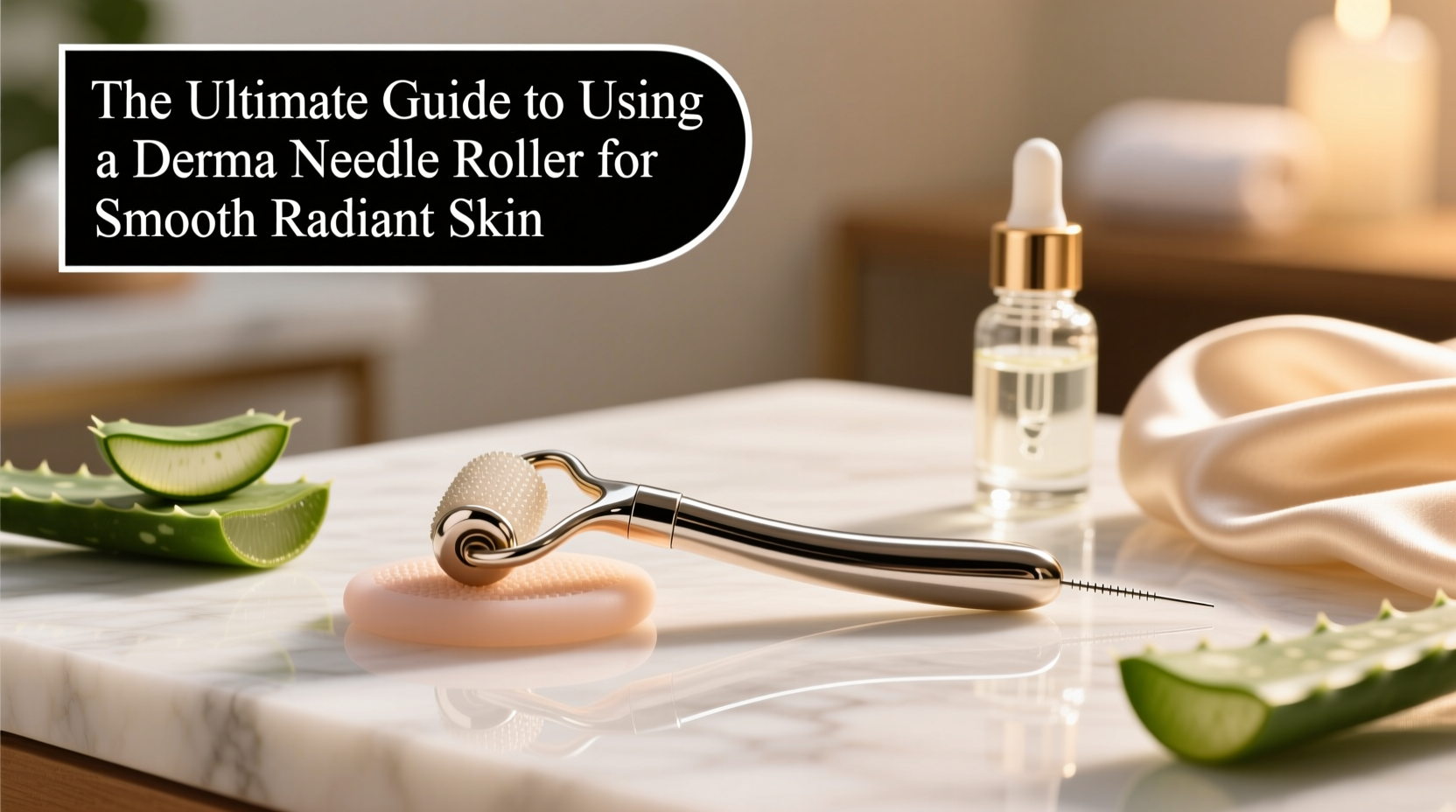
The principle behind derma rolling is called collagen induction therapy. As the tiny needles puncture the top layer of skin, they trigger a controlled injury response. The body responds by increasing blood flow to the area and activating fibroblasts—cells responsible for producing collagen and elastin. Over time, this process strengthens the skin’s structure, improves elasticity, and accelerates cell turnover.
Unlike chemical peels or laser treatments, micro-needling works without removing layers of skin, making it suitable for many skin types when performed properly. It also enhances the penetration of serums and active ingredients by up to 300%, according to clinical studies, meaning your favorite vitamin C or hyaluronic acid formulas become significantly more effective after rolling.
“Micro-needling bridges the gap between topical skincare and clinical procedures. With consistency, users can see visible improvements in skin firmness and clarity within six to eight weeks.” — Dr. Lena Patel, Board-Certified Dermatologist
Choosing the Right Derma Roller: Needle Length, Material, and Frequency
Not all derma rollers are created equal. Selecting the correct device depends on your skin concerns, experience level, and treatment goals.
| Needle Length | Suitable For | Frequency | Risks if Misused |
|---|---|---|---|
| 0.25 mm | Daily product absorption, sensitive skin | 2–3 times per week | Minimal; low risk of irritation |
| 0.5 mm | Acne scars, fine lines, enlarged pores | Once weekly | Mild redness, overuse may cause barrier damage |
| 1.0 mm | Deep scars, stretch marks, advanced aging | Every 2–3 weeks | Bleeding, infection if unsterile, not for home beginners |
For most at-home users, a 0.5 mm roller offers the optimal balance between efficacy and safety. Titanium or medical-grade stainless steel needles are preferred over cheaper plastic alternatives, which can break or harbor bacteria. Always opt for a roller with at least 540 needles for even coverage.
Tip: Replace your derma roller every 15–20 uses or immediately if needles appear bent or dull.Step-by-Step Guide to Safe and Effective Derma Rolling
To get the best results while minimizing irritation or infection risk, follow this proven routine:
- Cleanse thoroughly: Wash your face with a gentle, non-comedogenic cleanser and pat dry. No makeup or oils should remain.
- Sanitize the roller: Soak the device in 70% isopropyl alcohol for 5–10 minutes before first use and after each session.
- Divide your face into zones: Forehead, cheeks, nose, chin. Work one section at a time.
- Roll in multiple directions: Use light pressure and roll vertically, horizontally, and diagonally (about 5–10 passes per direction).
- Apply active serums: Immediately after rolling, apply a hydrating serum like hyaluronic acid or growth factors to boost absorption.
- Moisturize and protect: Seal with a fragrance-free moisturizer. During the day, always follow with SPF 30+.
Avoid applying retinoids, acids (like glycolic or salicylic), or essential oils directly after rolling—they can cause severe stinging or irritation. Wait at least 24 hours before reintroducing these actives.
Real Results: A Case Study in Consistent Micro-Needling
Sarah, a 34-year-old marketing professional, struggled with persistent acne scarring and dullness despite using high-end skincare products. After consulting her dermatologist, she began using a 0.5 mm titanium derma roller once a week alongside a regimen of hyaluronic acid and niacinamide.
Within four weeks, she noticed improved product absorption and a subtle glow. By week eight, her skin appeared smoother, with reduced shadowing in scarred areas. After three months of consistent use—and strict sun protection—her complexion was visibly more even and resilient. “It wasn’t an overnight fix,” she said, “but the gradual change made me confident enough to go makeup-free on weekends.”
Common Mistakes and How to Avoid Them
- Over-rolling: More passes don’t mean better results. Excessive pressure or frequency damages the skin barrier.
- Using on active breakouts: Never roll over inflamed acne or open wounds—it can spread bacteria and worsen scarring.
- Neglecting hygiene: A dirty roller introduces bacteria, potentially causing infections or folliculitis.
- Skipping sunscreen: Post-rolling skin is more vulnerable to UV damage. Daily broad-spectrum SPF is non-negotiable.
- Expecting instant results: Collagen remodeling takes time. Most people see meaningful changes after 6–12 weeks.
Your Derma Rolling Checklist
Before each session, ensure you’ve covered all the essentials:
- ✅ Face is freshly cleansed and dry
- ✅ Derma roller sanitized and inspected for damage
- ✅ Active skincare products prepped (e.g., hyaluronic acid, peptide serum)
- ✅ Gentle moisturizer and sunscreen ready for aftercare
- ✅ No exfoliants or retinoids applied within 24 hours
- ✅ Treatment scheduled at night (to avoid immediate sun exposure)
Frequently Asked Questions
Can I use a derma roller if I have sensitive skin?
Yes, but start with a 0.25 mm roller and limit use to once every 7–10 days. Perform a patch test on your jawline first and discontinue if redness or burning persists beyond 24 hours.
Is it normal for my skin to flake after rolling?
Mild flaking can occur 2–3 days post-treatment due to accelerated cell turnover. This is usually temporary. If peeling is severe or accompanied by itching, reduce frequency and focus on barrier-repairing ingredients like ceramides.
Can I share my derma roller with someone else?
No. Derma rollers are personal devices. Sharing increases the risk of bloodborne pathogen transmission, including hepatitis B and HIV, even with thorough cleaning.
Maximize Your Skin’s Potential
Derma needle rolling isn’t a miracle cure, but it is a powerful tool when integrated thoughtfully into your skincare routine. The key lies in consistency, cleanliness, and patience. Unlike quick-fix treatments that offer temporary brightness, micro-needling builds lasting improvements from within by empowering your skin to heal and renew itself.
Start slow, listen to your skin, and pair your rolling sessions with supportive ingredients and sun protection. Over time, you’ll not only see a smoother, more radiant complexion—you’ll feel the difference in your skin’s resilience and vitality.
🚀 Ready to transform your skincare routine? Begin with a 0.5 mm roller, follow the steps outlined here, and track your progress monthly. Share your journey in the comments—your experience could inspire someone else to glow from within.








