Baseball is a game of movement, focus, and endurance. Whether you're stepping up to the plate, sprinting between bases, or standing in the field under the summer sun, your clothing plays a crucial role in how well you perform and feel. A key factor often overlooked? The fabric of your baseball t-shirt. Choosing the right material isn’t just about style—it directly impacts breathability, moisture management, temperature regulation, and overall comfort. This guide breaks down the science and practical considerations behind breathable fabrics, helping players, coaches, and fans make smarter choices when selecting their game-day gear.
Why Fabric Breathability Matters in Baseball
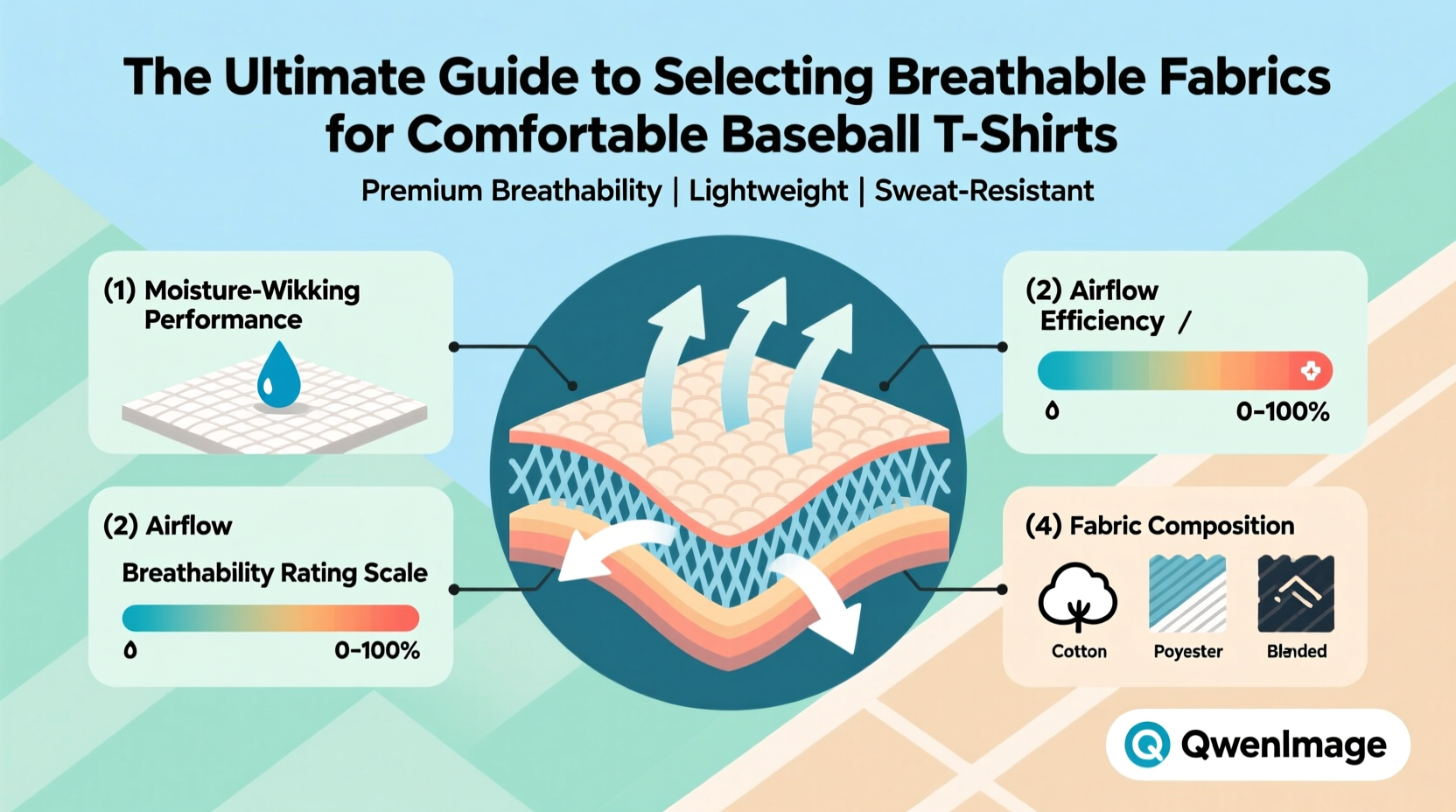
During a typical game, a player can experience rapid shifts in body temperature due to bursts of activity followed by periods of rest. Sweat accumulates quickly, especially in warm weather or indoor facilities with poor ventilation. When a t-shirt traps heat and moisture, it leads to discomfort, chafing, distraction, and even overheating.
Breathable fabrics allow air to circulate through the material, helping regulate body temperature and wick moisture away from the skin. This process keeps the wearer drier and cooler, reducing fatigue and improving concentration on the field. According to Dr. Lena Torres, a sports physiologist at the National Athletic Performance Institute:
“Even a 10% improvement in moisture-wicking efficiency can reduce perceived exertion during prolonged physical activity. For athletes, that translates into better endurance and sharper mental focus.” — Dr. Lena Torres, Sports Physiologist
The ideal baseball t-shirt balances structure, flexibility, and airflow—without sacrificing durability or fit.
Top Breathable Fabrics for Baseball T-Shirts
Not all fabrics are created equal. Some trap heat, while others excel at ventilation and sweat management. Below is a breakdown of the most effective materials used in performance-oriented baseball apparel.
1. Polyester (Performance-Grade)
Often dismissed as “plastic,” modern polyester has evolved dramatically. High-quality, engineered polyester is lightweight, quick-drying, and designed specifically for athletic use. It resists stretching out over time and maintains shape after repeated washes.
Look for variants labeled as “moisture-wicking” or “cooling technology.” These incorporate microfibers that pull sweat to the surface of the fabric where it evaporates rapidly.
2. Nylon
Nylon offers excellent strength-to-weight ratio and dries faster than cotton. While less common in casual tees, it’s frequently blended with spandex or elastane to add stretch without compromising breathability. Ideal for undershirts or base layers beneath jerseys.
3. Rayon from Bamboo
A sustainable alternative gaining popularity, bamboo-derived rayon is naturally antimicrobial and highly absorbent. It feels soft against the skin and allows good airflow. However, it may lose integrity when washed frequently unless blended with synthetic fibers.
4. Cotton Blends (with Synthetic Fibers)
Pure cotton absorbs sweat but holds onto moisture, leading to heavy, damp shirts during intense play. That said, cotton-polyester blends (e.g., 60/40 or 50/50) combine comfort with improved drying times. These hybrids offer a balance suitable for practice sessions or casual wear, though not optimal for high-intensity games.
Tip: Avoid 100% cotton t-shirts for gameplay—they retain sweat and increase thermal stress.Comparing Fabric Performance: A Side-by-Side Analysis
| Fabric Type | Breathability | Moisture Wicking | Durability | Best Use Case |
|---|---|---|---|---|
| Performance Polyester | ★★★★★ | ★★★★★ | ★★★★☆ | Game days, hot climates |
| Nylon-Spandex Blend | ★★★★☆ | ★★★★★ | ★★★★★ | Base layers, compression shirts |
| Bamboo Rayon | ★★★★☆ | ★★★☆☆ | ★★★☆☆ | Casual wear, light training |
| Cotton-Polyester Blend | ★★★☆☆ | ★★★☆☆ | ★★★★☆ | Practice, off-field use |
| 100% Cotton | ★★☆☆☆ | ★☆☆☆☆ | ★★★☆☆ | Informal settings only |
Key Features to Look for in a Breathable Baseball T-Shirt
Beyond fabric composition, several design elements enhance breathability and functional comfort:
- Mesh Panels: Strategically placed ventilation zones under arms or along the back improve airflow.
- Loose Weave Construction: Allows more air passage than tightly knit fabrics.
- Flatlock Seams: Reduce friction and irritation during movement.
- Antimicrobial Treatment: Prevents odor buildup caused by sweat and bacteria.
- UPF Protection: Especially important for outdoor games; blocks harmful UV rays without sacrificing breathability.
When shopping, check product labels for terms like “ventilated,” “engineered airflow,” or “performance mesh.” These indicate intentional design for active use.
Step-by-Step Guide to Choosing the Right T-Shirt
- Determine Your Use Case: Will the shirt be worn during actual gameplay, practice, or off-field events? Game-ready shirts should prioritize technical fabrics.
- Check the Fabric Label: Look for at least 85% synthetic content (polyester, nylon) if performance is key.
- Feel the Weight: Lightweight fabrics (under 160 gsm) tend to breathe better than heavier knits.
- Assess Fit: A slightly relaxed fit promotes air circulation; avoid overly tight cuts unless designed for compression.
- Test Moisture Response: If possible, lightly wet a small area—does it spread evenly and dry quickly?
- Evaluate Care Instructions: Frequent washing degrades some fabrics. Choose options labeled as colorfast and machine-wash durable.
Real-World Example: How One Team Improved Comfort and Focus
The Central Ridge High School baseball team struggled with midday fatigue during their regional tournament season. Players reported feeling sticky and distracted by their uniforms, particularly during double-header games in June.
Their coach partnered with a local sportswear supplier to replace standard cotton-poly blend tees with ones made from 100% recycled performance polyester featuring laser-cut ventilation zones. Within two weeks, feedback showed a noticeable difference: 78% of players said they felt cooler, and post-game heart rate recovery improved by an average of 12 beats per minute.
“It sounds minor, but staying dry helped us stay sharp,” said team captain Marcus Lin. “We weren’t constantly adjusting our shirts or wiping sweat from our eyes. That little bit of comfort made a real difference in close games.”
Common Mistakes to Avoid
- Choosing style over function: A cool graphic won’t help if the shirt soaks up sweat like a sponge.
- Ignoring care requirements: Some high-tech fabrics degrade when exposed to fabric softeners or high dryer heat.
- Overlooking fit: Even the best fabric fails if the shirt is too tight or restricts shoulder movement.
- Buying bulk cheap tees: Low-cost promotional shirts often use low-grade cotton or poor weaves that pill and shrink after one wash.
FAQ: Frequently Asked Questions
Can I wear a breathable t-shirt under my jersey?
Yes—and you should. A moisture-wicking base layer prevents sweat from soaking your jersey and reduces skin irritation. Opt for sleeveless or short-sleeve performance tees in neutral colors to avoid visible lines.
Do breathable fabrics cost more?
Generally, yes. High-performance materials involve advanced engineering and testing. However, investing in one quality t-shirt can save money long-term compared to replacing multiple low-quality ones every season.
Are there eco-friendly breathable options?
Absolutely. Recycled polyester, organic cotton blends, and TENCEL™-infused fabrics offer sustainability without sacrificing breathability. Many premium brands now highlight their environmental commitments on packaging.
Final Checklist Before You Buy
- ✅ Is the fabric primarily synthetic (polyester, nylon)?
- If yes, it likely wicks moisture effectively.
- ✅ Does the shirt have ventilation features (mesh panels, perforations)?
- These significantly boost airflow.
- ✅ Is the fit tailored for movement (not too tight, not too baggy)?
- You should be able to raise your arms fully without restriction.
- ✅ Can it be machine washed without losing shape or color?
- Check care instructions—durability matters.
- ✅ Does it include UV or odor protection?
- Useful bonuses for extended outdoor exposure.
Conclusion: Make Comfort Part of Your Game Plan
Your baseball t-shirt shouldn’t just look good—it should work for you. By understanding which fabrics breathe best, what features enhance airflow, and how proper fit supports performance, you gain a subtle but meaningful edge. Whether you’re a weekend player or part of a competitive league, choosing the right t-shirt contributes to confidence, stamina, and focus on the field.
💬 Ready to upgrade your lineup? Start by replacing one worn-out cotton tee with a performance-driven option. Share your favorite breathable brand or tip in the comments below—help fellow players stay cool and comfortable all season long.








