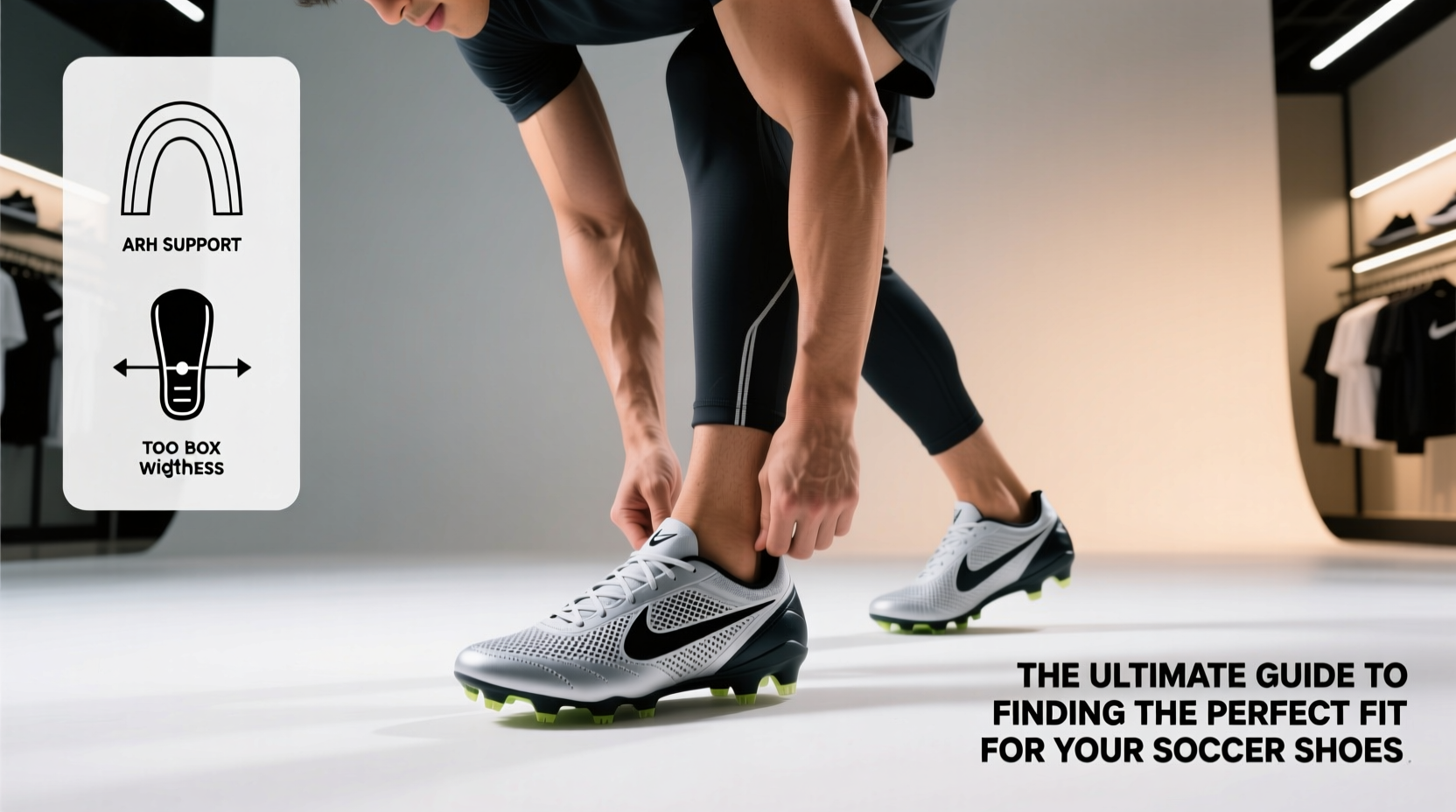
Finding the right pair of soccer shoes isn’t just about style or brand preference—it’s about performance, safety, and long-term foot health. A poorly fitted shoe can lead to blisters, reduced agility, and even chronic injuries. Whether you're a weekend player or training at a competitive level, getting the fit right is non-negotiable. This guide walks you through every critical aspect of selecting soccer shoes that fit like an extension of your foot, enhancing both control and comfort on the pitch.
Why Fit Matters More Than You Think
The foundation of any great performance starts from the ground up. Soccer involves rapid changes in direction, sudden stops, and constant pressure on the feet. When your shoes don’t fit properly, that energy transfer becomes inefficient—and painful. A study by the American Podiatric Medical Association found that over 60% of athletes who reported foot pain were wearing improperly sized footwear.
A well-fitted soccer shoe should feel snug but not tight, secure without restricting movement, and allow enough room for natural toe splay during sprinting or cutting. The consequences of ignoring fit include black toenails, plantar fasciitis, ankle instability, and reduced ball control due to slippage inside the shoe.
“Players often prioritize aesthetics or brand loyalty over fit, but no amount of technology can compensate for a poor fit.” — Dr. Lena Torres, Sports Podiatrist & FIFA Medical Advisor
Key Factors That Influence Soccer Shoe Fit
Several variables affect how a soccer shoe fits, many of which go beyond standard shoe size. Understanding these elements helps you make informed decisions when trying on new cleats.
- Foot Shape: Feet vary widely—some are narrow, others wide; some have high arches, others flat soles. Brands like Adidas tend to run narrower, while New Balance offers wider options.
- Length and Width: Don’t assume your street shoe size matches your soccer shoe size. Many players need half a size up in cleats to accommodate swelling during play.
- Arch Support Needs: Low arches may require more midfoot support, whereas high arches benefit from cushioned insoles to absorb impact.
- Playing Surface: Firm-ground (FG), soft-ground (SG), artificial turf (AG), or indoor shoes all have different soleplate designs that subtly alter internal volume and fit.
- Lacing System: Asymmetric lacing can improve upper contact with the ball but may change pressure distribution across the instep.
Step-by-Step Guide to Testing Soccer Shoe Fit
Trying on soccer shoes isn't enough—you need to simulate real gameplay conditions. Follow this five-step process to ensure optimal fit before making a purchase.
- Wear Match-Weight Socks: Use the same type of socks you’d wear during a game. Thick crew socks add bulk; thin performance socks reduce padding.
- Check Toe Clearance: Stand and press your toes forward. There should be about a thumb’s width (roughly 3–5 mm) between your longest toe and the end of the shoe.
- Test Heel Lock: Walk around and jump lightly. Your heel should stay firmly in place without slipping up and down.
- Simulate Cuts and Turns: Pivot side-to-side, accelerate briefly if possible. Notice any pinching, sliding, or pressure points.
- Evaluate Ball Feel: Tap the ball gently with both the inside and outside of the foot. The upper material should offer responsive feedback without feeling stiff or overly soft.
Real Example: From Pain to Peak Performance
Jamal, a semi-pro midfielder, struggled with recurring lateral ankle sprains. After consulting a sports therapist, he discovered his cleats were two sizes too small, forcing his toes into a cramped position and altering his gait. Switching to a properly sized pair with better heel containment reduced instability dramatically. Within three weeks, his agility improved and pain disappeared. “I didn’t realize how much discomfort I’d been accepting as normal,” he said.
Do’s and Don’ts of Soccer Shoe Fitting
| Do’s | Don’ts |
|---|---|
| Try shoes later in the day when feet are largest | Buy shoes that feel tight expecting them to “break in” |
| Bring your own insoles if you use orthotics | Ignore differences between brands’ sizing |
| Walk and pivot in the store to test stability | Choose style over function |
| Consider half-sizes and width variations | Assume synthetic and leather uppers stretch the same way |
| Reassess fit seasonally—feet can change over time | Keep playing in worn-out or stretched cleats |
How Different Materials Affect Fit and Break-In Time
The upper material plays a major role in how a shoe conforms to your foot. Each has distinct characteristics:
- Kangaroo Leather: Soft, premium feel with excellent natural stretch. Requires careful moisture management but molds closely to the foot over time.
- Synthetic Leather: Consistent shape, less stretch, lightweight. Holds its form better than natural leather but offers less give.
- Knit Uppers (e.g., Primeknit, Flyknit): Sock-like fit with dynamic flexibility. Best for players seeking seamless comfort and minimal break-in period.
- Textile Blends: Often used in budget models. May lack durability and structural support under intense use.
Checklist: Before You Buy Your Next Pair of Cleats
- ✅ Measured both feet (one is often larger)
- ✅ Wore appropriate game-day socks during fitting
- ✅ Checked toe space with standing pressure test
- ✅ Confirmed no heel slippage during movement
- ✅ Tested lateral movements and quick steps
- ✅ Verified compatibility with your primary playing surface
- ✅ Compared multiple brands—not just one model
- ✅ Inspected internal seams for potential blister points
- ✅ Considered replacing insoles for added support
- ✅ Reviewed return policy in case adjustments are needed
Frequently Asked Questions
Can I wear the same soccer shoes on grass and turf?
It’s not recommended. Shoes designed for firm ground (FG) have longer studs that can damage artificial turf and increase injury risk. Turf-specific (TF or AG) models have shorter, denser stud patterns optimized for grip and safety on synthetic surfaces.
My cleats feel fine at first but cause pain after 20 minutes—what’s wrong?
This often indicates inadequate room for foot swelling during activity. Blood flow increases during exercise, causing feet to expand slightly. If there’s no extra space built in, pressure builds rapidly. Try going up half a size or choosing a wider width.
Should soccer shoes feel tight when I first wear them?
No. They should feel secure and close-fitting, but never constrictive. While some materials stretch slightly, modern cleats aren’t meant to undergo dramatic break-in periods. Discomfort at purchase usually means poor fit.
Final Thoughts: Make Fit a Non-Negotiable Priority
Your soccer shoes are the only piece of equipment directly connecting you to the field. No amount of skill, conditioning, or gear upgrades will compensate for a mismatched fit. Taking the time to assess your foot dimensions, understand material behavior, and test shoes under realistic conditions pays dividends in performance, confidence, and long-term joint health.
💬 Have a fitting tip or story about how the right cleats changed your game? Share it below and help fellow players avoid common mistakes!








