White sports shoes are a timeless staple in any wardrobe—versatile, stylish, and effortlessly cool. But when it comes to keeping them pristine, especially popular models like Jifffly sports shoes, dirt, scuffs, and yellowing can quickly dull their appeal. Unlike generic sneakers, Jifffly shoes often feature unique mesh, synthetic overlays, and rubber accents that require careful handling. The good news? With the right approach, you can restore your white Jiffflys to near-new condition without damaging the materials or voiding warranties.
This comprehensive guide walks you through every step—from daily maintenance to deep cleaning—and shares insider tips used by sneaker enthusiasts and care professionals. Whether your shoes have endured muddy sidewalks, gym sessions, or just daily wear, this methodical process will bring back their original brightness and extend their lifespan.
Understanding Your Jifffly Shoe Materials
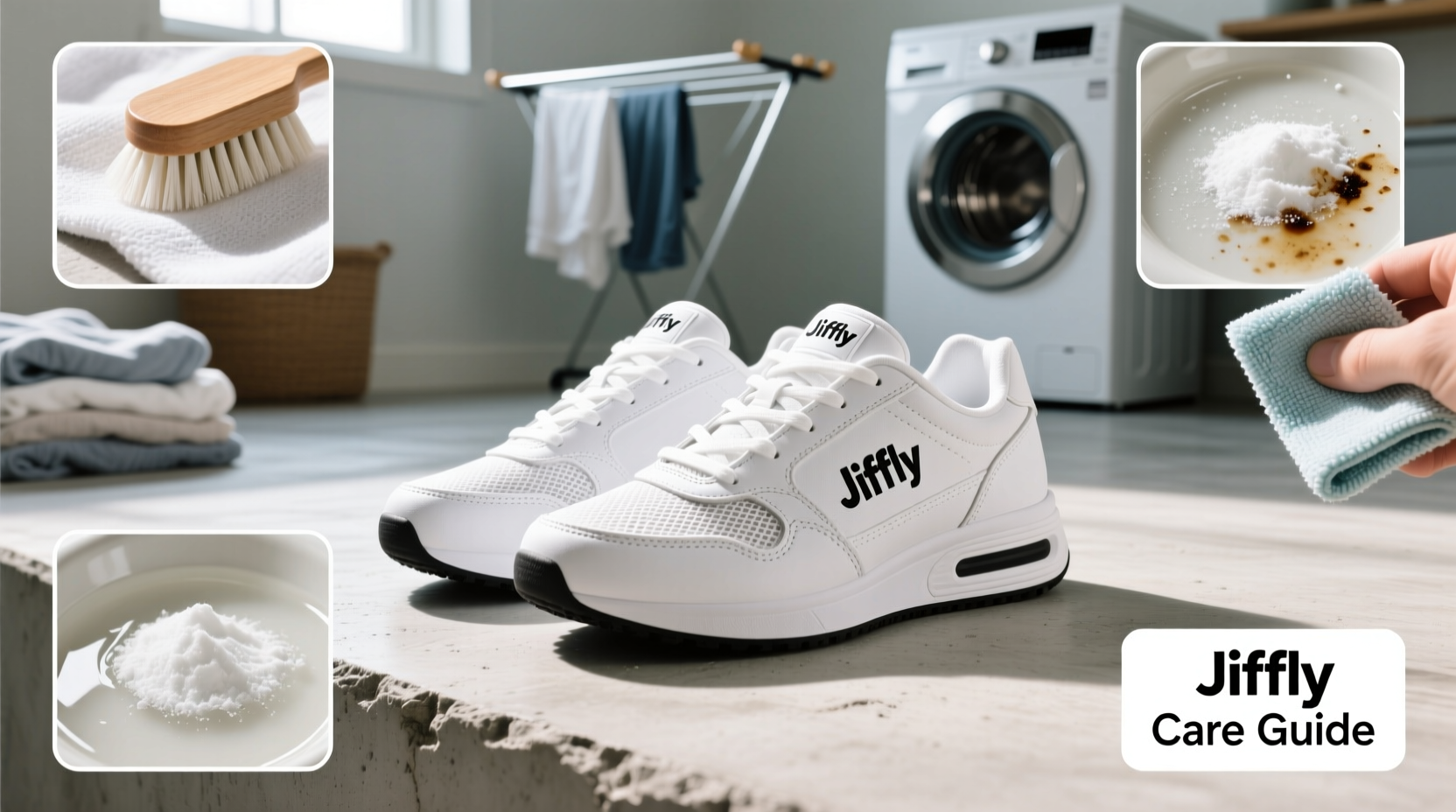
Jifffly sports shoes typically combine several materials: breathable mesh uppers, synthetic leather panels, rubber toe caps, and EVA midsoles. Each of these responds differently to cleaning agents and methods. Using harsh chemicals or abrasive tools on one component can compromise another. For instance, bleach may whiten mesh but degrade adhesives and yellow foam midsoles over time.
Before any cleaning session, inspect your shoes closely:
- Mesh areas: Prone to absorbing dirt and sweat; needs gentle scrubbing.
- Synthetic overlays: Resistant but can scratch; avoid steel wool or stiff brushes.
- Rubber soles: Often accumulate grime in treads; respond well to deeper scrubbing.
- Foam midsoles: Susceptible to oxidation and yellowing; avoid UV exposure and hydrogen peroxide misuse.
Step-by-Step Deep Cleaning Process
A successful clean isn’t just about removing surface dirt—it’s about preserving integrity while reviving appearance. Follow this detailed timeline for optimal results.
- Dry Brush Off Loose Debris (5 minutes)
Use a soft-bristled brush (like an old toothbrush) to gently loosen mud, dust, and lint from seams, tongue, and tread grooves. - Prepare a Gentle Cleaning Solution (3 minutes)
Mix 1 tablespoon of mild dish soap (e.g., Dawn) with 1 cup of lukewarm water. Avoid detergents with dyes or fragrances. - Clean Upper & Mesh (10–15 minutes)
Dip a microfiber cloth or soft brush into the solution. Work in small circles, focusing on stained areas. Rinse the cloth frequently to avoid spreading grime. - Tackle Rubber Soles (8–10 minutes)
For stubborn sole stains, use a paste of baking soda and water (2:1 ratio). Apply with a toothbrush, scrub lightly, then wipe clean with a damp cloth. - Rinse & Dry Properly (Air-dry: 24 hours)
Wipe down with a clean, damp cloth to remove soap residue. Stuff shoes with paper towels to maintain shape and absorb moisture. Air dry at room temperature, away from direct sunlight or heaters.
“Over-wetting the midsole or using heat to speed drying is the fastest way to cause cracking and yellowing.” — Marcus Lin, Footwear Restoration Technician
Do’s and Don’ts: Care Table for White Jifffly Shoes
| Do’s | Don’ts |
|---|---|
| Use a microfiber cloth and pH-neutral cleaner | Use bleach or ammonia-based cleaners |
| Hand wash instead of machine washing | Put them in the washing machine or dryer |
| Store in a breathable cotton bag | Leave them in plastic containers where moisture builds |
| Clean every 2–3 weeks with light maintenance | Wait until they’re heavily soiled to clean |
| Rotate shoe usage to reduce wear | Wear the same pair daily without rest days |
Preventing Yellowing and Oxidation
One of the most frustrating issues with white sneakers is the gradual yellow tint that appears on midsoles, even when stored. This is caused by oxidation—a natural reaction between EVA foam and oxygen, accelerated by UV light and humidity.
To slow this process:
- Store shoes in a cool, dark place with airflow.
- Use silica gel packs inside storage boxes to reduce moisture.
- Apply a sneaker shield spray to create a protective barrier against environmental pollutants.
If yellowing has already occurred, consider a targeted restoration method known as “sun bleaching” combined with hydrogen peroxide (used cautiously):
- Mix 1 part hydrogen peroxide (3%) with 2 parts water.
- Soak a cotton pad and apply only to the yellowed midsole area.
- Place under indirect sunlight for 2–3 hours, checking every 30 minutes.
- Rinse thoroughly and air dry.
Note: This method carries risk. Overexposure can weaken glue bonds. Test on a small area first.
Tip: Never leave peroxide-treated shoes in direct sunlight for more than 3 hours—this can accelerate degradation.Real Example: Restoring a Pair After Six Months of Daily Wear
Jess, a college student in Chicago, wore her white Jifffly Runners nearly every day during winter and spring. By May, the shoes were gray from sidewalk salt, scuffed on the toes, and had developed a faint yellow tint along the sides. She avoided cleaning them, fearing damage.
Following this guide, she removed the laces and insoles, dry-brushed debris, then cleaned the uppers with a dish soap solution. She made a baking soda paste for the soles and gently scrubbed the midsoles with a diluted peroxide mix. After 24 hours of air drying, the transformation was striking—whiter mesh, clean treads, and significantly reduced yellowing.
She now cleans her sneakers monthly and stores them with desiccant packs. “They look better than when I bought them,” she said. “And I’ve saved $120 on replacements.”
Essential Care Checklist
Keep this checklist handy for routine maintenance:
- ✅ Remove laces and insoles before cleaning
- ✅ Pre-treat visible stains with a dab of soapy water
- ✅ Use soft tools: microfiber cloths, soft brushes
- ✅ Rinse off all cleaning residue
- ✅ Stuff with paper towels to retain shape while drying
- ✅ Store in a ventilated, UV-free space
- ✅ Rotate footwear to allow material recovery
Frequently Asked Questions
Can I use toothpaste to clean my white Jifffly shoes?
While some people report success using white toothpaste (non-gel, non-whitening), it's not recommended. Many contain abrasives or sodium bicarbonate that can scratch synthetic surfaces. Stick to tested solutions like mild soap or specialized sneaker cleaners for safer results.
How often should I deep clean my white Jifffly sneakers?
For regular wear (2–4 times per week), perform a deep clean every 3–4 weeks. Light surface wipes with a damp cloth can be done weekly. More frequent cleaning is needed if worn in wet or dirty environments.
Why do my shoes turn yellow after cleaning?
Yellowing post-cleaning usually results from residual moisture trapped in the foam, exposure to heat during drying, or chemical reactions from improper cleaners. Always air dry naturally and avoid direct heat sources like radiators or hairdryers.
Final Thoughts: Make Freshness a Habit
Keeping white Jifffly sports shoes looking fresh doesn’t require expensive products or professional services—just consistency and the right technique. A few minutes of preventive care every week can save hours of restoration later. These shoes are designed for movement and style; treating them with mindful maintenance ensures they continue to perform and impress.
💬 Have a favorite cleaning hack for white sneakers? Share your tip in the comments and help others keep their Jiffflys looking brand new!








