Soccer shoes are more than just footwear—they’re precision tools designed to enhance traction, control, and agility on the field. But repeated exposure to grass, mud, synthetic turf, and sweat degrades materials over time, reducing grip, support, and comfort. Most players overlook routine maintenance until performance suffers or the shoes fail prematurely. Proper cleaning isn’t just about appearance; it’s essential for preserving structural integrity, preventing odor buildup, and maximizing lifespan. With the right techniques, you can keep your cleats responsive, lightweight, and game-ready season after season.
Why Cleaning Your Soccer Shoes Matters
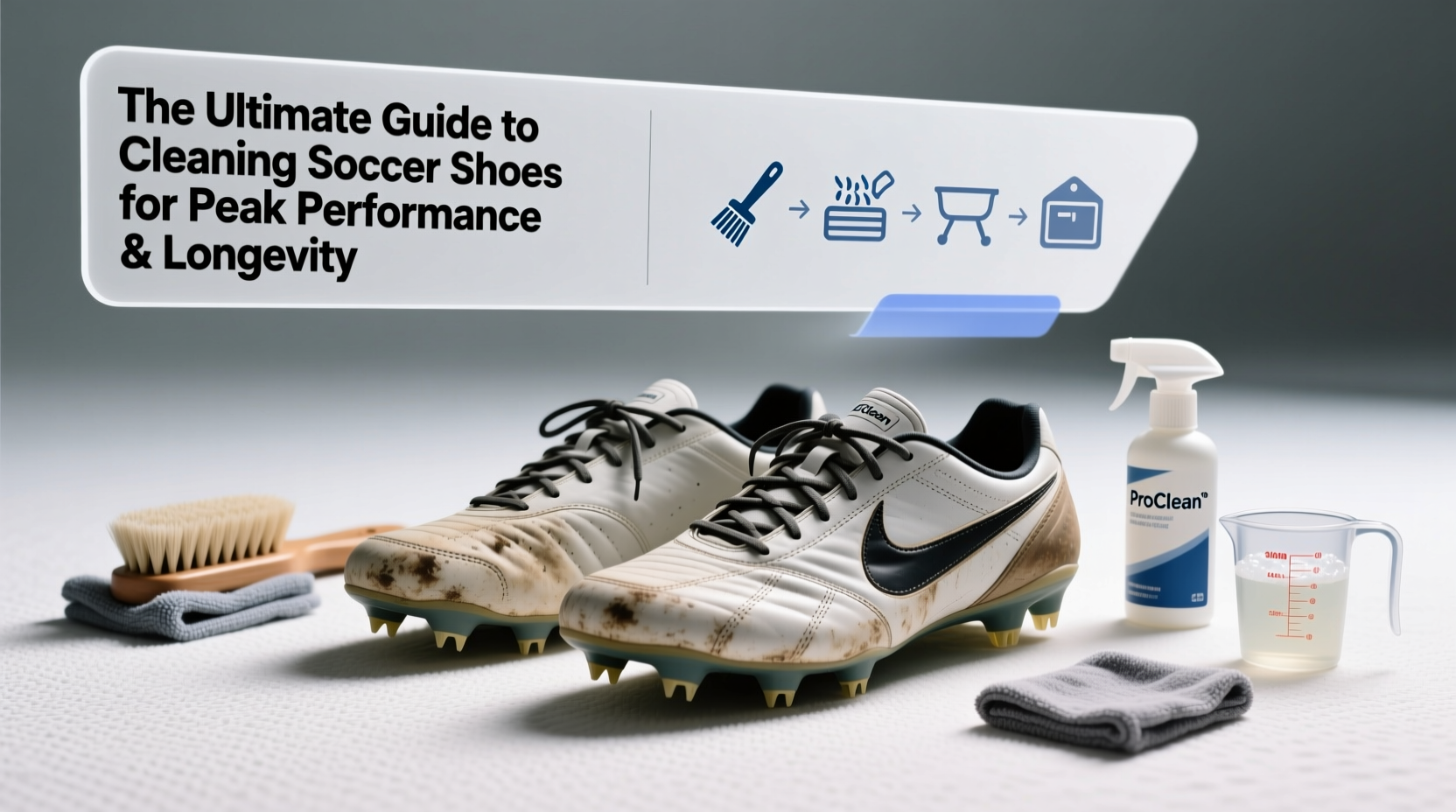
Dirt, moisture, and bacteria accumulate rapidly during play. Grass stains, dried mud, and turf residue trap moisture inside the upper and midsole, leading to material breakdown, odor, and even mold. Over time, clogged studs lose their grip, stitching weakens, and foam padding compresses unevenly. A neglected shoe performs poorly and wears out faster—sometimes in less than half the time of a well-maintained pair.
Regular cleaning preserves the engineered properties of modern soccer shoes: synthetic uppers retain flexibility, knit materials avoid fraying, and stud plates maintain structural rigidity. Additionally, removing debris from between studs ensures optimal ground interaction, which is critical for quick cuts, acceleration, and stability.
“Players who clean their cleats within 30 minutes of playing see up to 60% longer usable life compared to those who don’t.” — Dr. Lena Torres, Sports Equipment Biomechanist, University of Manchester
Step-by-Step Guide to Deep Cleaning Soccer Shoes
Cleaning doesn’t need to be complicated, but doing it correctly ensures maximum benefit without damage. Follow this detailed process after every 2–3 uses or immediately after heavy mud exposure.
- Remove Debris: Use a soft brush or old toothbrush to knock off loose dirt from the upper, tongue, and stud area. For caked-on mud, let it dry slightly first—this makes removal easier without forcing fibers apart.
- Unlace and Remove Insoles: Take out laces and insoles to clean them separately. This allows full access to the interior and prevents trapped moisture.
- Dry Brush Exterior: Gently scrub the upper with a microfiber cloth or soft-bristle brush. Avoid wire brushes or abrasive pads, especially on synthetic or knit materials.
- Clean Studs: Dip the brush in warm water and lightly scrub each stud. For metal or molded plastic studs, use a pick (like a small screwdriver) to remove packed-in debris.
- Wipe Down Interior: Dampen a cloth with water and mild soap (such as dish soap or specialized sneaker cleaner). Wipe the inside thoroughly, focusing on high-sweat zones like the heel and toe box.
- Hand Wash Laces and Insoles: Soak laces in soapy water for 5–10 minutes. Scrub insoles gently, then rinse and air-dry completely.
- Rinse and Dry: Never submerge the entire shoe. Instead, wipe with a damp cloth if needed. Then stuff the shoe with crumpled newspaper or use a shoe tree to absorb moisture and maintain shape. Air-dry at room temperature—away from direct heat or sunlight.
Do’s and Don’ts of Soccer Shoe Care
| Do’s | Don’ts |
|---|---|
| Clean shoes within an hour after play | Leave wet shoes in a gym bag overnight |
| Use a specialized sneaker cleaner for delicate materials | Use bleach or harsh solvents |
| Air-dry naturally in a ventilated area | Place near radiators, heaters, or in direct sun |
| Rotate multiple pairs to reduce wear | Play on concrete or asphalt in FG/AG cleats |
| Store in a breathable shoe bag | Keep in sealed plastic containers while damp |
Maintenance Checklist for Long-Term Performance
- ✔ Clean after every muddy or intense match
- ✔ Inspect studs monthly for wear or cracks
- ✔ Replace worn insoles every 3–4 months
- ✔ Rotate between two pairs to allow drying and recovery
- ✔ Apply a fabric protector spray (for synthetics) every 6 weeks
- ✔ Store in a cool, dry place with good airflow
- ✔ Check stitching and glue points quarterly for separation
Real-World Example: How One Player Doubled Cleat Lifespan
Diego Mendez, a semi-pro midfielder in Portland, used to replace his cleats every four months due to odor, sole detachment, and loss of fit. After switching teams, he adopted the post-game cleaning routine used by his new squad: brushing off mud immediately, wiping interiors with disinfectant cloths, and storing shoes in mesh bags with cedar inserts. He also began rotating between two pairs—one for matches, one for training.
Within six months, Diego noticed his shoes retained shape better, smelled fresher, and provided consistent traction. His last pair lasted nearly 14 months—more than double his previous average. “I used to think cleats were disposable,” he said. “Now I treat them like instruments. A little care goes a long way.”
Special Considerations by Shoe Type
Not all soccer shoes are cleaned the same way. Material composition dictates care intensity:
- Leather (Kangaroo or Calfskin): Use leather-specific wipes and conditioners. Avoid soaking. Reapply leather balm monthly to prevent cracking.
- Synthetic Uppers: Most common today. Resistant to water but prone to scuffing. Clean with mild soap and wipe dry promptly.
- Knit/Flyknit Materials: Delicate weaves require extra gentleness. Use only soft cloths and no scrubbing. Air-dry flat to avoid stretching.
- Boots with Internal Cushioning: Minimize moisture exposure. Never saturate the upper. Consider removable moisture-wicking insoles.
Frequently Asked Questions
How often should I clean my soccer shoes?
Light cleaning—brushing off dirt and airing out—should happen after every use. A thorough wipe-down and interior cleaning is recommended every 2–3 games, or immediately after heavy mud exposure.
Can I use household cleaners on my cleats?
Avoid strong chemicals like bleach, ammonia, or window cleaner. These degrade adhesives and discolor fabrics. Stick to pH-neutral soaps or products designed for athletic footwear.
Why do my shoes still smell after cleaning?
Odor usually comes from bacteria in the insole or lining. Try using antibacterial sprays, baking soda packs overnight, or replace the insole. Ensure shoes are fully dry before storage—dampness breeds odor-causing microbes.
Conclusion: Treat Your Cleats Like High-Performance Gear
Soccer shoes represent a significant investment in both cost and performance. Treating them with consistent care pays dividends in responsiveness, comfort, and durability. Simple habits—like brushing off mud, wiping interiors, and proper drying—can extend their effective life by months or even years. When maintained well, your cleats stay lighter, grippier, and more reliable when it matters most.
💬 Ready to get the most out of your gear? Start tonight: pull out your cleats, give them a proper clean, and set up a drying station. Share your best cleaning tip in the comments and help fellow players keep their game sharp—on and off the field.








