Buying ballet flats online should be a seamless experience—elegant styles, comfortable fits, and effortless delivery. Yet, one persistent challenge remains: getting the size right without trying them on. Ill-fitting flats can lead to blisters, arch pain, or worse, a pair gathering dust in the back of your closet. The good news is that with the right approach, you can confidently purchase ballet flats online and enjoy both beauty and comfort. This guide walks you through precise measurements, brand nuances, material behaviors, and real-world strategies that eliminate guesswork and ensure a flawless fit every time.
Understand Your Foot Measurements Accurately
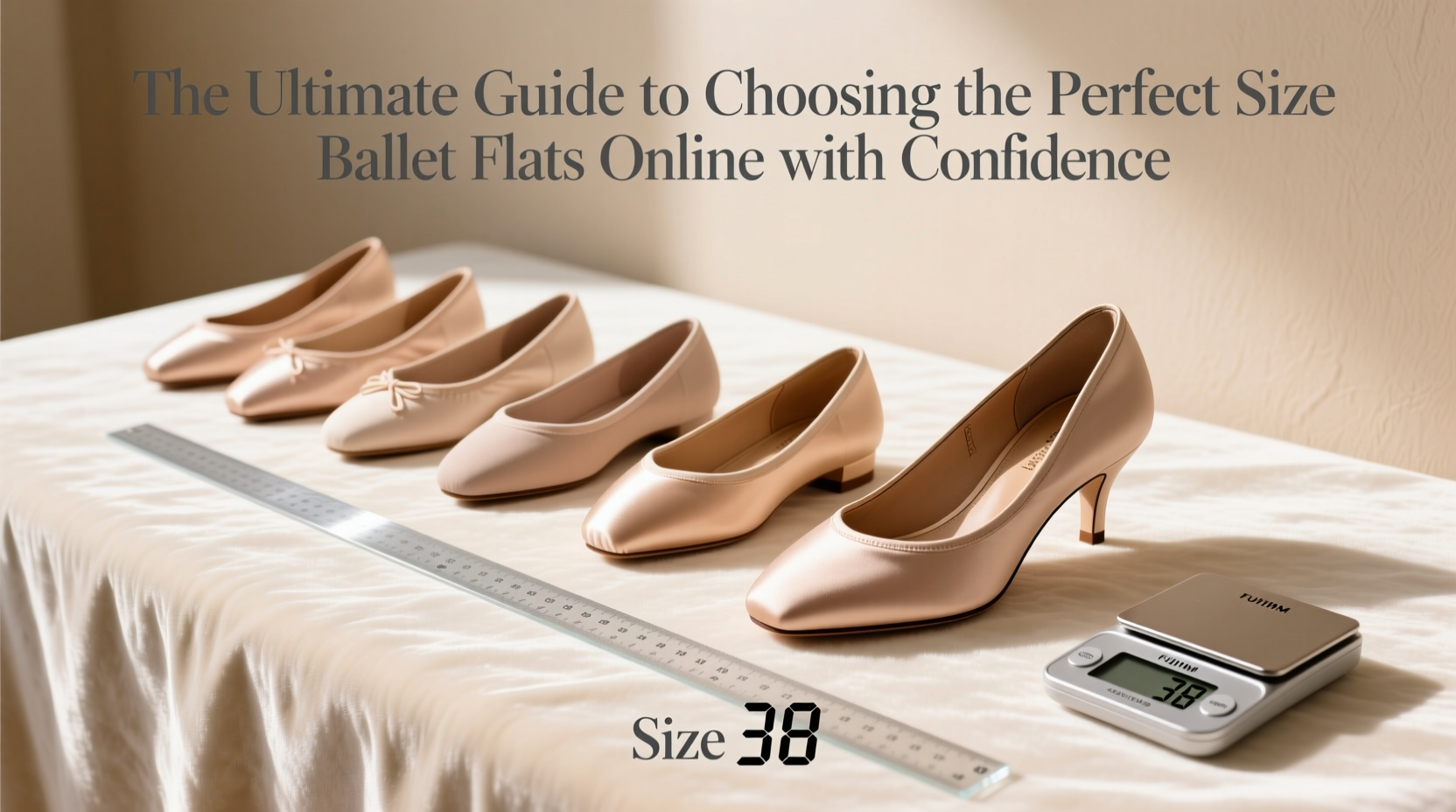
Most sizing errors stem from assumptions. Many people wear the same size for years without re-measuring, not realizing feet change over time due to age, weight fluctuations, or pregnancy. To buy ballet flats online with confidence, start with accurate foot dimensions.
Measure both feet at the end of the day when they’re slightly swollen—the most realistic condition for daily wear. Stand on a piece of paper, trace the outline, and measure the longest point from heel to toe and the widest part across the ball of the foot. Compare these numbers to the brand’s size chart, not just standard U.S. or EU conversions.
Tip: Always measure both feet—even if one is only slightly larger, size up to accommodate it. Comfort starts with space.Many brands provide downloadable foot templates or printable measurement guides. Use them. Some even offer digital fitting tools that recommend sizes based on uploaded foot tracings. These resources are especially helpful when shopping internationally, where sizing standards vary significantly.
Know the Difference Between Flat Styles and Fit Profiles
Ballet flats aren’t a one-size-fits-all category. Their construction varies widely—from structured leather uppers with defined arches to soft, stretchy fabric designs that mold to the foot. Understanding the style’s fit profile helps predict how it will feel once worn.
- Classic Round-Toe Flats: Often run narrow. Look for brands offering wide-width options or stretch panels.
- Almond-Toe Flats: May require a half-size larger to prevent crowding of the toes.
- Slip-On Loafers with Ballet Silhouettes: Typically have more structure and may fit true to size.
- Foldable Travel Flats: Made from ultra-thin materials; expect a snugger fit initially but less support.
Pay attention to design elements like elasticized toplines, padded collars, and cushioned insoles. These features enhance comfort but don’t compensate for incorrect sizing. A flat might look perfect in photos, but if the toe box is too tight or the heel slips, no amount of padding will fix it.
Compare Brand Sizing with Real Data
Not all size 7s are created equal. European brands like Repetto or Miu Miu often run small, while American labels such as Naturalizer or Sam Edelman tend to be more generous. Relying solely on your usual size is risky.
| Brand | Typical Fit | Sizing Advice |
|---|---|---|
| Repetto (France) | Runs small | Size up by half to full size |
| Tory Burch (USA) | True to size | Stick with your measured size |
| Superga (Italy) | Narrow fit | Consider wide alternatives or half-size up |
| Rothy's (USA) | Stretchy knit upper | Snug at first; molds after wear |
| Mint Velvet (UK) | Inconsistent | Check recent customer reviews before ordering |
This variability underscores the importance of consulting user reviews. Filter feedback by size (“I usually wear a 7”) and look for patterns: “runs small,” “tight across the instep,” or “perfect heel grip.” Real customers are the best source of fit intelligence.
“Footwear sizing isn’t standardized globally. What fits in Milan may pinch in Manhattan. Always cross-reference your measurements with brand-specific charts.” — Lena Torres, Footwear Fit Consultant at StyleLab NYC
Follow This Step-by-Step Guide to Online Sizing Success
Purchasing ballet flats online doesn’t have to be trial and error. Follow this proven sequence to maximize accuracy and minimize returns.
- Measure both feet using the tracing method described earlier.
- Determine your standard size in U.S., EU, and UK formats for easy comparison.
- Select 2–3 preferred styles from different brands based on aesthetics and price.
- Visit each brand’s official size chart and match your measurements—not assumptions.
- Read recent customer reviews focusing on fit comments by people with similar foot shapes.
- Check return policies—ensure you can exchange within 14–30 days if needed.
- Order multiple sizes if allowed, especially when trying a new brand.
- Try them indoors on carpet immediately upon arrival to assess fit without risking damage.
Avoid Common Sizing Pitfalls
Even seasoned shoppers make mistakes. Here are frequent missteps and how to avoid them:
- Assuming all flats fit like sneakers: Athletic shoes have flexible soles and laces; ballet flats are rigid and slip-on. They require exact length and width alignment.
- Ignoring half-sizes: If you're between sizes, always go up. A slightly long flat is adjustable with heel grips; a short one cannot be stretched meaningfully.
- Overlooking sock pairing: Will you wear these with bare feet, sheer liners, or thicker socks? Test your measurement wearing the intended hosiery.
- Trusting vanity sizing: Just because you’ve always been a size 6 doesn’t mean you still are. Let data, not ego, guide your choice.
Real Example: Sarah’s Perfect Fit Journey
Sarah, a marketing executive from Chicago, needed polished ballet flats for client meetings but hated shopping in stores. Her last online order arrived too tight, causing blisters by noon. Frustrated, she decided to approach her next purchase methodically.
She measured her feet and discovered her right foot was 0.3 inches longer than her left—a difference she’d never noticed. She selected a reputable brand known for consistent sizing and consulted their detailed EU-to-U.S. conversion chart. Reading reviews, she saw multiple mentions of a “snug initial fit” that loosened after a few wears.
She ordered her measured size and a half-size up. When both arrived, she tried them on with the thin nylon liners she typically wears. The larger size provided room for her longer foot without heel slippage. Within two days, she returned the smaller pair and wore the correct ones comfortably throughout a full workweek.
Sarah now uses the same process for every footwear purchase—turning a once-frustrating experience into a reliable system.
Frequently Asked Questions
How do I know if ballet flats will stretch over time?
Materials matter. Genuine leather and knitted uppers (like those from Rothy’s) gradually conform to your foot. Patent leather and stiff synthetics offer little to no stretch. If a flat feels tight out of the box, it likely won’t improve significantly.
What should I do if my heel slips?
Minor slipping can be corrected with adhesive heel grips or cushions. However, excessive movement suggests the shoe is too long or too wide. In that case, consider a smaller size or a different style with a higher back or elastic detailing.
Can I rely on third-party retailers’ size recommendations?
Only as a secondary reference. Retailers like Nordstrom or Zappos provide general guidance, but brand-specific charts are more accurate. When in doubt, prioritize the manufacturer’s data over aggregated advice.
Final Checklist Before You Click “Buy”
- ✅ Measured both feet today?
- Use paper tracing and ruler for precision.
- ✅ Checked brand’s official size chart?
- Don’t assume standard conversions apply.
- ✅ Read 5+ recent customer reviews focused on fit?
- Look for comments about width, toe box, and heel grip.
- ✅ Verified return policy?
- Ensure exchanges are free and simple.
- ✅ Considered sock thickness and typical use?
- Fit changes based on what you wear inside the shoe.
Confidence Starts with the Right Fit
Choosing the perfect ballet flats online isn’t magic—it’s method. With accurate measurements, brand awareness, and a strategic approach, you can bypass discomfort and disappointment. Every step you take in well-fitting flats should feel intentional, supported, and stylish. Don’t settle for “close enough.” Equip yourself with the knowledge to shop smarter, save money, and walk with confidence—literally.
💬 Found your perfect online fit? Share your story or tip in the comments—help others step into comfort with confidence.








