Cylindrical sports bags are a staple for athletes, gym-goers, and travelers alike. Their sleek design, durability, and spacious interior make them ideal for hauling gear from soccer cleats to yoga mats. Yet, despite their popularity, many users experience discomfort, shoulder strain, or back pain due to improper carrying techniques. The shape of these bags—long, narrow, and often lacking structured support—can shift weight unevenly, leading to poor posture and fatigue over time. This guide breaks down how to carry your cylindrical sports bag in a way that minimizes strain, maximizes comfort, and integrates seamlessly into your daily routine.
Understanding the Design Challenge
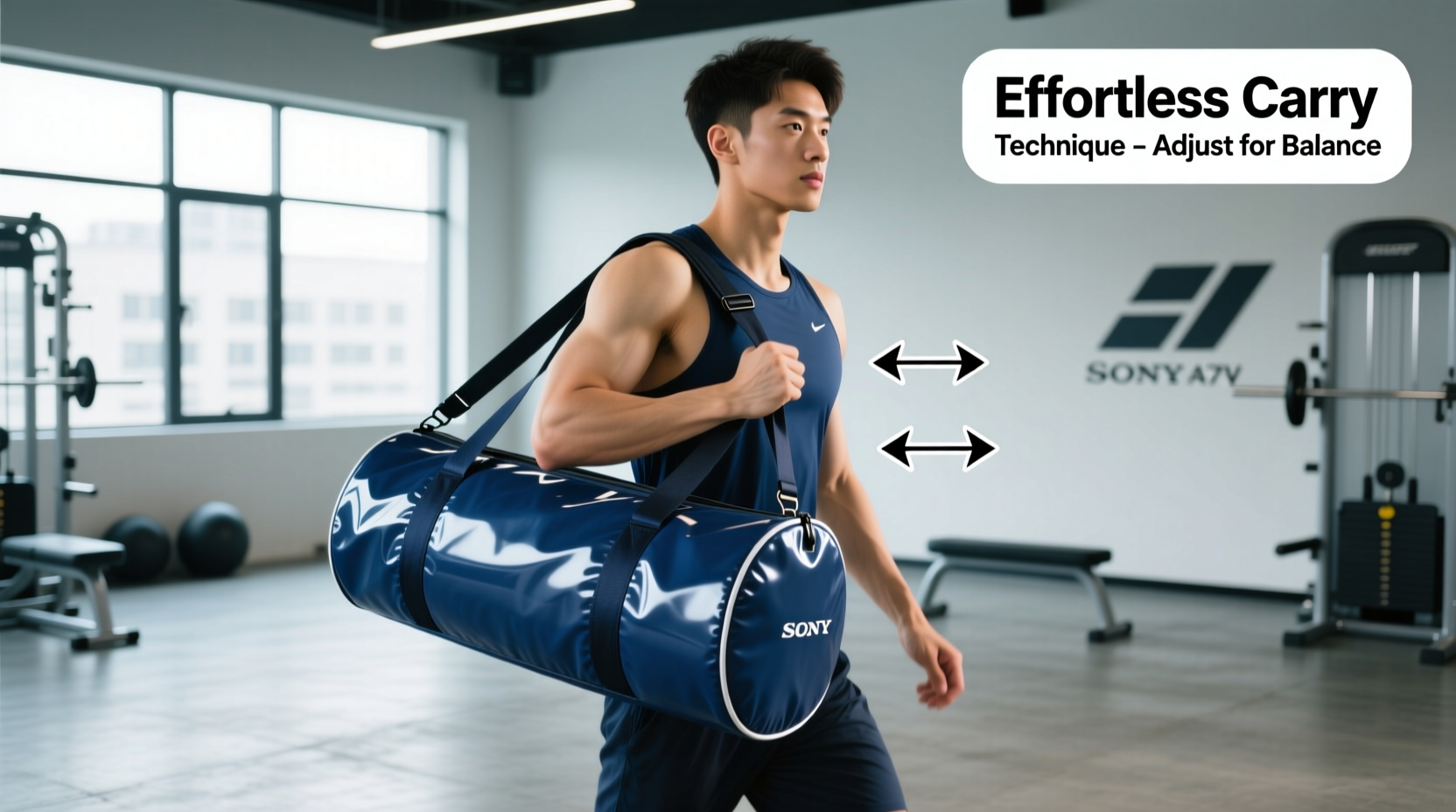
Cylindrical bags differ significantly from backpacks or duffel bags with reinforced frames. Their flexible structure means they conform to how they’re packed and carried. When overloaded or slung over one shoulder, the bag tends to swing forward or downward, forcing the body to compensate by leaning or hunching. Over time, this leads to muscle imbalances and chronic discomfort.
The key issue lies in weight distribution. Unlike backpacks that distribute load across both shoulders and hips, single-strap cylindrical bags concentrate pressure on one side of the body. According to Dr. Lena Patel, a physical therapist specializing in sports ergonomics:
“Carrying asymmetrical loads regularly can lead to scoliosis-like postural shifts, especially in younger athletes. Even short-term misuse contributes to neck tension and lower back strain.” — Dr. Lena Patel, DPT, Sports Ergonomics Specialist
To avoid these issues, it’s essential to adopt strategies that promote balance, proper alignment, and intelligent packing.
Step-by-Step: How to Carry Your Cylindrical Bag with Proper Form
Comfort starts before you even pick up the bag. Follow this sequence to ensure effortless transport every time:
- Pack Strategically: Place heavier items—like shoes or water bottles—closer to your back when carrying the bag over your shoulder. This keeps the center of gravity aligned with your spine.
- Use Both Straps (If Available): Some cylindrical bags come with an optional second strap or a cross-body configuration. Always use both if possible to distribute weight evenly.
- Sling Across the Body: Instead of draping the bag over one shoulder, wear it diagonally across your chest. This prevents the bag from swinging and stabilizes the load.
- Keep Elbows Slightly Bent: Allow your arm to act as a natural shock absorber. Locking your elbow increases stress on the shoulder joint.
- Maintain Upright Posture: Walk tall, engage your core, and avoid leaning away from the bag’s weight. Let the bag rest against your hip or lower back—not pulling you sideways.
- Switch Sides Frequently: If carrying the bag on one shoulder is unavoidable, alternate sides every 5–10 minutes to prevent muscular imbalance.
Smart Packing: The Foundation of Comfort
How you pack your bag determines how it feels when carried. A poorly packed cylindrical bag becomes unwieldy, no matter how careful your posture.
Follow this checklist to optimize internal organization:
- Roll clothes tightly to save space and reduce shifting
- Use small pouches or packing cubes for accessories
- Place rigid items (e.g., helmets, bottles) along the length of the bag for structural support
- Avoid overfilling—leave 2–3 inches of space at the top to maintain shape
- Secure loose straps to prevent snagging and imbalance
| Do’s | Don’ts |
|---|---|
| Balance weight symmetrically inside the bag | Pack all heavy items at one end |
| Use compression straps to minimize movement | Leave the bag half-empty, allowing contents to slide |
| Carry the bag close to your body | Let it hang far from your torso |
| Choose a bag with padded shoulder straps | Use a thin, non-padded strap for heavy loads |
Real-World Example: From Pain to Effortless Carry
Mark T., a semi-professional tennis player, used to suffer from recurring left shoulder pain after tournaments. He carried his cylindrical bag—loaded with two racquets, shoes, towels, and snacks—over his right shoulder, assuming it was “easier” since he’s right-handed. Over six months, the constant imbalance led to inflammation in his rotator cuff.
After consulting a sports physiotherapist, Mark adjusted his approach: he began using a cross-body carry, repacked his bag with heavier items near the center-back, and started alternating sides during long walks between courts. Within three weeks, his pain decreased significantly. “I didn’t realize such a simple change could make such a big difference,” he said. “Now I barely notice the bag’s there.”
Choosing the Right Bag for Long-Term Comfort
Not all cylindrical sports bags are created equal. Some designs inherently support better ergonomics. When selecting or upgrading your bag, consider these features:
- Adjustable, Padded Shoulder Strap: Look for wide, cushioned straps that don’t dig into the shoulder.
- Chest or Waist Stabilizer Clip: Higher-end models include secondary clips to anchor the strap and reduce sway.
- Reinforced Base: A firm bottom keeps the bag upright and prevents sagging, which pulls the strap tighter.
- Multiple Carry Options: Handles, detachable straps, or backpack conversions offer flexibility based on distance and load.
- Weight Limit Awareness: Most cylindrical bags perform best under 15 lbs (7 kg). Exceeding this strains materials and your body.
Frequently Asked Questions
Can I convert my cylindrical bag into a backpack?
Some brands offer aftermarket dual-strap kits or modular systems that transform single-strap bags into backpacks. Check manufacturer compatibility. Alternatively, use a separate backpack-style harness designed for duffels, though fit may vary.
Is it ever okay to carry the bag by the top handle?
Short distances—like lifting it into a locker or onto a shelf—are fine. However, avoid prolonged handle-carrying, as it concentrates force on wrist and forearm muscles and raises your center of gravity, increasing instability.
How do I prevent the strap from slipping off my shoulder?
Opt for straps with textured padding or silicone grip lining. Wearing layers like jackets or hoodies also helps. If slippage persists, consider adding a removable strap anchor clip available online.
Final Thoughts: Make Comfort a Habit
Carrying a cylindrical sports bag doesn’t have to mean enduring discomfort. With mindful packing, correct posture, and the right equipment, transporting your gear can become a seamless part of your active lifestyle. The goal isn’t just convenience—it’s long-term physical well-being. Every adjustment you make, from switching shoulders to optimizing weight placement, contributes to healthier movement patterns and reduced injury risk.
Start today: unpack your bag, reorganize it with balance in mind, and practice the cross-body carry. Notice how your body responds. Small changes compound into lasting benefits, whether you're heading to the gym, the field, or the airport.
💬 Have a favorite trick for carrying your sports bag with ease? Share your tip in the comments and help others move smarter!








