At first glance, tennis skirts and golf skirts look nearly identical—flattering silhouettes, built-in shorts, and sporty-chic designs. Both are staples in women’s athletic wardrobes, often spotted on courts and greens alike. But beneath their similar appearances lie subtle yet significant differences shaped by performance needs, tradition, and functionality. Understanding these distinctions helps athletes choose the right gear for their sport—and avoid awkward wardrobe choices when stepping onto the court or fairway.
Design Origins: Function Follows Sport
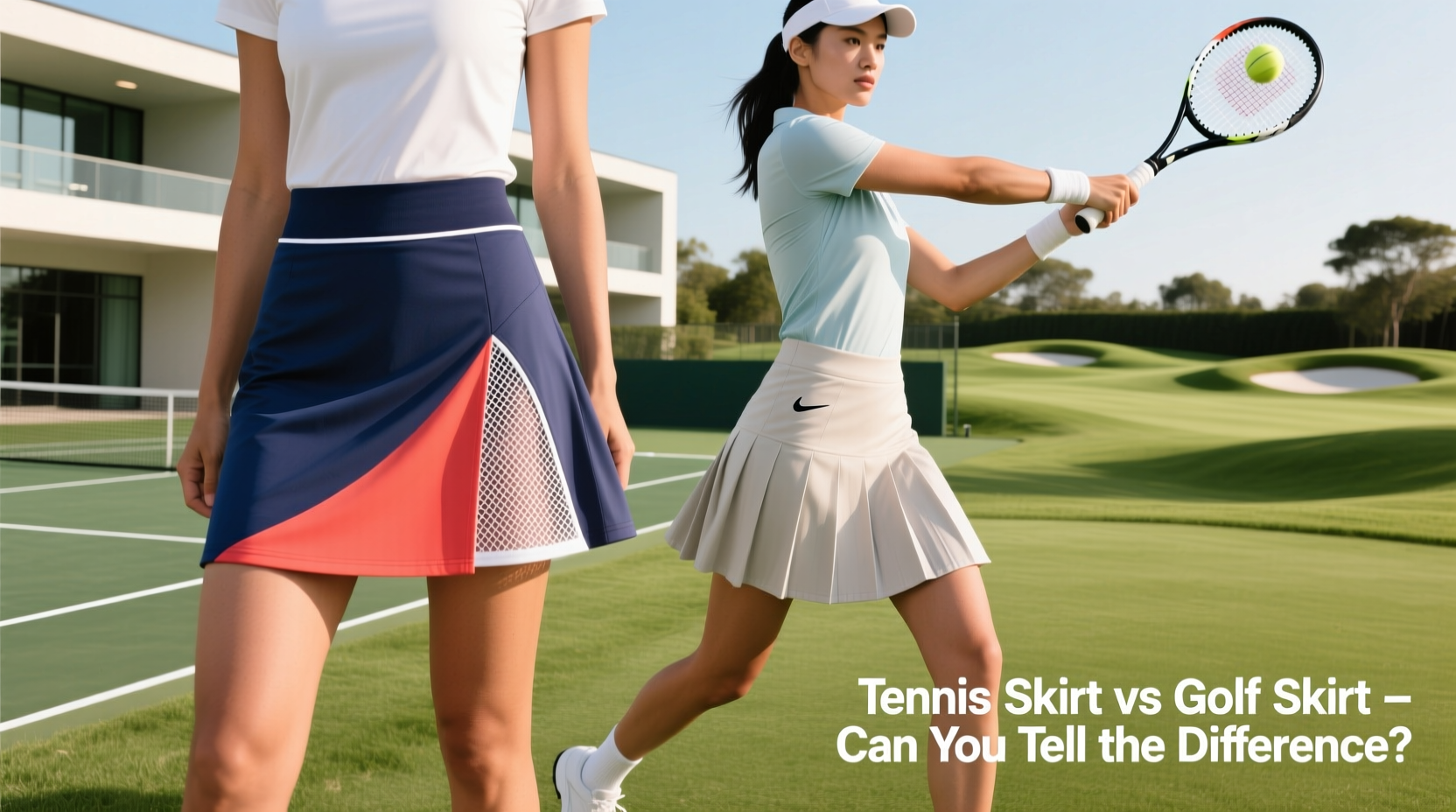
The evolution of athletic wear is deeply tied to the demands of each sport. Tennis skirts emerged in the early 20th century as women transitioned from restrictive dresses to more practical attire. By the 1970s and 80s, with stars like Chris Evert popularizing the two-in-one skirt (with attached compression shorts), the modern tennis skirt was born—designed for agility, modesty during motion, and breathability.
Golf skirts, on the other hand, evolved from traditional country club dress codes that favored polished, tailored looks. While comfort matters, aesthetics and formality play a bigger role. Golf attire leans toward structured fabrics, pleated hems, and longer lengths to maintain a classic, elegant appearance on the course.
“While both skirts serve athletic purposes, their design DNA reflects the culture of their sport—tennis values movement; golf values presentation.” — Lila Monroe, Sportswear Design Consultant
Key Differences at a Glance
Despite overlapping styles, several factors set tennis and golf skirts apart. Below is a detailed comparison:
| Feature | Tennis Skirt | Golf Skirt |
|---|---|---|
| Length | Shorter (13–16 inches from waist) | Longer (16–20 inches from waist) |
| Fabric | Moisture-wicking, stretchy, lightweight (e.g., polyester-spandex blend) | Durable, wrinkle-resistant, slightly heavier (e.g., poly-viscose blends) |
| Built-in Shorts | Standard—tight-fitting, performance-oriented | Sometimes included, but looser or absent |
| Hem Design | Flat or A-line, minimal pleating | Frequently pleated or box-pleated for volume |
| Mobility Focus | High—allows lunging, sprinting, quick turns | Moderate—supports walking and swinging |
| Dress Code Flexibility | Strict in tournaments (no denim, must have undershorts) | Formal in clubs (skirts preferred over shorts in many cases) |
Performance Needs Shape the Details
Tennis is dynamic. Players pivot, lunge, sprint, and twist—all within seconds. A tennis skirt must stay in place without riding up or restricting motion. That’s why most feature high spandex content, gripper elastic inside the waistband, and snug compression liners. The liner isn’t just for modesty—it provides muscle support and reduces chafing during intense rallies.
Golf requires less explosive movement but involves hours of walking and repeated rotational swings. Golf skirts prioritize durability and sun protection. Many include UPF-rated fabric and are designed to resist creasing after sitting in a cart. Pleats allow gentle drape during the backswing without pulling across the hips. While some golf skirts now include built-in briefs, they’re typically looser and not meant for vigorous activity.
Real Example: When the Wrong Skirt Costs Comfort
Emily, a weekend athlete who plays both sports, wore her favorite pleated golf skirt to a local tennis clinic. Within minutes, she noticed the hem flaring awkwardly during lunges and the lack of undershorts causing discomfort when bending. “I felt exposed and restricted,” she said. “It looked great on the course, but it just didn’t move with me.” After switching to a performance tennis skirt with a secure liner, her mobility and confidence improved dramatically.
Style Overlap and Fashion Crossover
In recent years, fashion has blurred the lines. Brands like Nike, Adidas, and On Running market hybrid skirts labeled “performance skorts” or “athleisure skirts” suitable for both sports. These pieces often combine a tennis-style liner with a golf-inspired outer layer—offering versatility for multi-sport enthusiasts.
However, this crossover doesn’t mean all skirts are interchangeable. Tournament regulations still matter. For example, USTA guidelines don’t restrict skirt length as long as modesty is maintained during play, but many players opt for shorter styles to enhance freedom. In contrast, private golf clubs may enforce rules against “short” skirts, defining acceptable lengths similar to those for shorts.
- Many recreational players use tennis skirts on the golf course for comfort.
- Fashion-forward golfers wear sleek, non-pleated skirts that resemble tennis styles.
- Hybrid designs are rising in popularity—but may not meet strict dress codes.
How to Choose the Right Skirt: A Practical Checklist
Whether you're shopping for a new piece or deciding what to wear this weekend, use this checklist to make the best choice:
- Assess your movement needs: Will you be running and stretching (tennis) or walking and swinging (golf)?
- Check the liner: Look for snug, breathable compression shorts if playing tennis.
- Measure the length: Skirts under 16” work well for tennis; 18”+ suits most golf settings.
- Review fabric content: High spandex (15–20%) = better stretch for tennis.
- Verify dress code: Some clubs prohibit short skirts or require specific styles.
- Test the swing or lunge: Move around in the fitting room—bend, twist, and squat.
Expert Insight: What Designers Know That Athletes Don’t
According to fabric engineers at major sportswear labs, the internal construction of these skirts tells the real story. “We build tennis skirts with four-way stretch gussets and flatlock seams to prevent irritation during rapid motion,” explains Raj Patel, senior developer at Apex Sport Technologies. “Golf skirts use vertical seams and reinforced waistbands for shape retention after hours of wear. You might not see the difference, but your body will feel it.”
“The ideal athletic skirt disappears during play. If you’re adjusting it constantly, it’s not the right fit for your sport.” — Raj Patel, Sportswear Innovation Lead
Frequently Asked Questions
Can I wear a tennis skirt to play golf?
Absolutely—especially in casual or resort-style courses. Tennis skirts offer excellent comfort and moisture control. Just ensure the length meets any club-specific standards, particularly at private or traditional venues where shorter skirts may be frowned upon.
Are golf skirts suitable for tennis?
Generally not recommended. Most lack the necessary stretch and secure undershorts. Pleated designs can shift during lateral movements, and stiffer fabrics may restrict motion. If you’re playing casually and the skirt has a liner and good give, it might work—but expect reduced performance.
Do all tennis skirts have built-in shorts?
Virtually all modern tennis skirts do. It’s a functional necessity for modesty during overhead shots and splits. Some brands offer removable liners, but going without is rare and often discouraged in competitive settings.
Final Thoughts: Know the Game, Know the Gear
The difference between a tennis skirt and a golf skirt may seem minor, but it reflects deeper distinctions in how each sport is played and presented. While fashion trends encourage mixing and matching, performance and etiquette still favor purpose-built apparel. Choosing the right skirt isn’t about following rules blindly—it’s about respecting the demands of your body and your environment.
Whether you're serving an ace or sinking a birdie putt, your clothing should empower your game, not distract from it. Invest in pieces designed for your primary sport, and if you play both, consider owning separate skirts tailored to each activity. Your comfort, confidence, and compliance will thank you.
🚀 Ready to upgrade your athletic wardrobe? Reassess your current skirts using the checklist above—and share your go-to brand or style in the comments below.








