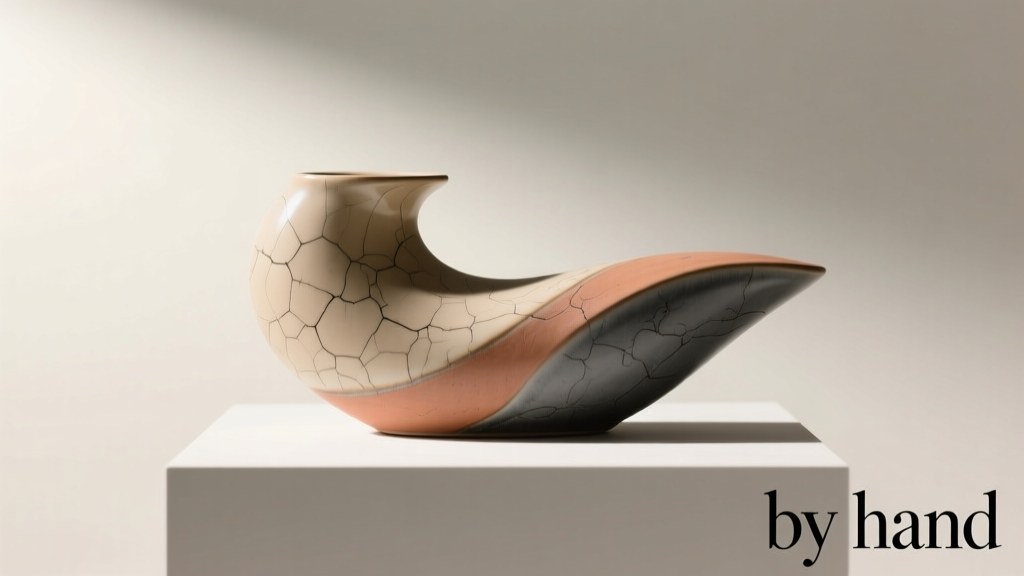
Types of Surfboard Figurines
A surfboard figurine is more than just a decorative piece—it's a celebration of ocean culture, adventure, and artistic expression. These miniature representations of surfers and surfboards come in a wide range of materials, sizes, and themes, making them popular collectibles, gifts, and interior design elements for beach houses, surf shops, and coastal-themed spaces.
Material-Based Classification
The material used in crafting a surfboard figurine significantly influences its appearance, durability, and overall aesthetic. Different materials offer unique textures, weights, and levels of detail, allowing collectors and decorators to choose based on style, environment, and purpose.
Wood
Crafted from sustainably sourced hardwoods like teak, bamboo, or balsa, wooden surfboard figurines exude a natural, handcrafted charm.
Advantages
- Warm, organic appearance with visible wood grain
- Hand-carved details showcasing artisan skill
- Eco-friendly and biodegradable material
- Timeless appeal that ages gracefully
Limitations
- Susceptible to moisture and warping if not sealed
- Limited color variety compared to synthetic materials
- More fragile than resin or metal
Best for: Rustic decor, coastal cabins, eco-conscious collectors
Resin
Polyresin is one of the most popular materials for surfboard figurines due to its versatility and durability.
Advantages
- Highly detailed and can mimic other materials
- Resistant to moisture, UV rays, and temperature changes
- Can be painted in vibrant colors and include translucent effects
- Ideal for mass production and intricate designs
Limitations
- Less eco-friendly (plastic-based)
- Can feel lightweight or less premium
- Potential for chipping if dropped
Best for: Collectors, gift items, outdoor-themed interiors
Metal
Made from bronze, aluminum, stainless steel, or iron, metal surfboard figurines offer a sleek, modern, and industrial aesthetic.
Advantages
- Extremely durable and weather-resistant
- Heavyweight feel conveys luxury and permanence
- Polished or brushed finishes add elegance
- Suitable for outdoor display and commercial spaces
Limitations
- Higher cost due to material and craftsmanship
- Limited fine detail compared to resin
- Can oxidize or tarnish without proper care
Best for: Luxury homes, surf shops, corporate gifts, outdoor installations
Polymer Clay
Hand-sculpted from polymer clay, these figurines are often one-of-a-kind artistic creations.
Advantages
- Highly customizable and artistic
- Bold colors and textures possible
- Lightweight yet durable when baked
- Favored by independent artists and crafters
Limitations
- Less durable than resin or metal
- Not ideal for outdoor use
- Time-intensive to produce
Best for: Art collectors, handmade gift markets, unique decor accents
Size Variation
Surfboard figurines are available in a wide range of sizes, each serving different decorative and functional purposes. The size you choose often depends on where you plan to display it and the visual impact you want to create.
| Size | Dimensions | Display Location | Best Use Case |
|---|---|---|---|
| Small | 4–6 inches | Shelves, desks, sconces, bookcases | Subtle decor, gift items, collectible sets |
| Medium | 8–12 inches | Side tables, mantles, entryways | Statement pieces in smaller rooms, focal points |
| Large | 12+ inches | Living rooms, lobbies, retail spaces | Dramatic centerpieces, commercial decor, gallery displays |
Thematic Classification
Themed surfboard figurines capture the spirit of surfing culture through storytelling, design, and symbolism. These themes allow collectors to connect with specific eras, environments, or emotions associated with the sport.
Beach & Tropical
These figurines often feature palm trees, sunsets, sandy shores, and turquoise waters, evoking a laid-back island vibe.
- Common in vacation homes and tiki bars
- May include elements like coconuts, flamingos, or hula dancers
- Perfect for creating a relaxing, beachy atmosphere
Ideal for: Coastal decor, summer homes, tropical-themed parties
Retro Surf
Inspired by the golden era of surfing (1950s–70s), these pieces feature vintage boards, classic wetsuits, and retro color palettes.
- Often depict longboards and old-school surf culture
- Popular in surf shops and nostalgic interiors
- Adds a vintage, nostalgic charm to modern spaces
Ideal for: Mid-century decor, surf history enthusiasts, retro-themed rooms
Wildlife & Nature
These figurines integrate marine life such as dolphins, sea turtles, seagulls, or whales, often mid-wave with a surfer.
- Emphasizes harmony between humans and nature
- Favored by environmentalists and ocean lovers
- Great for educational or conservation-themed spaces
Ideal for: Eco-friendly homes, marine centers, nature-inspired art collections
Sports & Action
Dynamic and energetic, these figurines capture surfers in motion—cutting through waves, performing aerials, or riding massive swells.
- Showcases athleticism and the thrill of surfing
- Often used in gyms, sports lounges, or training centers
- Great for motivating athletes and adventure seekers
Ideal for: Active lifestyles, sports memorabilia, motivational decor
Pro Tip: When displaying resin or polymer clay figurines, avoid direct sunlight to prevent fading. For wooden pieces, apply a light coat of marine-grade varnish annually if used in humid environments like bathrooms or near pools.
Artistic Design and Craftsmanship of Surfboard Figurines
The design of surfboard figurines offers an expansive canvas for artistic expression, blending creativity, cultural symbolism, and craftsmanship. With virtually limitless possibilities in color, form, and detail, these miniature sculptures reflect both the spirit of surfing culture and the personal vision of the artist. Whether crafted from wood, resin, ceramic, or metal, each figurine’s aesthetic is shaped by material properties, intended display context, and the level of realism or stylization desired.
Key Design Elements of Surfboard Figurines
Surfer Details: Capturing Character and Identity
The surfer is the centerpiece of most surfboard figurines, and their design profoundly influences the overall mood and authenticity of the piece. Artists may choose to depict surfers with anatomical precision—accurate proportions, dynamic muscle definition, and realistic posture—to evoke a sense of athleticism and motion. Alternatively, stylized interpretations featuring exaggerated poses, elongated limbs, or abstract forms can emphasize artistic flair over realism, often aligning with modern or tribal aesthetics.
Clothing and accessories further enrich the narrative of the figurine. Contemporary surfwear such as board shorts, rash guards, and tank tops ground the piece in present-day beach culture, while wetsuits suggest cold-water environments or professional conditions. Additional details like surf watches, earrings, necklaces, or even tattoos can be intricately carved or painted to enhance individuality and realism. These subtle touches transform a generic sculpture into a personalized tribute to a surfer’s lifestyle and identity.
Surfboard Design: A Canvas of Style and Expression
The surfboard itself is not merely a functional component but a vital artistic element. In figurines, boards range from simplified, smooth-cut silhouettes ideal for minimalist decor to highly detailed replicas mirroring real-world models. Designers often replicate authentic board shapes—shortboards, longboards, fish, or guns—tailored to the surfer’s pose and environment.
Artwork on the board elevates its visual impact. Common decorative motifs include tribal patterns inspired by Polynesian heritage, geometric abstractions, wave illustrations, or vibrant psychedelic designs reminiscent of 1960s surf culture. Some artists incorporate airbrushed gradients, metallic finishes, or UV-reactive paints to add depth and dimension.
Decals and branded stickers are frequently replicated to lend authenticity. Logos of iconic surf brands, fictional company names, or humorous slogans can be etched or printed onto the board, adding a commercial or satirical tone. These elements allow collectors and creators to celebrate specific surf lineages, parody surf trends, or commemorate real-life brands, making the figurine a storytelling device as much as a decorative object.
Pose & Action: Conveying Motion and Emotion
The pose of the surfer defines the energy and narrative of the figurine. Dynamic action poses—such as carving down a wave, launching into an aerial maneuver, or hanging ten on the board’s edge—capture the exhilaration and skill of surfing. These positions require careful engineering to balance realism with structural integrity, especially in fragile materials like ceramic or thin resin casts.
Such poses often include bent knees, extended arms for balance, and a forward-leaning torso, all contributing to a sense of momentum. When combined with a sculpted wave base or spray effects, these figurines become immersive scenes frozen in time, evoking the power and grace of ocean riding.
Static & Lifestyle Poses: Calm and Contemplative Themes
In contrast, static poses offer a more relaxed, reflective aesthetic. These include a surfer holding a board at sunset, sitting cross-legged on the sand, or walking along the shore. While less dramatic, these compositions convey tranquility, connection to nature, and the meditative side of surf culture.
Such figurines are often used in wellness-themed spaces, coastal décor, or as symbolic gifts representing balance and mindfulness. Despite their stillness, attention to detail—like the drape of a towel, texture of sand, or shadow under the board—ensures visual richness and emotional resonance.
| Design Element | Impact on Aesthetic | Crafting Tips |
|---|---|---|
| Surfer Realism | High – defines authenticity | Use reference photos for anatomy; consider scale when detailing facial features |
| Board Artwork | Very High – focal point | Apply fine brushes or decals; seal with UV-resistant varnish for longevity |
| Pose Dynamics | High – conveys energy | Reinforce joints in action poses; use internal armatures for stability |
| Material Choice | Medium – affects finish and durability | Wood for warmth and grain; resin for detail; ceramic for elegance |
Enhancing Your Surfboard Figurine: Creative Considerations
Important: When crafting or collecting surfboard figurines, ensure that delicate features—such as extended arms, thin fins, or small accessories—are protected during handling and display. Using durable materials and protective finishes will preserve the artwork’s integrity over time. Additionally, always respect intellectual property when replicating branded logos or copyrighted designs.
Scenarios of Surfboard Figurine: Decorative & Functional Applications
Surfboard figurines are more than just miniature replicas—they serve as symbolic representations of coastal culture, adventure, and relaxation. Their versatility makes them ideal for a wide range of environments, from private homes to commercial spaces. Whether used for aesthetic enhancement or brand storytelling, these figurines evoke the spirit of the ocean and the thrill of surfing. Below are the key scenarios where surfboard figurines shine, each tailored to specific audiences and design goals.
Home Decor
Surfboard figurines blend seamlessly into a variety of interior design styles, particularly in homes with coastal, nautical, or active lifestyle themes. Their compact size and artistic detailing make them perfect for display on open shelves, mantelpieces, coffee tables, or beside family photos and travel souvenirs.
- Complements beach-themed rooms, especially in coastal properties or vacation homes
- Adds a touch of personality and adventure to minimalist or modern spaces
- Serves as a conversation starter, reflecting the homeowner’s love for the ocean and outdoor activities
- Available in various materials—resin, wood, or ceramic—allowing customization to match existing decor
Design Tip: Pair with seashells, driftwood, or framed surf photography for a cohesive coastal aesthetic.
Retail Displays
In retail environments, surfboard figurines are powerful visual merchandising tools. Stores specializing in surfwear, beach accessories, or water sports equipment often use these figurines in window displays, product stands, or checkout areas to reinforce brand identity and create an immersive shopping experience.
- Enhances thematic consistency in surf shops, boutiques, and beach resorts
- Used in large groupings to simulate a "surfboard wall," evoking a vibrant beach atmosphere
- Helps customers visualize the lifestyle associated with the products they're purchasing
- Can be customized with logos or brand colors for promotional purposes
Retail Insight: Strategically placed figurines increase customer dwell time and emotional engagement with the brand.
Events & Competitions
Surfboard figurines are frequently used as custom trophies and awards at surfing competitions, beach festivals, and ocean conservation events. These personalized pieces celebrate achievement while honoring the culture and spirit of the sport.
- Mounted on wooden plaques or acrylic bases with engraved names and event details
- Available in different poses—riding a wave, paddling out, or standing on the board—to reflect the competition’s theme
- Serve as memorable keepsakes for participants, fostering long-term connection to the event
- Can be part of gift bags or participant kits to enhance the overall experience
Event Tip: Offer limited-edition figurines for annual contests to build tradition and collectibility.
Beach Houses & Resorts
Surfboard figurines are a staple in beachfront properties, vacation rentals, and tropical resorts. Placed in lobbies, guest rooms, pool areas, or spa zones, they help establish a relaxed, ocean-inspired ambiance that resonates with travelers seeking a coastal escape.
- Creates a sense of place and reinforces the property’s connection to the local surf culture
- Used in themed room packages (e.g., "Surfer’s Retreat" or "Ocean Voyager Suite")
- Appeals to guests who identify with the surf lifestyle, enhancing their emotional experience
- Can be sold in gift shops as souvenirs, adding a revenue stream
Hospitality Insight: Guests often photograph these figurines, increasing organic social media exposure for the property.
Pro Recommendation: When selecting surfboard figurines for any application, consider scale, material durability, and thematic alignment. For outdoor or high-traffic areas, opt for UV-resistant, weatherproof materials. In premium settings, handcrafted wooden or metal figurines convey luxury and authenticity. Always ensure the design reflects the intended audience—whether playful and colorful for family resorts or sleek and modern for high-end boutiques.
| Application | Ideal Material | Placement Suggestions | Target Audience |
|---|---|---|---|
| Home Decor | Resin, Wood, Ceramic | Shelves, Mantels, Entryway Tables | Coastal homeowners, Travel enthusiasts |
| Retail Displays | Durable Resin, Acrylic | Window Displays, Checkout Counters, Product Stands | Surf shoppers, Tourists |
| Events & Awards | Engraved Metal, Polished Resin | Trophy Stands, Gift Bags, Ceremony Stages | Athletes, Participants, Families |
| Beach Resorts & Rentals | Weather-Resistant Composite | Lobbies, Guest Rooms, Pool Decks | Vacationers, Adventure Seekers |
Additional Considerations
- Customization: Branded or personalized figurines (with names, logos, or dates) increase emotional value and memorability
- Sustainability: Eco-friendly materials like recycled resin or sustainably sourced wood appeal to environmentally conscious buyers
- Size Variety: Offer multiple sizes—from keychain miniatures to large display pieces—for diverse applications
- Cultural Sensitivity: Respect indigenous surf traditions when designing or marketing figurines in regions with deep cultural ties to ocean sports
- Seasonal Relevance: Promote figurines during summer months, surf festivals, or World Oceans Day for maximum impact
Specification & Maintenance of Surfboard Decorations
Proper care and maintenance of surfboard decorations are essential for preserving their aesthetic appeal, structural integrity, and long-term value. Since these decorative pieces are often exposed to coastal environments, sunlight, and handling, their upkeep varies significantly depending on the material used—wood, resin, ceramic, metal, or composite. This guide provides a comprehensive overview of best practices for cleaning, storing, repairing, and refinishing surfboard figurines and decorative elements to ensure they remain in pristine condition for years to come.
Caution: Many surfboard decorations are handcrafted and fragile. Always handle with care, especially when cleaning or moving. Avoid using harsh chemicals, abrasive cloths, or direct water exposure unless specifically recommended for the material.
1. Dusting & Cleaning
Regular dusting and gentle cleaning are crucial to maintaining the visual clarity and finish of surfboard figurines. Accumulated dust, salt residue, and environmental pollutants can dull surfaces and degrade finishes over time.
- Use a soft, lint-free microfiber cloth to gently wipe down surfaces—this minimizes the risk of scratches, especially on polished or painted finishes.
- For detailed carvings or textured areas, use a soft-bristled brush (like a clean makeup or artist’s brush) to dislodge trapped dust.
- Avoid using water or cleaning solutions on wooden or resin pieces unless absolutely necessary. If needed, lightly dampen the cloth (not the figurine) with distilled water and dry immediately.
- Metal figurines may require occasional wiping with a dry or slightly damp cloth to remove oxidation or salt buildup, especially if displayed near the ocean.
- Ceramic pieces should be dusted only—never immersed in water or cleaned with solvents, as this may compromise painted details or glazing.
Pro Tip: Clean your surfboard decorations every 2–4 weeks if displayed indoors, and weekly if kept in coastal or high-humidity environments to prevent salt and moisture buildup.
2. Storage & Display
How and where you display your surfboard decorations greatly impacts their longevity. Environmental factors such as light, temperature, and humidity must be carefully managed.
- Light Exposure: Display figurines in areas with indirect or low natural light. Prolonged exposure to UV rays can cause fading, discoloration, and weakening of adhesives in multi-material pieces.
- Climate Control: Maintain stable temperature and humidity levels. Fluctuations can cause wood to warp, resin to crack, and metal to corrode. Ideal humidity ranges between 40–55%.
- Display Solutions: For delicate or valuable pieces (especially resin, ceramic, or intricate metalwork), consider using a glass display case or enclosed shelf to protect against accidental bumps, dust, and moisture.
- Wooden Figurines: Store in a cool, dry place away from radiators, vents, or windows. Excessive dryness can lead to cracking, while moisture can cause warping or mold.
- Handling: Minimize frequent touching, as oils from skin can degrade finishes over time. Always handle with clean, dry hands or wear cotton gloves when adjusting or moving pieces.
| Material Type | Optimal Display Condition | Risks of Improper Storage | Care Frequency |
|---|---|---|---|
| Wood | Cool, dry, indirect light | Warping, cracking, mold | Weekly dusting, refinishing every 6–12 months |
| Resin | Stable temperature, low UV exposure | Yellowing, brittleness, cracking | Bi-weekly dusting, inspect for cracks monthly |
| Ceramic | Protected shelf or case, no direct sunlight | Chipping, fading of paint | Weekly dusting, avoid moisture |
| Metal | Low humidity, occasional polishing | Tarnishing, rust, oxidation | Monthly polishing, check for corrosion |
| Composite/Mixed Media | Enclosed display, stable environment | Delamination, adhesive failure | Bi-weekly inspection and dusting |
3. Repairs
Despite careful handling, damage such as chips, cracks, or broken parts can occur. Repair methods vary significantly by material, and improper fixes can reduce value or cause further deterioration.
- Resin & Ceramic: These materials are highly fragile and often require professional restoration. Attempting DIY repairs with standard adhesives may result in visible seams or structural weakness. Epoxy resin or specialized ceramic glue (like cyanoacrylate) should be used with precision.
- Wooden Figurines: Minor breaks can often be repaired at home. Use wood glue to reattach broken pieces, clamp until dry, then sand smooth. For larger gaps, fill with wood filler before sanding and repainting.
- Surface Touch-Ups: After repairs, apply a primer and use artist-grade acrylics or model paints to match the original color. Finish with a clear sealant to protect the repair.
- Metal Repairs: Bent or corroded metal parts may require sanding, rust removal, and re-plating. For valuable pieces, consult a metal conservator.
Expert Advice: Take photos before and after any repair attempt. This helps track changes and provides documentation if professional restoration is later needed.
4. Finishing & Refinishing
Over time, finishes can degrade due to UV exposure, handling, or environmental factors. Refinishing helps restore luster and provides a protective barrier.
- Wooden Decorations: Refinishing every 6–12 months is recommended, especially for pieces displayed outdoors or in sunny areas. Lightly sand the surface, then apply a wood-safe finish such as polyurethane, tung oil, or marine varnish for UV and moisture resistance.
- Metal Figurines: Polish with a manufacturer-recommended metal polish to restore shine. For metals prone to oxidation (like brass or copper), apply a thin layer of clear lacquer after polishing to slow tarnishing.
- Resin & Ceramic: These typically don’t require refinishing, but a gentle wipe with a silicone-free polish can enhance gloss. Avoid wax-based products that may leave residue.
- Protective Coatings: Consider applying a UV-protective spray for any piece exposed to sunlight, even indirectly. This helps prevent fading and material breakdown.
Important Note: Always test any cleaning product, polish, or finish on a small, inconspicuous area first to ensure compatibility with the material and avoid discoloration or damage.
Final Maintenance Recommendations
- Keep a maintenance log noting cleaning dates, repairs, and refinishing to track the condition over time.
- Rotate displayed pieces periodically to reduce uneven UV exposure.
- Store off-season decorations in padded, climate-controlled containers with desiccant packs to control humidity.
- For valuable or collectible figurines, consider professional conservation every few years.
- Inspect all pieces quarterly for early signs of damage, discoloration, or wear.
By following these detailed care guidelines, surfboard decoration enthusiasts can preserve the beauty and craftsmanship of their collections. Whether displayed in a home, surf shop, or gallery, proper maintenance ensures these artistic tributes to surf culture remain vibrant and meaningful for generations.
Frequently Asked Questions About Surfboard Figurines
Q1: Are surfboard figurines suitable for outdoor display?The suitability of surfboard figurines for outdoor display depends largely on both the surrounding environment and the material used in construction. While some materials can endure the elements, others are better suited for indoor settings.
- Metal Figurines: Highly durable and resistant to weather changes. Stainless steel, aluminum, or powder-coated metals are excellent choices for outdoor use, as they resist rust, fading, and corrosion from sun exposure and moisture.
- Resin Figurines: Often designed with UV-resistant coatings and water-sealing finishes, making them a popular option for patios, beach houses, or garden displays. However, prolonged direct sunlight may eventually cause fading over time.
- Wooden Figurines: Best reserved for indoor environments. Natural wood is vulnerable to warping, cracking, or rotting when exposed to humidity, rain, or extreme temperature shifts. If displayed outdoors, they require regular sealing and maintenance to prolong their lifespan.
For long-term outdoor use, always check the manufacturer’s recommendations and consider placing figurines under eaves or shaded areas to minimize direct exposure to harsh weather.
Q2: How do I choose the right size surfboard figurine for my home?Selecting the appropriate size surfboard figurine enhances both visual appeal and spatial harmony. The ideal size depends on the intended display location and the overall aesthetic of the room.
- Small Figurines (6–12 inches): Perfect for tabletops, bookshelves, office desks, or window sills. These subtle pieces add a coastal vibe without overwhelming smaller spaces.
- Medium Figurines (12–24 inches): Great for mantels, entryway consoles, or sideboards. They serve as eye-catching accents that complement existing decor while maintaining balance.
- Large Figurines (24+ inches): Ideal for statement displays in spacious areas such as living rooms, lobbies, retail shops, or galleries. Larger pieces often mimic real surfboards and can double as wall art or freestanding sculptures.
Pro Tip: Measure your display area beforehand and consider the figurine’s proportions relative to nearby furniture. A well-placed figurine should enhance—not dominate—the space.
Q3: What themes are popular for surfboard figurines?Surfboard figurines capture the essence of coastal culture and the adventurous spirit of surfing. Designers draw inspiration from a range of beloved themes, each reflecting different aspects of ocean life and surf heritage.
| Theme | Description | Ideal For |
|---|---|---|
| Retro Surf | Features vintage board designs, classic wetsuits, and nostalgic 60s/70s surf culture aesthetics. Often includes bold colors, checkerboard patterns, and palm tree motifs. | Beach cottages, retro-themed rooms, surf memorabilia collections |
| Tropical & Beach Life | Emphasizes island vibes—think flamingos, hibiscus flowers, sunsets, and turquoise waters. Evokes relaxation and vacation energy. | Vacation homes, spas, poolside decor |
| Sports Action | Dynamic poses capturing surfers mid-wave, often with realistic detailing and motion effects. Celebrates athleticism and the thrill of riding waves. | Gyms, sports bars, surf schools, man caves |
| Marine Wildlife | Incorporates dolphins, sea turtles, whales, or sharks into the design. Symbolizes harmony with nature and ocean conservation. | Educational spaces, eco-friendly homes, aquariums |
| Abstract & Artistic | Modern interpretations using geometric shapes, mixed media, or minimalist styles. Appeals to contemporary art lovers. | Lofts, galleries, modern interiors |
These themes not only celebrate surfing culture but also allow for personal expression, making surfboard figurines versatile decorative elements across various settings.
Q4: Can surfboard figurines be customized?Yes, many artisans and manufacturers offer customization options for surfboard figurines, allowing individuals and businesses to create unique, personalized pieces.
- Personalized Designs: Customers can request specific surfer poses, board shapes, or wave styles to reflect personal memories or favorite surfing spots.
- Color Customization: Choose from a wide palette to match room decor, brand colors, or team uniforms. Some artists even replicate real surfboard paint jobs.
- Engraved Logos or Names: Popular for corporate gifts, wedding favors, or awards. Businesses often add logos for promotional displays, while individuals may include names, dates, or inspirational quotes.
- Limited Editions & Collaborations: Artists sometimes collaborate with clients to produce one-of-a-kind sculptures, ideal for collectors or special events.
Custom figurines make meaningful gifts for surf enthusiasts, retirees, or milestone celebrations. They also serve as distinctive branding tools for surf shops, hotels, or coastal resorts looking to create a memorable identity.









