Spending time outdoors means exposure to the sun’s ultraviolet (UV) rays—whether you're hiking, gardening, or just walking the dog. While many people reach for a familiar baseball cap as their go-to sun shield, it may not offer the level of protection they assume. The rise of purpose-built sun protection caps has sparked a debate: is a regular ball cap really enough when it comes to safeguarding your skin from harmful UV radiation?
The answer isn’t as straightforward as “yes” or “no.” It depends on your activity, duration of sun exposure, skin sensitivity, and how much of your face, neck, and ears need shielding. Understanding the differences between these two types of headwear can help you make smarter choices for long-term skin health.
Understanding UV Exposure and Skin Risk
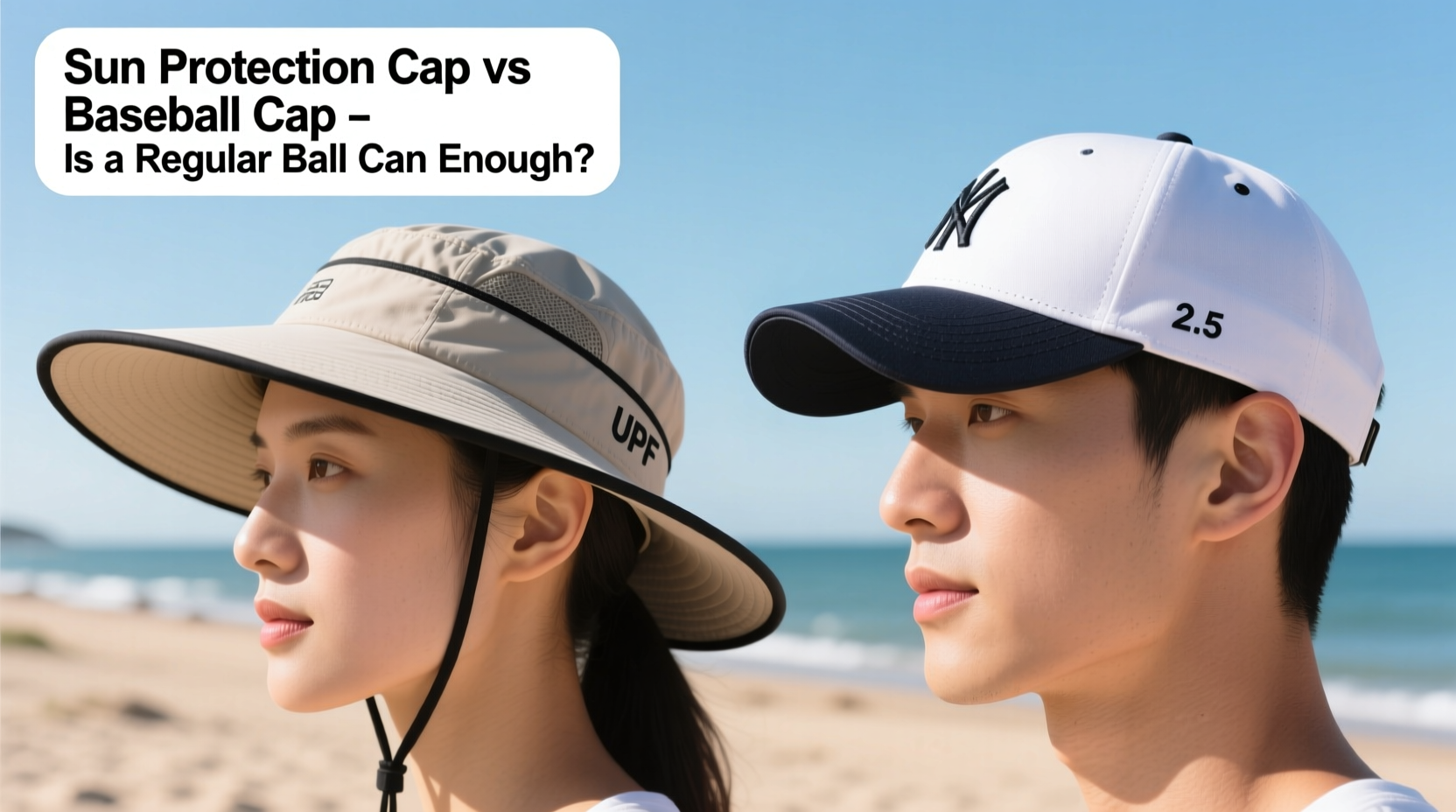
Sun damage accumulates over time. According to the Skin Cancer Foundation, up to 80% of a person's lifetime UV exposure occurs before age 18, and daily incidental exposure contributes significantly to premature aging and skin cancer risk. The face, ears, and neck are among the most commonly affected areas—especially in people who wear standard baseball caps regularly.
Baseball caps cover the forehead and top of the scalp but leave the ears, sides of the face, and back of the neck exposed. This partial coverage creates a false sense of security. In contrast, sun protection caps are designed with extended brims, UV-blocking fabrics, and sometimes even built-in neck flaps to provide comprehensive defense.
“Many patients come in with skin cancers on the ears and neck—areas that aren’t protected by traditional baseball caps. A wider, more thoughtful design makes a real difference.” — Dr. Rebecca Tan, Dermatologist and UV Safety Advocate
Design & Coverage: Key Differences
The primary distinction lies in structural design and intended function. Let’s break down how each cap performs across critical areas:
| Feature | Baseball Cap | Sun Protection Cap |
|---|---|---|
| Brims | Front-only, typically 2–3 inches | 360° wide brim (3+ inches), often curved |
| Neck Coverage | None | Frequently includes a detachable or fixed neck flap |
| Ears Covered? | No | Yes, due to side extensions |
| Material | Cotton, polyester, mesh – often non-rated for UV | UPF 50+ tightly woven fabric, moisture-wicking |
| Ventilation | High (mesh panels common) | Moderate to high, depending on model |
| Primary Use | Sports, fashion, casual wear | Outdoor recreation, sun-sensitive individuals |
This comparison shows that while baseball caps excel in breathability and style, they fall short in functional sun defense. Sun protection caps prioritize safety and full-surface shielding, making them ideal for prolonged outdoor activities like beach days, trail running, or gardening under midday sun.
UPF Ratings: Why Fabric Matters
One of the most overlooked aspects is fabric composition. Unlike SPF, which measures sunscreen effectiveness, UPF (Ultraviolet Protection Factor) rates how well textiles block UV radiation. A UPF 50 fabric blocks 98% of UV rays—meaning only 1/50th reaches your skin.
Most baseball caps use cotton or thin polyester blends with no standardized UPF rating. These materials may stretch when wet, reducing protection further. On the other hand, sun protection caps are engineered with tightly woven synthetic fibers such as nylon, polyester, or specialized sun-weave textiles rated at UPF 30 or higher—often UPF 50+, the highest available.
Tip: Look for a permanent label indicating UPF 50+. If it’s not listed, assume the cap offers minimal UV filtering, especially if made from breathable mesh or cotton.A Real-World Example: Hiking Under the Summer Sun
Consider Sarah, an avid weekend hiker in Arizona. She always wore her favorite baseball cap during trails, believing it was sufficient. After six months of frequent hikes, she developed a persistent red patch behind her left ear. Her dermatologist diagnosed actinic keratosis—a precancerous lesion caused by chronic sun exposure.
Upon review, it became clear: while her cap shaded her forehead, her ears and neck received direct sunlight all day. Switching to a wide-brimmed sun hat with a neck flap reduced her exposure dramatically. Follow-up exams showed no new lesions over the next year.
Sarah’s case illustrates how small gaps in protection can lead to significant consequences over time—especially in high-sun regions or during peak UV hours (10 a.m.–4 p.m.).
When a Baseball Cap Might Be Enough
It’s not necessary to discard every baseball cap. There are scenarios where one can still be practical and safe:
- Short-duration exposure: Walking the dog, grabbing coffee, quick errands.
- Shaded environments: Sitting under a canopy, walking through tree-lined paths.
- Supplemental protection: Paired with broad-spectrum SPF 30+ sunscreen on ears and neck.
- Indoor-outdoor transitions: When moving in and out of buildings frequently.
In these cases, a baseball cap serves more as a convenience item than a primary defense. But relying on it alone during extended outdoor activity increases risk.
Choosing the Right Cap: A Practical Checklist
Next time you’re shopping for sun-safe headwear, ask yourself the following:
- Will I be outside for more than 30 minutes?
- Is it between 10 a.m. and 4 p.m.? (peak UV intensity)
- Do I have fair skin, a history of sunburns, or skin cancer concerns?
- Am I near reflective surfaces (water, sand, snow)?
- Will my ears and neck be exposed?
If you answered “yes” to two or more, opt for a sun protection cap. Prioritize models with:
- At least a 3-inch brim around the entire perimeter
- UPF 50+ certification
- Adjustable fit and ventilation
- Detachable neck flap for versatility
FAQ: Common Questions About Sun Caps vs Ball Caps
Can I improve my baseball cap’s sun protection?
Yes, but only partially. Apply SPF 30+ sunscreen to your ears, neck, and cheeks. Consider wearing UV-blocking sunglasses and seeking shade when possible. However, no amount of sunscreen replaces physical coverage.
Are sun protection caps bulky or unattractive?
Not anymore. Modern designs mimic athletic styles with sleek silhouettes, lightweight materials, and neutral colors. Many fold or pack easily, making them travel-friendly without sacrificing fashion.
Do I need a sun cap if I already use sunscreen?
Yes. Sunscreen wears off, requires reapplication, and is often under-applied. Physical barriers like sun hats provide consistent, maintenance-free protection—especially on sensitive areas like the scalp and ears.
Final Thoughts: Safety Over Style When It Counts
A baseball cap is convenient and familiar, but convenience shouldn't come at the cost of skin health. For brief outings or casual use, it may suffice—especially when combined with sunscreen. But for any meaningful time spent in the sun, a dedicated sun protection cap offers superior coverage, tested materials, and peace of mind.
Skin cancer is one of the most preventable forms of cancer, yet millions continue to underestimate everyday UV exposure. Choosing the right headwear is a simple, effective step toward long-term prevention. Whether you're gardening, fishing, or exploring nature, give your body the shield it deserves.
💬 What’s your go-to sun protection strategy? Share your experiences with hats, sunscreen, or gear that works for you—and help others stay safer in the sun.








