
When the temperature rises and outdoor activity increases, many people start reevaluating their footwear. Suddenly, that trusty pair of all-season athletic shoes doesn’t feel quite right—too hot, too heavy, or just not breathable enough. But is switching to summer-specific sports shoes actually necessary? Or can a good pair of all-season trainers handle everything from spring hikes to sweaty summer runs? The answer depends on more than just preference—it comes down to design, materials, climate, and how you use them.
Footwear plays a critical role in athletic performance, injury prevention, and long-term foot health. Wearing the wrong shoe for the conditions can lead to discomfort, blisters, overheating, or even strain. Understanding the functional differences between summer sports shoes and all-season models helps you make smarter choices—especially if you're active year-round.
Key Differences in Design and Materials
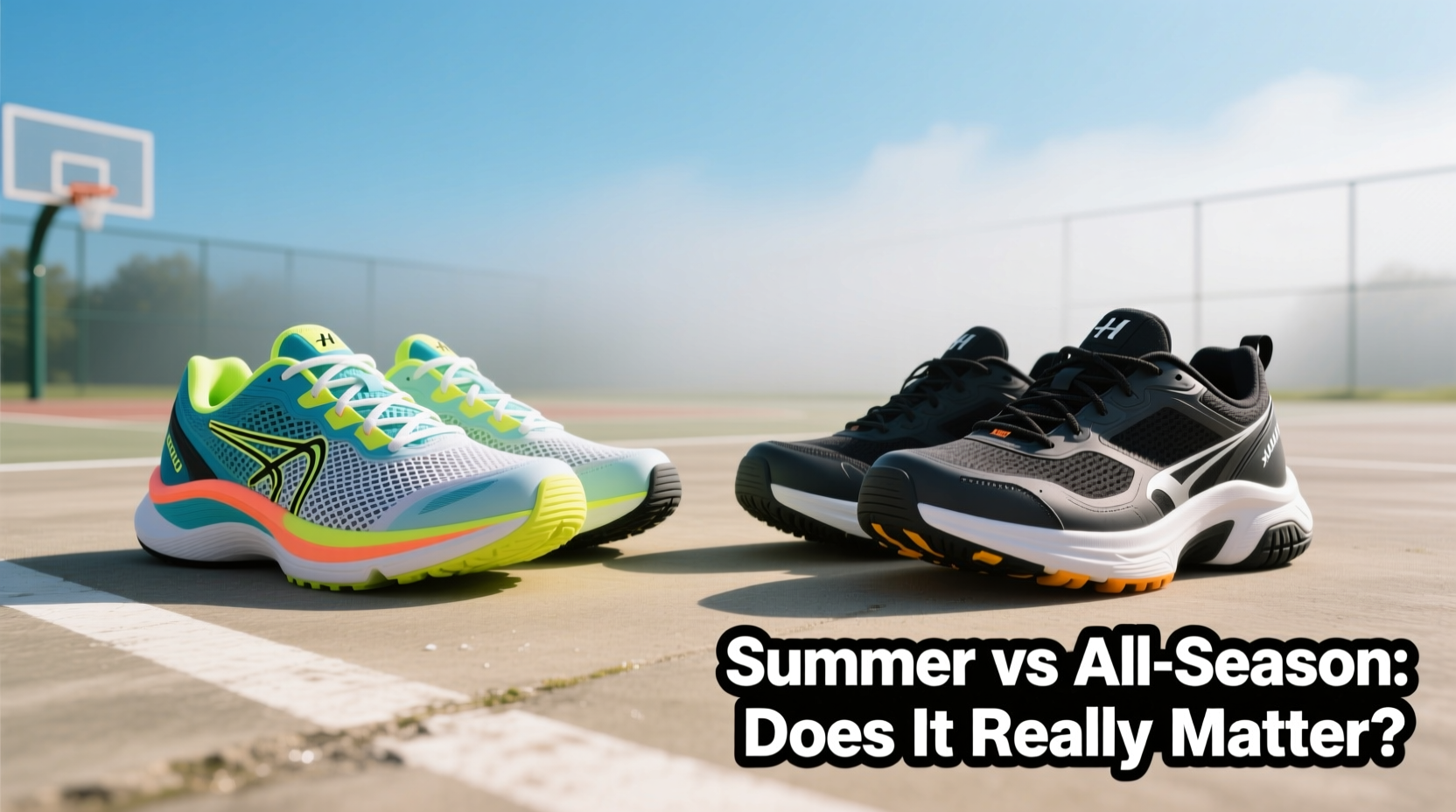
The most noticeable distinction between summer sports shoes and all-season athletic shoes lies in their construction. Summer-specific footwear prioritizes breathability, lightweight support, and quick-drying capabilities. These shoes often feature:
- Mesh or knit uppers with large ventilation zones
- Minimal lining or no lining at all
- Lightweight midsoles designed for agility, not insulation
- Drainage ports (in trail or water-friendly models)
- Anti-microbial treatments to resist odor in humid conditions
In contrast, all-season athletic shoes are engineered for versatility. They balance cushioning, durability, and moderate breathability while offering slightly more structure and protection. These shoes typically include:
- Denser synthetic or leather overlays for stability
- Moderate cushioning suitable for varied temperatures
- Reinforced heel counters and arch support
- Water-resistant coatings (not fully waterproof, but splash-resistant)
- Balanced outsole treads for both wet and dry surfaces
Performance in Heat: Why Breathability Matters
During summer months, your feet sweat significantly more. In fact, each foot can produce up to half a cup of sweat per day in hot conditions. Without proper airflow, moisture accumulates inside the shoe, creating a breeding ground for bacteria and increasing friction—leading to blisters and fungal infections.
Summer sports shoes address this with advanced ventilation systems. Many use engineered mesh that adapts to foot movement, allowing heat to escape while keeping debris out. Some even incorporate cooling gel linings or moisture-wicking fabrics similar to performance apparel.
All-season shoes, while comfortable in mild weather, often trap heat due to denser materials. This becomes especially apparent during prolonged activity. A runner logging 5 miles in 90°F (32°C) weather will likely experience overheating and discomfort in non-breathable footwear, regardless of brand reputation.
“Thermal regulation in athletic footwear isn't just about comfort—it's a factor in endurance and injury risk. Overheated feet fatigue faster and alter gait patterns.” — Dr. Lena Torres, Sports Podiatrist
Comparative Breakdown: Summer vs All-Season Shoes
| Feature | Summer Sports Shoes | All-Season Athletic Shoes |
|---|---|---|
| Breathability | High – open mesh, perforated panels | Moderate – limited ventilation zones |
| Weight | Light – optimized for speed and agility | Medium – added structure and padding |
| Water Resistance | Low to none – may dry quickly if wet | Moderate – treated uppers resist light rain |
| Durability | Lower – lighter materials wear faster | Higher – reinforced stitching and overlays |
| Temperature Range | Ideal above 65°F (18°C) | Suitable from 40°F–85°F (4°C–29°C) |
| Best For | Running, walking, gym workouts in heat | Versatile use across seasons |
Real-World Example: A Runner’s Dilemma
Consider Mark, a recreational runner in Atlanta who logs 15–20 miles weekly. He used the same all-season trainers year-round until last summer, when he began experiencing persistent foot fatigue and recurring blisters during his midday runs. After consulting a local running specialist, he switched to a ventilated summer model with seamless knit uppers and moisture-wicking insoles.
The change was immediate. His average pace improved slightly, but more importantly, he reported less foot swelling and zero blisters over a six-week period. While the summer shoes weren’t as durable on rough trails, they excelled in urban runs under hot, humid conditions. Come fall, Mark plans to rotate back to his sturdier all-season pair—now using each shoe type according to seasonal demands.
This kind of strategic rotation is increasingly common among fitness enthusiasts who recognize that specialization enhances both comfort and longevity of footwear.
When One Pair Might Be Enough
For casual users—those walking a few miles weekly or doing light gym sessions—an all-season athletic shoe may suffice throughout the year, especially in temperate climates. Modern designs have improved dramatically, with many brands integrating climate-responsive materials that manage heat better than older models.
However, if you're engaging in intense physical activity during summer—especially outdoors—specialized summer footwear offers tangible benefits. The reduction in internal temperature alone can improve performance and reduce recovery time.
Step-by-Step Guide: Choosing the Right Shoe for Your Season
- Evaluate your activity level: Are you training seriously, or staying casually active?
- Assess your local climate: Do summers exceed 80°F (27°C) regularly? Is humidity high?
- Check your current shoes: Are they retaining heat or showing signs of moisture damage?
- Determine frequency of use: Will you be active multiple times per week in summer?
- Decide on investment: Consider rotating two pairs—one seasonal, one general—if budget allows.
Frequently Asked Questions
Can I wear all-season shoes in the summer?
Yes, but with caveats. If your activity level is low and temperatures aren’t extreme, all-season shoes can work. However, expect reduced breathability and potential discomfort during prolonged use. For optimal comfort and foot health, consider upgrading to a summer-specific model if you’re active in hot weather.
Are summer sports shoes worth the extra cost?
If you value performance, comfort, and foot hygiene, yes. Think of it like seasonal clothing: just as you wouldn’t wear a winter jacket in July, specialized footwear improves your experience. Plus, rotating shoes extends the lifespan of both pairs by reducing wear during suboptimal conditions.
Do summer shoes last as long as all-season ones?
Generally, no. Due to lighter materials and thinner uppers, summer sports shoes tend to show wear faster—especially along high-friction areas like the toe box. However, their lifespan aligns well with seasonal use. With proper care, they can last one full summer season or longer if rotated responsibly.
Final Thoughts: It Does Matter—But Context Is Key
The question isn’t whether summer sports shoes *matter*—they do—but rather whether they matter *to you*. For weekend walkers in mild climates, an all-season athletic shoe remains a practical, economical choice. But for anyone pushing their limits in warm environments, investing in purpose-built summer footwear pays off in comfort, efficiency, and foot health.
The best approach may be a hybrid strategy: maintain a reliable all-season pair for transitional months and everyday wear, and add a dedicated summer model when temperatures climb. This rotation protects your investment, keeps your feet cooler, and supports better biomechanics across changing conditions.
💬 Have you noticed a difference switching between shoe types? Share your experience below and help others decide what works best for their lifestyle.








