The bodycon dress has long been a staple in modern wardrobes—praised for its ability to accentuate curves, create sleek silhouettes, and transition seamlessly from day to night. But not all bodycon dresses are created equal. One of the most overlooked yet critical distinctions lies in the fabric: stretch versus non-stretch. While both styles hug the body, the presence or absence of elasticity can dramatically alter how the dress fits, feels, and flatters your unique shape.
Understanding this difference isn’t just about comfort—it’s about making informed choices that enhance your confidence and ensure you’re wearing what truly works for your body type, lifestyle, and occasion.
The Anatomy of a Bodycon Dress
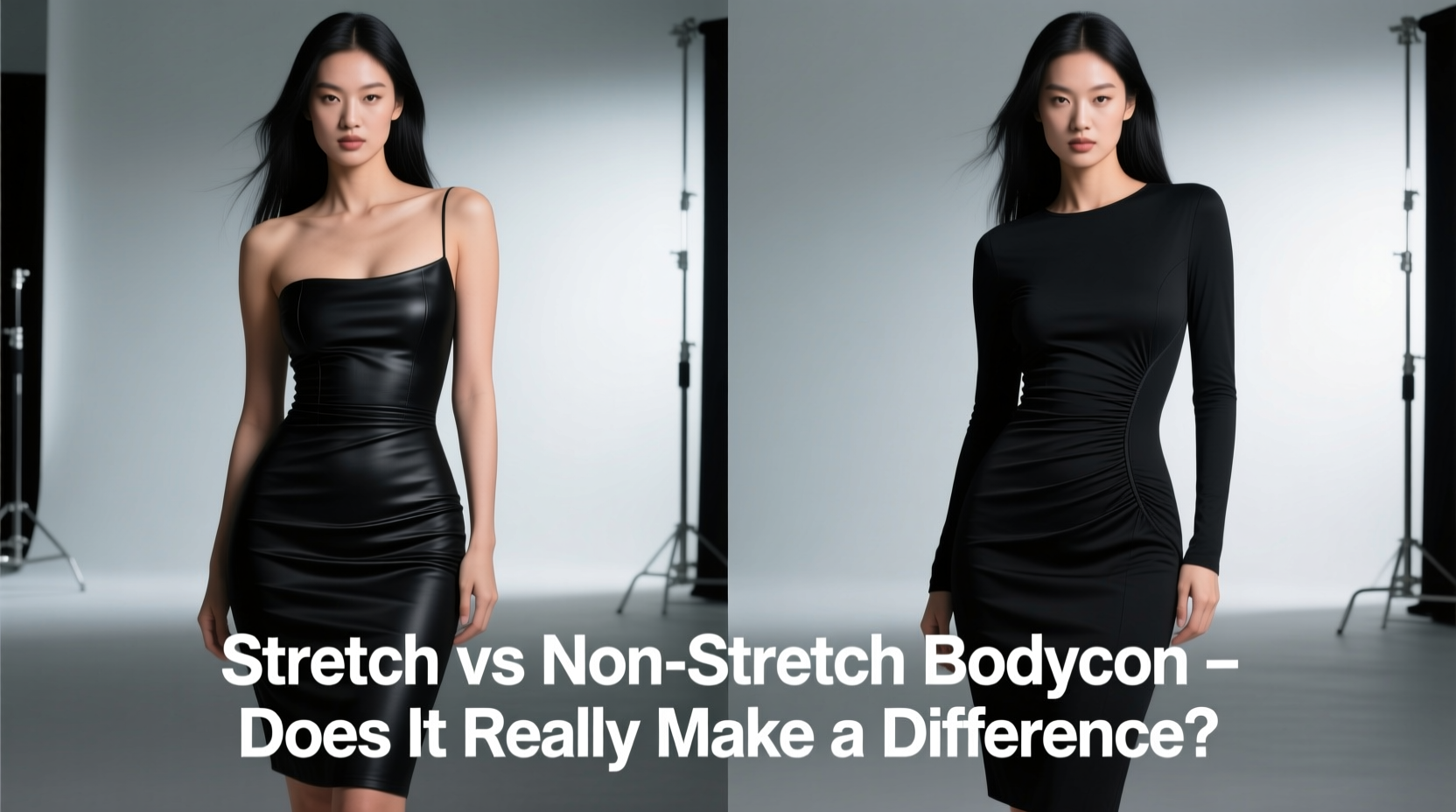
Bodycon, short for “body-conscious,” is designed to follow the natural contours of the body. Typically made with close-fitting cuts, these dresses emphasize the bust, waist, hips, and thighs. The key to their signature look lies in the structure and fabric composition.
Stretch bodycon dresses usually contain synthetic fibers like spandex (also known as elastane), typically ranging from 5% to 20%. This small percentage allows the fabric to expand and contract with movement. Non-stretch versions, on the other hand, rely on tightly woven cotton, polyester blends, or structured knits without added elastic fibers. These require precise tailoring to achieve a snug fit.
The choice between them affects more than just flexibility—it influences breathability, durability, shaping effect, and even posture support.
How Stretch Impacts Fit and Figure Flattery
Fabric elasticity plays a pivotal role in how a dress interacts with your body. A stretch bodycon adapts to your movements, conforming dynamically throughout the day. It accommodates subtle shifts in posture, breathing, and activity—making it ideal for events where you’ll be sitting, standing, or dancing.
In contrast, a non-stretch bodycon offers a more sculpted, tailored appearance. Because it doesn’t give, it maintains a consistent shape once zipped or pulled on. This can be flattering for those who prefer defined lines and minimal cling distortion. However, if sizing is off by even half an inch, discomfort or visible pulling can occur.
For individuals with hourglass or pear-shaped figures, stretch fabrics often provide a smoother finish, gently hugging curves without digging in. Those with straighter or athletic builds may find non-stretch versions offer more definition, creating the illusion of curves through structured seams and darts.
Tip: If you're between sizes, opt for a stretch bodycon—it's more forgiving and adaptable than non-stretch alternatives.Comparative Breakdown: Stretch vs Non-Stretch Bodycon Dresses
| Feature | Stretch Bodycon | Non-Stretch Bodycon |
|---|---|---|
| Fabric Composition | Contains spandex/elastane (5–20%) | No elastic fibers; tightly woven |
| Fit Flexibility | Adaptable, moves with body | Rigid, requires exact sizing |
| Comfort Level | High—allows freedom of movement | Moderate—can restrict motion |
| Figure Flattery | Smooths and hugs natural curves | Creates sharp, defined silhouette |
| Durability | May lose elasticity over time | Holds shape longer if well-made |
| Best For | Casual wear, parties, active events | Formal occasions, photo shoots |
Real-World Example: Two Women, Two Choices
Sophia, 34, with an apple-shaped figure, attended a cocktail party in a black non-stretch bodycon. Despite fitting into her usual size, she felt restricted when sitting and noticed visible tension lines across her midsection. By the end of the evening, she was adjusting the dress repeatedly.
Her friend Lena, also 34 but with a curvier frame, wore a similar style—but with 15% spandex. She moved freely, danced comfortably, and received compliments on how “effortlessly” the dress fit. The fabric followed her shape without constriction.
This simple contrast highlights how fabric choice—not just cut or color—can define the entire experience of wearing a bodycon dress.
“Many women blame themselves when a bodycon feels tight or unflattering, but the real issue is often the lack of stretch in a fabric that should move with the body.” — Miranda Lin, Fashion Stylist & Fit Consultant
Choosing Based on Body Type and Occasion
Your body shape should guide your decision, but so should the event. Here’s how to match the right fabric to your needs:
- Hourglass figures: Both stretch and non-stretch work, but stretch enhances natural curves without pressure.
- Pear shapes: Stretch fabrics smooth the hip-to-thigh transition and prevent banding at the upper thigh.
- Apple shapes: Moderate stretch provides gentle compression without cutting into soft tissue.
- Rectangular/straight builds: Non-stretch versions with seaming can add dimension; stretch adds softness but less definition.
- Tall frames: Either works, but non-stretch maintains vertical line integrity.
- Shorter torsos: Stretch helps avoid riding up or bunching at the waist.
Occasion matters too. For weddings or formal dinners, a well-tailored non-stretch bodycon in luxe fabric (like crepe or ponte) projects elegance. For brunch, clubbing, or travel, stretch reigns supreme for comfort and practicality.
Actionable Checklist: Selecting Your Ideal Bodycon
Before purchasing or styling a bodycon dress, ask yourself the following:
- Will I be sitting or moving frequently? → Choose stretch.
- Do I need extra smoothing around the waist or hips? → Opt for moderate-stretch knit.
- Is this a one-time event or a wardrobe staple? → Non-stretch for special moments; stretch for repeat wear.
- Am I between sizes? → Go with stretch for better adaptability.
- Does the fabric feel stiff or binding when I try it on? → Likely non-stretch—check mobility.
- Will I wear shapewear underneath? → Stretch reduces the need; non-stretch may require it.
Common Misconceptions Debunked
Some believe non-stretch bodycons are inherently more “luxurious” or “structured.” While high-end designs often use rigid materials for dramatic effect, this doesn’t mean they’re universally superior. In fact, premium stretch fabrics like Italian ponte roma or four-way jersey offer both structure and comfort.
Another myth: stretch garments sag or bag over time. While lower-quality spandex blends may degrade after repeated washing, high-quality stretch bodycons maintain their shape for years if cared for properly—hand wash, lay flat to dry, avoid heat exposure.
Tip: Always check the care label. Fabrics with higher elastane content benefit from gentle handling to preserve elasticity.Frequently Asked Questions
Can I wear a non-stretch bodycon if I have a larger bust?
Yes, but only if the dress is properly sized and includes supportive elements like lining, boning, or strategic darting. Without stretch, tightness across the chest can cause discomfort or gapping at the back zipper.
Do stretch bodycons make you look bigger?
Not necessarily. Well-fitted stretch fabrics contour rather than compress. Poorly fitted ones—too loose or overly tight—can create bulges. Stick to medium-weight knits with recovery (fabric that snaps back).
Are non-stretch bodycons harder to get into?
Often, yes. Many require zippers and careful maneuvering. Some come with side or back zippers instead of invisible ones to aid entry. Consider using a dressing hook or asking for help when trying them on.
Final Thoughts: Fit Is Personal, Not Universal
The debate between stretch and non-stretch bodycon dresses isn’t about which is better overall—it’s about which serves you best. Your body changes throughout the day, and your clothing should accommodate that reality without sacrificing style.
While non-stretch options deliver precision and polish, stretch versions offer inclusivity, ease, and resilience. The smartest wardrobe includes both, chosen intentionally based on occasion, comfort needs, and personal preference.
💬 Have a favorite bodycon that flatters your shape perfectly? Share your go-to style, fabric, or brand in the comments—your insight could help someone else find their ideal fit!








