The world of sportswear has undergone a radical transformation over the past decade. What was once defined by function—moisture-wicking fabrics, stretch panels, and performance-driven design—has now become a canvas for self-expression, urban identity, and streetwear dominance. The classic tracksuit, long the staple of athletes and weekend loungers alike, now faces competition from sleek, tailored street fashion sports suits that blur the line between gym gear and runway fashion. So, is the old-school tracksuit truly dead?
Not quite—but it’s certainly been dethroned in many circles. Today’s consumer isn’t just looking for warmth or comfort; they want versatility, aesthetics, and cultural relevance. The rise of brands like Ader Error, Nike x Undercover, and even luxury reinterpretations from Gucci and Balenciaga shows that sportswear is no longer confined to the locker room. It’s a lifestyle statement.
The Evolution of the Tracksuit: From Function to Fashion
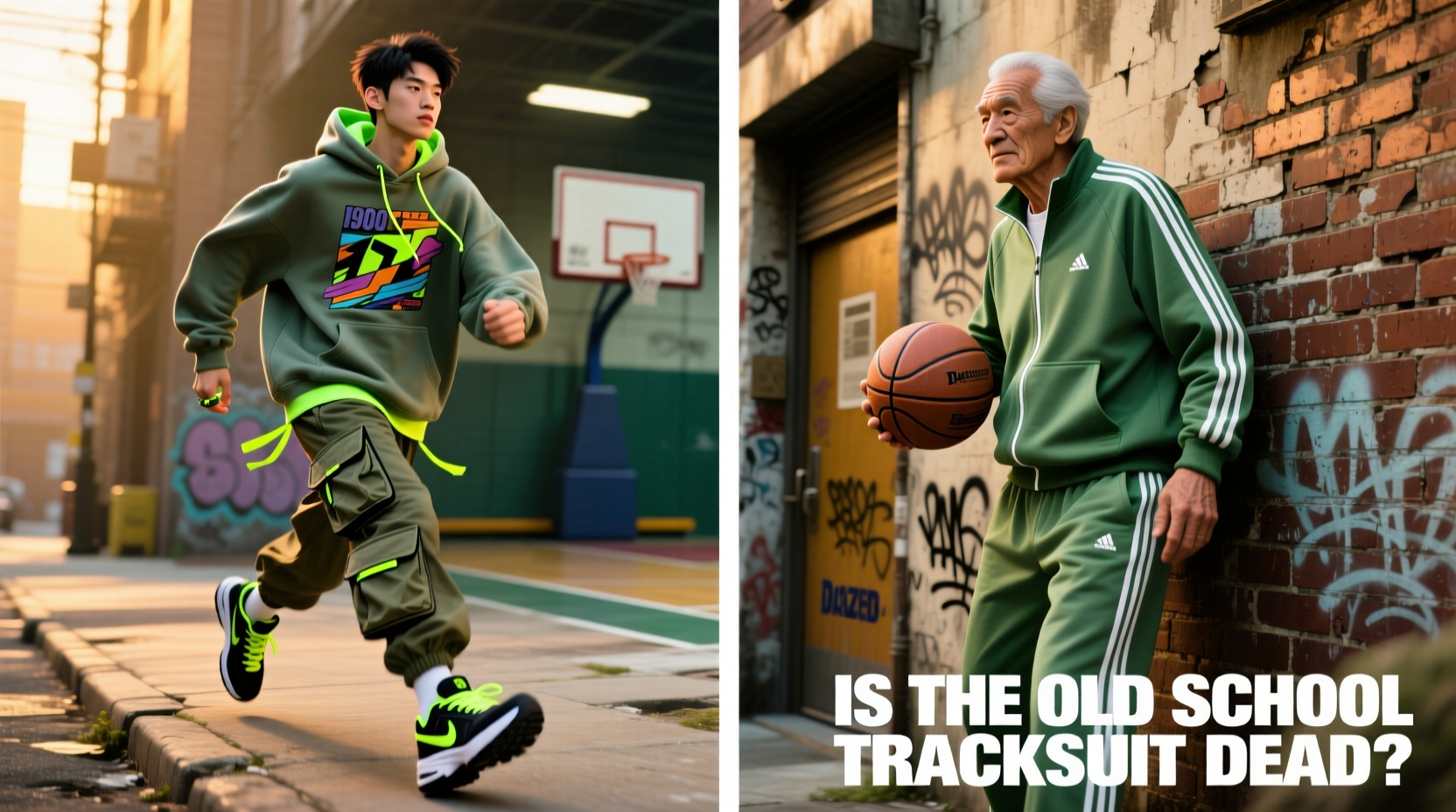
The traditional tracksuit emerged in the mid-20th century as functional athletic wear. Designed for pre- and post-workout use, its loose fit, cotton-blend fabric, and elasticated cuffs offered ease of movement and temperature regulation. By the 1980s and '90s, it had become a symbol of casual urban life—worn by breakdancers, football fans, and hip-hop artists alike.
However, its utilitarian roots began to show as fashion evolved. The baggy silhouette, while comfortable, lacked structure. As consumers started prioritizing minimalist silhouettes and premium materials, the classic tracksuit struggled to keep pace. Enter the street fashion sports suit: a hybrid garment that retains athletic functionality but elevates it with modern tailoring, bold graphics, and high-end finishes.
Tip: When choosing between styles, consider not just comfort but context—where and how you’ll wear the suit most often.Street Fashion Sports Suits: Redefining Activewear
Street fashion sports suits represent a fusion of sportswear practicality and avant-garde design. Unlike their predecessors, these suits are often constructed with technical fabrics like brushed polyester, recycled nylon, or engineered knits that offer breathability, durability, and wrinkle resistance. Cuts are more precise—slim-fit legs, tapered ankles, structured shoulders—and details such as contrast stitching, asymmetrical zippers, and branded tape trims turn them into wearable art.
Brands like Palace, Stüssy, and Awake NY have led this shift, collaborating with sportswear giants to create limited-edition pieces that sell out within minutes. These suits aren’t just for exercise—they’re worn to concerts, on city streets, and even at fashion events. They signal belonging to a subculture that values authenticity, creativity, and individuality.
“Today’s sportswear isn’t about performance alone—it’s about presence. How you move through space, how you’re seen—that’s what matters.” — Marcus Lee, Urban Fashion Curator & Former Nike Design Consultant
Traditional Sportswear vs. Street Fashion: A Comparative Breakdown
| Feature | Traditional Sportswear (Tracksuit) | Street Fashion Sports Suit |
|---|---|---|
| Fabric | Cotton-polyester blend, fleece lining | Technical synthetics, moisture-wicking, recycled fibers |
| Silhouette | Loose, relaxed, boxy | Slim, tailored, articulated joints |
| Design Focus | Functionality, warmth, affordability | Aesthetics, exclusivity, brand storytelling |
| Wearing Context | Gym, home, casual errands | Streetwear scenes, fashion events, social media |
| Price Range | $30–$80 | $150–$500+ |
| Brand Examples | Fruit of the Loom, Champion (basic lines), Adidas Essentials | Patta, Nike ACG, Maison Kitsuné, Rhude |
Is the Old-School Tracksuit Dead?
While the traditional tracksuit may no longer dominate fashion headlines, it remains far from extinct. In fact, there’s been a quiet resurgence of vintage-style tracksuits—particularly among consumers who value nostalgia, comfort, and timeless simplicity. Champion’s reverse-weave collection, for instance, continues to sell globally, embraced both by older demographics and younger buyers seeking “quiet luxury” athleisure.
Moreover, in regions where extreme weather demands heavy insulation, the bulky, fleece-lined tracksuit still outperforms slimmer streetwear alternatives. It also maintains cultural significance in communities where it symbolizes resilience, working-class pride, or local identity—such as in UK football culture or Eastern European urban centers.
The real issue isn’t obsolescence—it’s relevance. The classic tracksuit hasn’t died; it’s been marginalized by a market increasingly driven by image, exclusivity, and digital visibility. For everyday wear, especially outside major cities, it remains a practical, accessible choice.
Mini Case Study: Berlin’s Hybrid Athleisure Scene
In Berlin, a growing number of creatives are blending old-school and new-wave sportswear. Take Lena Müller, a freelance graphic designer and part-time DJ. Her wardrobe includes a vintage Adidas trefoil tracksuit from the '90s—worn for late-night studio sessions—and a limited-edition black-on-black Acronym-inspired two-piece for club appearances.
“I don’t see them as opposites,” she says. “The old one keeps me warm and grounded. The new one makes me feel sharp, intentional. I choose based on mood, not trend.”
This hybrid approach reflects a broader shift: consumers aren’t rejecting tradition—they’re curating it. The tracksuit survives not because it’s trendy, but because it’s useful.
How to Choose the Right Style for You: A Practical Checklist
- Evaluate your lifestyle: Do you need mobility, warmth, or visual impact?
- Assess your climate: Technical suits may lack insulation in colder regions.
- Consider cost vs. longevity: Premium streetwear suits are expensive but often built to last.
- Think about versatility: Can you wear it beyond workouts—on dates, to work, or social events?
- Check fabric care requirements: High-performance materials may need special washing.
- Align with your personal brand: Are you aiming for understated comfort or bold expression?
Future Outlook: Where Sportswear Is Headed
The future of sportswear lies in convergence. We’re seeing increased integration of smart textiles—fabrics that regulate temperature, monitor biometrics, or change color based on environment. Sustainability is another driving force: brands are investing in biodegradable yarns, modular designs, and repair programs to extend garment life.
At the same time, inclusivity is reshaping design. Gender-neutral fits, adaptive clothing for people with disabilities, and extended sizing ranges are becoming standard expectations—not niche features.
In this evolving landscape, neither the traditional tracksuit nor the street fashion suit will disappear. Instead, they’ll coexist in a spectrum of choices. The key for consumers is discernment: understanding what each style offers and selecting based on need, not hype.
FAQ
Can I wear a street fashion sports suit to the gym?
Yes, many are designed with performance in mind. However, check fabric specs—some prioritize aesthetics over sweat management. For intense workouts, dedicated athletic gear may still be superior.
Are vintage tracksuits coming back in style?
They never fully left. Retro tracksuits from the '80s and '90s have seen renewed interest, especially those with iconic branding like Sergio Tacchini, Fila, or Diadora. Thrift stores and resale platforms report rising demand.
Why are street fashion suits so expensive?
Prices reflect limited production runs, premium materials, collaborative branding, and strong cultural cachet. Like sneakers, they’re often treated as collectible items rather than mere clothing.
Conclusion: The Tracksuit Isn’t Dead—It’s Evolving
The narrative that the old-school tracksuit is dead oversimplifies a complex cultural shift. What we’re witnessing isn’t extinction, but adaptation. The tracksuit has fragmented into multiple identities: the nostalgic throwback, the utilitarian workhorse, the high-fashion statement. Each serves a purpose.
Whether you reach for a $40 cotton set or a $400 designer reinterpretation, your choice reflects more than comfort—it reflects values, environment, and self-perception. The future of sportswear isn’t about replacing the past, but expanding the possibilities.
🚀 Ready to rethink your activewear? Audit your current collection. Keep what serves you, upgrade what doesn’t, and embrace style that moves with your life—not just your workout.








