For pet owners, managing household messes goes beyond spills and stains—pet hair is a constant challenge. It clings to furniture, carpets, baseboards, and hard floors, requiring tools that do more than just sanitize. Steam mops and steam cleaners are both popular choices for deep-cleaning without chemicals, but when it comes to tackling the relentless spread of pet hair, they serve very different roles. Understanding their strengths and limitations can help you choose the right tool—or combination of tools—for a truly clean home.
Understanding the Core Differences
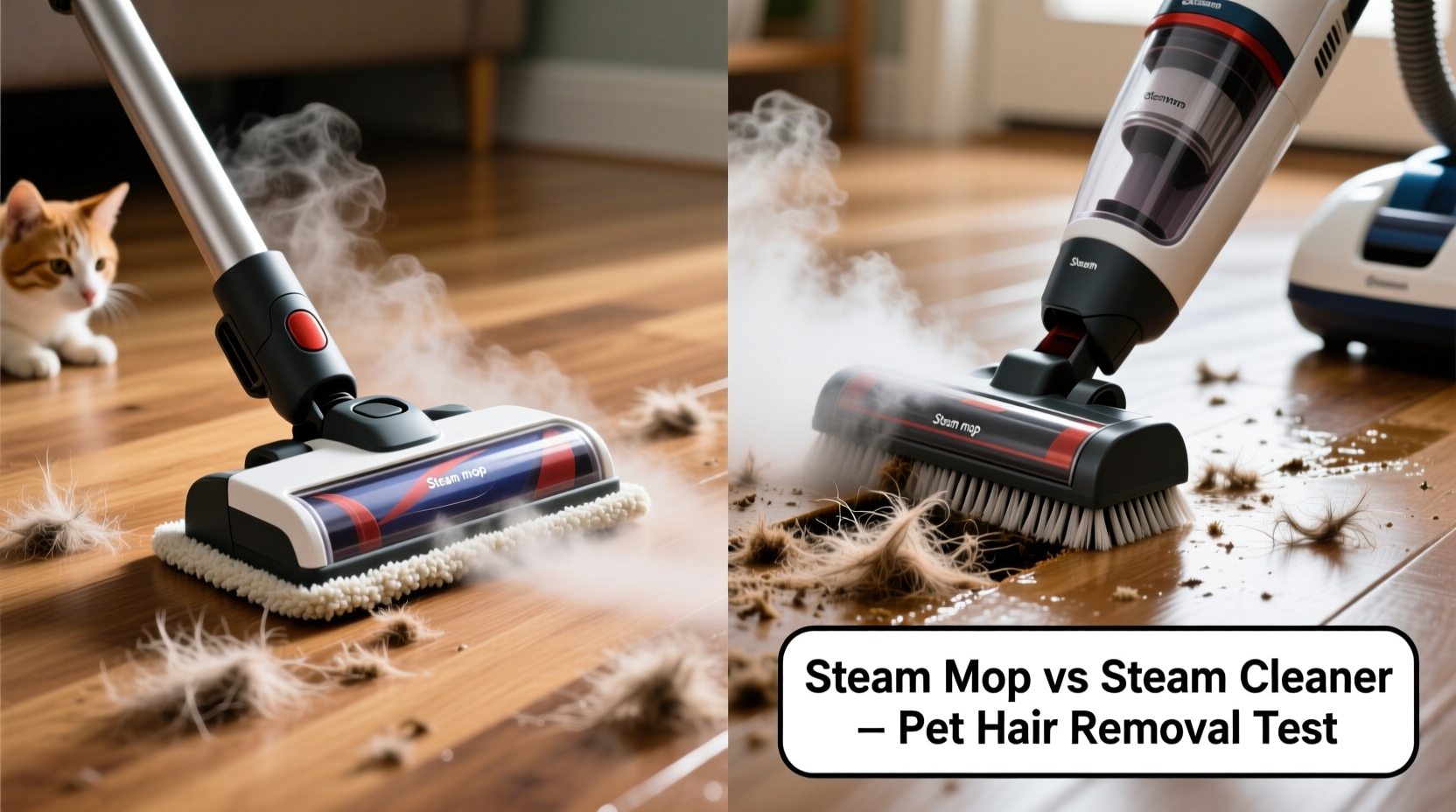
A steam mop and a steam cleaner may sound interchangeable, but they are designed for distinct purposes. A steam mop is built primarily for sealed hard flooring surfaces like tile, vinyl, laminate, and hardwood. It uses a flat pad or microfiber head that glides across the floor, applying steam to loosen dirt and kill bacteria while simultaneously wiping the surface.
In contrast, a steam cleaner is a multi-purpose appliance. It typically includes a handheld unit with various attachments—nozzles, brushes, crevice tools, and fabric steamer heads—allowing it to clean grout, upholstery, windows, kitchen appliances, and even mattresses. While some steam cleaners come with a floor gliding attachment, their primary function isn’t limited to floor maintenance.
This distinction becomes critical when dealing with pet hair. Hair doesn't just settle on floors; it accumulates in corners, under furniture, on sofas, and along baseboards. A device that only cleans flat surfaces won’t address the full scope of the problem.
Tip: Always vacuum or sweep pet hair before using any steam-based system—dry removal first prevents clogging and improves steam effectiveness.How Each Tool Handles Pet Hair: A Realistic Breakdown
Pet hair is not just debris—it’s a fibrous material that resists easy removal. When wet or damp, it clumps together and sticks stubbornly to surfaces. Steam alone does not \"suck up\" hair; it loosens bonded particles and sanitizes, but physical removal is still required. This is where functionality diverges between the two devices.
Steam Mop: Limited Reach, Surface-Level Results
Most steam mops rely on absorbent pads to trap dirt during use. While these pads can pick up some loose pet hair, they often struggle with larger clumps. The flat design limits access to tight spaces, edges, and textured areas where hair accumulates. Additionally, once the pad becomes saturated with hair, its cleaning efficiency drops significantly.
Some high-end models feature washable or reusable pads with tighter weaves designed to capture finer particles, including short pet hair. However, even these require frequent pausing to shake out trapped hair or replace the pad mid-clean—a time-consuming process in homes with multiple shedding pets.
Steam Cleaner: Precision and Versatility Win
A dedicated steam cleaner excels in environments where pet hair hides in hard-to-reach places. With a crevice tool, you can direct steam into gaps between cabinets and baseboards, loosening embedded hair and dander. Using an upholstery brush, you can refresh pet beds, sofas, and car seats—common reservoirs of fur and allergens.
The key advantage lies in targeted application. You control exactly where the steam goes and follow up with a lint roller, vacuum, or microfiber cloth to remove the dislodged hair. Unlike a steam mop, which moves uniformly across a floor, a steam cleaner lets you linger on trouble spots until the debris releases.
“Steam cleaners give pet owners surgical precision. You’re not just cleaning—you’re decontaminating hotspots where allergens and odors accumulate.” — Dr. Lena Patel, Indoor Air Quality Specialist
Performance Comparison: Key Factors Evaluated
| Feature | Steam Mop | Steam Cleaner |
|---|---|---|
| Floor Cleaning Efficiency | Excellent on smooth floors | Good (with floor glider) |
| Pet Hair Removal Capability | Limited to surface-level pickup | High (when paired with accessories) |
| Reach & Accessibility | Poor (edges, corners, under furniture) | Excellent (flexible hose and nozzles) |
| Multisurface Use | No (floors only) | Yes (upholstery, grout, appliances) |
| Allergen Reduction | Moderate (on floors) | High (whole-room treatment) |
| Time Required per Session | Fast for large open areas | Slower, but more thorough |
| Storage Space | Bulky upright design | Compact, vertical storage |
Step-by-Step Guide: Maximizing Pet Hair Removal with Steam Tools
Whether you own one device or both, following a strategic approach ensures better results. Here’s how to get the most out of your steam equipment when combating pet hair:
- Dry Removal First: Use a rubber broom, lint roller, or vacuum with a pet-hair attachment to remove visible clumps from floors, furniture, and stairs.
- Pre-Treat Problem Zones: On carpets or rugs, lightly mist with water to dampen static-prone hair before vacuuming.
- Use Steam Mop for Final Floor Sanitization: After dry cleanup, go over hard floors with a steam mop to eliminate residual dander, bacteria, and tracked-in contaminants.
- Deploy Steam Cleaner for Detail Work: Focus on baseboards, vents, beneath furniture, and pet bedding. Apply steam in short bursts, then wipe or vacuum immediately.
- Clean Accessories Regularly: Wash microfiber pads, hoses, and brushes weekly to prevent hair buildup and maintain suction or steam flow.
- Finish with Air Filtration: Run a HEPA air purifier after cleaning to capture airborne dander stirred up during the process.
Real-World Example: Managing a Multi-Pet Home
Sarah Thompson lives in a three-bedroom townhouse with two golden retrievers and a cat. Her living room sees heavy traffic, and within days, a visible layer of fur coats her leather sofa, hardwood floor edges, and radiator grates. Initially, she relied solely on a steam mop, believing it would sanitize and “clean everything.” But she noticed persistent odor near the baseboards and her guests frequently complained about sneezing.
After consulting a local cleaning specialist, she invested in a handheld steam cleaner with a turbo nozzle and upholstery tool. She now follows a bi-weekly deep-cleaning routine: she vacuums thoroughly, uses the steam cleaner on pet beds and couch seams, treats baseboard cracks with steam, and finishes with a quick pass of the steam mop on the main floor area. Within a month, allergy symptoms decreased, and her home felt noticeably fresher—even her dogs seemed less itchy.
“I didn’t realize how much was hiding in places my mop couldn’t reach,” Sarah said. “The steam cleaner didn’t just clean—it revealed how much I’d been missing.”
Checklist: Choosing the Right Tool for Your Pet-Friendly Home
- ☐ Assess your primary surfaces: mostly hard floors? Consider starting with a steam mop.
- ☐ Evaluate pet traffic zones: if hair piles up on furniture or stairs, a steam cleaner is essential.
- ☐ Check for allergies: if someone in the home has sensitivities, prioritize a steam cleaner for allergen control.
- ☐ Review storage space: steam cleaners are generally smaller and easier to tuck away.
- ☐ Budget for attachments: look for kits that include crevice tools, fabric brushes, and descaling cartridges.
- ☐ Plan for maintenance: ensure replacement parts like pads, filters, and hoses are readily available.
- ☐ Combine tools if needed: many pet owners benefit from owning both for layered cleaning.
Common Misconceptions About Steam and Pet Hair
One widespread myth is that steam “melts” or dissolves pet hair. It does not. Hair is made of keratin, a protein resistant to heat and moisture under normal household conditions. Steam works by lifting the hair from surfaces by breaking adhesive bonds caused by dust, oils, or static electricity. Once loosened, mechanical action—wiping, vacuuming, or brushing—is required to fully remove it.
Another misconception is that steam eliminates the need for vacuuming. In reality, skipping dry pickup leads to smeared messes and reduced steam penetration. Wet hair spreads easily and can reattach to clean surfaces if not physically removed first.
Finally, some believe all steam devices sanitize equally. While both types kill germs at sufficient temperatures (typically above 212°F/100°C), coverage matters. A steam cleaner’s ability to target confined areas ensures more comprehensive disinfection than a broad-floor mop that skips edges.
FAQ: Steam Mop vs Steam Cleaner for Pet Hair
Can a steam mop pick up pet hair on its own?
No. A steam mop does not have suction. It may trap some loose hair in its cleaning pad, but clumps will remain unless pre-vacuumed. For effective results, always remove hair before steaming.
Is a steam cleaner safe for pet beds and crates?
Yes, most steam cleaners are safe for fabric pet beds, plastic crates, and metal enclosures—as long as surfaces are heat-resistant and allowed to dry completely. Use low-pressure settings on delicate fabrics and avoid electronics or foam padding that retains moisture.
Do I need both a steam mop and a steam cleaner?
It depends on your needs. If you have mostly hard floors and minimal upholstery, a steam mop may suffice. But for homes with shedding pets, combining both tools delivers superior cleanliness—one for broad floor sanitation, the other for targeted fur and allergen removal.
Final Recommendation: Match the Tool to the Task
When it comes to tackling pet hair, the steam cleaner is the more effective solution overall. Its versatility, precision, and ability to treat multiple surfaces make it indispensable in pet-heavy households. While a steam mop plays a valuable role in maintaining spotless, sanitized floors, it cannot replace the detailed work a steam cleaner performs.
The smartest approach is not choosing one over the other, but understanding how they complement each other. Use a vacuum or dry method first to lift bulk hair, then apply steam where sanitation and deep cleaning matter most. This layered strategy keeps your home healthier, reduces allergens, and extends the life of your furnishings.
💬 Ready to take control of pet hair for good? Start by auditing your current cleaning routine—where are you missing spots? Share your experience or ask questions in the comments below and help fellow pet owners build cleaner, more comfortable homes.








