A sore throat is one of the most common health complaints, often dismissed as a minor inconvenience tied to seasonal allergies or a passing cold. But when that scratchy, painful sensation lingers beyond a few days—especially past the one-week mark—it’s time to shift from casual observation to careful evaluation. While many cases resolve on their own, a persistent sore throat can signal underlying infections, chronic conditions, or even more serious issues requiring medical attention.
Understanding the difference between normal recovery and warning signs can prevent complications and ensure timely treatment. This guide explores potential causes, red flags, diagnostic pathways, and practical advice for managing a sore throat that won’t go away.
When a Sore Throat Crosses the Line
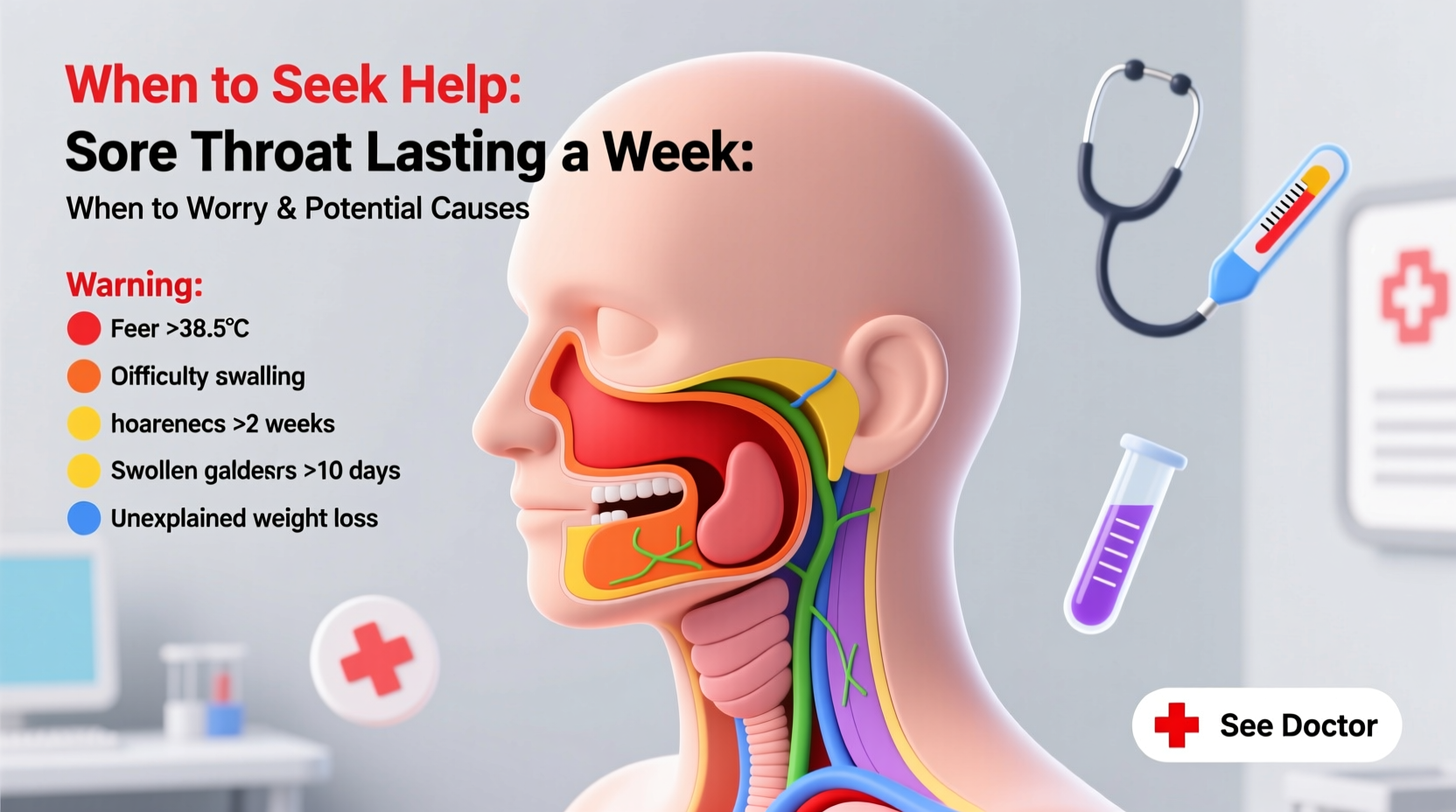
Most viral sore throats—like those caused by the common cold—begin to improve within 3 to 5 days. If your discomfort persists for 7 days or longer without improvement, it’s considered prolonged and warrants closer scrutiny. The absence of worsening symptoms doesn’t always mean everything is fine; some conditions progress subtly.
According to the American Academy of Otolaryngology–Head and Neck Surgery, a sore throat lasting more than 7–10 days should be evaluated by a healthcare provider, especially if accompanied by fever, difficulty swallowing, or swollen lymph nodes.
Tip: Track your symptoms daily—note pain intensity, presence of fever, voice changes, and any new developments. This log helps doctors make faster, more accurate diagnoses.Potential Causes of a Week-Long Sore Throat
A sore throat lasting a week isn’t necessarily due to a virus. Several factors could be responsible, ranging from bacterial infections to environmental irritants and systemic diseases.
Bacterial Infections
Streptococcus pyogenes, commonly known as group A strep, causes strep throat—an infection that typically doesn’t resolve without antibiotics. Symptoms include severe throat pain, white patches on tonsils, fever without cough, and tender neck glands. Unlike viral infections, strep rarely causes runny nose or congestion.
Viral Infections Beyond the Common Cold
Some viruses, such as Epstein-Barr (which causes mononucleosis), adenovirus, or even early HIV infection, can lead to prolonged sore throats. Mono, in particular, often presents with extreme fatigue, swollen tonsils with exudate, and enlarged spleen, and may last several weeks.
Allergies and Postnasal Drip
Chronic nasal allergies can cause mucus to drip down the back of the throat, leading to persistent irritation. This type of sore throat is usually worse in the morning and may be accompanied by sneezing, itchy eyes, or a nagging cough.
Acid Reflux (LPR)
Laryngopharyngeal reflux (silent reflux) occurs when stomach acid reaches the throat, especially at night. It causes a raw, burning sensation, frequent throat clearing, hoarseness, and a feeling of a lump in the throat. Many people don’t experience heartburn, making this condition easy to miss.
Environmental Irritants
Dry air, smoking, vaping, pollution, or chemical fumes can inflame the throat lining over time. Office workers in air-conditioned environments or individuals exposed to construction dust may develop chronic irritation.
Tonsillitis and Peritonsillar Abscess
Recurrent or chronic tonsillitis can cause repeated episodes of sore throat. A peritonsillar abscess—a pus-filled pocket near the tonsil—is a complication of untreated strep or tonsillitis, causing severe unilateral pain, muffled voice (“hot potato voice”), and difficulty opening the mouth.
Less Common but Serious Causes
In rare cases, persistent sore throat may be linked to autoimmune disorders (like lupus or sarcoidosis), thyroid inflammation, or even head and neck cancers. These are more likely in individuals with risk factors such as tobacco use, heavy alcohol consumption, or HPV exposure.
“Any sore throat lasting longer than 10 days, particularly with unexplained weight loss or blood in saliva, should prompt immediate evaluation to rule out malignancy.” — Dr. Lena Patel, Otolaryngologist, Massachusetts Eye and Ear
Red Flags: When to Seek Medical Attention
Knowing when to worry can save time, reduce anxiety, and prevent complications. While waiting a few days for mild symptoms to resolve is reasonable, certain warning signs demand prompt medical consultation.
| Symptom | What It Might Indicate | Action Step |
|---|---|---|
| Fever above 101°F (38.3°C) lasting >48 hours | Bacterial infection (e.g., strep) | See doctor for rapid test or culture |
| Difficulty swallowing or breathing | Severe swelling or abscess | Seek emergency care |
| One-sided throat pain with voice change | Possible peritonsillar abscess | Urgent ENT evaluation |
| Lump in neck that doesn’t go away | Lymphadenopathy from infection or tumor | Medical imaging and biopsy if persistent |
| Hoarseness lasting >2 weeks | Vocal cord lesion or cancer | Laryngoscopy recommended |
| Unexplained weight loss or fatigue | Systemic illness (mono, HIV, cancer) | Comprehensive blood work needed |
Step-by-Step: What to Do If Your Sore Throat Lasts a Week
If you’ve reached the seven-day mark with no improvement, follow this timeline to determine your next steps:
- Day 7 – Self-Assessment: Review your symptoms. Are they improving, stable, or worsening? Check for fever, swollen glands, or voice changes.
- Day 8 – Hydration & Symptom Relief: Increase fluid intake, use saline gargles, humidify your room, and avoid irritants like smoke or strong fragrances.
- Day 9–10 – Medical Consultation: Schedule an appointment with your primary care provider. Be prepared to describe symptom onset, severity, and associated issues.
- Visit Day – Diagnostic Testing: Your doctor may perform a rapid strep test, throat culture, or order blood work (e.g., EBV antibodies for mono). In complex cases, referral to an ENT specialist may occur.
- Follow-Up – Treatment Plan: Based on results, treatment may include antibiotics (for strep), antivirals, acid-reducing medication, or further investigation.
Mini Case Study: Sarah’s Lingering Sore Throat
Sarah, a 34-year-old teacher, developed a sore throat after a school-wide cold outbreak. She assumed it was viral and rested for a week, using lozenges and tea. By day eight, her pain hadn’t improved—she noticed a fever of 101.5°F and difficulty swallowing pills.
She visited her clinic, where a rapid strep test came back positive. She was prescribed amoxicillin and felt relief within 48 hours. Her case highlights how easily strep can mimic a lingering cold—and why testing matters even if symptoms seem mild at first.
Prevention and Daily Care Checklist
While not all causes of sore throat are preventable, these habits reduce risk and support faster recovery:
- Wash hands frequently, especially during cold and flu season
- Avoid sharing drinks, utensils, or toothbrushes
- Use a humidifier in dry environments, particularly at night
- Elevate your head while sleeping if prone to reflux
- Quit smoking and avoid secondhand smoke
- Stay hydrated to keep mucous membranes moist
- Limit alcohol-based mouthwashes, which can dry and irritate tissues
Frequently Asked Questions
Can allergies really cause a sore throat for a week?
Yes. Allergies trigger postnasal drip, where mucus drains down the throat and causes irritation. This is especially common during pollen season or in dusty environments. Treating the underlying allergy with antihistamines or nasal steroids often resolves the throat discomfort.
Is it possible to have strep throat without a fever?
While less common, yes. Some individuals, particularly adults, may present with significant throat pain and swollen tonsils but minimal or no fever. Other symptoms like absence of cough and tender lymph nodes still suggest strep, warranting testing.
How long does a viral sore throat usually last?
Most viral pharyngitis improves within 5–7 days. If symptoms persist beyond 7–10 days, especially without gradual improvement, other causes—bacterial, reflux-related, or systemic—should be investigated.
Conclusion: Don’t Ignore Persistent Discomfort
A sore throat lasting a week isn’t something to automatically brush off. While many cases stem from benign, self-limiting causes, persistence can indicate infections needing treatment or conditions requiring lifestyle changes. Early intervention prevents complications like rheumatic fever from untreated strep or delayed cancer diagnosis.
Your body sends signals for a reason. Pay attention to duration, associated symptoms, and changes in function. Whether it’s adjusting your environment, managing reflux, or seeking medical evaluation, taking action now supports long-term throat health and overall well-being.
💬 Have you experienced a long-lasting sore throat? Share your story or questions below—your insight could help someone recognize their symptoms sooner.








