Running is a powerful form of exercise that strengthens the heart, builds endurance, and boosts mental health. But it often comes with a familiar side effect: sore legs. While some discomfort is normal, especially after intense or prolonged runs, persistent or severe pain can signal something more serious. Understanding why your legs hurt, how to recover effectively, and when to take action is essential for long-term running success.
Why Legs Get Sore After Running
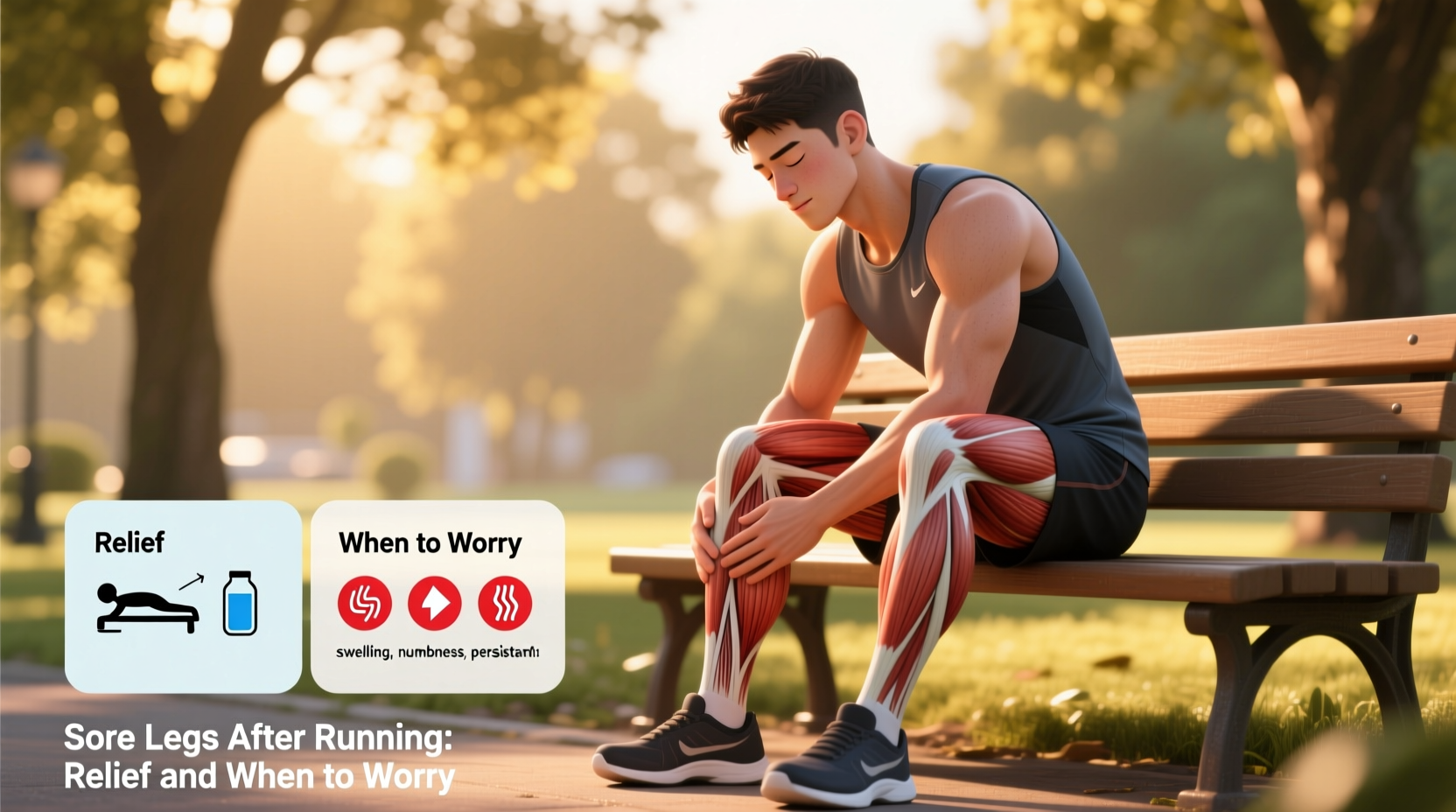
Muscle soreness after running typically falls into two categories: acute soreness and delayed onset muscle soreness (DOMS). Acute soreness occurs during or immediately after a run due to the buildup of lactic acid in working muscles. This type of discomfort usually fades within minutes to hours post-exercise.
DOMS, on the other hand, peaks 24 to 72 hours after a challenging workout. It results from microscopic tears in muscle fibers caused by eccentric contractions—common in downhill running or sudden increases in intensity. This process is part of muscle adaptation and growth, but excessive or improperly managed soreness can hinder performance and increase injury risk.
Other contributing factors include:
- Overuse: Increasing mileage too quickly without adequate recovery.
- Poor biomechanics: Inefficient running form or imbalances in muscle strength.
- Inadequate footwear: Worn-out or ill-fitting shoes fail to absorb impact properly.
- Dehydration or electrolyte imbalance: Can lead to cramping and prolonged fatigue.
- Cold weather: Muscles tighten more easily in cooler temperatures, increasing susceptibility to strain.
“Some soreness is expected when pushing physical limits, but sharp, localized pain isn’t normal—it’s your body’s way of asking for attention.” — Dr. Lena Torres, Sports Medicine Physician
Effective Relief Strategies for Sore Legs
Recovery isn't just about waiting for soreness to pass—it's an active process that enhances performance and reduces future discomfort. The following methods are backed by sports science and widely used by elite and recreational runners alike.
1. Active Recovery
Gentle movement such as walking, cycling, or swimming increases blood flow to tired muscles, helping clear metabolic waste and deliver oxygen and nutrients. A 20-minute easy walk the day after a hard run can significantly reduce stiffness.
2. Hydration and Nutrition
Replenishing fluids and consuming protein and carbohydrates within 30–60 minutes post-run supports muscle repair. Foods rich in antioxidants (berries, leafy greens) and anti-inflammatory compounds (turmeric, fatty fish) may also speed recovery.
Tip: Drink water consistently throughout the day rather than chugging large amounts at once. Add a pinch of salt and lemon to plain water if you've sweated heavily.3. Foam Rolling and Self-Massage
Using a foam roller on major leg muscles—quadriceps, hamstrings, calves, and IT bands—can alleviate tightness and improve flexibility. Spend 30–60 seconds per muscle group, focusing on tender areas without pressing so hard that it causes pain.
4. Cold and Heat Therapy
Cold therapy (ice baths or cold compresses) reduces inflammation immediately after intense effort. Heat therapy (warm baths or heating pads), best used 48 hours post-run, relaxes muscles and improves circulation.
5. Stretching and Mobility Work
Dynamic stretches before running prepare muscles for activity. Static stretching after cooling down helps maintain range of motion. Incorporate yoga or mobility drills 2–3 times per week for lasting benefits.
When to Worry: Red Flags That Require Medical Attention
Not all leg pain is created equal. While general soreness resolves within a few days, certain symptoms suggest injury or underlying conditions needing professional evaluation.
| Symptom | Normal Soreness | Requires Medical Attention |
|---|---|---|
| Pain Location | Broad, bilateral (both legs) | Localized, one-sided |
| Pain Type | Dull, achy, diffuse | Sharp, stabbing, burning |
| Duration | Resolves in 2–4 days | Persists beyond 5–7 days |
| Swelling or Bruising | Absent | Present |
| Impact on Movement | Mild stiffness, full function | Limping, weakness, instability |
If you experience any of the following, consult a healthcare provider:
- Pain that worsens with continued running
- Numbness, tingling, or radiating pain (possible nerve involvement)
- Visible swelling or discoloration
- Inability to bear weight or perform daily activities
Mini Case Study: From Soreness to Stress Fracture
Jessica, a 34-year-old beginner runner, started training for her first half-marathon. After increasing her weekly mileage by 40% in one week, she noticed persistent shin pain. Initially dismissing it as normal soreness, she continued running. Over three weeks, the pain intensified, becoming sharp and focused on her lower left tibia. She could no longer run without limping.
After visiting a sports clinic, an MRI revealed a tibial stress fracture. Her doctor explained that rapid progression, combined with low bone density and inadequate calcium intake, contributed to the injury. Jessica required six weeks of non-weight-bearing rest and physical therapy before resuming light activity.
Her story underscores the importance of gradual progression and listening to early warning signs. What began as manageable soreness escalated into a preventable injury due to ignored red flags.
Step-by-Step Recovery Timeline
Follow this structured approach to manage sore legs effectively:
- Immediately After Run: Cool down with a 5-minute walk. Rehydrate and consume a balanced snack (e.g., banana with peanut butter).
- Within 30 Minutes: Perform light dynamic stretches or use a foam roller on major leg muscles.
- Evening of the Same Day: Take a warm Epsom salt bath or apply a heating pad to stiff areas.
- Next Morning: Assess soreness. If mild, go for a short walk or gentle cycle. Avoid high-impact activity if pain is moderate to severe.
- Days 2–3: Gradually reintroduce movement. Include static stretching and hydration focus. Monitor for improvement.
- Day 4 Onward: Resume running only if pain has resolved. Start with 50–70% of usual distance and intensity.
Prevention Checklist
Reduce the risk of excessive soreness and injury with this practical checklist:
- ✔️ Increase weekly mileage by no more than 10%
- ✔️ Replace running shoes every 300–500 miles
- ✔️ Warm up before every run (5–10 minutes of brisk walking or dynamic drills)
- ✔️ Cool down and stretch after each session
- ✔️ Strength train legs 2–3 times per week (focus on glutes, quads, hamstrings, calves)
- ✔️ Stay hydrated and maintain a nutrient-rich diet
- ✔️ Schedule at least one full rest day per week
Frequently Asked Questions
Is it okay to run with sore legs?
It depends on the severity. Mild, diffuse soreness (DOMS) usually allows for light jogging or cross-training. However, sharp, localized, or worsening pain means you should rest. Pushing through significant discomfort increases injury risk.
How long should sore legs last after running?
Typical DOMS lasts 24 to 72 hours. If soreness persists beyond four days or gets worse, it may indicate overuse, strain, or another issue requiring evaluation.
Can stretching prevent sore legs?
While stretching alone won’t eliminate DOMS, regular flexibility work improves muscle resilience and circulation, reducing overall soreness over time. Combine stretching with proper recovery practices for best results.
Conclusion: Listen to Your Body, Respect the Process
Sore legs after running are common, even expected—but they shouldn’t be ignored. By understanding the difference between normal muscle adaptation and potential injury, you empower yourself to train smarter and safer. Recovery is not downtime; it’s when your body grows stronger.
💬 Have a recovery tip that works for you? Share your experience below and help fellow runners stay strong and pain-free!








