
Packing for a ski trip doesn’t have to be chaotic. With the right approach, you can transport your ski gear efficiently, keep it in excellent condition, and arrive at the resort feeling prepared—not frazzled. Whether you're flying across the country or driving to a nearby mountain, how you pack your skis, boots, and accessories makes all the difference. This guide breaks down a systematic method to ensure your gear arrives intact, organized, and ready to perform.
Why Proper Ski Packing Matters
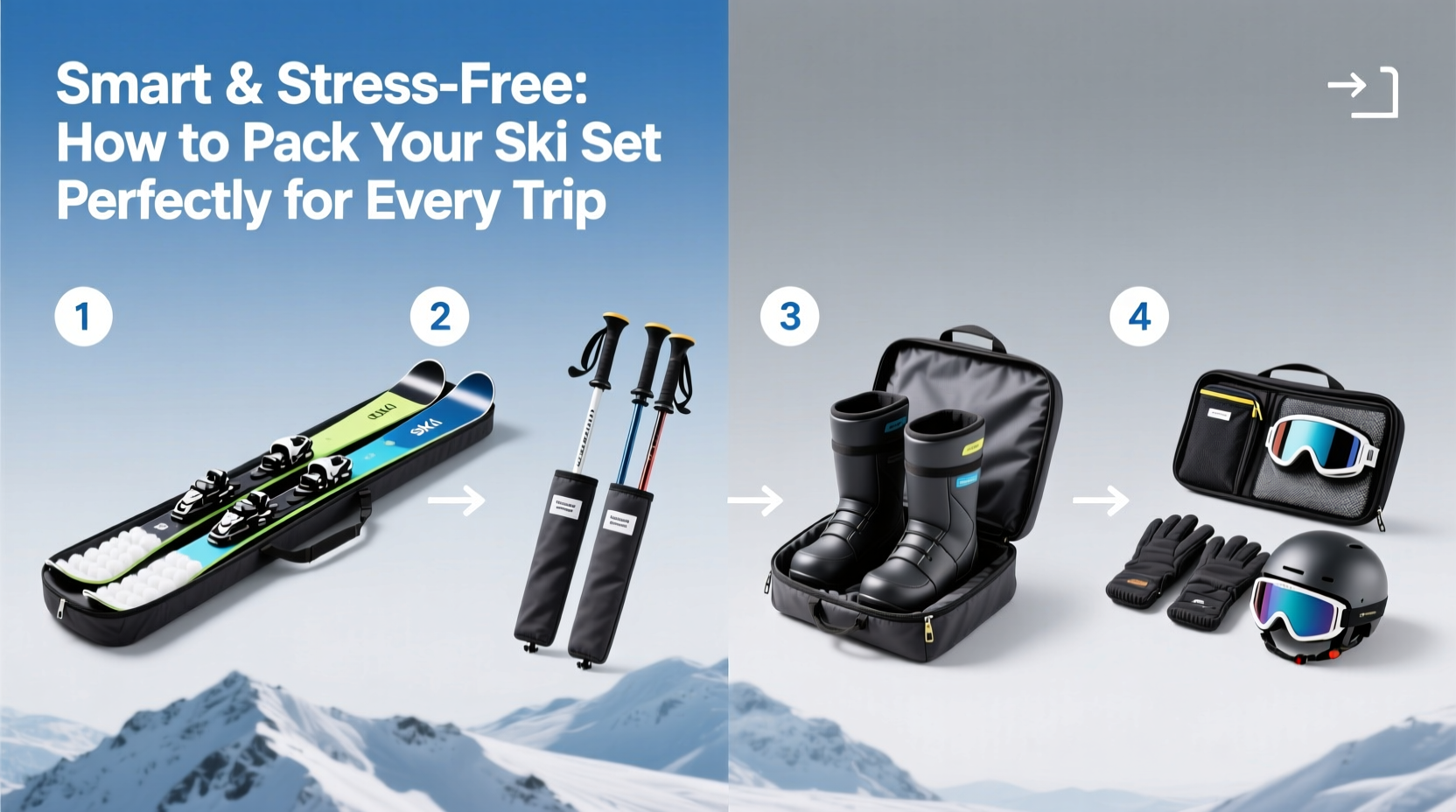
Mishandled ski equipment leads to damaged edges, warped bases, and unnecessary repair costs. Beyond protecting your investment, smart packing saves time at check-in, reduces physical strain, and minimizes stress during travel. A well-packed ski bag also helps you avoid excess baggage fees and streamlines unpacking upon arrival.
Professional skiers and frequent travelers alike emphasize preparation. As Alpine Gear Specialist Lena Torres explains:
“Most ski damage during travel happens not from impact, but from poor compression and moisture buildup. The way you pack is half the battle.” — Lena Torres, Alpine Equipment Technician, Colorado Ski Labs
Step-by-Step: How to Pack Your Skis Like a Pro
Follow this sequence to ensure your skis, poles, and boots are protected and organized.
- Clean and dry your gear: After your last run, wipe down skis and boots. Let them air-dry completely before packing. Moisture trapped in bags breeds mold and accelerates wear.
- Protect the edges: Use edge guards or wrap the metal edges with pool noodles cut lengthwise. This prevents scratches and protects other items in your luggage.
- Secure bindings: Check that bindings are clean and free of snow or ice. Avoid adjusting them right before travel; changes should be made at a certified shop post-travel.
- Align skis correctly
- Use a dedicated ski bag: Soft bags offer flexibility and padding; hard cases provide maximum protection but are heavier. Choose based on travel mode.
- Pack poles separately: Disassemble if possible. Wrap tips and basket ends, then secure inside the bag’s designated sleeve or alongside skis.
- Boots go in boot pockets or separate compartments: Never stack heavy items on top. Use boot liners to maintain shape and absorb residual moisture.
- Add desiccant packs: Toss in silica gel packets to reduce humidity inside the bag during transit.
Do’s and Don’ts of Ski Bag Management
| Do’s | Don’ts |
|---|---|
| Use padded shoulder straps or attach wheels for easier transport | Overstuff the bag beyond recommended capacity |
| Label your bag clearly with contact info and flight details | Leave loose items rattling inside (they can damage bindings) |
| Pack clothing and soft gear around skis to cushion impact | Store wet gloves or base layers directly against ski surfaces |
| Check airline policies on ski equipment dimensions and weight | Assume ski bags are exempt from size restrictions |
| Use TSA-approved locks for added security | Carry sharp tools like ski sharpeners in carry-on (not allowed) |
Real Example: From Denver to Whistler Without a Hitch
Mark, an avid backcountry skier from Denver, used to dread flying with his gear. On one trip to Whistler, his ski bag arrived with a cracked sidewall and bent pole. He switched tactics: he invested in a hybrid roller duffel with internal ski sleeves, started using edge savers, and began pre-packing two days in advance.
On his next trip, he packed his skis vertically inside the bag with foam padding between them, placed boots in ventilated side pockets, and included a small moisture-absorbing pouch. He labeled the bag with a QR code linking to his contact and itinerary. The bag survived two flights and a shuttle ride without issue. At check-in, the agent even complimented the organization, which helped expedite handling.
“I used to treat my ski bag like an afterthought,” Mark says. “Now I treat it like part of my kit—just as important as the skis themselves.”
Essential Packing Checklist
- ✔ Skis cleaned and dried
- ✔ Edge protectors installed
- ✔ Bindings inspected and secured
- ✔ Poles disassembled and tips covered
- ✔ Ski bag (soft or hard, depending on travel type)
- ✔ Desiccant or moisture-absorbing packets
- ✔ Boots cleaned and stored in ventilated compartment
- ✔ Extra socks and thermal layers packed around gear for cushioning
- ✔ Luggage tag with full contact and flight details
- ✔ TSA-compliant lock (if desired)
- ✔ Repair kit (packed in carry-on): wax scraper, multitool, binding key
Frequently Asked Questions
Can I pack my ski boots inside my checked ski bag?
Yes, most ski bags include boot compartments. Just ensure they’re dry and not compressed under heavy items. For long flights, consider wearing your boots through the airport to save space and avoid pressure damage.
Are hard ski cases worth the extra weight?
For international travel or multiple connections, yes. Hard cases offer superior crush resistance and weatherproofing. However, they’re often over the weight limit when fully packed. Weigh your bag before heading to the airport—most airlines allow 50 lbs for sports equipment, but policies vary.
How do I prevent my skis from getting stolen or lost?
Use unique identifiers: bright tape, custom tags, or a colored strap. Register your bag with the airline’s sports equipment service if available. Add a digital tracker (like Tile or Apple AirTag) inside the bag’s lining—not visible externally.
Smart Habits for Stress-Free Ski Travel
The best packing systems become habits. Start preparing 48 hours before departure. Lay out all gear and inspect each piece. Address minor repairs early. Store your ski bag in a cool, dry place when not in use—avoid garages or damp basements where temperature swings degrade materials.
If you drive to the mountain, avoid leaving skis in direct sunlight inside a hot car. UV rays degrade base materials over time. When unpacking at your destination, let boots air out and wipe down ski surfaces before storage.
Seasoned travelers recommend keeping a digital inventory of your gear: model numbers, purchase dates, and photos. This speeds up insurance claims if something goes missing.
Final Thoughts: Arrive Ready, Not Reactive
Packing your ski set isn’t just about stuffing gear into a bag—it’s about preserving performance, ensuring safety, and respecting your equipment. A few deliberate steps can transform a chaotic process into a seamless routine. Whether you're a weekend warrior or a season-pass holder, mastering the art of ski packing means spending less time worrying and more time carving fresh tracks.
💬 What’s your go-to packing hack for ski trips? Share your tip in the comments and help fellow skiers travel smarter.








