Walking or skating in the rain is more than just an inconvenience—it can be dangerous when your footwear fails to maintain traction. Slippery sidewalks, wet concrete, and sudden puddles test the limits of shoe grip, especially during seasonal downpours. While both skate shoes and running shoes are designed for movement, their construction, materials, and intended use differ significantly. Understanding how each performs in wet conditions helps you make a safer, smarter choice when stepping out in the rain.
This article dives into the science and real-world performance behind grip in wet environments, comparing skate shoes and running shoes across key factors like rubber composition, tread pattern, flexibility, and water resistance. Whether you're commuting, skating, or simply trying not to slip on your way to work, knowing which shoe delivers superior grip could keep you upright—and dry.
The Science of Grip on Wet Surfaces
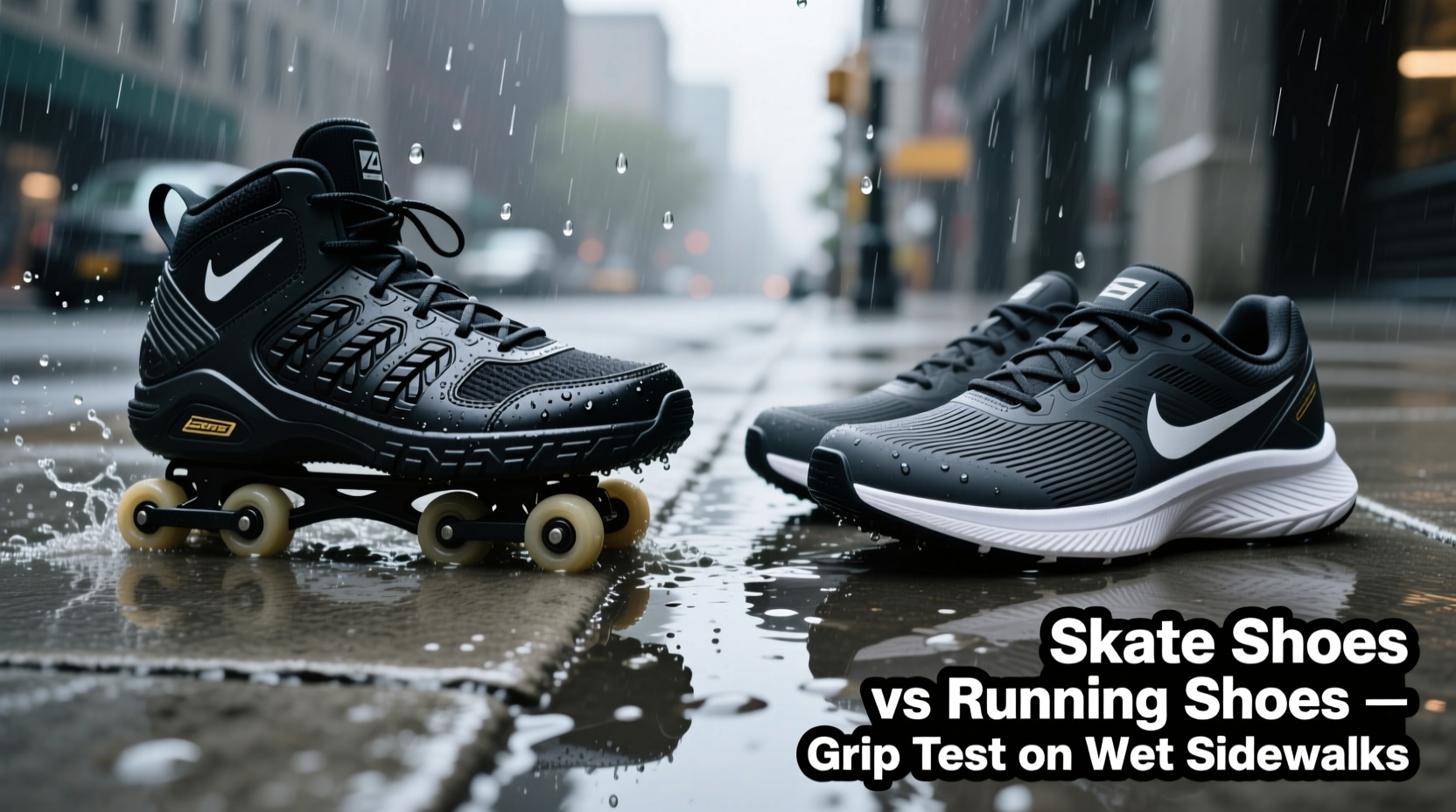
Grip, or traction, on wet surfaces depends on three main elements: friction coefficient, surface contact area, and water dispersion. When a layer of water sits between your shoe and the ground, it reduces direct contact and creates a hydroplaning effect—similar to what happens with car tires on flooded roads. The best wet-weather shoes minimize this by channeling water away quickly and maximizing rubber-to-surface contact.
Rubber hardness plays a critical role. Softer rubber compounds generally provide higher friction because they conform more closely to micro-textures in pavement. However, softer rubber wears faster. Harder rubber lasts longer but may skid more easily on slick surfaces. This trade-off is central to the design philosophy of both skate and running shoes.
Additionally, tread depth and pattern influence performance. Deep, multidirectional grooves help displace water, while flat or shallow soles risk creating a suction-like film that reduces grip. The shape, spacing, and angle of lugs (the raised parts of the sole) determine how effectively a shoe maintains purchase under pressure and moisture.
Tip: Look for shoes with carbon-black rubber—the pigment improves durability and grip in wet conditions compared to lighter-colored rubbers.Skate Shoes: Built for Board Control, Not Just Concrete
Skate shoes prioritize board feel, durability, and grip on skateboard decks and urban terrain. Their soles are typically made from sticky rubber compounds engineered for high friction against smooth surfaces like wood, metal, and polished concrete. This “sticky grip” is essential for performing tricks and maintaining foot placement during fast movements.
Most skate shoes feature flat, wide outsoles with minimal tread variation. This maximizes surface contact with the skateboard deck, enhancing control. Brands like Vans, Nike SB, and Etnies use proprietary rubber blends—such as Vans’ “Ultracush” or DC’s “Impact I”—designed specifically for grip and shock absorption.
In rainy conditions, however, this flat profile becomes a liability. Without deep channels or siping (small slits in the rubber), water isn’t efficiently dispersed. The large, uninterrupted rubber surface can act like a suction pad on wet pavement, increasing the risk of slipping when weight shifts suddenly. Additionally, many skate shoes use canvas or suede uppers that absorb water quickly, adding weight and reducing breathability.
Despite these drawbacks, the soft rubber used in skate shoes often outperforms harder running shoe compounds in terms of raw friction on slightly damp or misty days. But once standing water accumulates, the lack of drainage structure undermines their advantage.
Running Shoes: Engineered for All-Weather Motion
Running shoes are built for forward motion across varied terrain, including wet roads, trails, and sidewalks. Manufacturers like Adidas, Asics, and Hoka incorporate advanced traction systems specifically to handle moisture. Many models feature segmented treads, zigzag grooves, and multi-density rubber zones that enhance grip during heel strike, midfoot roll, and toe-off phases.
Modern running shoes often use blown rubber in the forefoot (lighter and more flexible) and carbon rubber in the heel (more durable). Some trail-running variants include aggressive lug patterns similar to hiking boots, capable of biting into wet grass or muddy pavement. Even road-focused runners now integrate siping technology—thin cuts in the sole that flex open to expel water and increase edge contact.
Upper materials also contribute to wet-weather performance. Most running shoes use synthetic mesh fabrics treated with DWR (durable water repellent) coatings to resist moisture absorption. While not fully waterproof, these materials dry faster and reduce waterlogging compared to the natural fibers common in skate shoes.
However, not all running shoes perform equally in the rain. Lightweight racing flats often sacrifice tread depth for speed, making them poor choices in wet conditions. Conversely, stability and trail models tend to offer superior grip due to reinforced outsoles and strategic lug placement.
“Traction isn’t just about rubber—it’s about how the entire sole system interacts with dynamic forces under load.” — Dr. Lena Torres, Biomechanics Researcher at Portland State University
Direct Comparison: Key Differences in Wet Traction
| Feature | Skate Shoes | Running Shoes |
|---|---|---|
| Rubber Type | Soft, sticky compounds (e.g., gum rubber) | Mixed density (carbon + blown rubber) |
| Tread Pattern | Flat, minimal grooves; wide contact area | Segmented, multidirectional lugs |
| Water Dispersal | Poor – lacks channels or siping | Good to excellent – grooves and siping aid drainage |
| Flexibility | High – aids board feel | Moderate to high – supports gait cycle |
| Wet Surface Performance | Fair on light dampness; poor on standing water | Generally strong, especially trail/stability models |
| Upper Water Resistance | Low – canvas/suede absorbs water | Moderate – synthetic mesh with DWR coating |
The data shows a clear trend: while skate shoes excel in dry, controlled environments requiring precise foot placement, running shoes are better equipped to handle unpredictable wet conditions thanks to purpose-built traction engineering.
Real-World Scenario: Commuting in a Sudden Downpour
Consider Marcus, a city commuter who alternates between riding his skateboard and walking to work. On a typical morning, he wears his favorite pair of black-and-white Vans Authentic sneakers—lightweight, stylish, and perfect for short rides. One Tuesday, a storm rolls in mid-morning, drenching the sidewalks just before his return trip.
Initially, Marcus feels confident. The rubber soles seem grippy on the slightly wet pavement. But as he approaches a downhill crosswalk pooled with runoff, he takes a quick step to avoid a cyclist and slips sideways, barely catching himself on a lamppost. Later, he switches to a pair of Asics Gel-Kayano, originally bought for weekend jogs. Despite heavier weight and less board feel, he notices immediate improvement: no sliding, even on steep, rain-slicked corners.
This experience highlights a crucial distinction: grip isn’t only about static friction—it’s about dynamic safety during movement transitions. Skate shoes may feel secure when standing or pushing lightly, but lack the structural support and water-channeling design needed for rapid directional changes on wet surfaces.
Tip: If you must wear skate shoes in the rain, choose models with herringbone or waffle-patterned soles—they offer better water evacuation than plain flats.How to Choose the Right Shoe for Rainy Sidewalks
Selecting footwear for wet conditions involves balancing function, comfort, and lifestyle needs. Follow this checklist to ensure optimal grip and safety:
- Evaluate the outsole: Look for visible grooves, siping, or multidirectional lugs.
- Check rubber quality: Darker, carbon-infused rubber usually offers better wet traction.
- Avoid completely flat soles: These are prone to hydroplaning on wet surfaces.
- Test flexibility: A sole that bends slightly helps maintain ground contact on uneven terrain.
- Inspect upper material: Synthetic mesh or treated textiles resist water better than canvas or suede.
- Consider fit: A snug fit prevents internal foot movement, improving control during slips.
For those who skate regularly but face frequent rain, hybrid options exist. Some modern skate shoes, like the Converse CONS series or Emerica’s WFC line, incorporate deeper treads and water-resistant linings without sacrificing board feel. Similarly, minimalist running shoes such as the Merrell Trail Glove offer flexibility and low profile while retaining aggressive grip patterns.
Step-by-Step Guide to Assessing Shoe Traction
- Examine the sole pattern: Run your fingers over the tread. Are there deep, spaced grooves?
- Look for siping: Tiny slits in the rubber indicate enhanced flexibility and water dispersion.
- Press the rubber: Softer compounds indent more easily and typically offer better grip.
- Check the heel and forefoot: These zones should have distinct lug designs for braking and propulsion.
- Research brand-specific tech: Look up terms like “XT-600 rubber,” “DuraTrax,” or “Missiongrip” for performance insights.
- Test walk on wet tile: Safely simulate conditions by walking slowly on a damp bathroom floor to assess initial slip resistance.
Frequently Asked Questions
Can I improve the grip of my skate shoes in the rain?
Yes, though with limitations. You can lightly roughen worn soles with fine-grit sandpaper to restore texture. Applying non-slip sprays designed for shoe soles may offer temporary improvement, but avoid abrasive treatments that compromise rubber integrity. The most effective solution is switching to a model with better inherent traction.
Are running shoes safe for skating?
Not recommended. While running shoes offer excellent sidewalk grip, they lack the flat, durable outsole needed for consistent board control. Their cushioned midsoles reduce sensitivity, increasing the risk of missed tricks or foot slippage during ollies. For hybrid use, consider dedicated skate-style trainers with enhanced traction.
Do expensive shoes always have better wet grip?
Not necessarily. Price often reflects branding, materials, and technology, but not always real-world traction. Some affordable running models outperform premium skate shoes in wet tests. Always review independent traction evaluations or user feedback focused on rainy conditions.
Final Verdict: Running Shoes Win for Wet Sidewalk Safety
When it comes to preventing slips on rainy sidewalks, running shoes—particularly stability and trail variants—consistently outperform traditional skate shoes. Their engineered treads, water-dispersing features, and durable rubber compositions make them better suited for dynamic movement on wet surfaces. While skate shoes offer superior grip on dry pavement and skateboard decks, their flat soles and absorbent uppers become liabilities in heavy moisture.
That said, the ideal choice depends on your primary activity. If you’re primarily walking or commuting in wet climates, prioritize a reliable running shoe with proven traction. If skating is essential, look for modern skate models that blend sticky rubber with improved tread design. In mixed conditions, owning both types—and choosing based on forecast—may be the safest strategy.
💬 Have you experienced a close call in the rain due to shoe grip? Share your story or tips below—your insight could help others stay safe this season.








