Gift-giving is more meaningful when it carries purpose. In a world increasingly aware of environmental health, wildflower seed bombs offer a unique blend of beauty, sustainability, and delight. These small, handmade spheres—crafted from clay, compost, and native wildflower seeds—are more than just gifts; they’re invitations to grow life, support pollinators, and rewild forgotten spaces. Whether for birthdays, weddings, or Earth Day, seed bombs transform gestures into growing legacies.
The Meaning Behind the Bloom
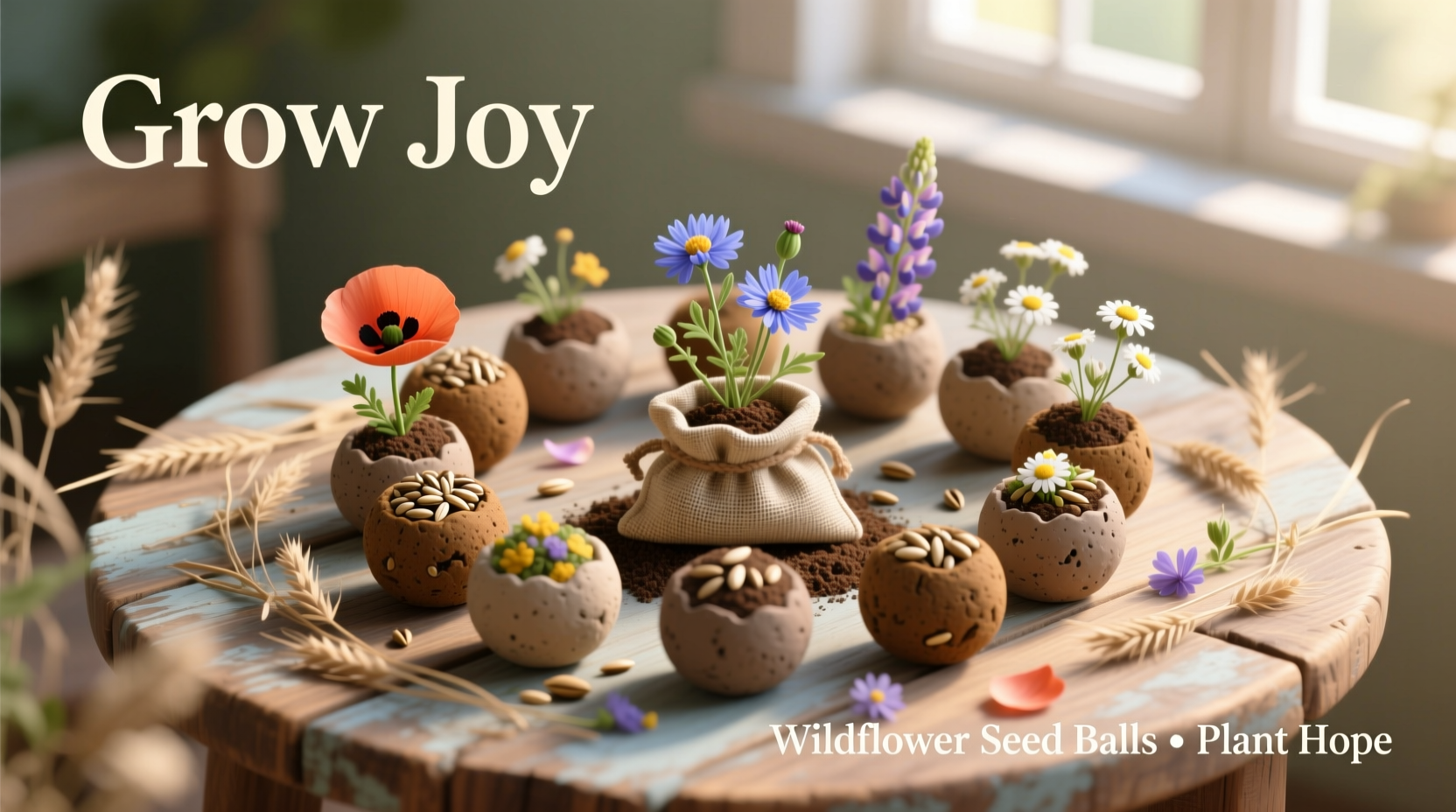
Seed bombs originated as tools for guerrilla gardening—activists tossing them into neglected urban areas to bring color and biodiversity back to concrete landscapes. Today, they’ve evolved into thoughtful, eco-conscious gifts that resonate with gardeners and non-gardeners alike. Each seed ball contains the potential for dozens of flowers, requiring no planting expertise: just toss, wait, and watch nature unfold.
Wildflower seed bombs are especially effective because they protect seeds from birds and harsh weather during germination. The clay shields the seeds, while the compost nourishes early root development. Once rain softens the ball, the seeds sprout, often within 4–6 weeks depending on climate and species.
“Seed bombs aren’t just about flowers—they’re tiny acts of ecological restoration.” — Dr. Lila Monroe, Urban Ecologist & Pollinator Advocate
Creative Seed Bomb Gift Ideas
One of the greatest strengths of seed bombs is their versatility. They can be personalized, themed, and packaged in countless ways to suit any occasion. Below are five inspired gift concepts that elevate seed balls beyond novelty items into heartfelt, lasting presents.
1. “Grow Together” Wedding Favors
Replace traditional favors with custom seed bombs labeled “Love Grows Here.” Choose romantic wildflower varieties like poppies, cornflowers, and yarrow. Package them in kraft paper boxes tied with twine and a tag reading, “Plant this in your garden and remember our day every time it blooms.”
Tip: Use biodegradable packaging like seeded paper tags or recycled cardboard to maintain the eco-friendly theme.2. Birthday “Joy in a Ball” Kits
Create themed kits for children or adults. For kids, include three colorful seed bombs (labeled “Sunshine Mix,” “Butterfly Buffet,” etc.), a mini trowel, and a sticker sheet. For adults, pair artisanal seed balls with a packet of herbal tea and a note: “Grow beauty, sip calm, live well.”
3. Memorial Seed Bombs for Remembrance
A deeply personal gift, these seed balls carry flowers symbolizing remembrance—like purple coneflower or black-eyed Susan. Include a card: “In memory of [Name], may beauty rise where love remains.” Families often plant them in gardens or scattering sites, creating living tributes.
4. Corporate Sustainability Gifts
Businesses aiming to express gratitude while aligning with ESG goals can send clients or employees seed bomb sets branded with a simple logo and message: “Thanks for helping us grow a greener future.” Opt for native regional mixes to ensure ecological appropriateness.
5. Classroom Pollinator Packs
Teachers can use seed bombs as hands-on ecology lessons. A pack of 25 uniform seed balls lets students each grow their own wildflower patch. Follow up with journaling activities tracking growth and visiting insects. It’s experiential learning with visible results.
Step-by-Step Guide: Make Your Own Seed Bombs
Creating seed bombs at home is simple, cost-effective, and fun for all ages. With just a few ingredients, you can craft personalized gifts in under an hour.
- Gather materials: air-dry clay (powdered or lump), organic compost, wildflower seeds (native to your region), water, mixing bowl, and gloves (optional).
- Combine ingredients: Use a 5:3:1 ratio—five parts compost, three parts clay, one part seeds. Mix thoroughly.
- Add water gradually: Sprinkle in water until the mixture holds together like cookie dough. Avoid over-wetting.
- Roll into balls: Shape teaspoon-sized portions into compact 1-inch spheres. Smooth any cracks.
- Dry completely: Place on a tray in a warm, dry spot for 24–48 hours. Turn once to ensure even drying.
- Package thoughtfully: Wrap in recyclable paper, place in cotton bags, or box with care instructions.
Choosing the Right Seeds: Do’s and Don’ts
Not all wildflower seeds are created equal. To maximize success and ecological benefit, follow these guidelines when selecting seed blends.
| Do’s | Don’ts |
|---|---|
| Choose native species adapted to your region’s soil and climate. | Avoid non-native or invasive plants like oxeye daisy in sensitive ecosystems. |
| Prioritize pollinator-friendly flowers such as milkweed, bee balm, and goldenrod. | Don’t use treated or genetically modified seeds. |
| Mix bloom times for extended color from spring to fall. | Avoid monocultures—single-species bombs reduce biodiversity value. |
| Source certified seed suppliers who disclose origin and purity. | Don’t assume “wildflower mix” is safe—check labels carefully. |
Real Impact: A Community Garden Case Study
In Portland, Oregon, a neighborhood association launched a “Bombs Away for Bees” initiative. Volunteers made 500 seed balls using local Douglas aster, California poppy, and blanket flower seeds. They distributed them at a community fair with instructions for planting in yards, window boxes, or shared green spaces.
Within eight weeks, residents reported increased bee and butterfly activity. One participant, Maria T., transformed a cracked sidewalk strip into a blooming micro-meadow. “I never thought I could help pollinators,” she said. “Now my neighbors stop to take photos every morning.” The project not only beautified the area but also strengthened community bonds through shared stewardship.
Storage, Planting, and Care Tips
Seed bombs remain viable for up to two years if stored properly. Keep them in a cool, dark, dry place—away from humidity and direct sunlight. Though durable, prolonged exposure to moisture can trigger premature sprouting.
For best results, plant seed bombs in early spring or fall when rainfall is consistent. Simply place them on bare soil or grass and press lightly. No need to bury or water unless conditions are unusually dry. Most wildflowers thrive with minimal intervention once established.
It’s important to set realistic expectations: germination depends on local weather, soil quality, and sunlight. Encourage recipients to be patient. Some flowers may take several months to appear, especially perennials.
Frequently Asked Questions
Can seed bombs grow in pots or containers?
Absolutely. Seed bombs work well in planters, window boxes, and balcony gardens. Just ensure the container has drainage and use quality potting soil. Place in a sunny location and keep moist until sprouts emerge.
Are seed bombs safe for pets and children?
Yes, when made with non-toxic, pet-safe ingredients. Avoid seeds known to be harmful if ingested (e.g., larkspur). Always label clearly and supervise young children during handling.
What if I don’t have a garden? Can I still use seed bombs?
Yes. Seed bombs are perfect for rewilding overlooked spaces—between sidewalk cracks, empty lots, or roadside edges (with permission). Even tossing one from a car window (responsibly and legally) can spark unexpected beauty.
Final Thoughts: Grow Joy, One Bomb at a Time
Seed bomb gifts do more than please—they inspire action, nurture connection, and restore balance. In a single clay sphere lies the quiet power to change a landscape, feed a bee, or brighten someone’s day. Unlike cut flowers that fade, seed balls offer a promise: life will come, color will spread, and joy will grow.
Whether you’re crafting them for loved ones or organizing a community giveaway, every seed bomb planted is a vote for a wilder, more vibrant world. So roll up your sleeves, gather your supplies, and start spreading beauty—one joyful throw at a time.
🚀 Ready to create your first batch? Gather some clay, choose your favorite wildflower seeds, and share the gift of growth. Tag your creations #GrowJoy and inspire others to join the bloom!








