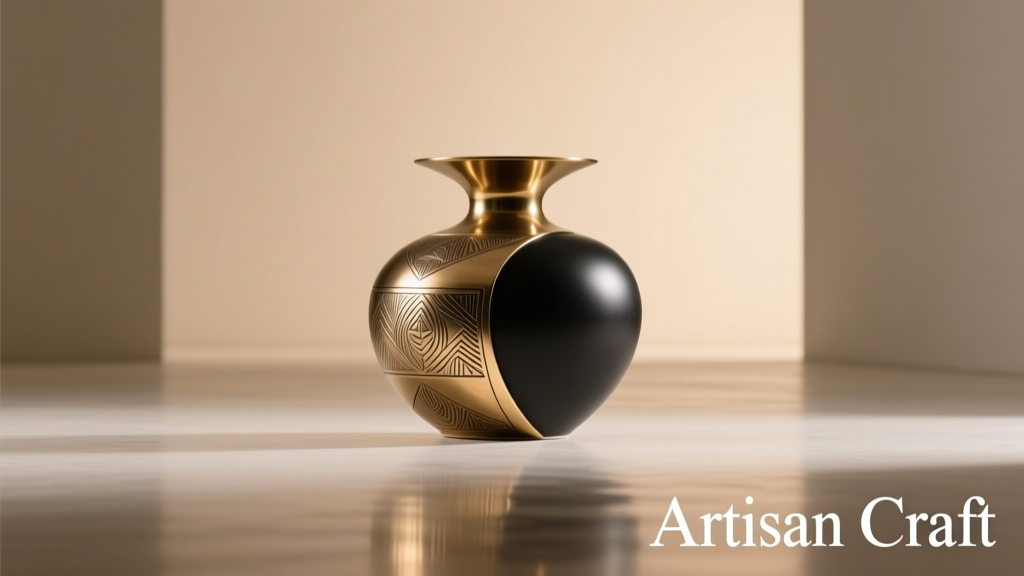
Types of Sand Trophies
A sand trophy award is more than just a prize—it's a unique blend of artistry, craftsmanship, and symbolism. These distinctive awards are primarily used as souvenirs or prizes in sand sculpting competitions, but they also serve as decorative art pieces, functional objects, or educational tools. Whether intricately carved or simply molded, sand trophies capture the ephemeral beauty of sand art while offering lasting value.
Each type of sand trophy serves a different purpose, from celebrating competition winners to engaging families in creative activities. Below is a detailed breakdown of the most common variations, their features, and ideal applications.
Sculpted Sand Trophies
These are the most prestigious and artistically significant sand trophies, often hand-carved by professional sculptors using fine-grained sand compacted with water and natural binders.
Advantages
- Highly detailed and artistic
- Unique, one-of-a-kind designs
- Potential to be displayed as fine art
- Perfect for awarding top-tier competition winners
Limitations
- Fragile and sensitive to handling
- Requires protective display (e.g., glass case)
- Higher cost due to labor and skill involved
Best for: Professional sand sculpting contests, gallery exhibitions, special commemorative events
Sandcastle Trophies
Inspired by classic beach architecture, these trophies replicate sandcastles with towers, turrets, moats, and battlements. They are often used in family-friendly beach festivals and community sand-building challenges.
Advantages
- Visually striking and recognizable
- Symbolic of beach culture and creativity
- Can be customized with flags or emblems
- Great for themed events and coastal communities
Limitations
- Limited detail compared to sculpted pieces
- Structural instability without reinforcement
- May require internal support for durability
Best for: Beach festivals, children's competitions, coastal tourism events
Functional Sand Trophies
These innovative trophies combine artistic design with practical utility. While the main body is made from compacted sand, they often include resin-coated finishes or inserts made of plastic, wood, or metal to enhance durability and function.
Advantages
- Dual-purpose: award + useful object
- Can serve as planters, bookends, or desk decor
- More durable than pure sand sculptures
- Encourages long-term use and visibility
Limitations
- Less "pure" in artistic expression
- Design flexibility limited by functional components
- Higher production complexity
Best for: Corporate events, school awards, eco-friendly gift items, home or office decoration
Sand Trophy Kits
Designed for interactive engagement, these kits allow individuals or groups to create their own sand trophies. Typically including molds, specially treated sand, water sprayers, and step-by-step instructions, they promote hands-on creativity.
Advantages
- Encourages participation and learning
- Ideal for educational programs and team-building
- Fun and memorable activity for all ages
- Promotes STEM/STEAM skills like engineering and design
Limitations
- Finished product may lack professional quality
- Requires time and supervision to assemble
- Not suitable as formal awards without customization
Best for: Schools, summer camps, family entertainment, beginner workshops, promotional giveaways
| Type | Artistic Value | Durability | Functionality | Best Application |
|---|---|---|---|---|
| Sculpted Sand Trophies | Excellent | Fair | Decorative | Professional competitions, art exhibitions |
| Sandcastle Trophies | Good | Fair | Symbolic | Beach festivals, community events |
| Functional Sand Trophies | Good | Good | High | Corporate awards, home decor, educational gifts |
| Sand Trophy Kits | Fair | Variable | Interactive | Workshops, schools, family activities |
Expert Tip: To preserve sculpted or delicate sand trophies, consider applying a light, eco-friendly sealant or displaying them under climate-controlled conditions to prevent cracking and erosion over time.
Art and Craftsmanship: The Design of Sand Trophies
The design of sand trophies plays a pivotal role in both competitive recognition and artistic expression. More than just a symbol of victory, a well-crafted sand trophy captures the essence of an event, celebrates creativity, and stands as a unique piece of ephemeral art. Whether awarded at a beach festival or displayed as a centerpiece, a thoughtfully designed sand trophy can leave a lasting impression on winners and audiences alike.
Creating a successful sand trophy involves a blend of artistic vision, technical skill, and environmental awareness. Below are the key design elements that contribute to a compelling and structurally sound sand trophy.
Core Design Elements of Sand Trophies
Theme and Motivation
The thematic foundation of a sand trophy is essential for creating emotional resonance and relevance. Trophies that reflect the spirit of the event—such as a marine conservation competition, a coastal cultural festival, or a youth sandcastle contest—carry deeper meaning for recipients.
For instance, a trophy inspired by a coral reef theme might incorporate sculpted sea fans, starfish, or intricate underwater scenes, using fine detailing to mimic natural textures. This thematic alignment not only enhances visual appeal but also reinforces the purpose and identity of the competition.
Designers often collaborate with event organizers to ensure the trophy’s imagery aligns with branding, slogans, or environmental messages, making each piece a storytelling medium.
Material and Texture
The choice of sand and binding agents directly influences the durability, texture, and aesthetic quality of the trophy. Fine-grained sand is preferred for detailed sculpting due to its smooth consistency and ability to hold intricate shapes, while coarser grains are better suited for foundational layers where structural strength is paramount.
Water is a critical component in achieving the right sand density—too little results in crumbling, while too much weakens cohesion. Many professional sculptors enhance durability by incorporating non-toxic, eco-friendly adhesives or sealants that preserve the sculpture without harming the environment.
Surface textures can range from polished, glass-like finishes to rough, organic patterns mimicking rock, bark, or waves. These textural variations add depth and realism, transforming a simple mound of sand into a tactile work of art.
Size and Proportions
Dimensions play a crucial role in both visual impact and practicality. While some competitions specify trophy size within their rules, others allow creative freedom. Larger trophies command attention and are ideal for public displays, often becoming photo-worthy landmarks.
Smaller, more compact trophies, on the other hand, allow for greater precision and intricate detailing—perfect for showcasing advanced sculpting techniques. These miniatures can highlight fine craftsmanship, such as delicate engravings, miniature figures, or layered architectural forms.
Regardless of scale, proportionality is vital. A balanced design ensures structural integrity and aesthetic harmony. Tapered bases, reinforced cores, and weight distribution strategies help prevent collapse, especially in taller or asymmetrical sculptures.
Mold and Casting Techniques
While hand-sculpting remains the hallmark of sand artistry, molds are frequently used to streamline production and ensure consistency—especially in competitions requiring multiple identical trophies. Molds made from plastic, silicone, or metal help define the initial shape, such as a cup, pillar, or abstract form.
However, most artists use molds only for rough forms, reserving the final detailing for manual carving. This hybrid approach combines efficiency with personal artistry, allowing sculptors to imprint their unique style through texture, facial expressions, or decorative elements.
The quality of the mold is critical: poorly designed molds can trap air, distort shapes, or damage the sculpture during removal. Reusable, flexible molds are preferred for their precision and ease of demolding, especially when producing limited-edition trophy sets.
| Design Element | Function | Best Practices |
|---|---|---|
| Theme Integration | Creates emotional and contextual relevance | Align trophy design with event purpose; use symbolic motifs (e.g., dolphins for marine events) |
| Sand Grain Type | Affects texture and stability | Fine sand for detail; coarse sand for base layers; mix with water for optimal consistency |
| Trophy Size | Determines visibility and detail potential | Large for impact; small for intricacy; follow competition guidelines when applicable |
| Mold Usage | Ensures shape consistency and efficiency | Use high-quality, flexible molds for outlines; finish by hand for artistic authenticity |
Tips for Enhancing Sand Trophy Design
Note: Sand trophies are inherently temporary. While design and technique can extend their lifespan, environmental factors like wind, rain, and foot traffic will eventually affect their condition. Embrace the transient nature of sand art as part of its beauty and meaning.
Scenarios for Sand Art Trophies
Sand art trophies offer a unique blend of creativity, symbolism, and environmental harmony, making them ideal for a wide range of events. From professional competitions to casual beach gatherings, these handcrafted awards celebrate achievement while embracing the natural beauty of sand as a medium. Their temporary or preserved forms serve as memorable symbols of fun, teamwork, and artistic excellence.
Professional Sand Sculpting Competitions
In elite sand sculpting events, sand art trophies represent the pinnacle of artistic achievement. These intricately carved awards are often masterpieces in their own right—featuring fine details, dynamic forms, and thematic relevance to the competition. Crafted by skilled artists, they go beyond mere recognition, serving as both a prestigious honor and a stunning centerpiece that complements the sculptural environment.
- Trophies often mirror the complexity and scale of winning sculptures
- May be preserved with sealants or resin for long-term display
- Symbolize excellence, creativity, and technical mastery in sand art
- Used in international festivals such as the Sand Sculpting World Cup or national championships
Key insight: In high-profile events, sand trophies reinforce the artistic integrity of the competition and enhance the overall aesthetic experience.
Amateur Sandcastle Contests
At community beach days, family picnics, or local festivals, simple yet charming sand trophies are awarded to participants in sandcastle-building contests. These awards are designed to be fun and accessible, often created on-site with basic tools. While some may be elaborate, the focus is on encouraging creativity, especially among children and casual participants.
- Categories may include "Most Creative," "Tallest Castle," or "Best Team Effort"
- Kids enjoy receiving personalized mini-sculptures like dolphins, crabs, or treasure chests
- Can be temporary (left on the beach) or preserved as keepsakes
- Promote outdoor play, imagination, and family bonding
Pro tip: Use molds or cookie cutters to ensure consistent quality and faster production during large events.
Educational Workshops & School Programs
Sand sculpting is increasingly used in educational settings—such as summer camps, art classes, or STEM/STEAM programs—to teach principles of design, physics, and teamwork. Instructors often reward progress with basic sand trophies to celebrate milestones, boost confidence, and inspire continued engagement.
- Students receive trophies for completing challenges like "Stable Structure" or "Creative Theme"
- Encourages hands-on learning and sensory development in younger children
- Can be integrated into lessons about erosion, architecture, or marine life
- Preserved mini-trophies serve as take-home rewards for participation
Educational benefit: Tangible rewards reinforce learning objectives and motivate students to explore artistic expression.
Corporate Events & Team Building
Companies leverage beachside team-building activities to foster collaboration, reduce stress, and spark innovation. Sand sculpting challenges are a popular choice, with custom sand art trophies awarded to winning teams. These creative awards symbolize unity, problem-solving, and out-of-the-box thinking—qualities that align with corporate values.
- Trophies can incorporate company logos or brand themes (e.g., a sand version of a product)
- Encourage cross-departmental collaboration in a relaxed, non-competitive atmosphere
- Serve as unique mementos that employees remember long after the event
- Often photographed for internal communications and social media
Strategic advantage: Unlike traditional trophies, sand awards emphasize creativity and shared experience over hierarchy.
Beach-Themed Parties & Community Events
From birthday parties to coastal festivals, sand trophies add a thematic and personalized touch to any beach-related celebration. Whether awarded for "Best Costume," "Sandcastle Builder of the Day," or "Most Enthusiastic Participant," these awards enhance guest engagement and reinforce the event’s atmosphere.
- Ideal for eco-friendly events aiming to minimize plastic waste
- Can be combined with natural elements like seashells, driftwood, or seaweed for decoration
- Perfect for destination weddings, luaus, or charity beach cleanups with recognition components
- Temporary trophies dissolve naturally, leaving no environmental footprint
Sustainability note: Biodegradable sand trophies support eco-conscious event planning and align with environmental stewardship goals.
Charity & Environmental Initiatives
Sand art trophies are also used in eco-awareness campaigns and charity fundraisers, such as beach cleanups or marine conservation events. Participants receive sculpted awards to acknowledge their contribution, turning environmental action into a celebratory experience.
- Awarded to top volunteers or teams who collected the most debris
- Feature marine life themes (turtles, coral reefs, waves) to promote ocean protection
- Demonstrate how art and activism can coexist in public outreach
- Generate social media buzz when shared online with event hashtags
Community impact: These symbolic awards help build pride and long-term engagement in sustainability efforts.
Expert Recommendation: When organizing events with sand trophies, consider whether you want temporary or preserved awards. Temporary sculptures create a memorable moment and leave no trace, ideal for eco-events. For lasting keepsakes, use preservation sprays or resin coatings. Always tailor the design to the audience—simple shapes for kids, intricate details for professionals—to maximize emotional impact and perceived value.
| Event Type | Trophy Complexity | Material & Preservation | Primary Purpose |
|---|---|---|---|
| Professional Competitions | High (detailed, artistic) | Compacted sand, sealed/resin-coated | Recognition of excellence |
| Family Sandcastle Contests | Low to Medium | Wet sand, often temporary | Encouragement & fun |
| Educational Workshops | Low (symbolic, easy to make) | Basic sand forms, sometimes preserved | Motivation & learning reinforcement |
| Corporate Team Building | Medium to High (branded/custom) | Sealed sand with thematic elements | Team morale & brand engagement |
| Beach Cleanups / Eco-Events | Low to Medium (thematic designs) | Natural sand, biodegradable | Community recognition & awareness |
Additional Considerations
- Weather Sensitivity: Outdoor events should plan for immediate awarding or sheltered display to prevent damage from wind or rain
- Customization: Personalized inscriptions or themed shapes increase emotional value and photo opportunities
- Time Investment: Complex trophies require skilled sculptors; simpler versions can be pre-made or created live
- Environmental Ethics: Avoid using dyes or non-natural additives unless fully biodegradable
- Hybrid Awards: Pair sand trophies with certificates or small physical gifts for added durability and recognition
How to Choose the Perfect Sand Trophy: A Complete Buyer’s Guide
Selecting the ideal sand trophy involves more than just aesthetic appeal—it's about honoring achievement with a unique, lasting piece of art. Unlike traditional awards, sand trophies capture the beauty and creativity of natural elements, making them memorable centerpieces for events, competitions, and corporate recognitions. Whether you're organizing a beach-themed gala, a coastal community festival, or a creative arts competition, this comprehensive guide will help you make an informed decision by evaluating quality, design, customization, size, and value.
Note on Terminology: While the term "sands' trophies" may appear in some contexts, the correct phrasing is sand trophies—referring to sculpted awards made from compacted, stabilized sand. These are not mere souvenirs but carefully crafted works of art designed to commemorate excellence.
Key Factors to Consider When Choosing Sand Trophies
- Quality and Durability
Sand trophies, while inspired by ephemeral beach sculptures, should be built to last. High-quality trophies use specially treated sand particles bonded with durable, transparent resins or sealants that preserve the structure and fine details. Look for trophies where the base is made from solid materials like wood, acrylic, or stone to provide stability and prevent tipping.
The finishing process is crucial—professional-grade sealing protects against moisture, dust, and minor impacts. Ask the artist or supplier about the stabilization method used and whether the trophy is suitable for indoor display over time. Avoid pieces that feel brittle or have visible cracks, as these indicate poor craftsmanship or inadequate curing.
- Aesthetic Appeal
The visual impact of a sand trophy is its most powerful attribute. A well-crafted trophy should feature intricate sculpting, smooth textures, and balanced proportions. Artists often use layering techniques to create depth and dimension, mimicking natural dunes, waves, or abstract forms.
Sand color plays a significant role in the overall effect. Natural beige or golden sands evoke warmth and tradition, while darker volcanic sands or tinted sands (achieved through safe pigments) offer a modern, dramatic flair. Some artists blend multiple sand hues to create gradients or patterns, enhancing the artistic value.
When evaluating aesthetic quality, consider lighting—many sand trophies are designed to be backlit or displayed under spotlights to highlight texture and shadow. The best designs are both striking from a distance and rewarding upon closer inspection.
- Customization Options
One of the greatest advantages of sand trophies is their potential for personalization. Many artisans offer custom sculpting services, allowing you to incorporate logos, names, dates, or thematic elements (such as sailboats for maritime events or palm trees for tropical celebrations).
Customization can range from simple engraved plaques affixed to the base to fully integrated 3D elements sculpted into the sand itself—like a miniature athlete mid-stride or a company mascot emerging from the dunes. Be sure to discuss your vision with the artist early in the process, providing reference images or sketches if possible.
Ask about turnaround time, revision policies, and additional costs for custom work. Some studios may offer digital mockups before production begins, ensuring the final product aligns with your expectations.
- Size and Scale
Sand trophies can be created in virtually any size—from delicate desktop awards under 6 inches tall to monumental centerpieces exceeding 3 feet. Your choice should reflect both practicality and symbolism.
Smaller trophies (6–12 inches) are ideal for individual awards, easy to transport, and perfect for display on shelves or office desks. Larger sculptures (18+ inches) serve as dramatic focal points for stages or lobbies but require secure packaging and careful handling during shipping.
Consider the display environment: Will the trophy be part of a collection? If so, ensure proportional harmony with other awards. For event themes, oversized sand trophies can double as photo props or ceremonial centerpieces, enhancing guest engagement.
- Price and Budget
Pricing for sand trophies varies widely based on complexity, size, materials, and labor. A basic, mass-produced sand award might cost $25–$50, while a hand-sculpted, fully customized piece from a renowned artist can range from $150 to over $500.
When comparing prices, assess the value beyond the sticker tag. Examine the level of detail, quality of materials, and reputation of the creator. A slightly higher investment often results in a far more impressive and durable award that recipients will cherish for years.
To stay within budget without sacrificing quality, consider limiting customization to key elements (e.g., personalized engraving rather than full 3D modeling), or ordering in bulk for large events. Many artists offer discounts for multiple units.
| Selection Factor | What to Look For | Avoid These Red Flags | Ideal For |
|---|---|---|---|
| Quality & Durability | Resin-sealed sand, sturdy base, no cracks or loose grains | Brittle texture, flaking surface, wobbly base | Long-term display, corporate awards |
| Aesthetic Appeal | Fine detailing, smooth finish, pleasing color balance | Blurred features, uneven texture, poor symmetry | Ceremonial events, artistic recognition |
| Customization | Personal names, logos, thematic elements, preview options | One-size-fits-all design, no personalization | Company awards, sports tournaments |
| Size & Scale | Appropriate for display space, proportional design | Oversized without support, too small to notice | Stage centerpieces, individual keepsakes |
| Price & Value | Transparent pricing, craftsmanship matching cost | Unusually low prices, vague material descriptions | Bulk orders, budget-conscious planners |
Pro Tip: Request a sample or visit the artist’s portfolio before placing a large order. Many creators offer small demo pieces or high-resolution photos from multiple angles, helping you assess quality and style consistency across their work.
Final Recommendations
- Always purchase sand trophies from reputable artists or suppliers with proven experience in stabilization techniques.
- Consider pairing the trophy with a protective display case, especially for high-traffic areas or travel.
- For eco-conscious events, inquire about sustainable practices—some artists use recycled materials or locally sourced sand.
- Include care instructions with each award (e.g., avoid direct sunlight, do not wipe with wet cloths) to help recipients preserve the trophy’s condition.
- Think long-term: A beautifully crafted sand trophy can become a legacy item, passed down or displayed proudly for decades.
Choosing the right sand trophy is an opportunity to blend artistry with recognition. By focusing on durability, design, personalization, and value, you can select an award that not only celebrates achievement but also stands as a testament to creativity and craftsmanship. Whether it's a one-of-a-kind masterpiece or a series of elegant keepsakes, the perfect sand trophy leaves a lasting impression on every recipient.
Frequently Asked Questions (FAQs) About Sand Trophies
Q1: What is a sand trophy made of?A1: Sand trophies are primarily crafted from natural sand, which is carefully compacted and sculpted into intricate designs by skilled artists. While the core material is sand, sculptors often use molds or formwork to shape complex structures with precision. To enhance durability and structural integrity, a binding agent—such as a specialized clear adhesive, resin, or eco-friendly glue—is typically applied to the surface or mixed within the sand layers. This treatment helps preserve fine details and prevents premature erosion, making the trophy suitable for display beyond temporary beach installations.
Q2: Can sand trophies be used indoors as decorations?A2: Absolutely! Sand trophies make stunning indoor decorative pieces, especially in spaces with coastal, beach, or nature-inspired themes. Their unique texture and artistic craftsmanship add an elegant, organic touch to homes, offices, or event venues. However, to maintain their appearance and longevity, it's important to place them in a stable indoor environment—away from direct sunlight, excessive humidity, and high-traffic areas where they might be bumped or vibrated. UV exposure can fade pigments (if colored), and moisture may weaken the binding agents over time. Displaying them under a glass dome or in a display case offers additional protection.
Q3: How to stabilize and maintain sand trophies?A3: Stabilizing a sand trophy typically involves applying a protective sealant such as acrylic resin, polyurethane spray, or a museum-grade consolidant. These materials bind the sand particles together, creating a durable surface that resists crumbling and dust. For maintenance:
- Dusting: Gently remove surface dust using a soft, dry microfiber cloth or a low-powered air duster. Avoid wiping roughly to prevent scratching or dislodging grains.
- Cleaning: Never use water or liquid cleaners, as moisture can dissolve adhesives and cause structural damage.
- Handling: Always lift the trophy from its base, not from delicate protruding parts. Store or display in a secure location where it won’t be knocked over.
- Environment: Maintain a consistent room temperature and low-humidity environment to prevent cracking or warping.
With proper care, a sealed sand trophy can last for years as a cherished keepsake.
Q4: Are sand trophies suitable for awards in competitions?A4: Yes, sand trophies are an excellent and distinctive choice for awards, particularly in events centered around creativity, nature, or beach culture. They are ideal for:
- Sand sculpting championships
- Beach sports tournaments (e.g., volleyball, surfing)
- Environmental or marine conservation events
- Art and design festivals
- Tourism or coastal community celebrations
Each trophy can be uniquely handcrafted to reflect the theme of the competition, making winners feel truly honored with a one-of-a-kind memento. Their artistic value and symbolic connection to the event’s setting enhance the overall award experience, offering a memorable alternative to traditional metal or acrylic trophies.
Q5: How are sand trophies different from other material trophies?A5: Sand trophies stand out from conventional trophies in several meaningful ways:
| Feature | Sand Trophies | Traditional Trophies (Metal, Acrylic, Wood) |
|---|---|---|
| Material Origin | Natural, earth-derived sand; eco-friendly and biodegradable if unsealed. | Synthetic or mined materials; often require industrial processing. |
| Uniqueness | Each piece is hand-sculpted, making it one-of-a-kind with organic variations. | Typically mass-produced with uniform designs. |
| Aesthetic Appeal | Organic, textured, and artistic—evokes beach, nature, and craftsmanship. | Polished, sleek, and formal—emphasizes prestige and permanence. |
| Durability | Requires sealing for longevity; more fragile than solid materials. | Highly durable and resistant to environmental factors. |
| Symbolism | Represents impermanence, artistry, and connection to nature. | Symbolizes permanence, achievement, and tradition. |
While traditional trophies emphasize longevity and formality, sand trophies celebrate creativity, individuality, and thematic relevance—making them a powerful choice for events that value artistic expression and environmental harmony.









