
Long-distance running demands more than just endurance—it requires thoughtful gear choices that support performance without compromising comfort. Among the most debated decisions is whether to use a running vest or a hydration belt. Both serve the essential function of carrying water, fuel, and small essentials, but their impact on skin irritation and chafing varies significantly. For runners logging miles in heat, humidity, or rugged terrain, minimizing friction isn’t just about comfort—it’s critical for injury prevention and sustained motivation.
This article dives deep into the biomechanics, design features, and real-user experiences behind running vests and hydration belts. We’ll analyze how each system interacts with the body, identify common chafing zones, and provide actionable insights to help you select the option that keeps you moving smoothly—without raw skin or mid-run discomfort.
Understanding Chafing in Endurance Running
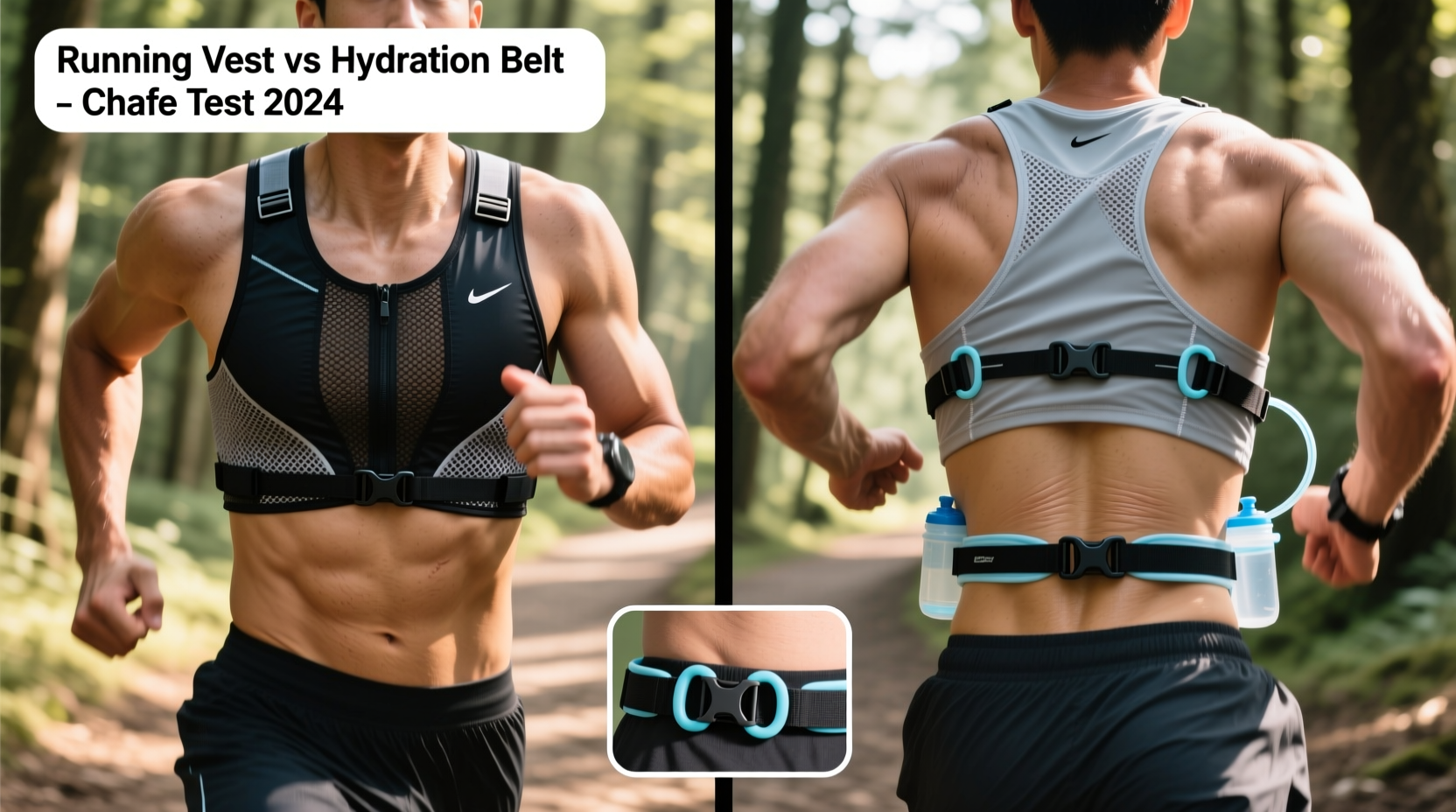
Chafing occurs when repetitive motion creates friction between skin and clothing—or between layers of skin. Sweat exacerbates this by softening the skin’s surface, making it more vulnerable to abrasion. In long runs, especially those exceeding 90 minutes, even minor rubbing can escalate into painful hot spots, particularly around the shoulders, underarms, lower back, and waistline.
The root causes of chafing from running gear include:
- Poorly fitted equipment that shifts during movement
- Seams, stitching, or rigid materials pressing against sensitive areas
- Overheating due to non-breathable fabrics trapping moisture
- Inadequate load distribution leading to pressure points
Because both running vests and hydration belts are worn close to the body for extended periods, their potential to cause chafing hinges on fit, material quality, adjustability, and how weight is distributed across the torso.
Tip: Apply anti-chafe balm (like BodyGlide) to high-friction zones before every long run—even if your gear feels secure.Running Vests: Design, Benefits, and Chafing Risks
Running vests—also known as hydration vests or ultrarunning packs—are form-fitting garments designed to carry water bottles in front and rear pockets, along with storage for gels, jackets, phones, and emergency supplies. Popular among trail runners and marathoners, they offer balanced weight distribution and easy access to hydration without hand fatigue.
Modern vests are engineered with lightweight mesh panels, elasticized straps, and adjustable sternum and shoulder buckles. When properly fitted, they move *with* the body rather than against it. However, improper sizing or overloading can turn them into chafing hazards.
Common chafing zones with running vests include:
- Shoulder straps: Especially where seams meet the top of the arms
- Sternum strap: Can rub against the collarbone or upper chest
- Underarm area: Mesh side panels may shift and create friction
- Lower back: If rear pockets extend too low or bounce
“Even a well-designed vest can chafe if it’s not dialed in. The key is micro-adjustments—tighten the sternum strap enough to prevent sway, but not so much that it pulls the shoulders forward.” — Dr. Lena Torres, Sports Biomechanist and Ultramarathon Coach
To reduce chafing risk, many elite runners recommend trying multiple brands before committing. What fits one runner perfectly may pinch another due to differences in torso length, shoulder width, or sweat patterns.
Hydration Belts: Simplicity and Skin Contact Trade-offs
Hydration belts consist of an elastic or neoprene waistband with flasks (usually two to four) positioned at the front or sides. They’re lighter, simpler, and often cheaper than vests. Their minimalist design appeals to road runners who want quick sips without extra bulk.
However, because all weight is concentrated around the waist, these systems face inherent challenges:
- Flask bounce during stride increases friction on hips and lower abdomen
- Neoprene bands trap heat and moisture, raising skin temperature
- Limited adjustability makes fine-tuning difficult
- Front-mounted flasks press into the hip flexors, especially during uphill efforts
Runners with narrow hips or shorter torsos often report that belts ride up, creating a grinding effect above the pelvic bone. Those with larger builds may find the band digs in unless loosened—which then leads to more bounce and instability.
Despite these drawbacks, some models have improved significantly. Newer designs feature breathable Lycra blends, rotating flask holsters, and dual-layer construction to minimize direct skin contact.
Mini Case Study: Sarah’s 50K Trail Attempt
Sarah, an experienced marathoner transitioning to ultra distances, trained for months using a basic hydration belt. On her first 50K attempt, she completed the first half comfortably but began noticing a burning sensation just above her right hip by mile 28. By mile 32, the friction had developed into an open sore. She finished the race but required two weeks off for recovery.
After switching to a lightweight running vest with padded shoulder straps and vented mesh, she re-ran the same course six months later. This time, despite higher elevation gain and longer duration, she reported zero chafing. “The difference wasn’t just the gear—it was how evenly the load was spread,” she said. “My belt focused everything on one spot. The vest shared the work.”
Comparative Analysis: Key Factors That Influence Chafing
To make an informed decision, consider the following factors when comparing running vests and hydration belts:
| Factor | Running Vest | Hydration Belt |
|---|---|---|
| Weight Distribution | Balanced across shoulders, chest, and back | Concentrated at the waist; prone to bounce |
| Material Breathability | High—mesh panels promote airflow | Low to moderate—neoprene traps heat |
| Adjustability | High—multiple straps allow precise fit | Limited—elastic bands stretch over time |
| Movement Sync | Generally moves with body when fitted well | Often lags during stride, causing rubbing |
| Chafing Risk Level | Low to moderate (if properly adjusted) | Moderate to high (especially beyond 2 hours) |
| Storage Capacity | High—up to 10L in some models | Low—typically holds only flasks and small items |
The data suggests that while hydration belts win on simplicity and initial comfort, they fall short in dynamic stability and thermal regulation—two major contributors to chafing over distance.
Tip: Always do a 10-minute test run at pace when trying new gear. Real movement reveals fit issues static fitting cannot.Step-by-Step Guide: Choosing Low-Chafe Hydration Gear
Follow this process to select the best option for your body and running style:
- Assess Your Typical Run Duration
If most of your runs exceed 90 minutes or involve remote trails, a vest offers better sustainability and safety. - Measure Your Torso and Chest
Use manufacturer size charts. Many vests require chest circumference and torso length for optimal fit. - Try Before You Buy (If Possible)
Visit a specialty running store to test models loaded with water. Pay attention to pressure points. - Load It Up and Move
Fill bottles and add a light jacket or phone. Jog, lunge, and twist to simulate trail movements. - Evaluate After 3–5 Runs
Don’t judge comfort after one outing. Skin needs time to react. Monitor for redness or irritation post-run. - Adjust and Refine
Tighten sternum straps incrementally. Lower shoulder bottle height if hitting arms. Use race-day clothing during trials.
Best Practices to Minimize Chafing Regardless of Gear Choice
No piece of equipment is immune to chafing if used incorrectly. These universal strategies help regardless of your choice:
- Wear Seamless, Moisture-Wicking Base Layers: Avoid cotton. Opt for merino wool or synthetic technical fabrics.
- Pre-Treat High-Risk Zones: Apply anti-chafe products to inner thighs, underarms, waistband lines, and nipples.
- Avoid Overloading: Extra weight increases movement and pressure. Only carry what you need.
- Wash Gear Regularly: Salt buildup from dried sweat stiffens fabric and increases abrasiveness.
- Replace Worn Equipment: Elastic degrades, seams unravel, and padding compresses over time. Retire gear showing signs of wear.
Checklist: Pre-Long Run Gear Readiness
- ✅ Hydration system cleaned and odor-free
- ✅ All straps adjusted and functioning
- ✅ Bottles filled and securely seated
- ✅ Anti-chafe balm applied to contact zones
- ✅ Clothing tested with gear in training
- ✅ Weight distribution feels balanced at running pace
Frequently Asked Questions
Can women use men’s running vests without chafing issues?
Some unisex models fit well across genders, but women-specific vests often feature narrower shoulder straps, reduced chest volume, and contoured shaping to prevent gapping and shifting. These design tweaks reduce movement and, consequently, chafing risk. Brands like Salomon, Ultimate Direction, and Nathan offer dedicated women’s cuts worth considering.
Are there hybrid options that combine vest and belt features?
Yes—some minimalist vests eliminate shoulder straps entirely, using a single chest band with front-mounted flasks (e.g., FlipBelt’s running vest variant or the SPIbelt Run Lite). Others integrate a low-profile waistband with a single flask and small pocket. While not ideal for full ultras, these hybrids offer a middle ground for runners seeking vest-like balance without full coverage.
Does weather affect chafing potential between the two?
Absolutely. In hot, humid conditions, hydration belts tend to worsen chafing due to poor ventilation around the waist. Vests, with their open mesh design, allow better airflow and sweat evaporation. In cooler weather, the insulating effect of a vest can be beneficial, whereas belts may feel constricting under layered clothing.
Conclusion: Prioritize Fit, Function, and Friction Control
The choice between a running vest and a hydration belt ultimately comes down to your individual physiology, running goals, and environmental demands. For most runners tackling distances beyond the marathon, the evidence strongly favors running vests—not just for capacity and accessibility, but for superior chafing resistance through balanced load distribution and advanced materials.
That said, a poorly fitted vest will always out-chafe a well-matched belt. The key is intentionality: measuring accurately, testing dynamically, and maintaining both gear and skin with equal diligence. As endurance running continues to evolve, so too does the technology designed to support it. Today’s best vests are lighter, smarter, and more anatomically tuned than ever—making them not just practical tools, but genuine comfort enhancers.
🚀 Ready to upgrade your long-run comfort? Try a rental program from a local running shop or online service to test top vests risk-free. Share your experience below—your insight could help another runner avoid a painful mistake.








