When it comes to running gear, few decisions are as immediate or personal as choosing between a short-sleeve running T-shirt and a long-sleeve top. Both have loyal followings among athletes and weekend warriors alike, but the real question isn’t about preference—it’s about performance. The right choice can influence your body temperature, sweat management, muscle protection, and even recovery. Understanding the science behind fabric, climate, and physiology helps cut through marketing hype and make a decision that supports your goals, not just your style.
Temperature Regulation and Climate Considerations
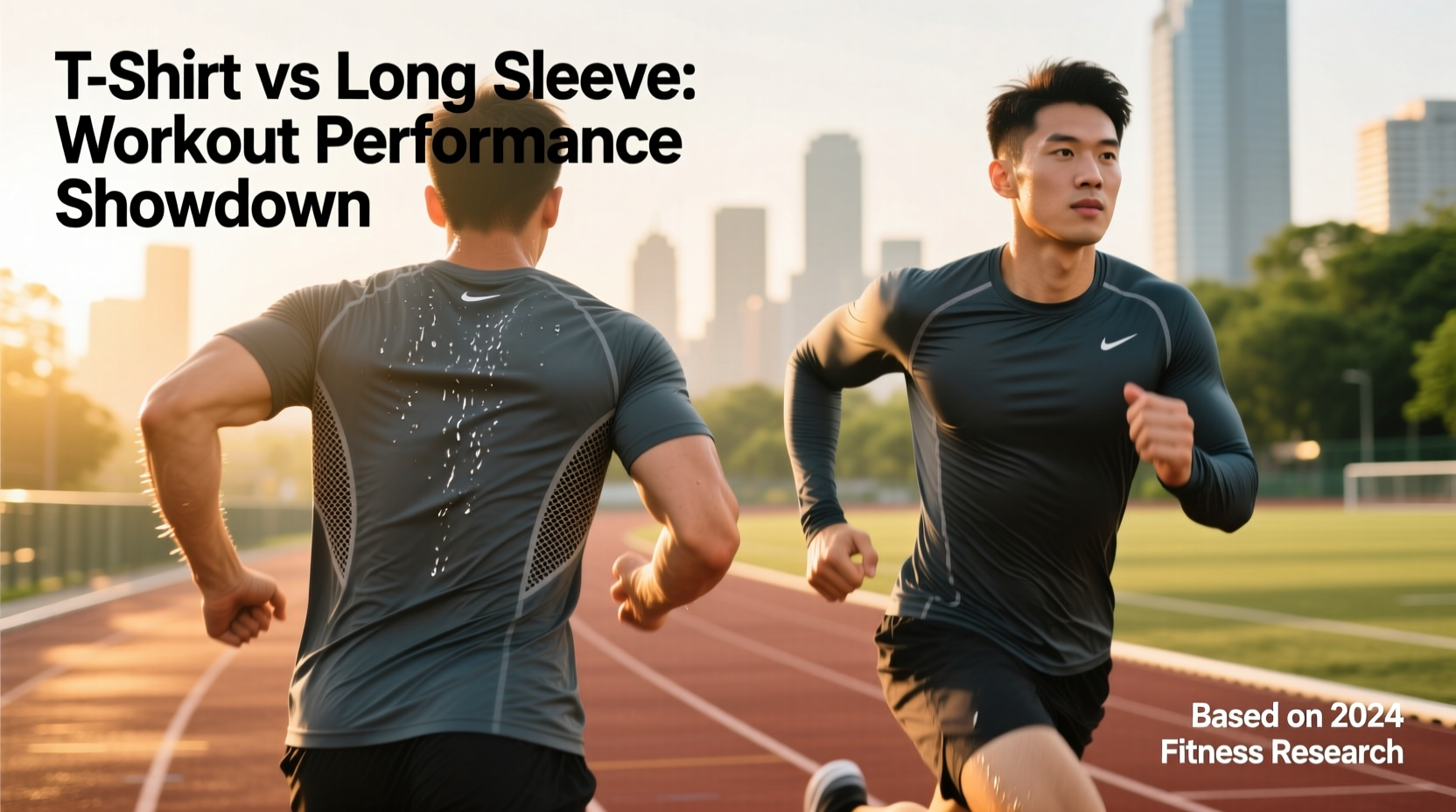
The environment you run in plays a decisive role in whether a short-sleeve T-shirt or long-sleeve top is more effective. In hot, sunny conditions, many assume that less clothing means cooler skin. However, research shows that lightweight, moisture-wicking long sleeves can actually reduce heat stress by shielding the skin from direct UV exposure while allowing sweat to evaporate efficiently.
In cooler weather—typically below 60°F (15°C)—long sleeves help retain core warmth without requiring bulky layers. They act as a thermal buffer, minimizing fluctuations in muscle temperature that can lead to stiffness or injury. On the other hand, short-sleeve shirts offer superior ventilation during high-intensity runs in humid climates, where rapid evaporation is key to staying cool.
Tip: Don’t judge fabric solely by sleeve length. A well-designed long sleeve made of ultralight, breathable material may feel cooler than a thick cotton T-shirt.Fabric Technology and Moisture Management
Modern athletic wear relies heavily on synthetic blends like polyester, nylon, and spandex engineered for moisture wicking, stretch, and durability. These materials pull sweat away from the skin and spread it across the fabric surface for faster evaporation. Whether short or long sleeve, the quality of the fabric matters more than the coverage.
However, long sleeves inherently cover more skin, meaning they manage sweat over a larger area. This can be an advantage in dry heat, where increased surface area enhances cooling. In contrast, short sleeves leave arms exposed, which allows for direct airflow and quicker drying—but also increases sun exposure and potential chafing from repeated arm motion.
Some long-sleeve performance tops now feature laser-cut ventilation zones under the arms or along the back, combining coverage with strategic breathability. Meanwhile, premium short-sleeve shirts use mesh panels and seamless construction to minimize friction and maximize airflow.
Protection Benefits of Long Sleeves
One of the strongest arguments for long sleeves lies in physical protection. Runners who log miles outdoors face risks beyond overheating. Ultraviolet (UV) radiation from the sun contributes to premature skin aging and increases the risk of skin cancer. A study published in the Journal of the American Academy of Dermatology found that UPF-rated athletic clothing provides significantly better UV protection than sunscreen alone, especially during prolonged exposure.
Long sleeves also guard against environmental abrasions—think trail runs with low-hanging branches, insect bites, or windburn in cold conditions. For runners training at dawn or dusk, reflective detailing on long sleeves improves visibility and safety without adding bulk.
“Runners consistently underestimate sun exposure. A lightweight long sleeve with UPF 50+ is one of the most effective forms of sun protection available.” — Dr. Lena Torres, Sports Dermatologist
Performance Comparison: When to Choose Which
There’s no universal answer to which garment performs better. Instead, the optimal choice depends on specific variables including time of day, season, intensity of effort, and individual physiology. Below is a comparison table summarizing key factors.
| Factor | Short-Sleeve T-Shirt | Long-Sleeve Top |
|---|---|---|
| Cooling Efficiency | High – direct airflow to arms | Moderate – depends on fabric weight |
| Sun Protection | Low – arms exposed | High – full-arm coverage with UPF options |
| Thermal Retention | Low – best for warm temps | High – ideal for cool to cold weather |
| Moisture Wicking | Excellent – large venting potential | Excellent – broader wicking surface |
| Chafing Risk | Moderate – biceps may rub clothing | Lower – seamless designs reduce friction |
| Versatility | High – suitable for most seasons with layering | Moderate – best in cool or sunny conditions |
Real Runner Scenario: Trail Half Marathon in Spring
Consider Sarah, an intermediate runner preparing for a spring trail half marathon starting at 7:30 AM. The forecast calls for 48°F (9°C) at the start, rising to 68°F (20°C) by midday, with clear skies and strong UV index by 10 AM. She opts for a fitted long-sleeve top made of lightweight, UPF 50+ fabric. During the first miles, the sleeves keep her arms warm without overheating. As temperatures climb, the moisture-wicking fabric continues to regulate her body heat. By noon, she finishes without sunburn or chills—something she previously experienced when wearing short sleeves and relying on sunscreen alone.
This example illustrates how situational awareness and technical gear can outperform assumptions based on tradition or comfort alone.
Step-by-Step Guide to Choosing Your Running Top
Follow this five-step process to select the right top for your next run:
- Check the weather forecast – Note temperature, humidity, wind speed, and UV index.
- Evaluate run duration and intensity – Longer, slower runs increase sun exposure; high-intensity efforts generate more heat.
- Assess your personal sensitivity – Do you burn easily? Get cold quickly? Prone to arm chafing?
- Select fabric type – Prioritize moisture-wicking synthetics or merino wool; avoid cotton.
- Decide on coverage – Use long sleeves for sun protection or warmth; short sleeves for maximum airflow in heat.
Frequently Asked Questions
Can long sleeves make me overheat during summer runs?
Not necessarily. Modern long-sleeve performance tops are designed with ultra-thin, breathable fabrics that block UV rays while enhancing evaporative cooling. In fact, many elite runners wear long sleeves in desert races to prevent sun-induced fatigue. Just ensure the garment is labeled for performance use—not fashion—and avoid dark colors that absorb heat.
Are short-sleeve shirts better for gym workouts?
In air-conditioned indoor environments, short sleeves often provide greater freedom of movement and comfort, especially during upper-body strength training. However, if you’re using treadmills near windows or doing outdoor circuit training, long sleeves can still offer UV protection and muscle insulation that supports endurance.
Do long sleeves help with muscle recovery?
Compression-style long sleeves may support circulation and reduce muscle oscillation during runs, potentially decreasing soreness afterward. While standard loose-fitting long sleeves don’t offer compression benefits, maintaining consistent muscle temperature throughout a run can reduce strain and micro-tears associated with cold starts.
Final Recommendations and Action Plan
The debate between running T-shirts and long sleeves isn’t about declaring a winner—it’s about matching function to purpose. Short sleeves excel in hot, humid, or high-output scenarios where ventilation is paramount. Long sleeves shine in cold weather, intense sun, or technical terrain where protection adds value beyond comfort.
Smart runners don’t rely on a single type of top. Instead, they build a rotation based on season, route, and goal. Here’s a practical checklist to optimize your wardrobe:
- Own at least two short-sleeve technical shirts for warm-weather training.
- Invest in one or two long-sleeve tops with UPF protection for early morning or alpine runs.
- Choose neutral or light-colored garments to reflect heat in summer.
- Wash performance gear separately with mild detergent to preserve wicking properties.
- Replace shirts every 6–12 months of regular use, as fabric efficiency degrades over time.
“The best running shirt is the one that lets you forget you’re wearing it.” — Marcus Reed, Pro Endurance Coach
Take Control of Your Performance
Your running apparel should serve your body, not distract from it. By understanding the strengths of both short and long sleeves—and leveraging advancements in fabric science—you gain a subtle but meaningful edge. Whether you're chasing a PR or simply enjoying the rhythm of the road, let informed choices elevate your experience. Assess your next run’s conditions, pick the right top, and step out with confidence.
💬 What’s your go-to running top and why? Share your experience and help others find their perfect fit!








