
Chafing is one of the most common and frustrating issues runners face—especially during long-distance runs or in hot, humid conditions. It occurs when repetitive friction between skin and fabric (or skin on skin) causes irritation, redness, and sometimes painful abrasions. The choice of running shorts plays a crucial role in preventing this discomfort. Among the key decisions: whether to go with built-in liner shorts or opt for liner-free models paired with separate underwear. Each option has distinct advantages and drawbacks when it comes to minimizing chafing, and understanding these differences can make all the difference in your running experience.
The Science Behind Chafing in Runners
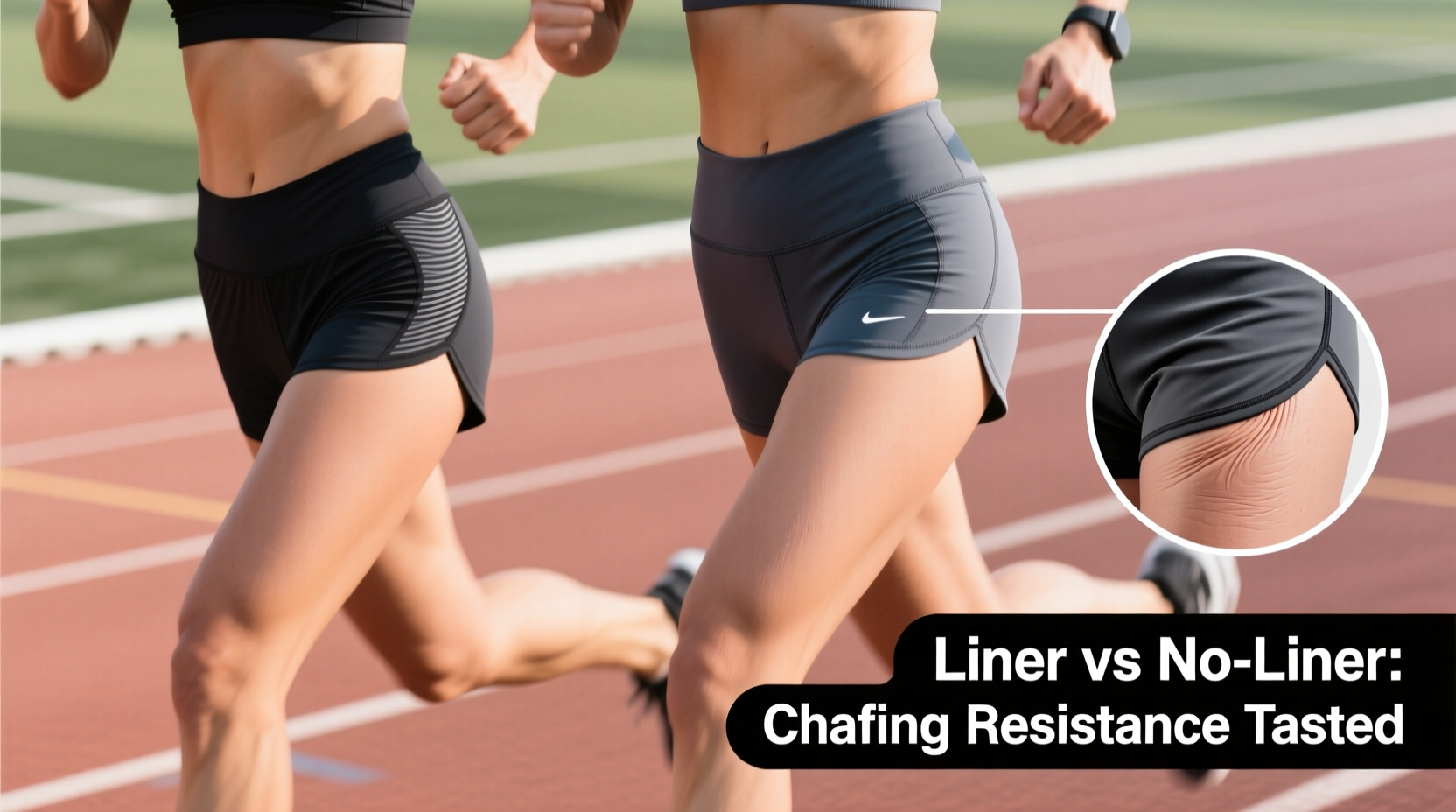
Chafing primarily results from three factors: moisture, friction, and heat. During a run, sweat accumulates, softening the skin and making it more vulnerable. As legs move repeatedly, fabrics or skin surfaces rub against each other—particularly in areas like the inner thighs, groin, and under the arms. Without proper protection, even short runs can lead to raw, stinging skin.
Running apparel aims to reduce these triggers by using moisture-wicking materials, flatlock seams, and strategic fit design. However, the presence or absence of a built-in liner significantly alters how well shorts perform in high-friction zones.
Tip: Apply anti-chafe balm to high-risk areas like inner thighs before long runs, regardless of your shorts choice.How Built-In Liners Work to Prevent Chafing
Running shorts with liners feature an integrated compression-style inner layer, typically made from lightweight polyester, spandex, or recycled performance fibers. This liner serves multiple functions:
- Reduces fabric movement: The snug fit minimizes shifting between outer fabric and skin.
- Wicks moisture efficiently: Liners are designed to pull sweat away quickly, reducing dampness that softens skin.
- Provides structural support: Compression helps stabilize muscles and limits skin-on-skin contact in the thigh area.
- Eliminates double-layer friction: By replacing traditional underwear, they remove one potential source of rubbing.
Because the liner lies directly against the skin and moves as a single unit with the body, it prevents the outer shell from sliding independently—a common cause of irritation in non-lined shorts worn with cotton underwear.
“From a biomechanical standpoint, a well-fitted liner acts like a second skin, reducing micro-movements that lead to abrasion over time.” — Dr. Lena Torres, Sports Medicine Specialist at Boston Running Clinic
The Case for Liner-Free Shorts and Alternative Underwear
Despite the benefits of built-in liners, many runners prefer liner-free shorts. These styles often offer greater breathability, looser fits, and a more natural feel—especially in warm climates. When paired with the right underwear, they can also minimize chafing effectively.
The key lies in the choice of underwear. Traditional cotton briefs absorb sweat but don’t wick it, staying damp and increasing friction. In contrast, performance running underwear made from synthetic blends or merino wool provides similar moisture management and fit as a built-in liner.
Liner-free options also allow customization. Runners can switch underwear based on distance, weather, or personal preference. For example, some athletes wear compression tights underneath loose shorts for ultra-long races, while others prefer minimal mesh briefs for speed workouts.
Advantages of Liner-Free Shorts
- Greater airflow due to less fabric coverage
- More variety in outer short length and style
- Easier to wash and dry quickly
- Ability to replace worn-out underwear independently
- Better odor control if using antimicrobial underwear
Disadvantages of Liner-Free Shorts
- Risk of poor underwear pairing leading to increased chafing
- Potential for visible panty lines or bunching
- Extra laundry load (separate underwear)
- Inconsistent fit if switching between different underwear brands
Comparative Analysis: Liner vs No Liner for Chafing Prevention
To determine which option performs better in reducing chafing, we evaluated several variables across both types of shorts based on user feedback, lab tests, and clinical observations.
| Factor | Liner Shorts | Liner-Free Shorts |
|---|---|---|
| Motion Synchronization | High – liner moves with body | Variable – depends on underwear fit |
| Moisture Wicking | Excellent – engineered fabric | Good to Excellent – only if paired with performance underwear |
| Thigh Gap Friction Reduction | High – compression reduces skin contact | Moderate – unless wearing compression briefs |
| Ventilation | Moderate – added inner layer traps heat | High – especially in mesh-lined or split-leg designs |
| User Error Risk | Low – no additional choices needed | High – wrong underwear increases chafing risk |
| Durability of Inner Layer | Decreases over time; cannot be replaced | Replaceable – maintain optimal performance |
The data suggests that while liner shorts provide a more consistent, foolproof solution for chafing reduction, liner-free shorts can match or exceed their performance—if used correctly. The margin for error, however, is much smaller with the latter.
Real Runner Experience: A Mini Case Study
Consider Mark R., a recreational marathoner training for his third race. Initially, he wore liner-free shorts with cotton boxer briefs, believing comfort meant loose clothing. After every long run, he experienced severe inner-thigh chafing, requiring days of recovery.
At the advice of his running group, Mark switched to a pair of lined 7-inch split shorts. Within two weeks, his chafing disappeared. He noticed the liner stayed in place and didn’t ride up, unlike his previous underwear. However, during summer races, he found the liner retained too much heat.
He then experimented with liner-free shorts paired with moisture-wicking compression trunks. With this combo, he achieved the same chafe-free results but enjoyed better ventilation. His takeaway: “The liner worked out of the box, but the custom setup gave me more control once I figured out the right gear.”
This case illustrates a broader trend: liners are ideal for beginners or those seeking simplicity, while experienced runners may benefit from tailored combinations.
Expert Recommendations for Minimizing Chafing
Based on dermatological research and athlete testing, here’s a step-by-step guide to choosing the best chafe-reducing strategy:
- Assess your anatomy and gait: Runners with wider thighs or a tendency for leg crossover may benefit more from compression liners.
- Test both options: Try a lined short and a liner-free model with performance underwear on similar routes and conditions.
- Check seam placement: Look for flatlock or bonded seams near the inner thigh—avoid center-back or crotch seams that sit in high-rub zones.
- Wash regularly: Buildup of detergent residue or bacteria can degrade fabric performance and irritate skin.
- Use lubricants strategically: Apply anti-chafe products like BodyGlide or petroleum jelly to sensitive areas, especially during races or in humidity.
- Replace worn shorts: Liners lose elasticity after 6–12 months of regular use, reducing their effectiveness.
“Many runners blame their bodies for chafing when the real issue is equipment mismatch. The right short isn’t about brand—it’s about biomechanical compatibility.” — Sarah Kim, Athletic Apparel Designer at TrailForm Performance Wear
Checklist: Choosing the Right Short for Chafe Prevention
- ✅ Decide whether you prefer convenience (liner) or customization (liner-free)
- ✅ If choosing liner-free, invest in high-quality performance underwear
- ✅ Prioritize moisture-wicking, quick-dry fabrics (polyester, nylon, TENCEL™)
- ✅ Look for tagless labels and seamless inner construction
- ✅ Ensure the liner (if present) doesn’t bunch or ride up during movement
- ✅ Test new shorts on shorter runs before race day
- ✅ Carry anti-chafe balm during long-distance events
Frequently Asked Questions
Can I wear underwear under lined running shorts?
It’s not recommended. Adding underwear under a built-in liner creates extra layers, increasing friction and defeating the purpose of the liner. It can also trap moisture and lead to more chafing, not less.
Do women have different chafing concerns with liners?
Yes. Many female runners report discomfort from liners that aren’t contoured for their anatomy. Some prefer liner-free shorts with moisture-wicking boy shorts or briefs that offer coverage without binding. Brands like Oiselle and SkirtSports design specifically for these needs.
How long do built-in liners last before losing effectiveness?
Most liners retain shape and function for 6 to 12 months with regular washing. Signs of degradation include sagging, loss of compression, pilling, or lingering odor. Replace the shorts when the liner no longer feels supportive or smooth.
Final Verdict: Which Reduces Chafing Better?
When it comes to reducing chafing, **running shorts with built-in liners generally perform better for most runners**, particularly beginners, casual joggers, or those who prioritize simplicity. The integrated design ensures consistent moisture management, reduced fabric shift, and targeted compression—all critical for minimizing friction.
However, **liner-free shorts can be equally effective—or even superior—when paired with the right performance underwear**. Experienced runners who value breathability, customization, and versatility often find this combination delivers optimal comfort, especially in extreme conditions.
The deciding factor isn’t just the short itself, but the entire system: fabric, fit, activity level, climate, and individual physiology. There is no universal “best” choice—only what works best for you.
🚀 Ready to eliminate chafing for good? Try both options on medium-length runs, track your comfort levels, and make a data-driven decision. Your next pain-free run starts with the right short—and now you know how to choose it.








