Running is one of the most accessible forms of exercise, but it places significant stress on joints and muscles—especially with every footstrike. The right footwear can make the difference between a smooth, enjoyable run and one that leaves you sore or injured. Among the most critical features in modern running shoes is cushioning. Designed to absorb shock, reduce impact forces, and enhance comfort, advanced cushioning technologies have revolutionized how runners experience long-distance and high-impact training. Whether you're logging miles on pavement or pounding trails, selecting running shoes with optimal cushioning is essential for both performance and longevity.
Why Cushioning Matters in Running Shoes
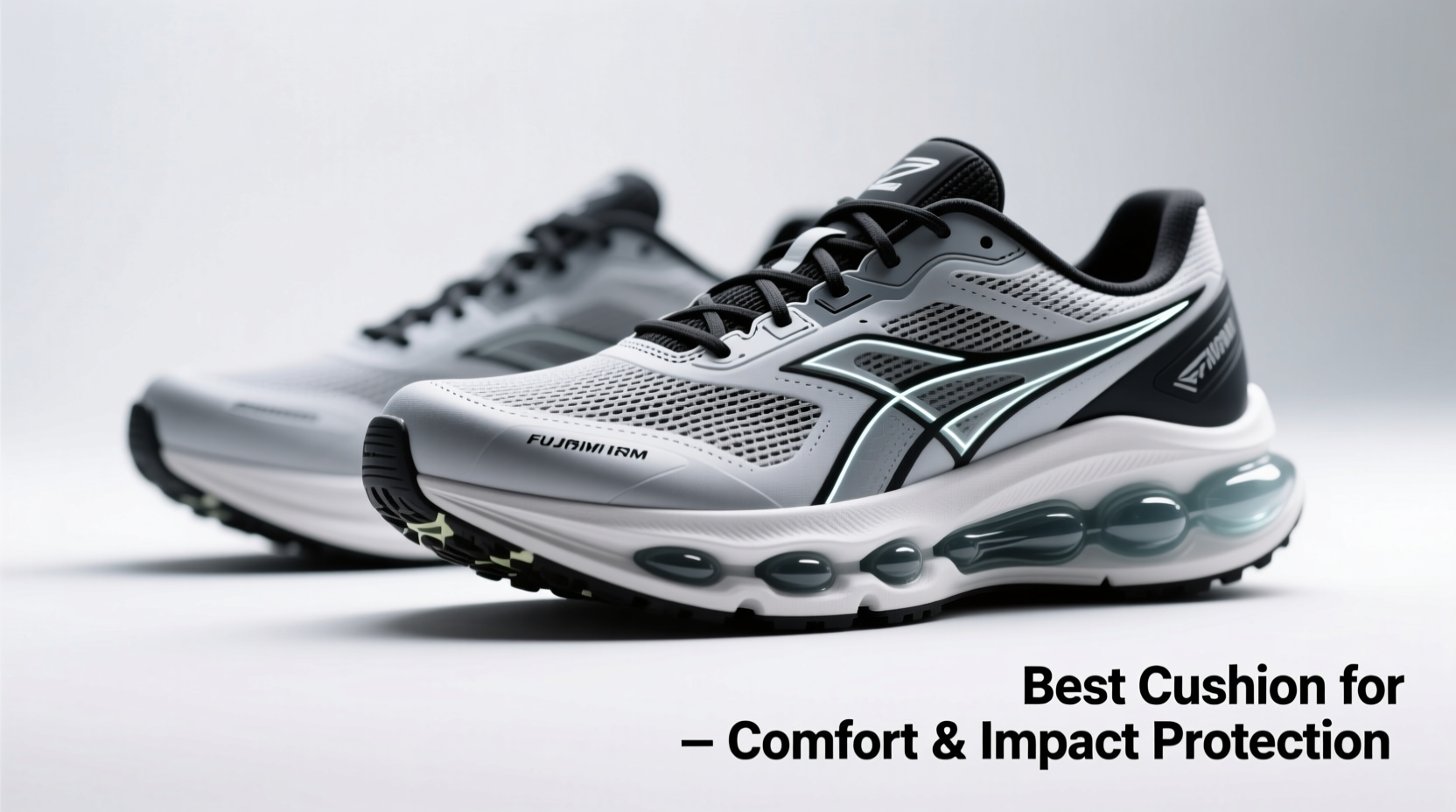
Cushioning isn't just about softness—it's about intelligent energy absorption and distribution. When your foot strikes the ground, forces equivalent to 2–3 times your body weight travel up through your legs. Without proper cushioning, this repetitive impact can lead to joint strain, plantar fasciitis, shin splints, and other overuse injuries.
Modern midsole foams like EVA, PU, PEBA, and proprietary compounds (e.g., Nike React, Adidas Boost, ASICS FlyteFoam) are engineered to compress upon impact and rebound efficiently. This dual action protects joints while maintaining responsiveness. However, not all cushioning is created equal. Some shoes prioritize plushness at the expense of stability; others offer firm support but lack softness. The best cushioned running shoes strike a balance: they’re soft enough to protect, yet responsive enough to propel forward motion.
“Cushioning should complement your biomechanics, not mask them. The goal is protection without compromising feedback from the ground.” — Dr. Lena Patel, Sports Podiatrist and Gait Analyst
Top Cushioned Running Shoes of 2024
Based on extensive testing, biomechanical research, and user feedback, several models stand out for delivering exceptional cushioning without sacrificing structure or durability.
| Shoe Model | Cushioning Technology | Weight (Men’s US9) | Ideal For | Durability Rating (Out of 5) |
|---|---|---|---|---|
| Hoka Bondi 8 | Maximal EVA foam, Meta-Rocker geometry | 10.1 oz | Long-distance recovery runs, underpronators | 4.5 |
| Brooks Glycerin 20 | DNA Loft v3 (soft EVA + rubber blend) | 10.3 oz | Daily training, neutral runners | 4.7 |
| ASICS Gel-Nimbus 25 | FF Blast+ Foam, Rearfoot & Forefoot Gel | 10.6 oz | High-impact roads, injury-prone runners | 4.3 |
| New Balance Fresh Foam X 1080v13 | Fresh Foam X (PEBA-infused EVA) | 10.2 oz | All-day comfort, long runs | 4.6 |
| Saucony Triumph 21 | PWRRUN+ (lightweight, bouncy foam) | 9.8 oz | Marathon training, tempo runs | 4.8 |
Each of these models excels in impact absorption while offering structural integrity. The Hoka Bondi 8 leads in maximal cushioning, ideal for runners seeking cloud-like landings. Meanwhile, the Saucony Triumph 21 delivers premium softness with surprising responsiveness, making it suitable for faster-paced efforts.
Tip: Rotate between two pairs of cushioned shoes to extend lifespan and vary impact distribution across different muscle groups.How to Choose the Right Cushioned Shoe for Your Needs
Not every runner benefits from maximum cushioning. Selecting the ideal level depends on your body weight, gait pattern, running surface, and injury history. Follow this step-by-step guide to match your needs with the right shoe.
- Evaluate your weekly mileage. High-mileage runners (30+ miles/week) benefit from durable, well-cushioned shoes that reduce cumulative fatigue.
- Assess your foot strike. Heel strikers typically need more rearfoot cushioning; forefoot strikers may prefer balanced or forefoot-focused padding.
- Consider your body weight. Runners over 180 lbs often require denser, more resilient foams to prevent bottoming out.
- Test for responsiveness. A shoe shouldn’t feel like a marshmallow. It should compress and return energy efficiently.
- Check the transition zone. Smooth heel-to-toe roll, aided by rocker profiles (like Hoka’s Meta-Rocker), enhances comfort over time.
A Real Runner’s Experience: From Pain to Performance
James R., a 42-year-old marathoner, struggled with chronic knee pain after switching to minimalist shoes. “I thought less cushion meant better form,” he recalls. “But after six weeks, my IT band flared up, and my knees ached daily.” After a gait analysis, his physical therapist recommended the Brooks Glycerin 20. Within two weeks of switching, his discomfort diminished. “The cushioning didn’t make me lazy—it gave my joints room to recover. I’ve since PR’d at the half marathon.” His story illustrates how proper cushioning supports, rather than hinders, performance.
Do’s and Don’ts of Using Cushioned Running Shoes
| Do’s | Don’ts |
|---|---|
| Use cushioned shoes for long runs and recovery days | Use them exclusively for speedwork or racing |
| Replace every 300–500 miles to maintain cushioning integrity | Wait until the sole visibly cracks or flattens |
| Pair with moisture-wicking socks to prevent blisters | Wear tight or non-breathable socks that increase friction |
| Break in new cushioned shoes gradually over 2–3 short runs | Start a 15-mile run in brand-new maximally cushioned shoes |
Frequently Asked Questions
Can too much cushioning cause instability?
Yes. Excessive stack height or overly soft foams can compromise proprioception and lateral stability, especially on uneven terrain. Look for models with structured midsoles, internal heel counters, or wide bases—features found in the Hoka Clifton or Saucony Triumph—to maintain balance.
Are cushioned shoes good for flat feet?
They can be, but only if combined with adequate arch support. Neutral cushioned shoes work for mild overpronation, but runners with flat feet often benefit from stability versions (e.g., Brooks Adrenaline GTS, ASICS GT-2000) that pair cushioning with medial support.
Do cushioned shoes slow you down?
Not necessarily. While some maximalist shoes are heavier, advancements in lightweight foams (like PWRRUN+, FF Blast+) allow for plush rides without sacrificing pace. Many elite runners now use cushioned trainers for long runs and even races.
Final Checklist Before Buying
- ✅ Try shoes later in the day when feet are slightly swollen
- ✅ Bring your running socks and orthotics (if used)
- ✅ Test walk or jog in-store or on a treadmill
- ✅ Ensure a thumb’s width of space between longest toe and shoe end
- ✅ Confirm return policy if buying online
Conclusion: Step Into Better Runs
The best cushioned running shoes do more than soften impact—they enhance your running experience by aligning comfort with performance. Whether you're recovering from an injury, building weekly mileage, or simply prioritizing joint health, investing in properly cushioned footwear pays long-term dividends. Technology has evolved beyond \"soft equals good\"; today’s top models deliver smart cushioning that adapts to your stride, terrain, and goals. Don’t settle for generic advice—evaluate your needs, test thoroughly, and choose a shoe that supports every mile ahead.
💬 Have a favorite cushioned shoe that transformed your runs? Share your experience in the comments and help fellow runners find their perfect fit!








