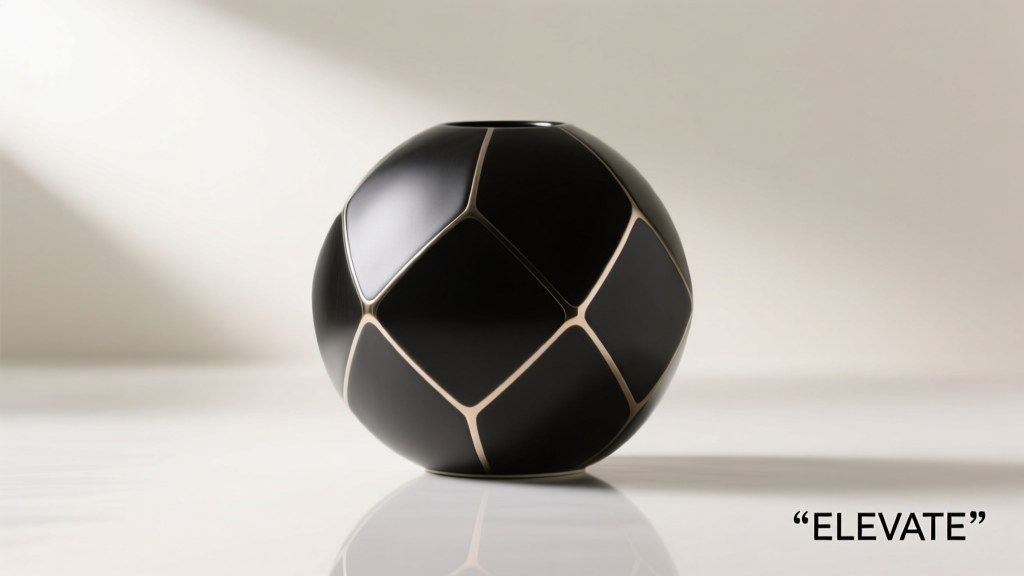
Types of Round Ball Cream Jars
A round ball cream jar is a popular packaging solution in the cosmetics and skincare industry, valued for its ergonomic design, aesthetic appeal, and functionality. The choice of material significantly influences the jar’s durability, sustainability, visual appeal, and overall user experience. Below is a detailed breakdown of the most common types of round ball cream jars available today.
Glass Jars
Made from high-quality borosilicate or soda-lime glass, these jars offer a premium, elegant appearance ideal for luxury skincare products.
Advantages
- High-end, sophisticated look
- Chemically inert – won’t react with creams
- Reusable and 100% recyclable
- Excellent clarity and transparency
Limitations
- Heavier than plastic or biodegradable options
- Fragile and prone to breakage
- Higher shipping costs due to weight
Best for: Luxury skincare brands, organic products, gift sets, and high-end cosmetics
Plastic Jars
Typically made from polypropylene (PP) or polyethylene (PE), plastic jars are lightweight and cost-effective, making them a staple in mass-market skincare.
Advantages
- Lightweight and shatterproof
- Low production and shipping costs
- Available in various colors, finishes, and designs
- Durable during transport and storage
Limitations
- Less premium appearance compared to glass
- May degrade or discolor over time
- Environmental concerns if not recycled properly
Best for: Everyday skincare lines, travel-sized products, and budget-friendly brands
Metal Jars
Constructed from stainless steel or aluminum, metal jars provide a modern, industrial aesthetic with excellent protection for sensitive formulations.
Advantages
- Highly durable and impact-resistant
- Offers a complete airtight seal
- Protects contents from light and oxidation
- Corrosion-resistant with proper coating
Limitations
- Heavier and more expensive than plastic
- Limited visibility of product inside
- Less common, so fewer design options
Best for: Premium balms, salves, and natural products requiring maximum shelf life
Biodegradable/Faux Jars
Made from plant-based materials like cornstarch, sugarcane (PLA), or bamboo composites, these eco-conscious jars decompose naturally.
Advantages
- Environmentally sustainable and compostable
- Renewable raw materials
- Appeals to eco-conscious consumers
- Can mimic glass or plastic aesthetics
Limitations
- Less durable under extreme temperatures
- Higher cost and limited availability
- May have a shorter shelf life than traditional materials
Best for: Green beauty brands, zero-waste initiatives, and environmentally focused product lines
Hybrid Jars
Innovative designs combining materials—such as a glass body with a plastic lid or a metal base with a transparent plastic insert—for enhanced functionality.
Advantages
- Combines aesthetic appeal with practicality
- Improved durability and user experience
- Versatile for branding and design innovation
Limitations
- More complex recycling process
- Higher manufacturing and material costs
- Increased weight compared to single-material jars
Best for: Brands seeking unique packaging that balances luxury, function, and innovation
| Type | Durability | Eco-Friendliness | Cost | Best For |
|---|---|---|---|---|
| Glass | Medium | High (recyclable) | Medium-High | Luxury skincare, gift packaging |
| Plastic | High | Low (unless recycled) | Low | Mass-market, travel products |
| Metal | Very High | High (reusable, recyclable) | High | Premium balms, long-term storage |
| Biodegradable | Low-Medium | Very High (compostable) | Medium-High | Eco-brands, sustainable lines |
| Hybrid | High | Medium (depends on materials) | High | Innovative, multi-functional packaging |
Expert Tip: When selecting a jar material, consider your brand identity, target audience, and distribution method. For example, glass enhances perceived value but requires careful packaging for shipping, while biodegradable jars support sustainability goals but may need climate-controlled storage.
Design of Round Ball Cream Jars: Functionality, Aesthetics & User Experience
The design of round ball cream jars plays a pivotal role in the success of cosmetic products. These containers are more than just functional vessels—they influence brand perception, usability, shelf appeal, and consumer satisfaction. Thoughtfully engineered round cream jars combine ergonomic functionality with aesthetic versatility, making them a preferred choice across skincare and beauty industries.
Key Design Considerations for Round Cream Jars
Size and Capacity
Round cream jars are available in a wide range of sizes—from compact 5ml travel containers to large 200ml professional jars. The choice of size directly impacts product usability, portability, and consumer perception. Smaller jars are ideal for samples, serums, or on-the-go use, while larger capacities suit daily moisturizers or spa treatments.
Designers must balance capacity with ergonomics: oversized jars may be difficult to handle or store, while undersized ones may require frequent refills. Additionally, volume influences shelf presence and perceived value—strategic sizing can enhance both functionality and marketing appeal.
Shape and Surface Design
The spherical or near-spherical form of round cream jars offers multiple advantages. Their smooth, continuous curves provide an intuitive grip and comfortable handling. Unlike angular containers, round jars eliminate sharp edges, reducing the risk of damage during transport and improving tactile experience.
The uniform surface is ideal for branding—labels wrap cleanly around the circumference, and logos can be prominently displayed. This seamless canvas supports high-quality printing, foiling, and decorative finishes, reinforcing brand identity and premium positioning on retail shelves.
Accessibility and Application
One of the greatest strengths of round cream jars is their user-friendly design. The open interior allows effortless access with fingers, spatulas, brushes, or applicator spoons. Unlike narrow-necked bottles, there’s no struggle to extract product, ensuring consumers can utilize every last bit without waste.
For multi-functional products, designers can incorporate internal dividers to create dual or triple compartments—perfect for separating day and night creams, or pairing a serum with a moisturizer. This innovation enhances convenience and supports complex skincare regimens in a single package.
Aesthetic Customization
Round cream jars offer unparalleled flexibility in visual design. Packaging experts can choose from glossy, matte, frosted, or metallic finishes to convey different brand personalities—from clinical minimalism to luxurious opulence.
Advanced decoration techniques such as embossing, debossing, and hot-stamping add texture and depth, elevating perceived product quality. Color psychology also plays a role: soft pastels suggest gentleness, bold hues indicate potency, and neutral tones project sophistication. These elements combine to create a compelling first impression that drives purchase decisions.
Lid Mechanisms and Sealing Options
Lid design is critical for both protection and user experience. Common options include:
- Twist-Off Lids: Provide a secure seal, ideal for preventing leakage during shipping and long-term storage. Often used for premium or sensitive formulations.
- Snap-On Lids: Offer quick access and a satisfying tactile feedback. Suitable for everyday use products where ease of opening is prioritized.
- Flip-Top Lids: Enhance convenience for on-the-go applications, allowing one-handed operation. Popular in travel-sized or active lifestyle skincare lines.
Hygiene and Product Integrity
To ensure product freshness and safety, many round cream jars include inner seals—typically foil or polymer liners that break upon first use. These seals serve as tamper-evident indicators, assuring customers the product is uncontaminated.
For hygiene-conscious users, airless pump inserts or spatula compartments can be integrated into the lid or base. These features minimize direct finger contact, reducing bacterial contamination and extending shelf life—especially important for preservative-free or organic formulations.
| Design Feature | Functional Benefit | Consumer Impact |
|---|---|---|
| Round Shape | Easy to hold, stack, and manufacture; reduces material stress points | Comfortable user experience; modern, clean appearance |
| Smooth Surface | Optimal for labeling and printing; easy to clean | Strong brand visibility; professional finish |
| Variety of Lids | Customizable security and accessibility | Enhances convenience and perceived product care |
| Internal Dividers | Enables multi-product packaging in one container | Innovative appeal; supports skincare layering trends |
Best Practices in Cream Jar Design
Important: While aesthetics are vital, never compromise on functionality or hygiene. Poorly sealed jars, difficult-to-open lids, or non-recyclable materials can damage brand reputation. Always balance visual appeal with practical performance and environmental responsibility to build lasting consumer trust.
Round Ball Cream Jar Specifications and Maintenance
Round ball cream jars are a popular packaging solution in the beauty and skincare industry, combining aesthetic appeal with functional design. Their unique spherical shape not only enhances shelf presence but also influences usability, storage, and product preservation. Understanding the full range of specifications and proper maintenance practices ensures optimal performance, longevity, and customer satisfaction.
Capacity & Size Options
Round ball cream jars are available in a wide range of capacities, typically from 30 mL to 300 mL, allowing brands to tailor packaging to their product type and market segment.
- 30–50 mL: Ideal for travel-sized samples, testers, or luxury miniatures in gift sets
- 60–100 mL: Common for daily-use facial creams and serums; balances portability and value
- 150–200 mL: Suitable for body butters, hand creams, or salon-sized products
- 250–300 mL: Best for high-consumption products, professional use, or refillable systems
Pro tip: Consider portion control and product viscosity when selecting size—thicker creams may require larger openings or wider mouths for easy dispensing.
Material Composition & Sustainability
These jars are commonly made from a blend of plastic, glass, and metal components, each offering distinct advantages in durability, clarity, and environmental impact.
- Plastic (PET/PP): Lightweight and shatter-resistant; ideal for travel and mass-market products
- Glass: Premium look and feel; offers superior barrier protection and recyclability
- Metal (aluminum/steel) accents: Used in lids or hybrid designs for enhanced sealing and elegance
- Eco-friendly options: Recycled plastics, biodegradable resins, and refillable systems support sustainability goals
Key insight: Multi-material jars should be disassembled before recycling to ensure proper waste stream separation.
Functional Design & Preservation Features
The effectiveness of a round ball cream jar extends beyond appearance—its design plays a crucial role in preserving product integrity.
- Airtight seals: Prevent oxidation and microbial contamination, extending shelf life
- UV-protective materials: Amber or opaque jars shield light-sensitive ingredients like retinol or vitamin C
- Vacuum sealing: Available in premium models to minimize air exposure and product degradation
- Wide-mouth design: Facilitates easy access and clean scooping, reducing bacterial transfer
Critical note: Clear plastic jars may allow UV penetration—avoid for photosensitive formulations unless lined or coated.
Maintenance & Storage Best Practices
Proper care ensures both the jar and its contents remain in optimal condition throughout the product lifecycle.
- Store in a cool, dry, and shaded area away from direct sunlight and heat sources (e.g., bathrooms with steam)
- Avoid extreme temperature fluctuations that can cause warping (plastic) or cracking (glass)
- Keep lids tightly closed to maintain seal integrity and prevent evaporation or contamination
- Clean the rim and lid regularly to avoid product buildup and bacterial growth
- For refillable jars, sanitize before refilling using mild soap and allow thorough drying
Smart habit: Label jars with batch numbers and expiration dates to track product freshness and compliance.
Multi-Compartment & Hybrid Designs
Advanced round ball jars may feature multiple chambers or hybrid structures, allowing separation of different formulations (e.g., serum + moisturizer) until use.
- Ideal for high-end skincare lines offering dual-phase or customizable treatments
- Requires precise manufacturing to ensure leak-proof separation and smooth dispensing
- More delicate than standard jars—handle with care to avoid misalignment or seal damage
- Often includes instructional inserts to guide consumers on proper usage
Design tip: Use color-coded compartments or textured lids to enhance user experience and brand differentiation.
Environmental & Usage Considerations
Environmental factors significantly impact both the jar’s durability and the product’s stability.
- Plastic jars can degrade under prolonged UV exposure—opt for UV-stabilized resins when needed
- High humidity may affect metal components, leading to corrosion; consider coated or stainless options
- Glass jars offer superior thermal resistance, making them suitable for products stored in warm climates
- For eco-conscious brands, pair jars with recyclable or compostable outer packaging
Sustainability note: Encourage customers to return empty jars through take-back programs to support circular economy models.
Professional Recommendation: When selecting round ball cream jars, prioritize functionality alongside aesthetics. For active ingredients, choose UV-protected, airtight glass containers. For travel or sample kits, lightweight, durable plastic jars with secure closures are ideal. Always conduct compatibility testing with your formulation to prevent leaching or degradation. Educate end-users on proper storage to maximize product efficacy and safety.
| Jar Capacity | Recommended Use | Material Type | Best For |
|---|---|---|---|
| 30–50 mL | Samples, travel kits | Recycled PET plastic | Marketing promotions, gift sets |
| 60–100 mL | Daily skincare | Clear or amber glass | Facial creams, serums |
| 150–200 mL | Body care products | Thick-walled PP plastic | Hand creams, body butters |
| 250–300 mL | Professional/refill use | Heavy-duty glass with metal lid | Spas, salons, refill stations |
Additional Considerations
- Child Safety: Consider tamper-evident seals or child-resistant closures for products intended for home use
- Brand Customization: Options include silk-screen printing, embossing, or custom lid colors to enhance brand identity
- Regulatory Compliance: Ensure materials are FDA-approved for cosmetic contact and meet EU REACH standards
- Shelf Stability Testing: Conduct accelerated aging tests to verify jar performance under various conditions
- User Experience: Include applicators (spatulas, pumps) or instructions to improve ease of use and hygiene
Versatile Applications of Round Ball Cream Jars Across Industries
Round ball cream jars have emerged as a highly functional and aesthetically pleasing packaging solution across multiple industries. Their compact, ergonomic design not only enhances product application but also supports brand identity, sustainability goals, and consumer convenience. From skincare to pharmaceuticals, these jars offer a blend of practicality and visual appeal, making them ideal for premium and everyday products alike. This guide explores the diverse applications of round ball cream jars, highlighting their benefits and real-world use cases.
Key Insight: The spherical design of round ball cream jars promotes controlled dispensing, reduces product waste, and improves user experience—making them a smart choice for brands focused on functionality and sustainability.
Industry-Specific Applications of Round Ball Cream Jars
- Skin Care & Beauty Products
Round ball cream jars are widely used in the skincare industry for packaging moisturizers, anti-aging creams, serums, and facial treatments. Their design encourages precise application, helping users apply the right amount of product—typically a pea-sized portion—per use. This minimizes overuse and extends product lifespan. These jars are especially popular for high-end skincare lines, where presentation and user experience are critical. Additionally, their compact size makes them ideal for travel kits, sample packs, and subscription boxes, allowing customers to test new formulations without commitment.
- Makeup & Cosmetic Formulations
In the cosmetics sector, these jars are commonly used for lip balms, under-eye treatments, highlighters, and cream-based blushes or concealers. The rounded shape allows for smooth fingertip or applicator access, ensuring even distribution and targeted application. Some brands incorporate internal dividers or compartments within a single jar to offer multi-product sets—such as a day and night cream combo or matching eye and lip treatments—enhancing product coordination and retail appeal. This modular design supports cross-selling and encourages customer loyalty.
- Home Care & Fragrance Solutions
Round ball jars are increasingly used in home care for packaging solid air fresheners, scented diffusers, and eco-friendly cleaning pastes. Their design enables controlled release of fragrance or cleaning agents, allowing users to apply small, concentrated doses where needed—ideal for bathrooms, closets, or laundry areas. Available in a wide range of vibrant colors, patterns, and finishes, these jars double as decorative items, blending functionality with home aesthetics. Brands often use them for seasonal collections or limited-edition releases to drive consumer interest.
- Pharmaceutical & Dermatological Treatments
In the medical and pharmaceutical fields, round ball cream jars are used to package topical ointments, medicated creams, and dermatological treatments for conditions like eczema, psoriasis, or acne. The sealed, hygienic design helps maintain product integrity and prevents contamination. Clear labeling space on the jar allows for dosage instructions, active ingredients, and usage guidelines, improving patient compliance and safety. Their portable size also makes them suitable for travel or daily carry, supporting consistent treatment regimens.
- Sustainable & Eco-Conscious Branding
Many brands are leveraging round ball cream jars to align with environmental values by using recycled glass, biodegradable plastics, or refillable systems. The minimalist, modern look of these jars complements eco-friendly branding, appealing to environmentally conscious consumers. Some companies offer take-back programs or refill stations, further reducing plastic waste. By combining sustainability with premium design, brands can strengthen customer loyalty and stand out in competitive markets.
| Industry | Common Products | Key Benefits | Sustainability Features |
|---|---|---|---|
| Skin Care | Moisturizers, Anti-Aging Creams, Serums | Precise dosing, reduced waste, travel-friendly | Recyclable materials, refill options |
| Cosmetics | Lip Balms, Under-Eye Creams, Cream Blushes | Multi-compartment design, easy application | Biodegradable packaging, minimal ink usage |
| Home Care | Air Fresheners, Scented Diffusers, Cleaners | Controlled fragrance release, decorative appeal | Reusable jars, plant-based ingredients |
| Pharmaceuticals | Topical Ointments, Dermatological Creams | Hygienic seal, clear labeling, portability | Medical-grade recyclable containers |
| Eco-Brands | All categories with green focus | Brand trust, consumer engagement | Compostable materials, carbon-neutral production |
Pro Tip: When selecting round ball cream jars for your product line, consider custom labeling, color-matching to your brand palette, and including usage instructions directly on the lid or base. These small touches enhance user experience and reinforce brand professionalism.
Best Practices for Utilizing Round Ball Cream Jars
- Optimize Portion Control: Design jars with shallow interiors to prevent over-scooping and encourage measured use.
- Enhance Shelf Appeal: Use vibrant colors, metallic finishes, or embossed logos to make products stand out on retail shelves.
- Promote Sustainability: Clearly label jars as recyclable or compostable and provide disposal instructions to support eco-conscious consumers.
- Support Multi-Use Packaging: Offer refill pouches or bulk refills to reduce plastic consumption and build long-term customer relationships.
- Ensure Hygiene: Include inner seals or peel-off membranes to guarantee product freshness and safety upon first use.
Round ball cream jars represent more than just packaging—they are a strategic tool for improving user experience, reinforcing brand values, and promoting sustainable consumption. Whether used in luxury skincare, daily cosmetics, or therapeutic treatments, their versatility and aesthetic flexibility make them a top choice for forward-thinking brands. By thoughtfully integrating these jars into product design and marketing, companies can deliver both functional and emotional value to their customers.
Round Ball Cream Jar - Frequently Asked Questions
Q1: What are the benefits of using cream jars with a round design?Round ball cream jars offer a range of functional and aesthetic advantages that make them a popular choice in the beauty and skincare industry. Their smooth, spherical shape not only enhances visual appeal but also provides practical benefits for both consumers and brands.
- Versatile Application: Ideal for storing multiple types of creams—such as under-eye treatments, moisturizers, serums, or spot treatments—thanks to their uniform internal space and ease of access.
- Compact & Portable: The round design maximizes volume while minimizing footprint, making these jars easy to store at home or carry in travel kits and cosmetic pouches.
- Material Flexibility: Available in premium materials like frosted glass, recyclable plastics, aluminum, or biodegradable composites, allowing brands to achieve a luxurious or eco-conscious aesthetic.
- Enhanced Shelf Appeal: The symmetrical, rounded form provides excellent surface area for branding and creates a clean, modern look on retail shelves or vanity displays.
- User-Friendly Design: Smooth edges and balanced weight improve the tactile experience, contributing to a premium unboxing and usage feel.
Additionally, the absence of corners reduces product trapping, enabling more complete usage and minimizing waste—making round jars both efficient and economical over time.
Q2: How should a round ball cream jar be maintained for optimal longevity?Proper maintenance ensures the durability of your cream jar and preserves the integrity of the product inside. Whether used personally or as part of a professional skincare line, consistent care is essential.
- Clean After Each Use: Wipe the rim and lid with a soft, lint-free cloth after each application to prevent residue buildup. For deep cleaning, wash with mild soap and lukewarm water—avoid harsh scrubbing to prevent scratches.
- Store Properly: Keep the jar in a cool, dry place away from direct sunlight and high humidity (e.g., avoid leaving it in the shower or near a bathroom sink), which can degrade sensitive ingredients and compromise packaging materials.
- Avoid Temperature Extremes: Do not expose the jar to freezing or excessively hot environments, as this may cause cracking (especially in glass) or melting (in certain plastics).
- Regular Inspection: Check for signs of wear such as cracks, cloudiness (in plastic), chipped edges, or warped lids. Damaged jars should be replaced promptly to maintain hygiene and product safety.
- Use Clean Tools: When dispensing creams, use sanitized fingers or a spatula to reduce bacterial contamination and extend shelf life.
Following these simple steps helps maintain the jar’s appearance, functionality, and the quality of the product it contains—especially important for natural or preservative-free formulations.
Q3: Are round ball cream jars environmentally friendly?Yes, many round ball cream jars can be environmentally sustainable—depending on the materials used and how they are disposed of. Sustainability has become a key focus in cosmetic packaging, and manufacturers now offer several eco-conscious options.
| Material Type | Recyclability | Eco-Friendly Features | Considerations |
|---|---|---|---|
| Glass | Highly recyclable | Inert, non-toxic, reusable, and made from natural materials | Heavier weight increases shipping emissions |
| Aluminum/Metal | Fully recyclable | Lightweight, durable, and infinitely recyclable | May require lining to prevent product interaction |
| Bioplastics (e.g., cornstarch, PLA) | Compostable under industrial conditions | Made from renewable resources; biodegradable | Not always accepted in standard recycling; requires specific disposal |
| Traditional Plastics | Varies by resin type (check recycling code) | Lightweight and cost-effective | Often ends up in landfills; some are non-recyclable |
Brands committed to sustainability often pair recyclable jars with refill programs or minimalist labeling to reduce environmental impact. Consumers can further support green practices by reusing jars for DIY beauty products or choosing brands that prioritize circular packaging solutions.
Q4: How can companies choose the appropriate size for a round ball cream jar?Selecting the right size involves balancing product formulation, customer expectations, branding strategy, and economic efficiency. The ideal capacity supports both usability and market positioning.
- Product Type & Usage Frequency: Lightweight moisturizers or daily serums may benefit from larger sizes (e.g., 50ml), while potent treatments (like eye creams) often come in smaller jars (5–15ml) due to lower usage frequency.
- Target Market: Travelers may prefer compact sizes (10–20ml), whereas luxury or at-home users might value larger, value-packed containers.
- Launch Strategy: Sample or trial sizes (3–8ml) are effective for new product introductions, allowing customers to test before committing to full-size versions.
- Cost & Fill Efficiency: Larger jars reduce per-unit packaging costs but increase material use. Smaller jars allow for higher perceived value in premium lines, even at a higher price per ml.
- Shelf Presence: Size should align with other products in the line for visual consistency and brand recognition.
Many brands offer tiered sizing (mini, standard, deluxe) to cater to different consumer needs and encourage repeat purchases. Conducting market research or A/B testing packaging sizes can help determine optimal fit for target demographics.
Q5: What makes a round ball cream jar design visually appealing and marketable?A well-designed round ball cream jar combines aesthetics, functionality, and brand identity to capture attention and build customer loyalty. In a competitive beauty market, packaging often influences purchase decisions as much as the product itself.
- Color & Finish: Soft pastels, metallic tones, or matte finishes convey luxury, while bright colors suggest energy and innovation. Frosted glass or soft-touch coatings enhance tactile appeal.
- Surface Treatments: Techniques like embossing, debossing, UV coating, or laser engraving add texture and sophistication, making logos or patterns stand out.
- Lid Design: Contrasting or metallic lids (e.g., gold, silver, rose gold) elevate perceived value and provide a striking visual accent.
- Eco-Aesthetic: Natural materials, minimalist labels, and earthy tones resonate with eco-conscious consumers and align with clean beauty trends.
- Brand Consistency: Aligning jar design with overall brand language—color palette, typography, and messaging—strengthens recognition and trust across product lines.
- Unboxing Experience: Thoughtful details like magnetic closures, inner seals, or custom inserts enhance perceived quality and shareability on social media.
Ultimately, the most successful designs are those that reflect the brand’s values while offering a seamless, enjoyable user experience—from first glance to final use.









