Cycling eyewear has evolved from simple sunshades into high-performance gear tailored to specific riding styles. As more riders invest in quality optics, a common question arises: are road bike glasses meaningfully different from mountain bike glasses, or is the distinction mostly driven by branding and marketing?
The short answer is yes — there are genuine functional differences rooted in riding conditions, terrain, and physiological demands. But like many niche product categories, some overlap exists, and not every model fits neatly into one box. Understanding what truly sets these two types apart helps cyclists make smarter choices without falling for hype.
Design Philosophy: Speed vs. Protection
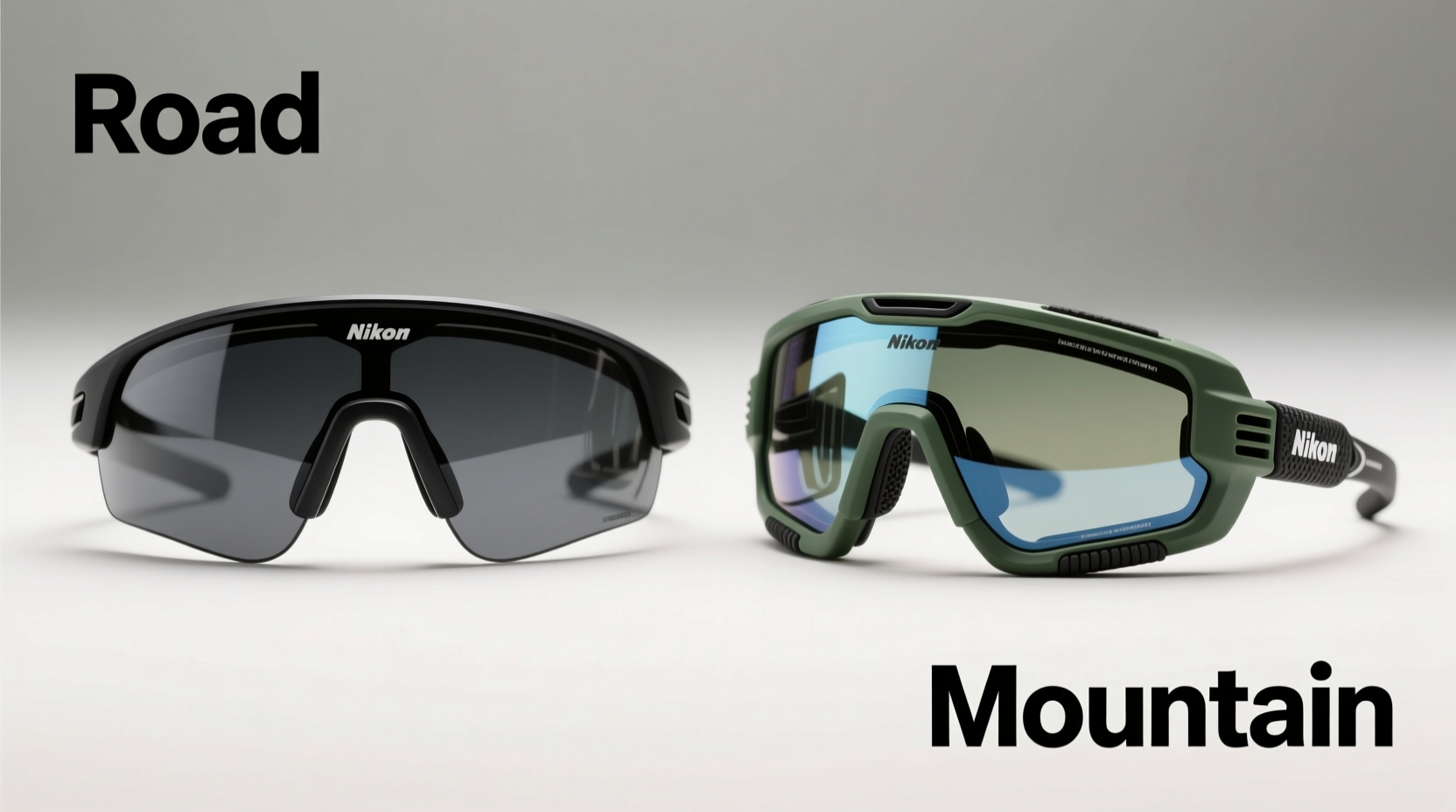
Road cycling emphasizes aerodynamics, efficiency, and sustained speed on paved surfaces. Glasses designed for this discipline prioritize lightweight construction, sleek profiles, and maximum airflow to prevent fogging during long climbs or sprints. Lenses often have a curved wraparound shape to shield eyes from wind and peripheral glare while minimizing drag.
In contrast, mountain biking involves unpredictable terrain, debris, sudden shade changes, and frequent impacts from branches or dust. MTB-specific glasses lean toward enhanced coverage, durability, and impact resistance. Frames tend to be slightly bulkier with higher cheek guards and extended side shields. Some even integrate foam gaskets or semi-rimless designs to keep trail grit out.
Tip: If you ride technical singletrack regularly, opt for full-coverage frames—even if they look “bulky.” Your eyes will thank you after a dusty descent.Lens Technology: Clarity Across Conditions
Lens performance is where both types shine, but with different priorities. Road glasses typically use photochromic or interchangeable lenses optimized for variable sunlight—common on open roads where cloud cover shifts frequently. High-contrast yellow or rose tints enhance detail on gray pavement, while mirrored coatings reduce glare from reflective asphalt.
Mountain bike lenses focus on dynamic contrast management. Forested trails create rapid transitions between bright sunlight and deep shadow. Amber, copper, or brown tints are favored because they boost contrast in low-light environments, helping riders spot roots, rocks, and ruts faster. Many MTB models come with multiple lens swaps included for dawn rides, overcast days, or night sessions.
“On technical descents, your brain processes visual input 30% faster with high-contrast lenses. That split-second advantage can mean avoiding a crash.” — Dr. Lena Torres, Sports Vision Researcher at Boulder Human Performance Lab
Frame Fit and Comfort: Stability Under Stress
Fit is critical for both types, but the nature of instability differs. On the road, discomfort usually stems from pressure points during long static positions (e.g., hunched over drop bars). Road glasses feature thin, flexible temples and rubberized nose pads to stay put without squeezing.
Off-road, vibrations, bumps, and aggressive body movements challenge eyewear stability. Mountain bike frames often include oversized temple grips, silicone-coated contact points, and snuger facial contours. Some brands offer adjustable nose bridges or modular arms to customize fit across face shapes.
A poorly secured frame isn’t just annoying—it’s dangerous. One jolt could displace your glasses mid-descent, blinding you momentarily. For serious trail riders, secure fit trumps minimalism.
Comparative Overview: Key Differences at a Glance
| Feature | Road Bike Glasses | Mountain Bike Glasses |
|---|---|---|
| Frame Design | Sleek, aerodynamic, low-profile | Bulkier, protective, extended coverage |
| Lens Tint Focus | Glare reduction, UV protection | Contrast enhancement, low-light visibility |
| Ventilation | High airflow to prevent fogging | Balanced airflow with dust protection |
| Durability | Moderate; focused on comfort | High; impact-resistant materials |
| Lens Interchangeability | Sometimes available (premium models) | Common; often includes multiple lenses |
| Foam Lining | Rare | Frequent in rimless/semi-rimless models |
Real-World Example: Two Riders, One Pair of Glasses?
Consider Alex and Jordan—both avid cyclists who share a passion for endurance events. Alex primarily races on the road, logging hundreds of miles weekly on paved routes. Jordan specializes in enduro racing, navigating rocky switchbacks and dense woods.
They each tried the other’s preferred glasses on a mixed-surface group ride. Alex borrowed Jordan’s mountain bike goggles-style glasses. While impressed by the eye coverage and clarity in shadows, he found them too warm on open stretches, leading to excessive sweating and fog buildup despite ventilation ports.
Jordan wore Alex’s ultra-thin road frames on a technical climb. The lightweight feel was pleasant initially, but after hitting a rough section, the glasses slipped repeatedly. A stray twig flicked the lens edge, cracking it slightly—a reminder that road-grade polycarbonate isn’t built for brush contact.
The takeaway? Cross-use works for casual riding, but when performance and safety matter, specialization pays off.
Can You Use One Pair for Both Disciplines?
Yes—but with compromises. Many modern “universal” cycling sunglasses blur the line between road and trail. Brands like Oakley, Smith, and Rudy Project offer hybrid models with moderate coverage, interchangeable lenses, and durable yet streamlined frames.
These hybrids work well for recreational riders who dabble in both disciplines. However, competitive or frequent riders benefit more from purpose-built gear. Think of it like shoes: you can walk in running sneakers, but trail runners give better grip on uneven ground.
- If you spend >70% of time on pavement: choose road-oriented glasses.
- If you ride technical trails weekly: invest in MTB-specific protection.
- If you split time evenly: consider a mid-tier hybrid with lens-swapping capability.
Actionable Checklist: Choosing the Right Glasses
- Evaluate your primary riding environment: Paved roads favor aerodynamic designs; trails demand coverage and durability.
- Test lens performance in real conditions: Try wearing potential models during similar lighting as your usual rides.
- Check for secure fit: Shake your head gently—glasses should stay firmly in place.
- Assess ventilation needs: Hot climates or intense efforts require superior airflow.
- Consider lens interchangeability: More versatile for changing light, especially off-road.
- Look beyond brand hype: Read independent reviews and check lab-tested impact ratings (ANSI Z87.1 or similar).
Frequently Asked Questions
Can I use my mountain bike glasses for road riding?
Absolutely, especially if you value eye protection and don’t mind slightly reduced airflow. Just be aware they may feel warmer and heavier over long distances.
Do road glasses offer enough UV protection?
Yes—virtually all quality cycling glasses, regardless of type, provide 100% UVA/UVB protection. The difference lies in coverage area and optical clarity under motion.
Are expensive glasses worth it?
For frequent riders, yes. Premium models use better lens coatings (anti-fog, hydrophobic), lighter materials, and ergonomic engineering that improve comfort and safety over time.
Final Thoughts: Beyond Marketing Hype
The divide between road and mountain bike glasses isn't manufactured—it's shaped by real-world demands. While marketing amplifies stylistic differences, the core distinctions in fit, lens tech, and protection stem from legitimate functional needs.
That said, not every rider needs two pairs. Advances in adaptive optics and unisex frame geometry mean capable all-around options exist. The key is aligning your purchase with how, where, and how often you ride—not just how cool the ads look.
🚀 Ready to upgrade your ride? Assess your typical route, lighting conditions, and comfort needs—then choose eyewear that matches your reality, not someone else’s ideal. Share your favorite pair and why it works for you!








