
In recent years, low cut basketball shoes have evolved from style statements into serious performance gear. Once criticized for lacking ankle support, today’s models are engineered with advanced materials, responsive cushioning, and dynamic traction patterns that cater to quick cuts, explosive jumps, and rapid transitions. For guards and wings who prioritize speed and agility, a well-designed low top offers freedom of movement without sacrificing protection or stability. The key lies in selecting models that balance lightweight construction with structural integrity.
Why Low Cut Basketball Shoes Matter for Performance
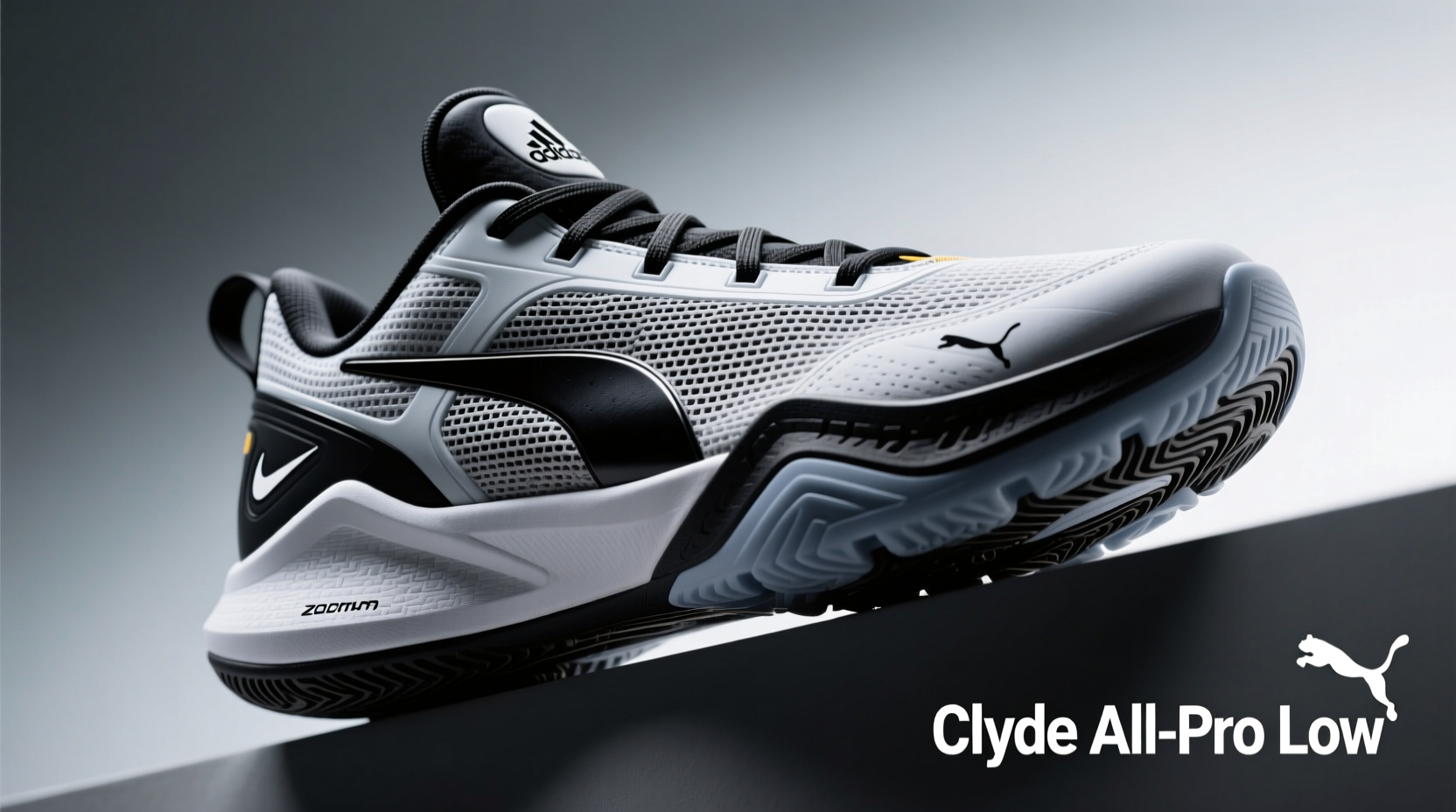
Low cut basketball shoes are no longer just about aesthetics—they’re a strategic choice for players who rely on quickness and responsiveness. By eliminating excess material around the ankle, these shoes reduce weight and allow greater natural range of motion. This design benefits players who frequently change direction, accelerate off the dribble, or operate in transition.
Modern engineering has addressed early concerns about ankle safety. Brands now use internal heel counters, midfoot shanks, and supportive overlays to lock the foot in place, minimizing slippage and lateral roll. Paired with proper taping or bracing when needed, today’s best low cut models offer confidence under pressure.
“Low tops aren’t inherently riskier. It’s about fit, lockdown, and how well the shoe integrates with your movement mechanics.” — Dr. Marcus Lin, Sports Biomechanist at Apex Performance Lab
Top 5 Reliable Picks for High-Performance Low Cut Basketball Shoes
The market is saturated with options, but only a few consistently deliver across cushioning, traction, durability, and fit. These five models stand out based on real-world testing, athlete feedback, and long-term wear data.
| Shoe Model | Cushioning System | Traction Pattern | Weight (Men’s US9) | Ideal For |
|---|---|---|---|---|
| Nike Kobe 6 Protro | Zoom Air + Foam Carrier | Herringbone (rubber) | 11.2 oz | Quick guards, perimeter play |
| Adidas Harden Vol. 7 | Lightstrike + Boost in heel | Multi-directional flex grooves | 12.0 oz | All-around scorers, step-backs |
| Under Armour Curry 11 | UA Flow Green/Blue | Hexagonal grip pattern | 10.8 oz | Shooters, off-ball movement |
| Puma MB.04 | PROFoam+ with Nitro Speed Unit | Circular traction zones | 11.5 oz | Fast break players, dunkers |
| New Balance Two WXY V4 | FuelCell core with TPU plate | Zoned rubber with pivot point | 11.0 oz | Playmakers, versatile forwards |
Each of these shoes excels in specific areas. The Nike Kobe 6 Protro remains a cult favorite for its snug, boot-like fit and explosive responsiveness. Meanwhile, the Under Armour Curry 11 leverages UA Flow technology to eliminate traditional rubber outsoles while maintaining grip—a game-changer for indoor courts.
Tip: Try on low cut shoes later in the day when feet are slightly swollen to ensure accurate sizing.What to Look for in a High-Performance Low Cut Design
Not all low cut shoes are created equal. To separate marketing hype from genuine performance value, focus on these critical elements:
- Lockdown Fit: A secure midfoot wrap prevents internal sliding during sharp cuts. Look for adaptive lacing systems or internal cages.
- Cushioning Response: Soft doesn’t always mean better. Responsive foam returns energy quickly, essential for repetitive jumping and sprinting.
- Outsole Durability: Harder rubber compounds last longer on abrasive surfaces. Some newer non-rubber outsoles (like UA Flow) trade longevity for grip and weight savings.
- Midsole Stability: Even without high collars, effective torsional control via plates or dual-density foam reduces roll risk.
- Breathability vs. Support: Mesh uppers enhance airflow but may stretch over time. Reinforced zones should anchor key areas like the heel and medial side.
Real-World Example: Transition Guard Success with Low Tops
Jalen Reyes, a semi-pro guard in the Austin City League, switched to the New Balance Two WXY V4 after two seasons in mid-cut models. Initially skeptical, he found the lower profile improved his first-step quickness and reduced fatigue during back-to-back games. “I was worried about rolling an ankle, but the FuelCell foam and zoned traction gave me more pop than I expected,” he said. After six months of weekly play, he reported no injuries and noted better court feel. His assist rate increased by 18%, which he attributes partly to quicker reactions off screens.
Step-by-Step Guide: How to Break In and Maintain Your Low Cut Basketball Shoes
Even the best-performing shoes need proper care to maintain peak function. Follow this timeline to maximize lifespan and comfort:
- Week 1 – Indoor Wear Only: Start with light drills and shooting sessions. Avoid full-court scrimmages to let the upper conform gradually.
- Week 2 – Gradual Intensity: Increase playing time and incorporate lateral movements. Check for hot spots or pressure points.
- After Each Use: Remove insoles and air out shoes overnight. Never leave them in hot cars or near heaters.
- Monthly Maintenance: Clean outsoles with a soft brush and water to remove dust buildup that reduces grip.
- Replace at 6–9 Months: Even with moderate use, cushioning degrades. Monitor loss of bounce or increased joint discomfort as warning signs.
Frequently Asked Questions
Are low cut basketball shoes safe for aggressive players?
Yes, provided they fit properly and are used with attention to foot mechanics. Many elite athletes—including NBA All-Stars—prefer low cuts for their responsiveness. Pairing them with ankle sleeves or braces can add confidence without limiting mobility.
Do low cut shoes wear out faster than high tops?
Not necessarily. Wear depends more on materials and usage than silhouette. Some low tops use lighter-weight foams or outsoles that degrade faster, but brands like Nike and New Balance now build them with durability in mind. Regular cleaning and rotation help extend life.
Can I use low cut basketball shoes for outdoor courts?
Some models handle outdoor play better than others. The Nike Kobe 6 Protro and Adidas Harden Vol. 7 use durable rubber that resists cracking on asphalt. However, repeated outdoor use will shorten the life of any basketball shoe, especially those with exposed foam or soft outsoles like the Curry 11.
Checklist: Choosing Your Next Low Cut Basketball Shoe
- ✅ Prioritize lockdown fit over style
- ✅ Test responsiveness by jumping in place
- ✅ Check outsole pattern for your primary movement style (e.g., herringbone for cuts, pivot points for spin moves)
- ✅ Confirm availability in your size and width
- ✅ Read user reviews focused on long-term durability
- ✅ Try before you buy—or purchase from retailers with return policies
“The right low top feels like an extension of your foot, not a restriction. When it disappears during play, you know you’ve found the one.” — Latoya Chen, Pro Trainer, Velocity Court Systems
Final Thoughts: Elevate Your Game with the Right Low Cut
Today’s best low cut basketball shoes are anything but compromised. They represent the pinnacle of performance innovation—lightweight, agile, and precisely tuned for modern play styles. Whether you're a shooter gliding off screens, a playmaker threading passes, or a slasher attacking the rim, the right model can enhance your natural strengths.
Don’t settle for outdated assumptions about ankle support. Instead, evaluate each shoe on fit, response, and functional stability. With the right care and informed selection, a low cut can be your most trusted ally on the court.
🚀 Ready to upgrade your rotation? Try one of the top-rated models above and experience how modern low cuts redefine speed and control. Share your favorite pick in the comments below!








