For homeowners with large yards, thick brush, or uneven terrain, electric or battery-powered trimmers often fall short. Gas-powered weed trimmers deliver unmatched power, runtime, and cutting performance—making them the go-to choice for serious yard work. But not all gas trimmers are created equal. Choosing the right model means balancing engine strength, ergonomics, fuel efficiency, and reliability. After evaluating top models across performance metrics and user feedback, here are the most dependable gas weed trimmers that stand up to tough jobs season after season.
Why Gas Still Dominates for Heavy-Duty Trimming
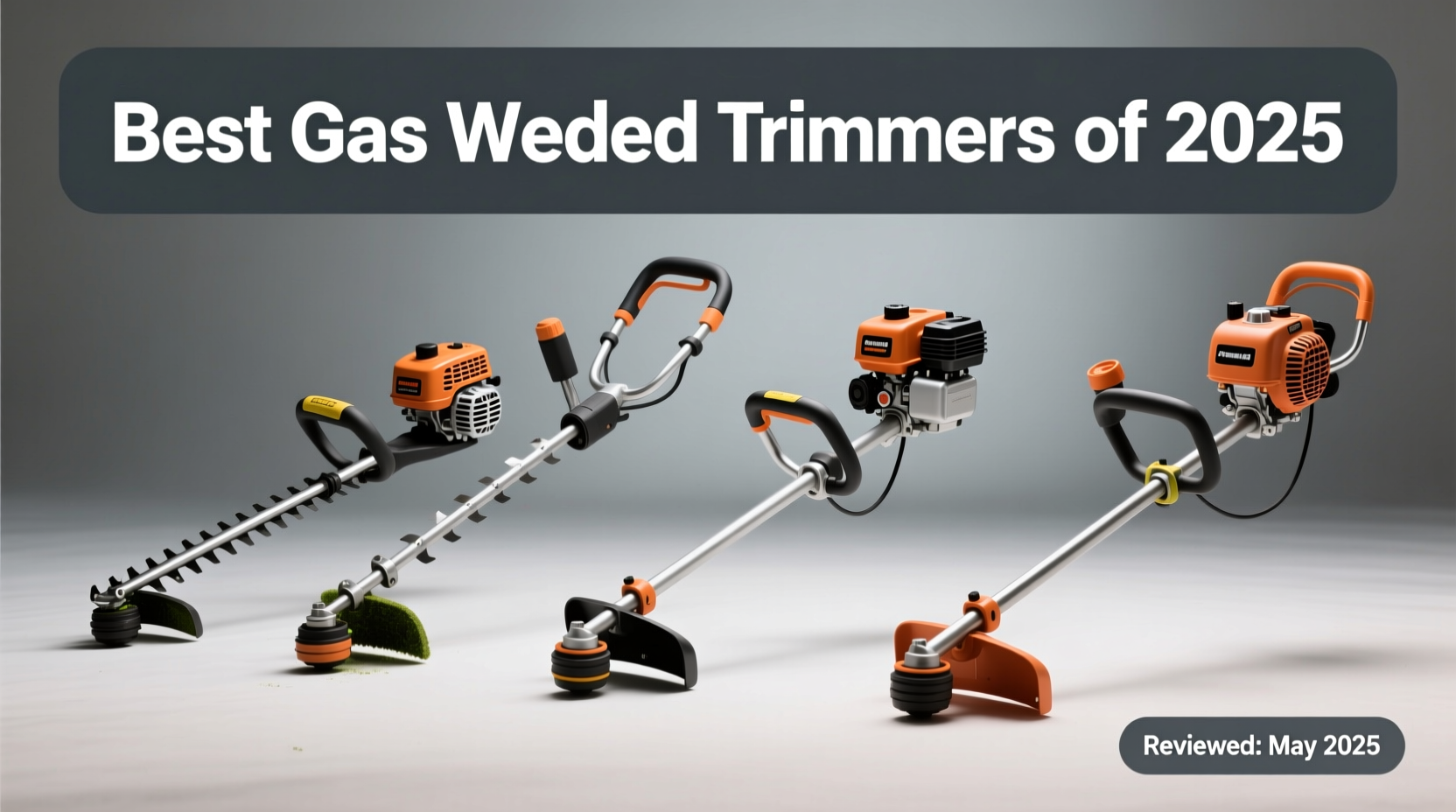
While cordless technology has improved dramatically, gas trimmers remain the gold standard for high-volume landscaping. Their two-stroke and four-stroke engines generate higher torque, allowing them to slice through thick weeds, overgrown grass, and even small saplings without bogging down. Unlike battery models, they don’t suffer from runtime limitations—refuel in seconds and keep working.
Professional landscapers and rural property owners consistently favor gas trimmers for their ability to handle dense vegetation and extended use. As John Ritter, a certified grounds maintenance supervisor with over 15 years of field experience, puts it:
“On a 3-acre property with mixed terrain, you need raw power and zero downtime. A quality gas trimmer isn’t just convenient—it’s essential.” — John Ritter, Grounds Maintenance Supervisor
Top 5 Reliable Gas Weed Trimmers for Tough Lawns
The following models have earned consistent praise for durability, ease of starting, vibration control, and cutting efficiency. Each is suited to different needs—from weekend warriors to full-time landscapers.
| Model | Engine Type | Power (cc) | Weight (lbs) | Best For |
|---|---|---|---|---|
| Husqvarna 128R | Two-stroke | 27 cc | 9.7 | Homeowners with medium to large yards |
| ECHO SRM-225 | Two-stroke | 21.2 cc | 9.4 | Budget-conscious users needing reliability |
| Stihl FS 56 C-E | Two-stroke (stratified charge) | 27.2 cc | 10.1 | Professionals seeking low emissions & high power |
| Craftsman CMXGGAS021311 | Two-stroke | 27 cc | 9.5 | DIYers wanting brand trust and value |
| Shindaiwa T231U | Two-stroke | 23.1 cc | 9.2 | Users prioritizing lightweight and balance |
Husqvarna 128R – Best Overall Performance
The Husqvarna 128R strikes an ideal balance between power and usability. Its 27 cc engine starts reliably thanks to the Air Purge system, which removes air from the carburetor and fuel lines before ignition. The ergonomic design reduces strain during prolonged use, and the bump-feed nylon head delivers consistent line advancement. Durable metal gears and a transparent fuel tank add to its practicality.
Tip: Mix fresh fuel with the correct oil ratio (typically 50:1) and never store mixed fuel longer than 30 days to prevent carburetor clogs.ECHO SRM-225 – Most Reliable Budget Option
Don’t let the lower displacement fool you—the ECHO SRM-225 punches above its weight. It features a durable cylinder and piston design, a tool-less air filter cover, and excellent vibration damping. Lightweight and easy to start, it’s ideal for those who maintain half-acre lots or deal with seasonal overgrowth. Its reputation for lasting over a decade with basic maintenance makes it a standout value.
Stihl FS 56 C-E – Premium Choice for Professionals
Stihl’s C-E series incorporates stratified charge technology, reducing fuel consumption and emissions by up to 20% while increasing torque. The M-Tronic™ ignition system automatically adjusts spark timing, eliminating the need for choke adjustments in varying temperatures. Though slightly heavier, its build quality and long-term reliability justify the higher price tag for frequent users.
What to Look for in a Dependable Gas Trimmer
Selecting a reliable trimmer goes beyond brand names. Consider these key factors before purchasing:
- Engine Displacement (cc): Models between 25–30 cc offer optimal power for residential and semi-pro use.
- Vibration Reduction: Prolonged use can lead to hand fatigue. Look for anti-vibration mounts and balanced shafts.
- Starting System: Features like primer bulbs, decompression valves, and air purge systems make cold starts easier.
- Fuel Efficiency: Four-stroke models are more efficient but rarer; modern two-strokes with clean-burn tech are excellent alternatives.
- Line Feed Mechanism: Bump feed is user-friendly; auto-feed works better for continuous trimming.
- Build Quality: Metal gear housings, reinforced handles, and commercial-grade cables last longer than plastic components.
Maintenance Checklist for Longevity
A well-maintained gas trimmer can last 10 years or more. Follow this monthly and seasonal checklist to ensure peak performance:
- Check and clean the air filter (replace if torn or excessively dirty).
- Inspect the spark plug for fouling; replace annually.
- Clear debris from the cooling fins and muffler area.
- Examine the trimmer line spool and replace worn heads.
- Tighten loose nuts, especially around the guard and clutch housing.
- Drain old fuel before storage; run the engine dry or use a fuel stabilizer.
- Lubricate the drive shaft every 25 hours of use (if applicable).
Real-World Example: Clearing a Neglected Half-Acre Lot
Tom, a homeowner in central Pennsylvania, inherited a half-acre property overgrown with tall fescue, thistles, and young multiflora rose. His initial attempt with a cordless trimmer failed within 20 minutes due to battery drain and blade jamming. He switched to a used Husqvarna 128R he bought refurbished. With fresh fuel mix and a new trimmer head, he cleared the entire lot in three weekends. “It powered through brush I thought would need loppers,” Tom said. “After cleaning the air filter mid-way, it started on the second pull every time. This thing is a beast.”
This case illustrates how the right gas trimmer transforms an overwhelming task into a manageable project—especially when dealing with neglected or wild landscapes.
Step-by-Step Guide to Starting and Using Your Gas Trimmer Safely
Proper operation ensures both safety and equipment longevity. Follow this sequence:
- Mix fuel correctly: Use fresh unleaded gasoline with non-ethanol or ethanol-free fuel if possible. Add 2-cycle oil at the manufacturer’s recommended ratio.
- Check components: Ensure the guard is secure, the line is properly loaded, and the air filter is clean.
- Prime the engine: Press the primer bulb 5–6 times until fuel is visible.
- Set choke: Move the choke lever to the full position for cold starts.
- Pull the starter cord: Use a smooth, full pull. Avoid yanking too hard.
- Transition to run mode: Once the engine fires, move the choke to the half or run position as it warms.
- Begin trimming: Hold the trimmer at a 90-degree angle to the ground and use sweeping motions. Let the line do the cutting—don’t force it.
- Shut down properly: Run the engine at idle for 30 seconds before turning it off to stabilize internal temperatures.
Frequently Asked Questions
Can I use ethanol-free fuel in my gas trimmer?
Yes—and it’s highly recommended. Ethanol-blended fuels attract moisture, degrade rubber and plastic parts, and cause varnish buildup in carburetors. Ethanol-free fuel (often labeled as “rec fuel” or “premium non-oxygenated”) extends engine life and improves starting reliability.
How often should I replace the trimmer line?
Replace the line when it becomes frayed, uneven, or shorter than 6 inches. Frequent bumping against hard surfaces accelerates wear. High-quality .080-inch or .095-inch diameter lines last longer and cut more effectively in dense growth.
Are four-stroke trimmers better than two-stroke?
Four-stroke models are quieter, more fuel-efficient, and emit fewer pollutants, but they are typically heavier and less common in handheld trimmers. Most reliable gas trimmers today are advanced two-stroke engines with clean-burn technology, offering the best compromise of power, weight, and emissions.
Conclusion: Power Through Any Yard With Confidence
When it comes to conquering unruly lawns and persistent weeds, a dependable gas weed trimmer is a cornerstone tool. Whether you’re maintaining a sprawling suburban yard or managing overgrowth on rural land, investing in a proven model like the Husqvarna 128R, ECHO SRM-225, or Stihl FS 56 C-E pays dividends in performance and durability. Pair your choice with consistent maintenance and proper technique, and you’ll spend less time fighting equipment issues and more time enjoying a clean, manicured landscape.
💬 Have a favorite gas trimmer or pro tip? Share your experience in the comments below and help fellow homeowners make smarter choices.








