
Hunting demands resilience, focus, and the right equipment—especially when weather turns unpredictable. Rain can transform a promising hunt into an uncomfortable, even dangerous experience if you're not properly equipped. Reliable hunting rain gear isn't just about staying dry; it's about maintaining body temperature, preserving mobility, and staying focused on your objective. The best systems go beyond waterproofing to deliver breathability, durability, and quiet operation in the field.
With so many options on the market, choosing the right rain gear requires understanding material technology, fit considerations, and real-world performance under pressure. Whether you're tracking elk in the Pacific Northwest or deer in the Appalachian woods, investing in high-performance rainwear is non-negotiable for serious hunters.
Why Standard Rain Jackets Won’t Cut It in the Field
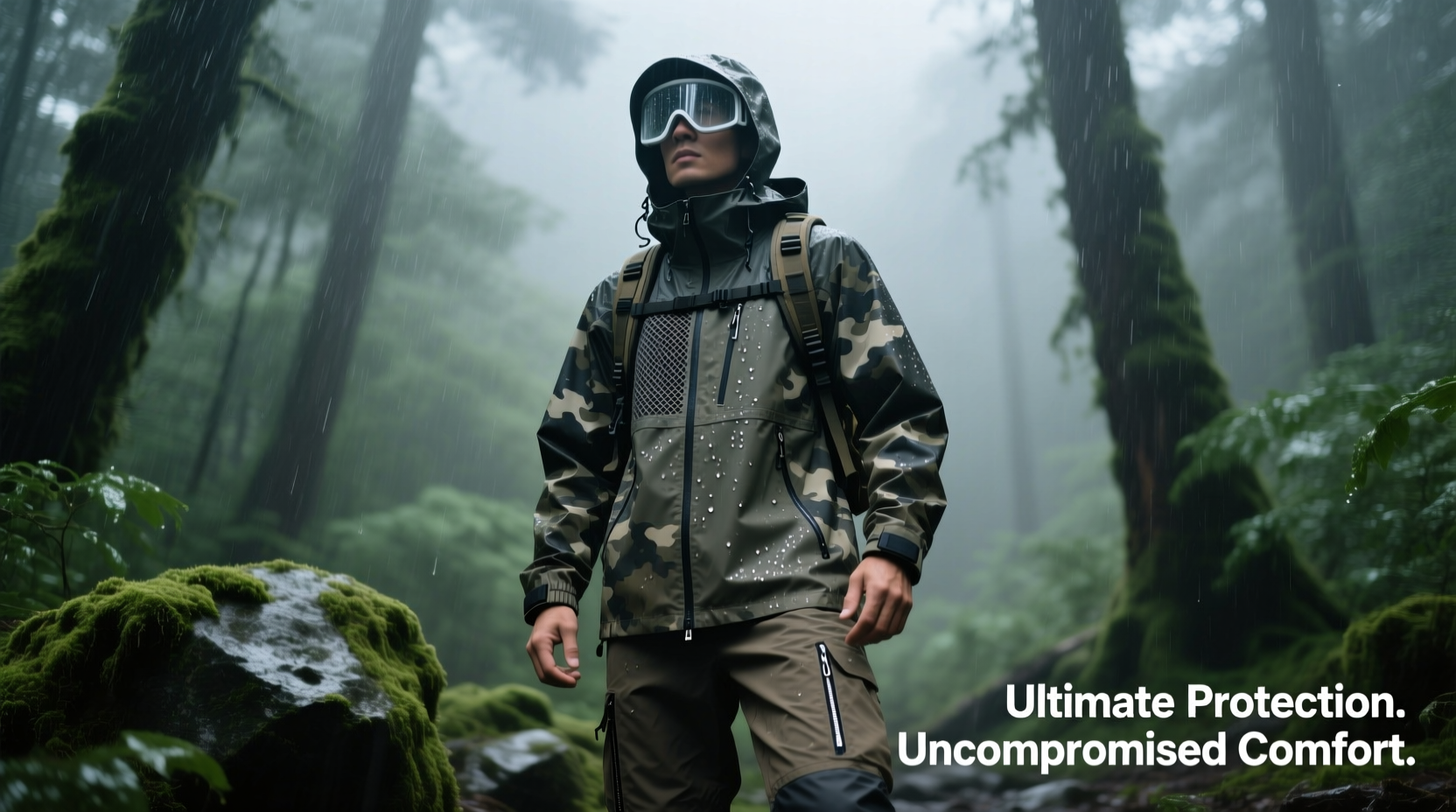
Many off-the-shelf rain jackets are designed for urban commuting or light hiking—not for the rigors of backcountry hunting. They often fail in three critical areas: breathability, noise, and durability.
When you’re glassing from a ridge or stalking through thick brush, excessive sweating inside a non-breathable shell can leave you damp and chilled—a dangerous combination at elevation. Noisy fabrics like crinkly vinyl or stiff nylon can spook game long before you get within range. And flimsy zippers or thin materials may tear after minimal contact with branches or rocks.
“Hunters need more than waterproof fabric—they need a system engineered for stealth, endurance, and thermal regulation.” — Travis Mendez, Outdoor Gear Designer & Former Guide
Key Features of High-Performance Hunting Rain Gear
The most effective hunting-specific rainwear integrates advanced materials and thoughtful design. Here’s what sets top-tier systems apart:
- Waterproof-Breathable Membranes: Look for proven technologies like Gore-Tex, eVent, or proprietary membranes such as Sitka’s Core Series or First Lite’s HydroScape. These allow moisture vapor (sweat) to escape while blocking external water.
- Quiet Fabrics: Noise reduction is crucial. Laminated face fabrics or micro-fleece linings minimize rustling sounds during movement.
- Strategic Ventilation: Pit zips, rear vents, or zip-off sleeves help regulate temperature during high-exertion phases like climbing ridges.
- Durable Water Repellent (DWR) Finish: Keeps the outer fabric from “wetting out,” ensuring the membrane functions efficiently.
- Articulated Design: Pre-bent elbows, gusseted underarms, and extended hems improve range of motion for drawing a bow or shouldering a rifle.
- Integrated Hood Compatibility: Hoods should fit comfortably over a beanie or hearing protection without obstructing peripheral vision.
Top-Rated Brands and Their Performance Profiles
Not all hunting rain gear is created equal. The following brands have earned reputations for innovation and reliability among professional guides and seasoned hunters.
| Brand | Key Technology | Breathability | Noise Level | Best For |
|---|---|---|---|---|
| Sitka Gear | GORE-TEX Pro, Core Series | ★★★★★ | Low (quiet face fabric) | Alpine and extreme weather hunts |
| First Lite | HydroScape, KODE Shell | ★★★★☆ | Low-Moderate | Western big game and multi-day treks |
| Stone Glacier | Vertx ST II Shell | ★★★★☆ | Low | Backpacking and rugged terrain |
| REI Co-op | Impermeable membrane (non-Gore) | ★★★☆☆ | Moderate (noisier fabric) | Casual hunters on a budget |
| Guide Gear (Bass Pro Shops) | Polyurethane-coated polyester | ★★☆☆☆ | High (crinkly sound) | Short-duration wet weather use |
Note: While premium brands come at a higher price point, their longevity and performance justify the investment for frequent hunters. A single season of hard use can expose the limitations of lower-tier alternatives.
Real-World Scenario: Elk Hunting in the Blue Mountains
Consider the experience of Daniel Reyes, a wildlife biologist and avid hunter in eastern Oregon. During a late-season elk hunt, he encountered unseasonal snow and freezing rain at 7,200 feet. His previous rain jacket—purchased from a general outdoor retailer—failed within hours. The outer fabric “wet out,” the interior foggged with condensation, and the stiff material made every step audible on frozen ground.
The following year, he invested in a full Gore-Tex Pro system from Sitka. In nearly identical conditions, he remained dry both outside and in. The jacket’s underarm zips allowed him to dump heat while ascending steep slopes, and the quiet fabric let him approach within 30 yards of a bugling bull. He credits his success to proper layering and silent, breathable protection.
“I used to think rain gear was just about staying dry. Now I know it’s about staying functional. If you’re cold, sweaty, or loud, you’ve already lost the advantage.” — Daniel Reyes, Wildlife Biologist & Hunter
Step-by-Step Guide to Choosing and Using Your Rain System
- Assess Your Hunting Environment: Will you face prolonged rain, sleet, or occasional drizzle? Alpine hunts demand heavier-duty gear than lowland deer drives.
- Select a Layering-Compatible System: Ensure your rain shell fits over mid-layers (fleece, down, or synthetic insulation) without restricting movement.
- Test Mobility: Try mimicking shooting positions, climbing motions, and crouching in-store or at home.
- Inspect Seams and Zippers: Fully taped seams and water-resistant zippers prevent leaks. YKK AquaGuard zippers are industry standard.
- Wear It Before You Need It: Break in your gear on local hikes. This reveals fit issues and helps you learn ventilation management.
- Maintain Properly: Clean with tech-wash (e.g., Nikwax Tech Wash), reapply DWR treatment annually, and avoid high-heat drying.
Frequently Asked Questions
Can I wear cotton under my rain shell?
No. Cotton retains moisture and loses insulating properties when wet. Instead, use merino wool or synthetic base layers that wick sweat and dry quickly.
How do I stop my glasses from fogging up in the rain?
Fogging occurs when warm air rises from your jacket into your hood. Use jackets with structured hoods and adequate rear ventilation. Slightly opening the front zipper can also redirect airflow downward.
Is breathable rain gear worth the extra cost?
For active hunters covering distance or enduring variable exertion, yes. Breathable membranes significantly reduce internal condensation, keeping you drier and more comfortable over long durations.
Checklist: Essential Qualities in Hunting Rain Gear
- ✔️ Waterproof rating of at least 20,000 mm
- ✔️ Breathability rating above 15,000 g/m²/24hr
- ✔️ Fully taped seams and storm-flap zippers
- ✔️ Quiet, flexible outer fabric
- ✔️ Articulated sleeves and gusseted underarms
- ✔️ Helmet-compatible hood with adjustable brim
- ✔️ Pit zips or rear exhaust vents
- ✔️ DWR-treated exterior that beads water
- ✔️ Compatible with your existing layering system
Conclusion: Stay Dry, Stay Focused, Stay in the Game
Reliable hunting rain gear is not an accessory—it’s mission-critical equipment. When the weather closes in, your ability to stay warm, dry, and undetected determines whether you return with memories or excuses. Modern technical fabrics have eliminated the old trade-off between protection and comfort. With the right system, you can move silently through a downpour, maintain core temperature, and remain ready for the moment of opportunity.
Don’t wait for the next soaked hunt to upgrade your outer layer. Evaluate your current gear against the standards outlined here. Invest in quality, practice proper maintenance, and prioritize performance where it matters most. The woods don’t care about your discomfort—be prepared anyway.
🚀 Ready to upgrade your hunt? Share your favorite rain gear brand or tip in the comments below—help fellow hunters stay dry and effective in any condition.








