When it comes to lowering your score on the golf course, few things matter more than consistency on the greens. The putter is the most-used club in your bag, yet many golfers overlook the importance of proper fit, feel, and design. Ping, a brand synonymous with precision engineering and player customization, has been at the forefront of putter innovation for decades. Whether you're a weekend golfer or a competitive amateur, choosing the right Ping putter can transform your confidence and performance from 3 to 30 feet.
This guide cuts through marketing noise and focuses on what truly matters: alignment, balance, forgiveness, stroke type compatibility, and personal feel. We’ll walk through key models, fitting essentials, real-world applications, and how to match a Ping putter to your unique stroke—all so you can make an informed, confident decision.
Understanding Your Putting Stroke Type
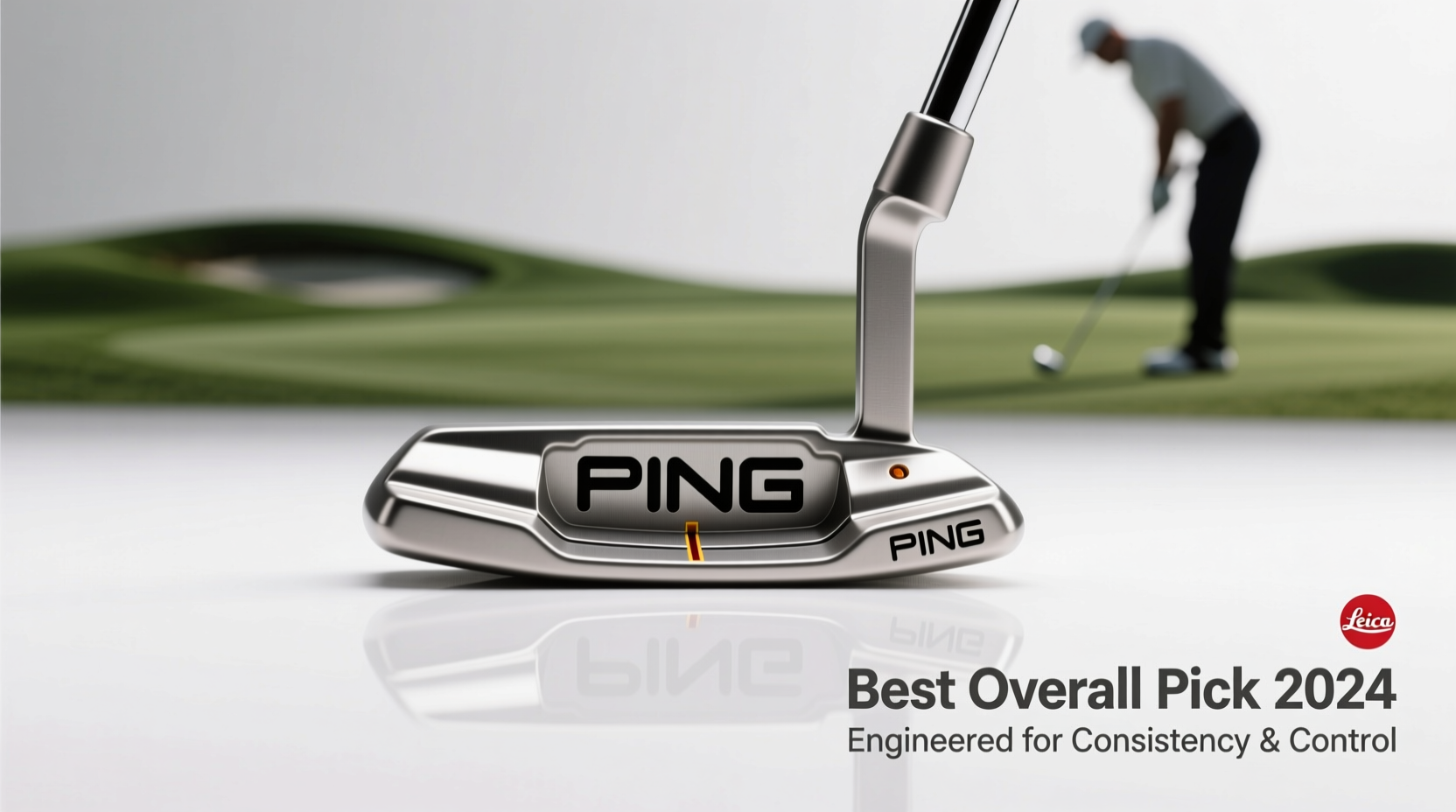
The foundation of selecting the right Ping putter begins with understanding your putting stroke. Not all strokes are created equal, and forcing a straight-back-straight-through motion when your natural tendency is arc-based will lead to inconsistency. Ping categorizes putters into three main stroke profiles:
- Straight (S): Minimal face rotation, ideal for players with little to no arc.
- Slight Arc (SA): Moderate toe flow during the stroke; suits most mid-to-high handicappers.
- Arc (A): Pronounced arc with significant face rotation—common among players with pronounced shoulder tilt.
Ping’s nomenclature often includes these letters in model names (e.g., “Ping Sigma 2 Fetch SA”) to help guide selection. Misalignment between stroke type and putter design leads to poor path control and inconsistent contact—even with perfect setup.
Tip: Record your putting stroke from down-the-line and face-on angles using a smartphone. Observe whether your putter toe lifts or stays square—this reveals your natural arc.Top Ping Putter Models Compared
Ping offers a wide range of putters across multiple series, each engineered for specific preferences and skill levels. Below is a comparison of five top-performing models based on feedback from tour professionals, fitters, and long-term user reviews.
| Model | Head Style | Stroke Match | Key Feature | Best For |
|---|---|---|---|---|
| Ping Heppler Tyne 4 | Mallet | SA | Adjustable sole weights | Players seeking fine-tuned MOI and stability |
| Ping PLD Anser S | Blade | S | Handcrafted finish, soft steel | Traditionalists wanting premium feel |
| Ping Sigma 2 Oslo | Mid-mallet | SA | White alignment system | Beginners needing visual guidance |
| Ping Fetch S | Mallet w/ tow-pin | S/SA | Towel loop attachment | Players who carry alignment tools |
| Ping B60 | Classic blade | S | Timeless design, responsive feedback | Low-handicappers valuing touch |
Fitting Matters: Why Off-the-Rack Isn’t Enough
Ping’s reputation rests heavily on its custom fitting system. Unlike other brands that offer limited length or lie adjustments, Ping provides over 30 shaft lean and length combinations, grip options, and weight ports to tailor balance and swing weight. A proper fitting doesn’t just improve mechanics—it builds trust.
“More than 70% of golfers use a putter that’s too short, leading to posture collapse and inconsistent strike.” — Dr. Rob Neal, Biomechanist & Golf Fitness Expert
Key fitting variables include:
- Length: Dictates spine angle and eye position over the ball.
- Loft: Standard is 3°–4°, but can be adjusted based on stroke type and green speed.
- Lie Angle: Ensures the center of the sole touches the ground at impact.
- Swing Weight: Lighter heads suit faster strokes; heavier ones promote smooth tempo.
- Grip Size: Larger grips reduce hand manipulation, helping stabilize the stroke.
Mini Case Study: How John Lowered His Three-Putt Rate by 40%
John, a 12-handicap golfer from Phoenix, struggled with distance control and alignment. He used a borrowed blade putter that was two inches too short and had excessive wear on the heel side, indicating consistent mis-hits.
After undergoing a Ping fitting, he switched to a Heppler Tyne 4 with +1” length, standard loft, and added 20g of sole weight. The higher setup improved his posture, while the mallet design enhanced roll consistency. Within six weeks, his average putts per round dropped from 35 to 30. More importantly, his three-putt rate fell from 4.2 to 2.5 per round—a direct result of better speed control and face alignment at impact.
“I didn’t realize how much my old putter was working against me,” John said. “The difference wasn’t just technical—it was psychological. I started trusting my read because I knew the putter would respond predictably.”
Step-by-Step Guide to Choosing Your Best Ping Putter
- Assess your stroke type using video analysis or a launch monitor like SAM PuttLab.
- Determine your preferred head shape—blade, mid-mallet, or full mallet—based on visual comfort.
- Visit a certified Ping fitter to evaluate length, lie, and weighting needs.
- Test at least three models that match your stroke profile on both short and long putts.
- Evaluate sound and feel—a crisp click may suit some; a soft thud others.
- Check alignment aids—does the sightline help or distract?
- Consider long-term adjustability, especially if your stroke evolves.
Expert Insight: The Psychology of Putter Confidence
While technology plays a role, the emotional connection to a putter is equally vital. Tour players often stick with one model for years, not because it’s objectively superior, but because it fosters belief.
“The best putter isn’t always the most forgiving. It’s the one that makes you feel in control before you even stroke the ball.” — Karen Stupples, LPGA Champion & Golf Analyst
Ping understands this balance. Their color schemes, matte finishes, and clean lines are designed to minimize distraction and promote focus. The white alignment system used in Sigma and Heppler lines, for instance, creates high contrast against grass without being visually aggressive.
FAQ
Can I customize a Ping putter after purchase?
No—customizations like length, lie, and weighting must be ordered at time of purchase. Ping does not modify putters post-sale due to structural integrity concerns.
Are older Ping putters still effective?
Absolutely. Models like the Ping Anser 2 or i-series remain popular on tour. As long as the specs match your stroke and the putter is in good condition, age doesn’t diminish performance.
How do I maintain my Ping putter?
Clean the face and grooves regularly with mild soap and water. Store it in a headcover to protect alignment lines. Avoid harsh solvents or ultrasonic cleaners, which can damage finishes.
Conclusion: Make the Choice That Lasts
Selecting the best Ping putter isn’t about chasing trends or copying tour pros. It’s about finding synergy between your stroke mechanics, visual preferences, and emotional confidence. With a brand that prioritizes fit as much as function, you’re not just buying a club—you’re investing in repeatable performance.
Take the time to get fitted, test thoroughly, and listen to what your stroke tells you. When alignment, balance, and belief align, the results follow. Your next birdie might be just one well-chosen putter away.
💬 Have a favorite Ping putter or fitting story? Share your experience below and help fellow golfers find their perfect match.








