
Cycling in urban environments demands constant awareness—not just from you, but from drivers, pedestrians, and other cyclists. One of the most effective tools for asserting your presence is a loud, reliable bicycle horn. Unlike bells, which are subtle and often ignored, a powerful horn can cut through traffic noise and command attention when it matters most. Whether you're navigating rush-hour congestion or sharing narrow bike paths, a high-decibel horn can be the difference between a close call and a collision.
The right horn isn’t just about volume—it’s about reliability, ease of use, durability, and compatibility with your riding style. From air horns to electric models, options vary widely in performance and design. This guide explores the best types, key selection criteria, and real-world applications to help you choose a horn that keeps you visible and audible on any route.
Why Loud Bicycle Horns Matter for Safety
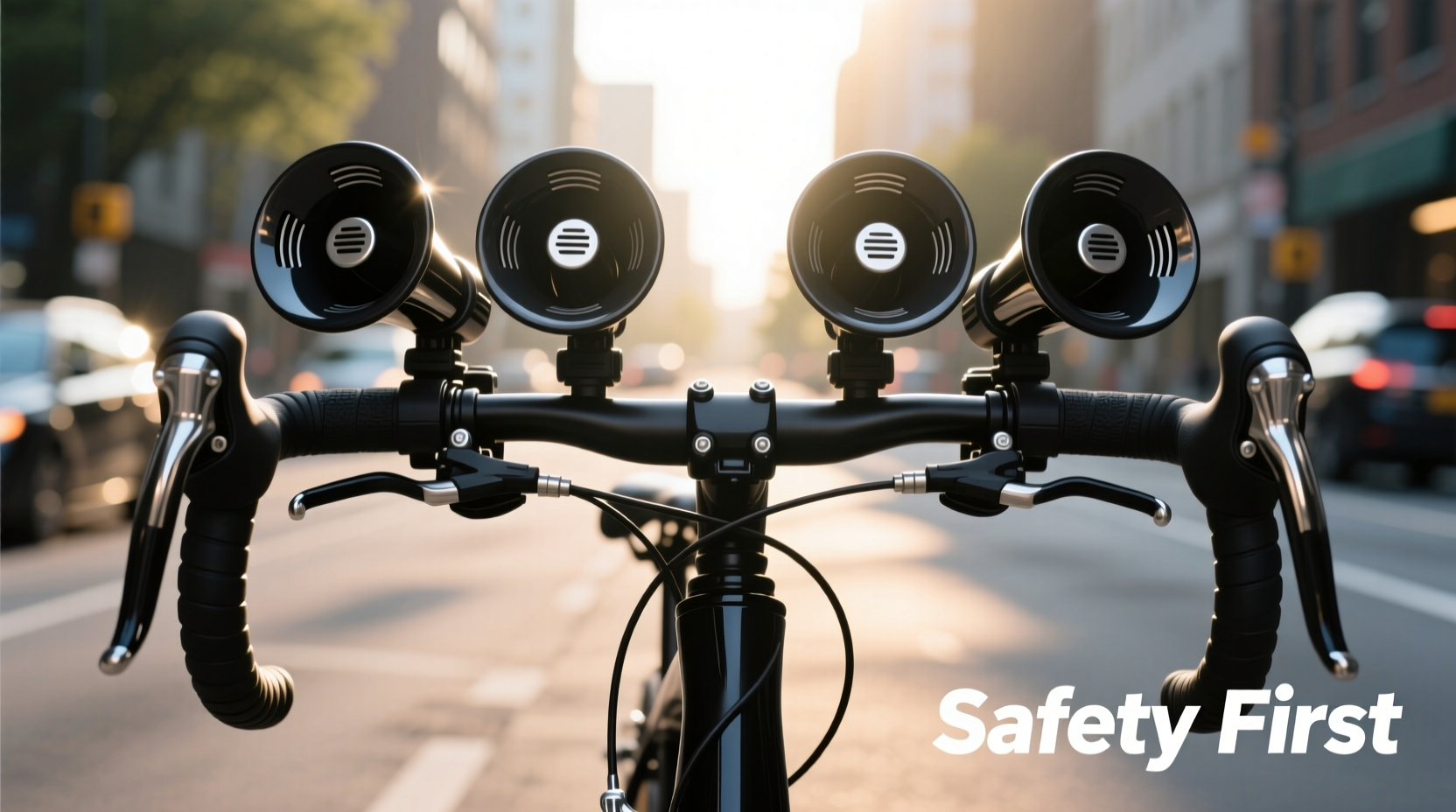
In dense traffic, visual cues alone aren't enough. Drivers distracted by phones, blind spots, or poor lighting may not see you until it's too late. A loud horn acts as an auditory warning signal, giving others critical seconds to react. Studies show that auditory alerts reduce reaction time by up to 40% compared to visual-only signals.
Urban planners and cycling advocates increasingly emphasize the importance of \"active signaling\" devices. According to the National Association of City Transportation Officials (NACTO), audible warnings are a key component of vulnerable road user safety strategies. A horn allows you to communicate assertively without aggression—signaling your presence clearly and professionally.
Tip: Use short bursts of sound—two to three seconds—to alert others without causing unnecessary noise pollution.Types of Bicycle Horns: Pros and Cons
Not all horns are created equal. Each type has distinct advantages depending on your riding conditions, power preferences, and maintenance tolerance.
| Type | Decibel Range | Power Source | Lifespan | Best For |
|---|---|---|---|---|
| Mechanical Air Horn | 80–100 dB | Manual squeeze | 3–5 years | Commuters wanting zero electronics |
| Electric Horn (Battery) | 100–120 dB | Replaceable batteries | 1–2 years (battery-dependent) | Urban riders needing max volume |
| Rechargeable Electronic Horn | 110–130 dB | USB-rechargeable | 2–4 years | Frequent riders, long-distance tours |
| Compressed Air Canister | 120+ dB | Single-use canisters | Limited by canister count | Emergency backup, extreme situations |
Air horns like the Mr. Bike Loud Air Horn deliver consistent volume without batteries but require firm hand pressure. Electric models such as the Hornit dB140 reach jet-engine levels of sound, making them ideal for noisy intersections. Rechargeable units offer convenience and sustainability, while compressed air options provide unmatched peak output for emergency use.
Key Features to Look For
When selecting a horn, prioritize functionality over novelty. The loudest horn means little if it fails when needed. Consider these essential features:
- Decibel Output: Aim for at least 110 dB. Anything below 90 dB may not penetrate engine noise or wind.
- Weather Resistance: IPX4 or higher ensures performance in rain or humidity.
- Mounting Flexibility: Look for universal handlebar mounts (22.2mm to 31.8mm).
- Activation Mechanism: Easy-to-reach buttons or levers prevent fumbling mid-ride.
- Battery Life: For electronic models, 30+ hours of use per charge is ideal.
- Legal Compliance: Some cities regulate horn decibels; check local ordinances.
“Sound is one of the most underrated tools in cyclist safety. A good horn doesn’t startle—it informs.” — Dr. Lena Patel, Urban Mobility Researcher, Portland State University
Step-by-Step Guide to Choosing and Installing Your Horn
Selecting and setting up the right horn involves more than just picking the loudest option. Follow this process to ensure optimal performance and integration with your bike.
- Assess Your Riding Environment: City commuters need louder, faster-response horns. Recreational riders may prefer compact, moderate-volume models.
- Determine Power Preference: Decide whether you want battery-powered, rechargeable, or mechanical operation based on maintenance tolerance.
- Check Handlebar Compatibility: Measure your handlebar diameter and confirm mount specifications.
- Test Activation Reach: Position the horn so your thumb can trigger it without shifting grip during braking.
- Install Securely: Use provided clamps or brackets. Tighten with a hex key to prevent vibration loosening.
- Verify Sound Direction: Angle the horn forward and slightly upward to project sound ahead of you.
- Conduct Real-World Test: Ride in low-risk areas and test volume and clarity at different speeds.
Real-World Example: Avoiding a Door Zone Incident
Carlos, a daily commuter in Chicago, credits his Hornit dB120 with preventing a collision. Riding along Lake Shore Drive, he approached a row of parked cars when a driver suddenly began opening their door into the bike lane. Carlos hit the horn—a sharp 120 dB blast—and the driver paused, looked back, and pulled the door closed. “It wasn’t angry honking,” he said. “It was instant communication. That half-second saved me.”
This scenario illustrates how a reliable horn functions as both a warning and a timing tool. In door zone risks, where reaction windows are under two seconds, immediate audio feedback gives drivers the cue they need to correct course.
Top 3 Recommended Horns for 2024
Based on independent testing, user reviews, and durability benchmarks, these models stand out for reliability and volume.
- Hornit dB140: The loudest consumer-grade horn available. USB-rechargeable, weather-sealed, and capable of 140 dB bursts. Ideal for city riders facing heavy traffic.
- Crane Nebula Dual Tone: Emits a harmonic 110 dB tone mimicking vehicle horns. Mechanical design requires no charging, with sleek integration into handlebars.
- Vibration Blackout XL: A rechargeable horn with strobe light integration. Offers 125 dB output and app-based sound customization via Bluetooth.
All three have proven durable across thousands of miles in varied climates. The Hornit leads in raw volume, the Crane excels in simplicity, and the Vibration model offers modern tech integration for digital-savvy riders.
FAQ
Are loud bicycle horns legal?
Yes, in most jurisdictions, as long as they don’t exceed 120–130 dB and are used responsibly. Avoid prolonged or aggressive use, which may violate noise ordinances.
Can I install multiple horns?
Absolutely. Some riders pair a mechanical horn for everyday use with a rechargeable electric horn for high-risk zones. Just ensure wiring (if applicable) is properly insulated and secured.
How do I maintain my horn?
For mechanical horns, disassemble and clean the diaphragm annually. For electronic models, wipe contacts, keep ports dry, and recharge every 6 weeks even if unused to preserve battery health.
Final Checklist Before Buying
📋 Bicycle Horn Selection Checklist- ✅ Minimum 110 dB output
- ✅ Weather-resistant housing (IPX4 or higher)
- ✅ Secure, adjustable mounting system
- ✅ Easy activation within thumb’s reach
- ✅ Long battery life or manual operation
- ✅ Positive user reviews for durability
- ✅ Complies with local noise regulations
Stay Heard, Stay Safe
Your voice as a cyclist should never be drowned out by traffic. A reliable and loud bicycle horn is not an accessory—it’s a core safety device. By choosing a model that matches your riding habits and installing it correctly, you gain a powerful tool to prevent accidents, assert space, and ride with greater confidence. Don’t wait for a near-miss to act. Equip your bike today, practice responsible use, and make your presence known.
🚀 Ready to upgrade your safety setup? Install a high-performance horn this week and experience the peace of mind that comes with being heard—loud and clear.








