Balloon decorations remain a staple at celebrations—from birthdays and weddings to corporate events and grand openings. While manually inflating balloons may seem simple, it quickly becomes exhausting, inconsistent, and time-consuming when dealing with dozens or even hundreds of balloons. The solution lies in choosing the right balloon inflator: a tool that balances power, durability, ease of use, and safety. Whether you're an event planner, decorator, or DIY enthusiast, selecting a reliable and efficient balloon inflator can dramatically improve your workflow and final presentation.
The market offers a wide range of options—hand pumps, electric inflators, helium tanks, and hybrid systems—each with distinct advantages and limitations. Understanding these differences is essential to making an informed decision that aligns with your needs, budget, and frequency of use.
Understanding Types of Balloon Inflators
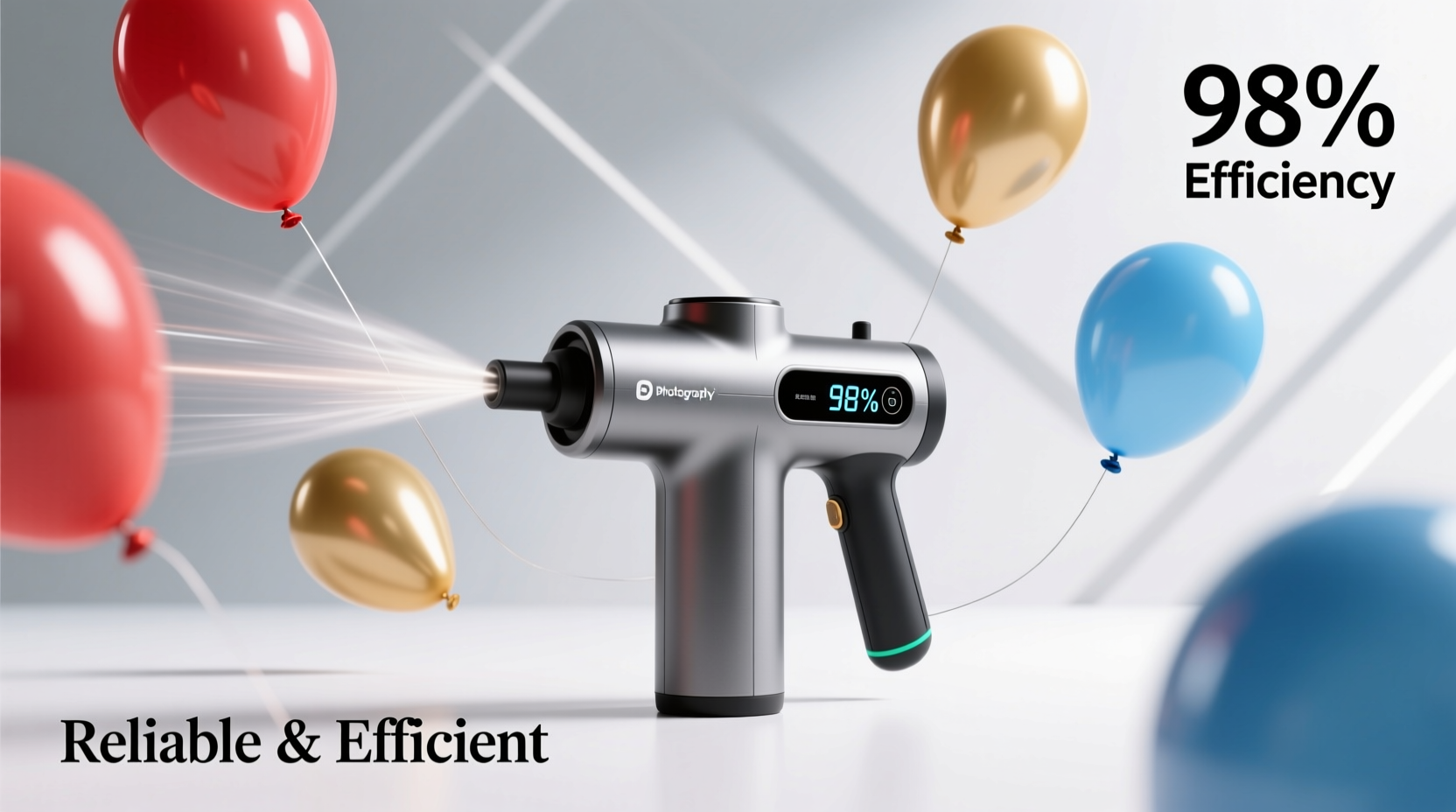
Before investing in a balloon inflator, it's crucial to understand the main categories available and how they perform under different conditions.
- Manual Hand Pumps: Affordable and portable, but physically demanding and slow for large-scale projects.
- Electric Air Pumps: Powered by electricity or batteries, these offer rapid inflation using compressed air. Ideal for latex and foil balloons used in decor.
- Helium Tanks: Provide lift for floating balloons. Available in disposable and refillable models. Efficiency depends on tank size and regulator quality.
- Hybrid Systems: Combine air compression with helium compatibility, offering versatility for both decorative and floating applications.
For professional decorators, electric pumps and high-capacity helium systems are typically the most practical choices due to their speed and consistency.
Tip: Always match the nozzle adapter to your balloon type—using the wrong size can cause leaks or bursts during inflation.Key Features of Reliable and Efficient Balloon Inflators
Not all inflators deliver equal performance. A truly reliable model should combine durability, user-friendly design, and technical efficiency. Consider the following features when evaluating options:
| Feature | Why It Matters | Recommended Standard |
|---|---|---|
| Motor Power (Watts) | Determines inflation speed and continuous operation capability | 50W or higher for sustained use |
| Nozzle Variety | Ensures compatibility with latex, foil, and specialty balloons | At least 3 interchangeable nozzles |
| Duty Cycle | Indicates how long the pump can run before needing a cooldown | Continuous duty or 30+ minute cycles |
| Noise Level | Affects usability in indoor or public settings | Under 70 dB for quiet environments |
| Portability & Weight | Critical for mobile decorators and on-site setups | Under 5 lbs with carry handle |
In addition to hardware specs, look for safety certifications such as UL or CE approval, especially if operating near children or in commercial venues.
Step-by-Step Guide to Choosing and Using Your Balloon Inflator
Selecting the right inflator involves more than just reading product descriptions. Follow this practical timeline to ensure optimal performance and longevity:
- Assess Your Needs: Determine average balloon count per event, types of balloons used, and whether helium lift is required.
- Set a Budget: Professional-grade electric pumps range from $80–$200; helium tanks cost $150–$500 depending on size and refills.
- Research Models: Read verified customer reviews, focusing on long-term reliability and customer support.
- Test Before Committing: If possible, rent or borrow a unit to evaluate noise, speed, and ergonomics.
- Train Users: Ensure everyone handling the inflator understands proper attachment, pressure control, and shutdown procedures.
- Maintain Regularly: Clean nozzles after each use, inspect hoses for cracks, and store in a dry environment.
This structured approach minimizes trial-and-error and ensures seamless integration into your decoration workflow.
Real-World Example: Wedding Decorator Cuts Setup Time by 60%
Samantha Reyes, a professional event decorator based in Austin, TX, used to spend over four hours inflating 300+ balloons for wedding arch installations using manual hand pumps. After switching to a dual-chamber electric inflator with variable speed control, she reduced her setup time to just 90 minutes.
\"The consistency was a game-changer,\" Samantha explains. \"Every balloon inflated to the same size, so my arches looked uniform without constant adjustments. Plus, I wasn’t exhausted before the event even started.\"
She also invested in a medium-sized helium tank with a precision regulator, allowing her to float centerpieces accurately without overfilling. Her client satisfaction scores increased, and she now books two additional events per month thanks to improved efficiency.
“Efficiency isn’t just about speed—it’s about consistency, safety, and preserving energy for creative work.” — Marcus Lin, Commercial Event Equipment Consultant
Checklist: Selecting a High-Performance Balloon Inflator
Use this checklist before purchasing or deploying a balloon inflator to ensure reliability and efficiency:
- ✅ Confirmed compatibility with latex, foil, and bubble balloons
- ✅ Includes multiple nozzle tips for various balloon neck sizes
- ✅ Motor rated for continuous operation (not just intermittent use)
- ✅ Low noise output (<70 dB) for indoor events
- ✅ Overheat protection and automatic shutoff feature
- ✅ Lightweight and equipped with a carrying handle or case
- ✅ Manufacturer offers replacement parts and warranty (minimum 1 year)
- ✅ Easy-to-clean components and accessible filters (if applicable)
Skipping any of these criteria may lead to premature failure, inconsistent results, or safety hazards during extended use.
Frequently Asked Questions
Can I use an electric air pump for helium balloons?
No. Electric air pumps fill balloons with ambient air and are not compatible with helium gas. For floating balloons, you need a helium tank with a regulator. Some advanced setups allow you to pre-inflate air-filled balloons with an electric pump and use helium only for specific floating elements.
How do I prevent balloons from bursting during inflation?
Use a pump with adjustable airflow or burst prevention sensors. Inflate slowly, especially with delicate latex balloons. Never stretch the balloon mouth over the nozzle with excessive force, and stop inflating once the balloon reaches its intended size—overinflation is the leading cause of bursts.
Are rechargeable battery-powered inflators worth it?
Yes, for mobility and outdoor events where outlets aren’t available. Modern lithium-ion models offer up to 500 balloons per charge and comparable power to corded units. However, they may take 2–4 hours to recharge, so having a backup battery is advisable for large jobs.
Conclusion: Invest in Performance, Reap Long-Term Rewards
Choosing a reliable and efficient balloon inflator isn't just about convenience—it's a strategic decision that affects the quality of your work, client satisfaction, and physical well-being. Whether you're running a small party supply business or managing large-scale venue decorations, the right equipment pays for itself through saved time, reduced waste, and professional results.
Don’t settle for outdated hand pumps or underpowered models that fail mid-event. Evaluate your usage patterns, prioritize durable construction and smart features, and choose a system that scales with your ambitions. The difference between a stressful setup and a smooth, joyful experience often comes down to one tool: your balloon inflator.
🚀 Ready to upgrade your balloon game? Start by testing one high-efficiency model on your next project—track the time saved and share your results with fellow decorators. Small changes lead to big improvements.








