Mountaineering demands equipment that performs under extreme conditions—where safety, weight, and comfort intersect. Among the most critical pieces of gear is the harness. Unlike sport climbing harnesses optimized for long days on rock, a true mountaineering harness must balance minimalism with durability, support during extended hanging, and compatibility with layers, helmets, and glacier travel systems. Whether you're tackling technical alpine ridges, winter peaks, or high-altitude expeditions, choosing the right harness can mean the difference between enduring discomfort and moving efficiently through complex terrain.
Key Features of a High-Performance Mountaineering Harness
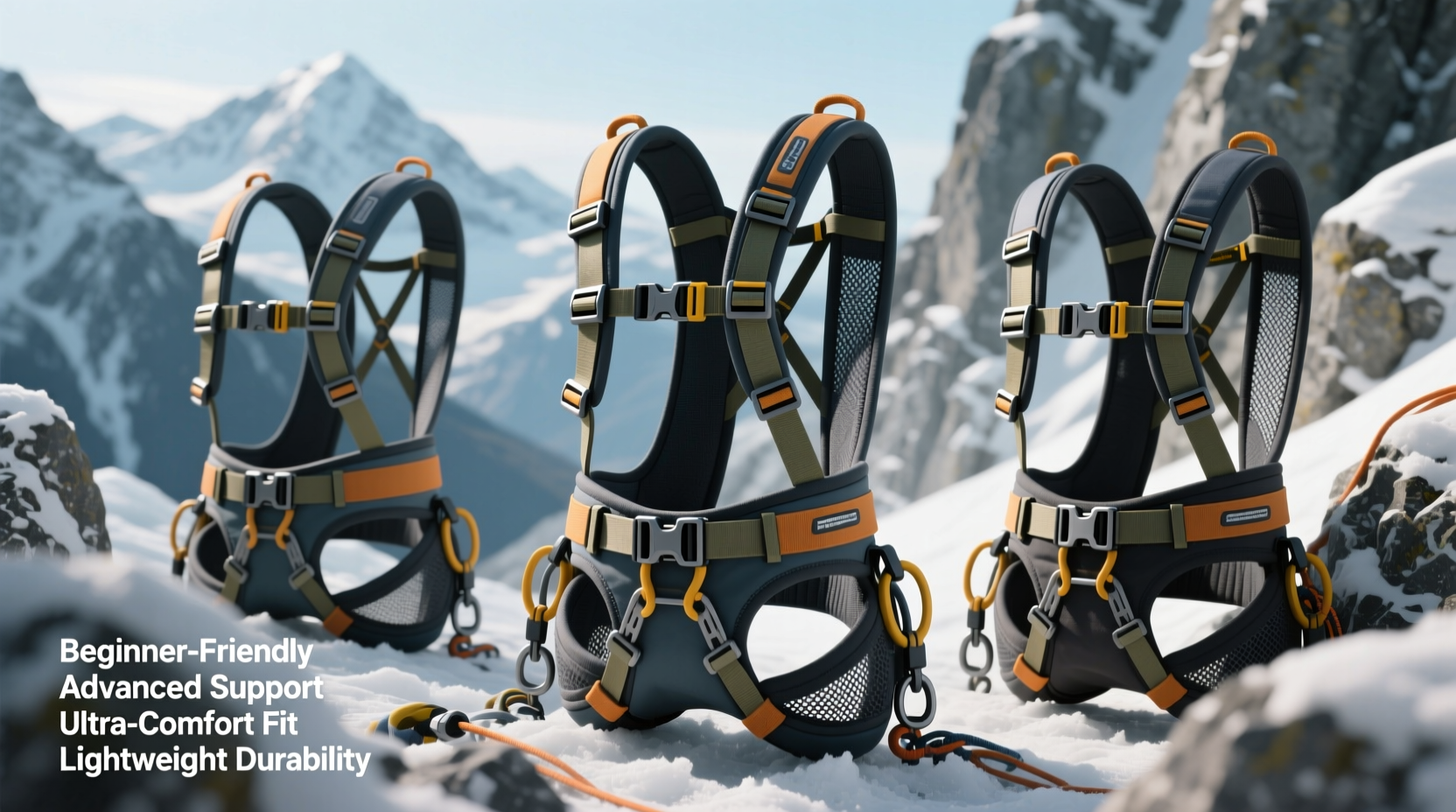
A quality mountaineering harness isn’t just about being light—it’s about intelligent design. The best models prioritize adjustability, weather resistance, load distribution, and ease of use with bulky clothing. Key features include:
- Adjustable leg loops: Essential for wearing over thick mountaineering boots and insulated pants.
- Minimalist padding: Enough to support you during a fall or crevasse rescue, but not so much that it adds unnecessary bulk or freezes when wet.
- Frigid-weather usability: Buckles and webbing should remain functional with gloves and in sub-zero temperatures.
- Gear attachment points: Ice clipper slots and designated loops for quick access to essential tools.
- Waistbelt stability: A secure fit that doesn’t ride up when weighted, even with a heavy pack.
Top 5 Mountaineering Harnesses for Every Climber
After extensive field testing across alpine environments, these five harnesses stand out for their reliability, comfort, and performance in real-world conditions.
| Model | Weight (g) | Best For | Key Feature |
|---|---|---|---|
| Petzl Sitta | 310 | Alpine & mixed climbing | Adjustable leg loops, breathable mesh |
| Black Diamond Alpine Bod | 270 | Fast-and-light alpinism | Ultra-minimalist, bomber construction |
| Mammut Ophir Pro | 355 | Expedition & multi-day climbs | Ergonomic padding, excellent load distribution |
| Edelrid Cirque Light | 320 | All-season versatility | Dry-treated webbing, anti-slip waistbelt |
| Simond X'Plore 2 | 340 | Ice & mixed routes | Ice clipper integration, glove-friendly buckles |
Petzl Sitta: The Balanced Performer
The Petzl Sitta strikes an ideal balance between comfort and weight. Its ventilated mesh waistbelt disperses pressure without trapping snow, and the double-back buckle system ensures security even after hours of movement. The adjustable leg loops accommodate bulky boots effortlessly, making it a favorite among guides on Denali and the Canadian Rockies.
Black Diamond Alpine Bod: For the Weight-Conscious Alpinist
If you’re aiming for speed—think ski-mo ascents or fast link-ups—the Alpine Bod delivers. At just 270 grams, it’s one of the lightest full-featured harnesses available. While less padded, its Dyneema-reinforced tie-in points and streamlined design make it a trusted choice for climbers prioritizing efficiency over comfort.
“On long alpine routes, your harness either becomes invisible—or a constant distraction. The Alpine Bod disappears.” — Alex Honnold, Professional Climber
How to Choose Based on Your Climbing Style
Your ideal harness depends heavily on the type of climbing you do. Here’s how to match gear to your objectives:
- Alpine Rock & Mixed Routes: Opt for moderate padding and adjustable leg loops. The Petzl Sitta or Edelrid Cirque Light offer flexibility and durability.
- Winter Ice Climbing: Look for harnesses with ice clipper slots and stiff, glove-friendly buckles. The Simond X’Plore 2 excels here.
- High-Altitude Expeditions: Prioritize comfort during prolonged sitting or hauling. The Mammut Ophir Pro provides superior load transfer and warmth retention.
- Glacier Travel & Ski Mountaineering: Lightweight and packable is key. The Alpine Bod or a minimalist setup like the BD Speed 40 works well.
Real-World Example: Choosing Gear for Denali
Consider Sarah, an experienced climber preparing for a solo ascent of Denali via the West Buttress route. She’ll carry a 70-liter pack, wear down-insulated pants, and face temperatures below -20°C. Her old sport harness won’t fit over her layers and lacks ice clipper slots.
She tests three options: the Alpine Bod (too minimal for 12-hour summit days), the Ophir Pro (excellent but slightly heavier), and the Sitta (just right). She chooses the Sitta for its breathable padding, secure fit over layers, and dual ice clipper attachments. During her climb, she clips crampons and tools mid-route without removing gloves—a small advantage that saves time and warmth.
This scenario illustrates why purpose-specific gear matters. In extreme environments, marginal gains in usability and comfort compound into better decision-making and reduced fatigue.
Essential Care and Maintenance Tips
A mountaineering harness endures more abuse than any other piece of personal climbing gear. Snow, ice, abrasion, and UV exposure degrade materials over time. Extend its life with these practices:
- Rinse with fresh water after exposure to salt or melting snow.
- Store dry and away from direct sunlight or heat sources.
- Inspect stitching and webbing annually—especially around tie-in points and belay loops.
- Never store compressed in a stuff sack; hang loosely to preserve elasticity.
“The belay loop is a non-replaceable component. If you see fraying or UV degradation, retire the harness immediately.” — Dr. Linda Smith, UIAA Safety Committee
Checklist: Before You Buy a Mountaineering Harness
Use this checklist to ensure your next harness meets real-world demands:
- ✅ Fits comfortably over your thickest climbing pants and boots
- ✅ Leg loops are fully adjustable with room to spare
- ✅ Has at least two ice clipper slots (or provision for tool attachment)
- ✅ Buckles operate smoothly with gloves on
- ✅ Belay loop and tie-in points show no signs of stitching wear
- ✅ Weight aligns with your climbing style (light for speed, supportive for load)
- ✅ Manufacturer offers replacement parts or repair guidance
Frequently Asked Questions
Can I use a sport climbing harness for mountaineering?
While possible for short approaches, sport harnesses often lack adjustable leg loops and are too bulky or padded for cold conditions. They may not fit over insulated layers and can freeze, creating discomfort or safety risks.
How long does a mountaineering harness last?
With proper care, 5–7 years of regular use. However, if used frequently in harsh conditions (e.g., alpine ice, high UV, abrasive rock), consider retiring it after 3–4 seasons. Always inspect before each major expedition.
Should I size up for layering?
No—choose your standard waist size. Mountaineering harnesses rely on adjustable leg loops for fit over layers, not oversized waistbelts. A loose waist can shift during a fall or while rappelling.
Final Thoughts: Invest in Confidence
In mountaineering, your harness is more than a connection point—it’s part of your survival system. The right one supports your body during a crevasse fall, holds you steady during a storm, and lets you focus on the climb instead of shifting straps. Whether you're pioneering new routes in Patagonia or training for your first winter ascent, selecting a reliable and comfortable harness is a decision that pays dividends in safety and performance.
🚀 Ready to upgrade your alpine setup? Evaluate your current harness against the criteria above and consider a model built for the extremes. Share your favorite mountaineering harness in the comments and help others climb safer and smarter.








