
Choosing the right hiking bag is as critical as selecting proper footwear or weather-appropriate clothing. A poorly designed pack can turn a scenic trail into a painful ordeal, while the right one enhances endurance, comfort, and overall enjoyment. Whether you're embarking on a day hike through alpine meadows or a multi-day trek across rugged terrain, your backpack must balance reliability, weight distribution, storage capacity, and durability. This guide explores top-performing hiking bags across categories, backed by real-world performance data, user feedback, and expert evaluations.
What Makes a Hiking Bag Truly Reliable and Comfortable?
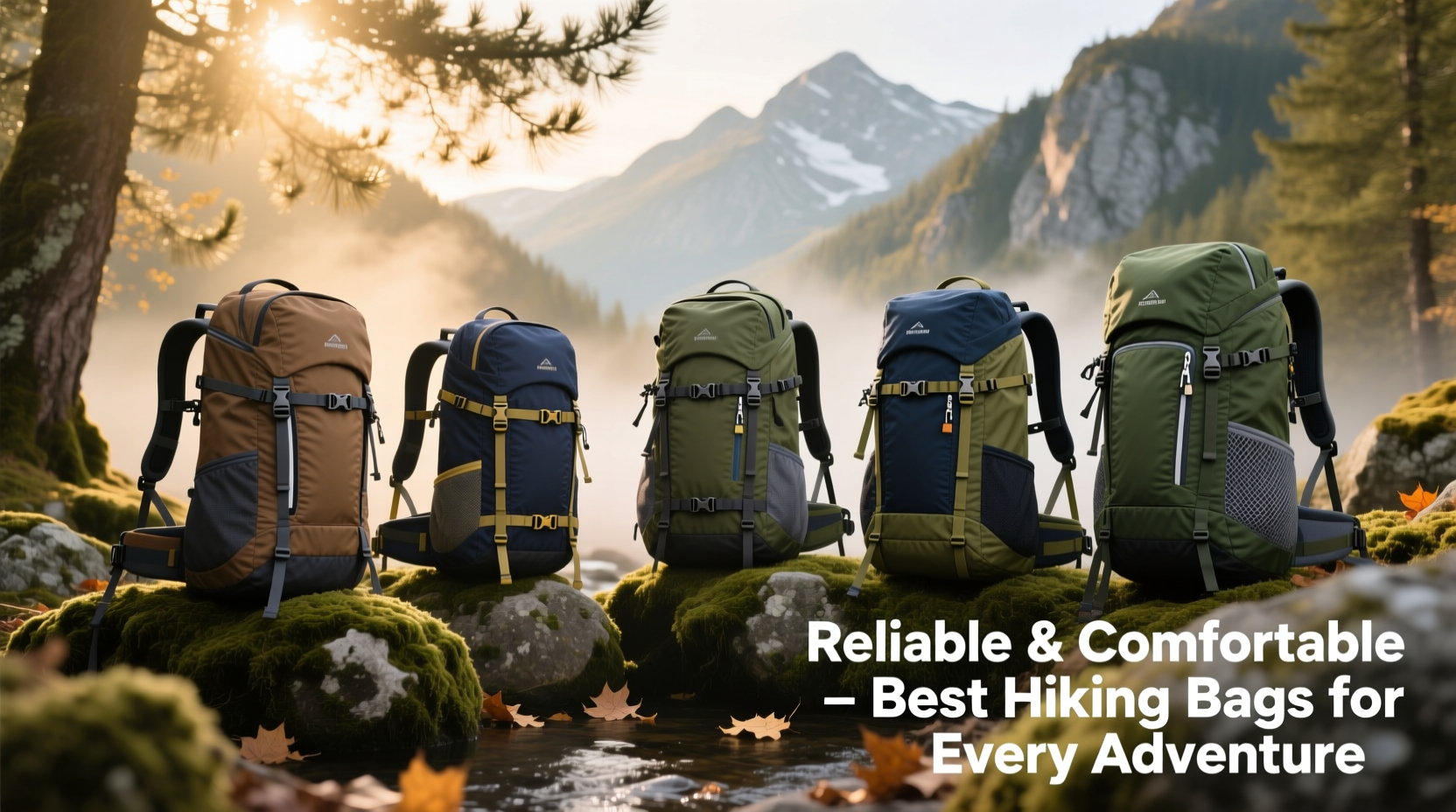
Reliability and comfort aren’t just marketing terms—they stem from specific design elements that directly impact your experience in the wild. Key factors include load transfer systems, material resilience, ventilation, adjustability, and access points.
- Suspension System: High-end packs use internal frames with load-bearing hip belts and adjustable shoulder straps to transfer up to 80% of the weight to the hips, reducing shoulder strain.
- Breathable Back Panels: Mesh panels with air channels prevent moisture buildup and reduce back sweat during long ascents.
- Durable Materials: Look for ripstop nylon (e.g., 210D or 420D) or Cordura fabrics treated with DWR (durable water repellent) coatings.
- Ergonomic Fit: Packs should offer size-adjustable torso lengths and customizable compression straps.
Top 5 Hiking Bags for Different Adventure Types
No single pack fits all scenarios. The ideal choice depends on trip duration, terrain, climate, and personal preference. Below are five standout models across key categories.
| Model | Capacity | Best For | Weight | Key Feature |
|---|---|---|---|---|
| Osprey Atmos AG 65 | 65L | Multiday backpacking | 4.3 lbs | Anti-Gravity suspension system |
| Deuter Aircontact Lite 65+10 | 75L | Extended expeditions | 4.8 lbs | Adjustable Vari Quick back length |
| Hydro Flask Trail Series 22L | 22L | Day hikes with hydration | 1.8 lbs | Integrated 3L reservoir |
| Patagonia Arbor Grande 28L | 28L | Urban-to-trail versatility | 1.5 lbs | Recycled materials, minimalist design |
| Hyperlite Mountain Gear Southwest 55 | 55L | Ultralight thru-hiking | 2.2 lbs | Dyneema composite fabric |
“Fit is non-negotiable. A $300 pack that doesn’t match your torso length will perform worse than a $120 model that does.” — Sarah Lin, Outdoor Gear Specialist, REI Co-op
Real-World Test: A Weekend in the Sawtooths with the Osprey Atmos AG 65
A group of hikers tested the Osprey Atmos AG 65 over a 48-hour trek in Idaho’s Sawtooth Range. With fully loaded packs averaging 32 lbs (including food, tent, and winter layers), users reported minimal fatigue thanks to the Anti-Gravity suspension. The mesh-covered foam back panel allowed airflow even during steep climbs above 9,000 feet. One tester noted, “After eight hours on the trail, my shoulders weren’t screaming, and the hip belt stayed locked without slipping.”
The stretch mesh side pockets securely held 1L Nalgene bottles, and the front shove-it pocket proved ideal for quick-access layers. However, the lack of a dedicated sleeping bag compartment was a minor drawback when repacking at night.
How to Choose the Right Pack: A Step-by-Step Guide
Selecting the perfect hiking bag involves more than reading reviews. Follow this sequence to make an informed decision.
- Determine trip duration: Day hikes (10–25L), weekend trips (35–50L), extended treks (55L+).
- Measure your torso length: From C7 vertebra to iliac crest. Use manufacturer sizing charts.
- Test fit with weight: Visit a specialty outdoor retailer and load the pack with 15–20 lbs.
- Evaluate access points: Top-loading vs. panel-loading vs. roll-top. Panel loaders offer better organization.
- Check ventilation and padding: Sit in a chair to see if the back panel lifts you off the seat—this indicates poor airflow.
- Assess extras: Hydration compatibility, ice axe loops, helmet attachment, rain cover included.
Common Pitfalls and How to Avoid Them
Even experienced hikers make mistakes when choosing or using backpacks. Awareness prevents discomfort and gear failure.
- Overpacking: Exceeding recommended capacity strains seams and compromises balance. Stick to essential items only.
- Ignoring hip belt fit: If the belt rides above the hips, it won’t support weight properly, leading to lower back pain.
- Poor weight distribution: Heavy items should be close to your back and centered between your shoulder blades.
- Using non-breathable packs in heat: Solid foam backs trap sweat—opt for suspended mesh designs in temperatures above 70°F.
Essential Care Tips to Extend Your Backpack’s Lifespan
Backpacks endure abrasion, UV exposure, and moisture. Proper maintenance preserves function and appearance.
- Cleaning:
- Hand wash with mild soap (like Nikwax Tech Wash) every 6–12 months. Avoid machine washing unless specified.
- Drying:
- Hang upside down in a shaded, ventilated area. Never use a dryer.
- Storage:
- Keep in a cool, dry place away from direct sunlight. Store loosely packed—never compressed long-term.
- Waterproofing:
- Reapply DWR treatment annually using products like Grangers Performance Repel.
Frequently Asked Questions
Do I need a frameless pack for day hiking?
Frameless packs work well for light loads under 15 lbs. However, if you carry camera gear, climbing equipment, or extra layers, a framed daypack offers better support and stability.
Are ultralight backpacks durable enough for rough trails?
Yes, but with caveats. Packs made from Dyneema or ultra-high-molecular-weight polyethylene (UHMWPE) are extremely strong for their weight but can be prone to punctures from sharp rocks. Use a protective liner or pack liner for added security.
Can I use a hiking backpack as a carry-on?
Many 35–45L packs comply with airline carry-on size limits. Check dimensions beforehand—some exceed linear inch requirements when fully packed. Remove external attachments before boarding.
Final Checklist Before Buying
Use this checklist to ensure your next hiking bag meets both functional and comfort standards.
- ✅ Torso size matches manufacturer’s range
- ✅ Hip belt wraps around iliac crests, not waist
- ✅ Shoulder straps contour without pinching collarbone
- ✅ Load lifter straps angle at 45° when tightened
- ✅ Adequate ventilation gap between back and panel
- ✅ All zippers operate smoothly under tension
- ✅ Rain cover included or available separately
- ✅ Manufacturer offers warranty (e.g., Osprey’s All Mighty Guarantee)
Conclusion: Invest in Comfort, Trust in Reliability
Your hiking backpack carries more than gear—it carries your energy, morale, and ability to move freely through nature. The best options merge thoughtful engineering with field-tested durability. Whether you choose a high-support Osprey for mountain traverses or an ultralight Hyperlite for fastpacking, prioritize fit and function over aesthetics. A reliable, comfortable pack transforms challenging trails into rewarding journeys.
🚀 Ready to upgrade your hiking experience? Measure your torso today, visit a gear shop, and try on the top models. Share your favorite pack and trail story in the comments below.








