Choosing the right soccer ball isn’t just about brand names or flashy designs—it’s about performance, durability, and consistency on the field. Whether you're a weekend player, a competitive youth athlete, or a coach managing a team, investing in a high-quality soccer ball makes a measurable difference in control, flight accuracy, and long-term value. With so many options on the market, it's easy to overlook what truly matters: construction, materials, certification, and intended use. This guide breaks down the essential factors that define a superior soccer ball and helps you select one that lasts through seasons of play.
Understanding Soccer Ball Construction
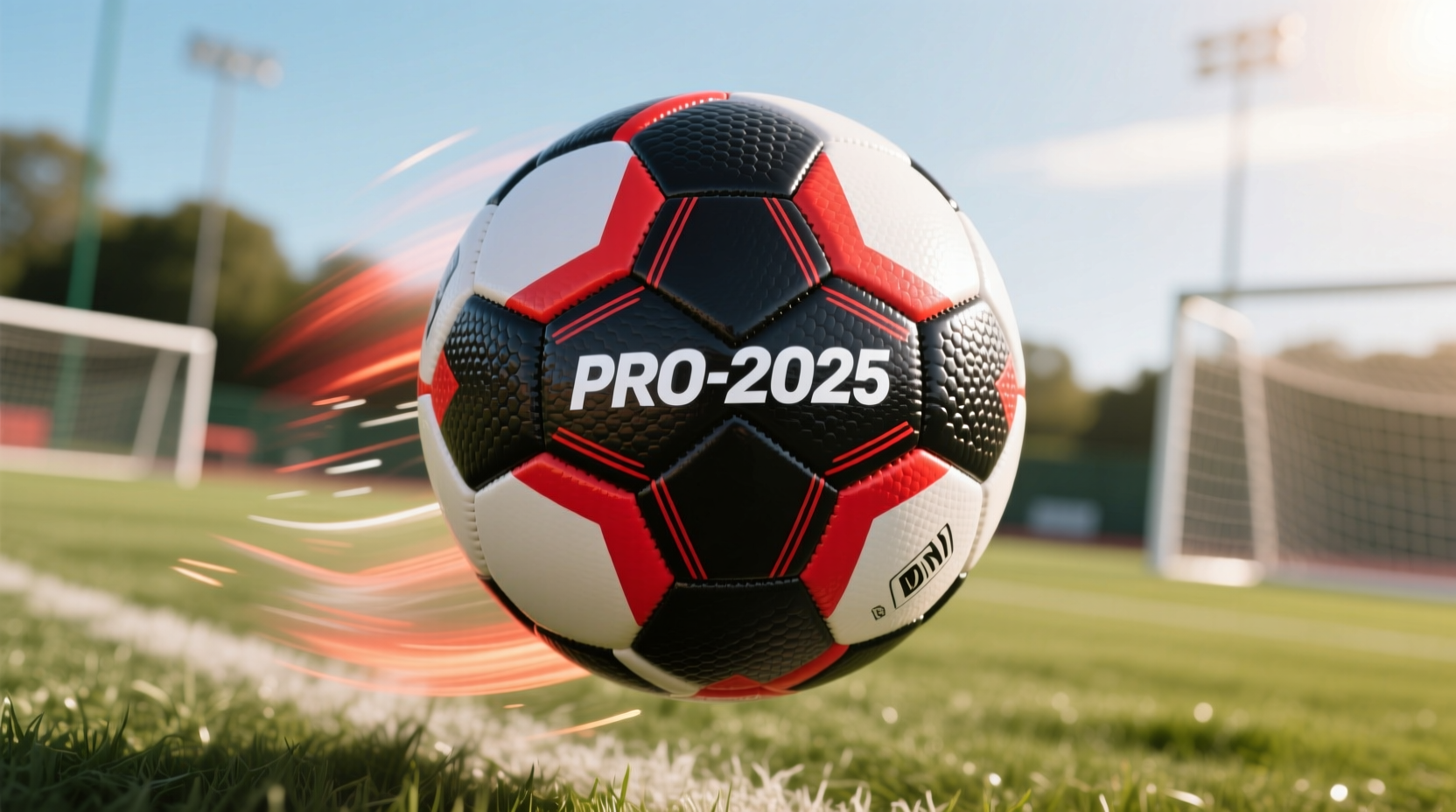
The durability and feel of a soccer ball stem from its internal and external structure. Modern balls are engineered with multiple layers, each contributing to responsiveness, water resistance, and shape retention.
The core, or bladder, is typically made from latex or butyl rubber. Latex offers superior touch and responsiveness, making it a favorite among professionals, but it loses air more quickly. Butyl bladders retain air longer, require less maintenance, and are ideal for recreational players who don’t pump their balls daily.
The outer cover is usually constructed from synthetic leather (PVC or PU). Polyurethane (PU) is softer, more flexible, and provides better grip and control, especially in wet conditions. It also resists abrasion better than PVC, which tends to stiffen over time and crack under impact.
Stitching method is another critical factor. Hand-stitched balls offer the highest durability and are often match-grade. Machine-stitched models are cost-effective and suitable for training, while thermal-bonded (glued) balls provide a seamless surface for consistent flight and are commonly used in professional leagues.
Tip: Always inflate your ball to the manufacturer’s recommended PSI—over-inflation causes stress on seams, while under-inflation reduces performance and increases wear.Top Durable Soccer Balls by Category
Different playing environments demand different types of balls. Here’s a comparison of top-performing, durable soccer balls across key categories:
| Ball Model | Best For | Bladder Type | Cover Material | Price Range |
|---|---|---|---|---|
| Adidas Finale Pro | Match Play (FIFA Certified) | Latex | Polyurethane (Thermal Bonded) | $120–$150 |
| Nike Premier III | Training & Match Use | Butyl | Polyurethane | $60–$80 |
| Select Brilliant Super | All-Weather Outdoor | Butyl | PU with Rubber Layer | $40–$60 |
| Wilson NCAA Replica | Collegiate & Youth Leagues | Butyl | Synthetic Leather | $30–$50 |
| Tachikara SS International | Indoor & Futsal | Latex | Microfiber Composite | $40–$55 |
Each of these models excels in durability due to reinforced stitching, weather-resistant coatings, and high-resilience bladders. The Adidas Finale Pro, for example, is used in UEFA competitions and features a textured thermal-bonded panel design that enhances aerodynamics and touch.
How to Choose Based on Playing Environment
The surface you play on dramatically affects how a ball wears. Grass fields, artificial turf, concrete, and indoor courts all impose different stresses.
- Grass/Outdoor Natural Turf: Opt for PU-covered, hand- or machine-stitched balls. They balance softness and durability. Avoid glued-seam balls unless they’re designed for elite play—they may delaminate under rough use.
- Artificial Turf: Choose balls with reinforced covers. Turf is abrasive; look for models labeled “turf-resistant” or “all-surface.” Select and Nike offer lines specifically built for this terrain.
- Indoor/Futsal: Smaller, heavier balls with reduced bounce are standard. These use foam or particle-filled bladders to limit rebound. Durability here means resistance to scuffing from smooth floors.
- Street/Pavement: Only use balls explicitly rated for hard surfaces. Most official match balls will degrade quickly on concrete. Look for rubber-reinforced covers or composite blends.
“Players often underestimate how much surface impacts ball lifespan. A match ball on pavement might last two weeks. The same ball on grass can go six months.” — Carlos Mendez, Sports Equipment Technician, U.S. Soccer Federation
Maintaining Your Soccer Ball for Longevity
A well-maintained ball performs better and lasts significantly longer. Simple habits can extend its life by up to 70%.
- Check inflation regularly: Use a pressure gauge weekly. Ideal range is 8.5 to 15.6 psi, depending on size and model.
- Clean after use: Wipe with a damp cloth and mild soap. Never soak or use harsh chemicals.
- Store properly: Keep in a cool, dry place away from direct sunlight. UV rays degrade synthetic materials over time.
- Avoid extreme temperatures: Don’t leave balls in cars or unheated sheds. Heat expands air inside; cold contracts it and stiffens materials.
- Rotate usage: If you train frequently, own two balls and alternate them to reduce continuous strain on one.
Mini Case Study: High School Team Ball Management
A high school soccer program in Portland, Oregon, struggled with replacing balls every season due to rapid wear. After switching to Select Brilliant Super balls—known for their rubber-reinforced PU cover—and implementing a rotation system with three primary training balls, they extended average ball life from 4 months to over 14 months. Coaches credit the change to both better material choice and disciplined maintenance, including post-practice wipe-downs and proper storage in lockers instead of leaving them on the field.
Essential Checklist Before Buying
Use this checklist to ensure you’re getting a quality, durable soccer ball:
- ✅ Is the ball certified by FIFA, NFHS, or another recognized body?
- ✅ What type of bladder does it have? (Butyl for longevity, latex for feel)
- ✅ Is the cover made of polyurethane (PU), not PVC?
- ✅ How is it stitched or bonded? (Hand-stitched or thermal-bonded preferred)
- ✅ Is it appropriate for your playing surface?
- ✅ Does it come with a warranty or performance guarantee?
- ✅ Is the valve durable and replaceable?
Frequently Asked Questions
What size soccer ball should I get?
Size 5 is standard for players aged 12 and up. Size 4 is for ages 8–12, and Size 3 is for children under 8. Using the correct size ensures proper control and reduces injury risk.
Are expensive soccer balls worth it?
For frequent or competitive players, yes. Higher-priced balls use superior materials and engineering, resulting in better touch, flight consistency, and durability. For casual use, mid-range models like the Nike Premier III offer excellent value.
How often should I replace my soccer ball?
With proper care, a quality outdoor ball lasts 6–12 months of regular use. Signs it’s time to replace include visible seam separation, loss of shape, persistent air leakage, or a flat, dead feel when kicked.
Final Thoughts: Invest in Performance and Longevity
A great soccer ball is more than equipment—it’s an extension of your skill. Choosing a durable, well-constructed ball ensures consistent performance, reduces long-term costs, and enhances your experience on the field. Whether you're passing in the rain, striking from distance, or practicing tight dribbling drills, the right ball responds reliably and withstands the demands of real play.
Don’t settle for generic department-store models that lose shape after a few games. Prioritize materials, certification, and intended use. A thoughtful investment today pays off in sharper control, truer flight, and fewer replacements tomorrow.
🚀 Take action now: Audit your current ball—check its pressure, condition, and suitability. Then, use this guide to upgrade to a durable, high-performance option that matches your game. Share your favorite ball model or care tip in the comments below and help others play better for longer.








