For any goalkeeper, the right pair of gloves is more than just equipment—it's a vital extension of their hands, influencing every save, catch, and reaction. In high-pressure matches where split-second decisions matter, glove quality directly impacts performance and safety. While flashy designs may attract attention, durability, fit, grip, and protection are what truly define the best goalie gloves in soccer. This guide breaks down the top-tier options available today, highlighting materials, technologies, and real-world considerations that separate elite gloves from average ones.
Understanding What Makes a Goalie Glove Durable and High-Quality
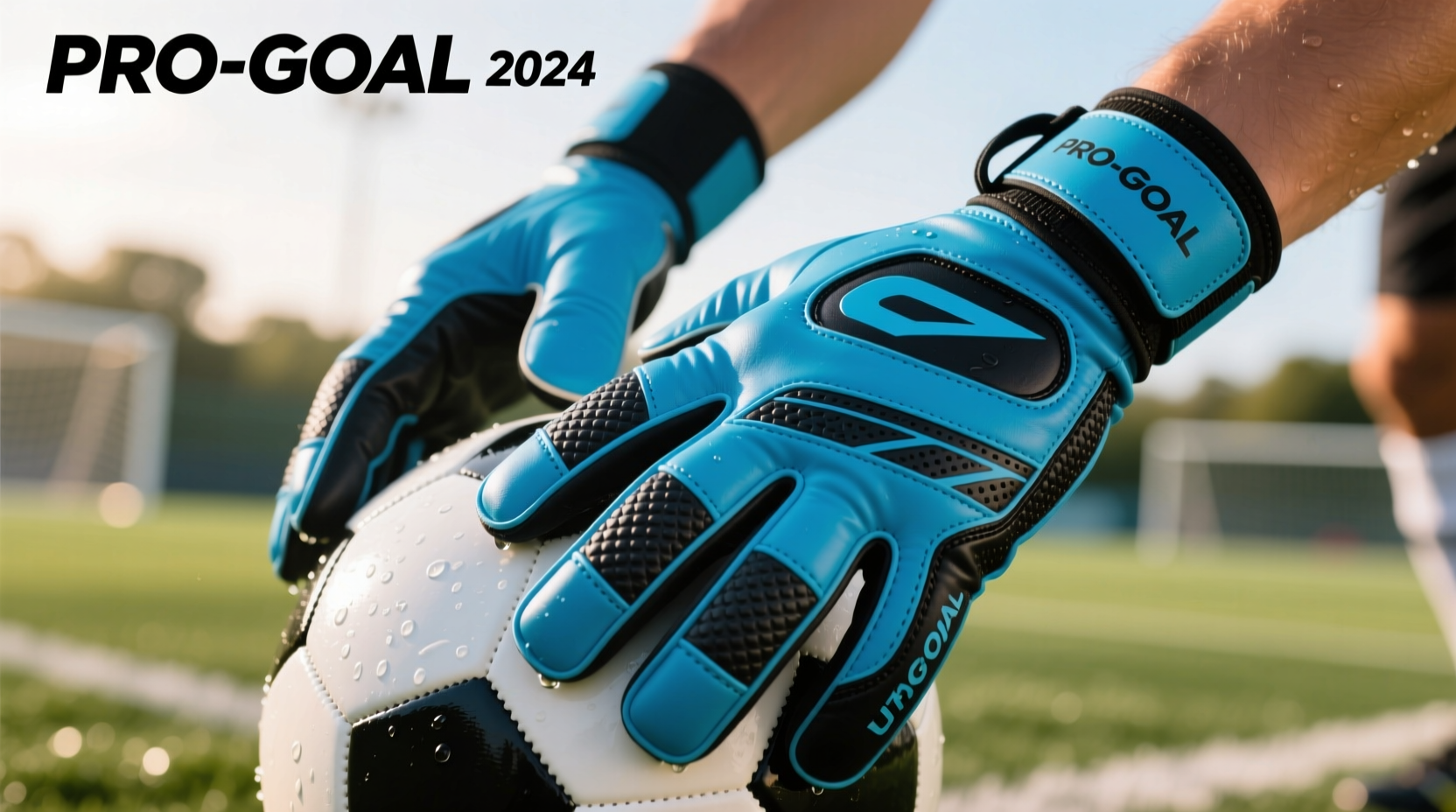
The longevity and performance of goalie gloves depend on several key components: palm material, backhand construction, cut type, stitching, and closure system. The most durable gloves use latex foam palms with reinforced zones, especially in high-wear areas like the fingertips and lower palm. High-density latex provides superior grip while resisting compression over time, ensuring consistent performance across multiple seasons with proper care.
Backhand protection is equally important. Modern gloves incorporate finger spines made from thermoplastic or EVA foam to prevent hyperextension during diving saves. These supports must be flexible enough for natural hand movement but rigid enough to absorb impact. Gloves with hybrid or negative-cut designs offer better ball contact and control, though they require precise sizing to avoid premature tearing.
Tip: Rotate between two pairs of gloves to extend the lifespan of each—latex degrades faster when used consecutively without drying time.Top Brands Leading in Quality and Innovation
Three brands consistently dominate the professional goalkeeper market due to their commitment to research, athlete feedback, and technological advancement: Adidas, Nike, and Uhlsport. Each offers distinct advantages depending on playing style and position demands.
- Adidas: Known for their Supremedy and Predator lines, Adidas uses Grip-Tec latex combined with roll-finger designs to maximize surface contact. Their gloves are favored by shot-stoppers who prioritize grip consistency in wet conditions.
- Nike: The Tiempo and Geist lines feature soft German latex and anatomical cuts that mold closely to the hand. Nike emphasizes comfort and touch, making them ideal for agile keepers who rely on quick reflexes.
- Uhlsport: A favorite among European professionals, Uhlsport integrates advanced spine systems and breathable mesh backs. Their Pro Contact series is renowned for durability, often lasting through full competitive seasons even under heavy use.
“Latex quality isn’t just about initial stickiness—it’s how well it maintains tackiness after 50 dives on abrasive turf.” — Markus Ritter, Goalkeeping Equipment Analyst, Bundesliga Academy
Comparison of Top Models: Features and Longevity
| Model | Palm Material | Backhand Protection | Avg. Lifespan (with care) | Ideal For |
|---|---|---|---|---|
| Adidas Predator Edge | Supersoft Grip-Tec Latex | Flexible TPU Spines + Mesh | 6–9 months | Wet-weather performance |
| Uhlsport Ultimax 6 Pro | Dual-Density German Latex | Adjustable Finger Spines | 8–12 months | Elite-level durability |
| Nike Geist RR | Soft Ground German Latex | EVA Foam + Elastic Zones | 5–7 months | Close control & agility |
| Puma Ultra Sport II | Synthetic Latex Blend | Basic EVA Padding | 3–5 months | Budget-conscious players |
| Reusch Pure Contact Pro | Revolution Cut Latex | Pro-Flex Spine System | 9+ months | All-round elite performance |
The Reusch Pure Contact Pro stands out not only for its exceptional latex formulation but also for its anatomical fit and customizable wrist strap, which reduces slippage and internal friction—a common cause of seam failure. Meanwhile, entry-level gloves like the Puma Ultra Sport II serve recreational players well but lack the reinforcement needed for daily training at higher intensities.
Maintaining Your Gloves for Maximum Durability
No matter how premium the glove, poor maintenance will drastically shorten its life. Latex is particularly sensitive to UV light, heat, dirt, and moisture. After every use, gloves should be cleaned gently with lukewarm water and a microfiber cloth, then air-dried away from direct sunlight or heaters. Never store damp gloves in sealed bags—this encourages mildew and accelerates latex breakdown.
- Rinse palms under cool water immediately after play to remove grit and synthetic turf residue.
- Pat dry with a clean towel—never wring or stretch the material.
- Insert tissue paper or a glove form to maintain shape during drying.
- Store in a breathable mesh bag in a climate-controlled space.
- Rotate usage if possible, allowing 24–48 hours between uses for full recovery.
Real-World Example: How a Semi-Pro Keeper Extended Glove Life by 40%
Diego Mendez, a semi-professional goalkeeper in the USL League Two, switched from using one pair of Adidas gloves per season to stretching a single pair over 14 months. His method was simple but disciplined: he rinsed his gloves after every session, stored them in a ventilated box at home, and rotated them with a backup pair on consecutive match days. He also avoided wearing them during warm-ups unless necessary, preserving the latex surface.
“I used to think top-tier gloves were too expensive to justify,” Diego said. “But once I started caring for them properly, I realized I was actually saving money and performing better because my gloves stayed sticky longer.” His approach demonstrates that durability isn’t just about build quality—it’s equally shaped by user habits.
Frequently Asked Questions
How do I know when it’s time to replace my goalie gloves?
Replace your gloves when the latex becomes smooth, cracked, or loses tackiness even after cleaning. If the fingers no longer offer support or the wrist strap fails to secure snugly, performance and safety are compromised.
Are more expensive gloves always better?
Not necessarily. Premium gloves offer superior materials and engineering, but only if matched to your playing frequency and conditions. A weekend player may find mid-range models like the Uhlsport Fresh Contact sufficient, while academy or pro keepers benefit from elite-tier investment.
Can I use goalkeeper gloves for training and matches interchangeably?
You can, but doing so shortens their lifespan. Many serious keepers use dedicated training gloves (often less expensive) and reserve their match gloves for games to preserve grip and appearance.
Final Checklist Before Buying
- ✅ Assess your playing frequency—daily, weekly, or occasional?
- ✅ Choose latex thickness based on pitch type (thicker for artificial turf).
- ✅ Try different cuts (negative, roll finger, flat) for fit preference.
- ✅ Confirm spine flexibility matches your diving style.
- ✅ Budget for at least two pairs if playing regularly—one for matches, one for rotation.
- ✅ Read reviews from keepers in similar leagues or climates.
Conclusion: Invest Smart, Play Confident
Selecting the best goalie gloves in soccer isn’t about chasing trends or logos—it’s about investing in gear that supports your skill, protects your hands, and withstands the rigors of the game. From Adidas’ weather-resistant grip to Uhlsport’s battle-tested durability and Reusch’s precision engineering, today’s market offers solutions tailored to every level of play. Pair a smart purchase with consistent care, and you’ll gain not only longer-lasting equipment but greater confidence between the posts.
💬 Have a favorite glove model or care tip? Share your experience below and help fellow keepers make informed choices.








