Selecting the right rope for climbing or outdoor adventures is not just about strength—it’s a matter of safety, performance, and long-term value. A high-quality rope must endure abrasion, resist water absorption, maintain elasticity under load, and remain reliable after repeated use. Whether you're scaling granite cliffs, rappelling down canyons, or setting up a backcountry shelter system, your rope is one of the most critical pieces of gear in your pack.
The market offers countless options, from budget-friendly utility cords to certified dynamic climbing lines. Understanding the differences between rope types, materials, construction methods, and certifications ensures you invest in durability without compromising safety.
Understanding Rope Types: Matching Function to Use
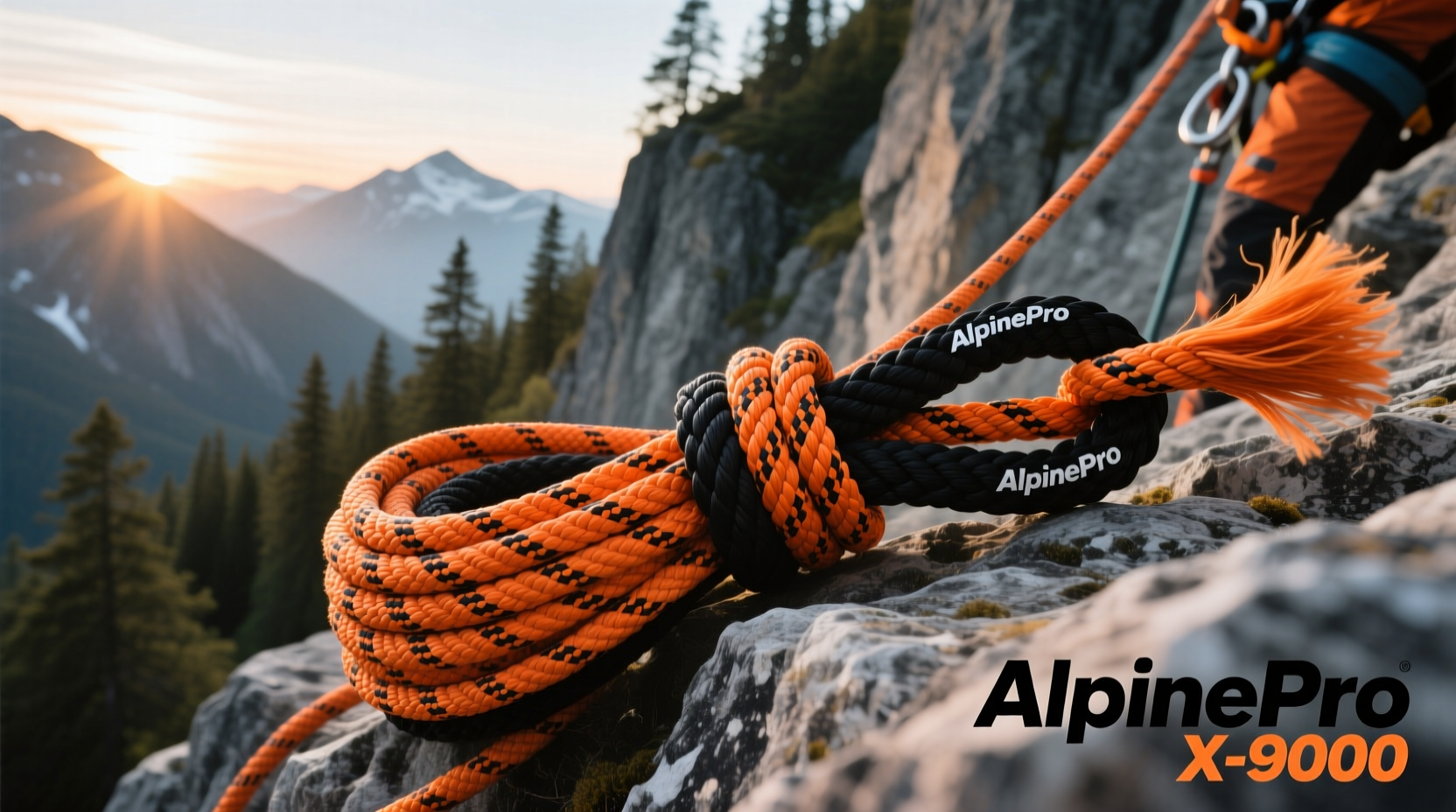
Ropes are broadly categorized by their intended function: dynamic, static, and accessory. Each serves a distinct purpose in climbing and outdoor applications.
- Dynamic ropes stretch under load, absorbing energy during a fall. They are essential for lead climbing and top-roping.
- Static ropes have minimal stretch, making them ideal for hauling gear, anchor systems, or fixed lines where elongation could be dangerous.
- Accessory cords (also called prusik cords) are thinner diameter lines used for tying knots, creating friction hitches, or building anchors.
Choosing the wrong type can compromise safety. For example, using a static rope for lead climbing drastically increases impact force on both climber and anchor—potentially leading to equipment failure.
Tip: Always verify that your rope carries UIAA or CE certification if used for life-support climbing applications.Key Factors in Durability and Performance
Durability isn’t just about thickness—it’s a combination of material, weave, coating, and design tailored to environmental stressors. Consider these core factors when evaluating a rope:
Tensile Strength and Impact Force
A rope’s tensile strength indicates its breaking point, but more important for climbers is impact force—how much force is transferred to the climber during a fall. Lower impact force means better shock absorption. Dynamic ropes typically range from 7–9 kN (kilonewtons) on first fall tests.
Sheath Percentage
The sheath protects the core and handles abrasion. Ropes with higher sheath percentages (e.g., 35–40%) last longer in rugged terrain. A robust sheath resists fraying, cuts, and dirt penetration.
Diameter and Weight
Thicker ropes (9.8–11mm) are more durable and easier to handle but heavier. Thinner ropes (8.5–9.5mm) save weight for alpine routes but wear faster. Balance longevity with portability based on your activity.
Water Resistance
Wet ropes lose strength and become heavier. Dry-treated ropes feature coatings (like Teijin’s Nano DRY or Mammut’s DryTech) that repel moisture. This treatment extends lifespan in wet environments and reduces water absorption by up to 80%.
“Over 70% of rope failures in rescue scenarios stem from undetected internal damage caused by moisture and abrasion.” — Dr. Alan Reyes, Mountain Safety Research Institute
Top Recommended Ropes for Climbing and Outdoor Use
Based on field testing, user feedback, and lab data, the following models stand out for quality, durability, and reliability across various disciplines.
| Rope Model | Type | Diameter | Length Options | Key Features |
|---|---|---|---|---|
| Edelrid Swift Pro Dry | Dynamic | 9.8 mm | 60m, 70m | 35% sheath, UIAA Fall Rating: 8, Dry-treated, excellent handling |
| BlueWater Apollo 9.8 | Static | 9.8 mm | 100m, 200m | Low stretch (1.5%), abrasion-resistant, ideal for rescue & hauling |
| Black Diamond Momentum | Dynamic | 10.1 mm | 60m, 70m | Durable sheath, great for gyms and trad climbing, affordable |
| Mammut Infinity Dry | Double/Dual | 8.5 mm | 50m, 60m | High sheath integrity, excellent for ice and mixed routes |
| PMI Gold Label Static | Static | 11 mm | 150ft, 300ft | Industry standard for caving and technical rescue, extremely durable |
For general-purpose outdoor use—such as securing tarps, setting up bear hangs, or emergency rigging—a 7–8mm accessory cord made from Dyneema or Kevlar blend offers exceptional strength-to-weight ratio and UV resistance.
Real-World Example: Alpine Expedition Rope Failure
In 2022, a team ascending the Grand Teton experienced a near-miss when their 7-year-old static rope snapped during a glacier crossing. The line had been used intermittently for camping tasks and was stored outdoors in a damp shed. Post-incident analysis revealed severe internal degradation due to moisture and lack of inspection. While no one was injured, the event highlighted how improper storage and misuse erode even heavy-duty ropes.
Had they followed a routine inspection protocol and reserved static lines only for non-dynamic applications, the failure might have been prevented. This case underscores why dedicated, well-maintained ropes matter—even in non-climbing roles.
Step-by-Step Guide to Maintaining Your Rope’s Longevity
A rope’s lifespan depends heavily on care. Follow this timeline to maximize durability:
- Before First Use: Inspect for manufacturing defects, ensure packaging includes UIAA/CE certification, and record purchase date in your gear log.
- Prior to Every Climb: Run the rope through your hands slowly, checking for soft spots, flat areas, or stiff sections indicating core damage.
- After Exposure to Dirt/Sand: Rinse gently with lukewarm water (no soap), lay flat to dry away from direct sunlight.
- Every 6 Months (or 100+ Uses): Perform a detailed inspection: stretch the rope slightly and examine sheath slippage, end wear, and knot history.
- When Retiring: Cut ends and mark “RETIRED” to prevent accidental reuse. Recycle via manufacturer take-back programs if available.
Frequently Asked Questions
How long does a climbing rope last?
If unused, a well-stored rope retains integrity for 5–7 years. Under regular use (weekly climbs), retire it after 1–2 years. For occasional weekend use, 3–5 years may be acceptable with consistent inspection.
Can I use a climbing rope for towing or vehicle recovery?
No. Dynamic ropes are not designed for sudden lateral loads or contact with sharp edges like car frames. Use rated recovery straps instead. Doing otherwise risks catastrophic failure.
What’s the difference between single, double, and twin ropes?
Single ropes (marked with “1”) are used individually. Double (marked “½”) are used in pairs for wandering routes to reduce rope drag. Twin ropes (marked with two crossed circles) are clipped together into every piece of protection and offer redundancy on complex terrain.
Essential Checklist Before Buying a Rope
- ✔️ Confirm UIAA or CE certification for climbing use
- ✔️ Match diameter to intended application (thicker = more durable)
- ✔️ Choose dry treatment for wet or snowy conditions
- ✔️ Check sheath percentage (aim for 30% or higher)
- ✔️ Verify length needed for route height and rappel requirements
- ✔️ Consider color visibility—bright colors help spot wear and tangles
- ✔️ Read user reviews focusing on long-term durability, not just initial feel
“The best rope isn’t always the lightest or cheapest—it’s the one that performs consistently when you need it most.” — Sarah Lin, Professional Mountain Guide (IFMGA Certified)
Final Thoughts: Invest in Safety, Not Just Gear
A high-quality, durable rope is an investment in your safety and confidence in the wild. It should inspire trust—not hesitation. By choosing the right type, maintaining it diligently, and retiring it proactively, you ensure every knot tied, every fall caught, and every descent made happens without compromise.
Climbing and outdoor exploration demand respect for gear limitations. Treat your rope not as disposable equipment, but as a lifeline. Make informed choices, inspect regularly, and never underestimate the value of proven performance.
💬 Have a rope story or tip to share? Join the conversation—your experience could help others stay safe on their next adventure.








