
Carp fishing is more than just dropping a line and waiting. It’s a blend of patience, strategy, and understanding fish behavior. Whether you're new to the sport or looking to refine your approach, mastering a few key techniques can dramatically increase your chances of landing carp—often in record time. With the right setup, bait, location, and mindset, you can turn even an average day on the water into a productive session.
Understand Carp Behavior and Habitat Preferences
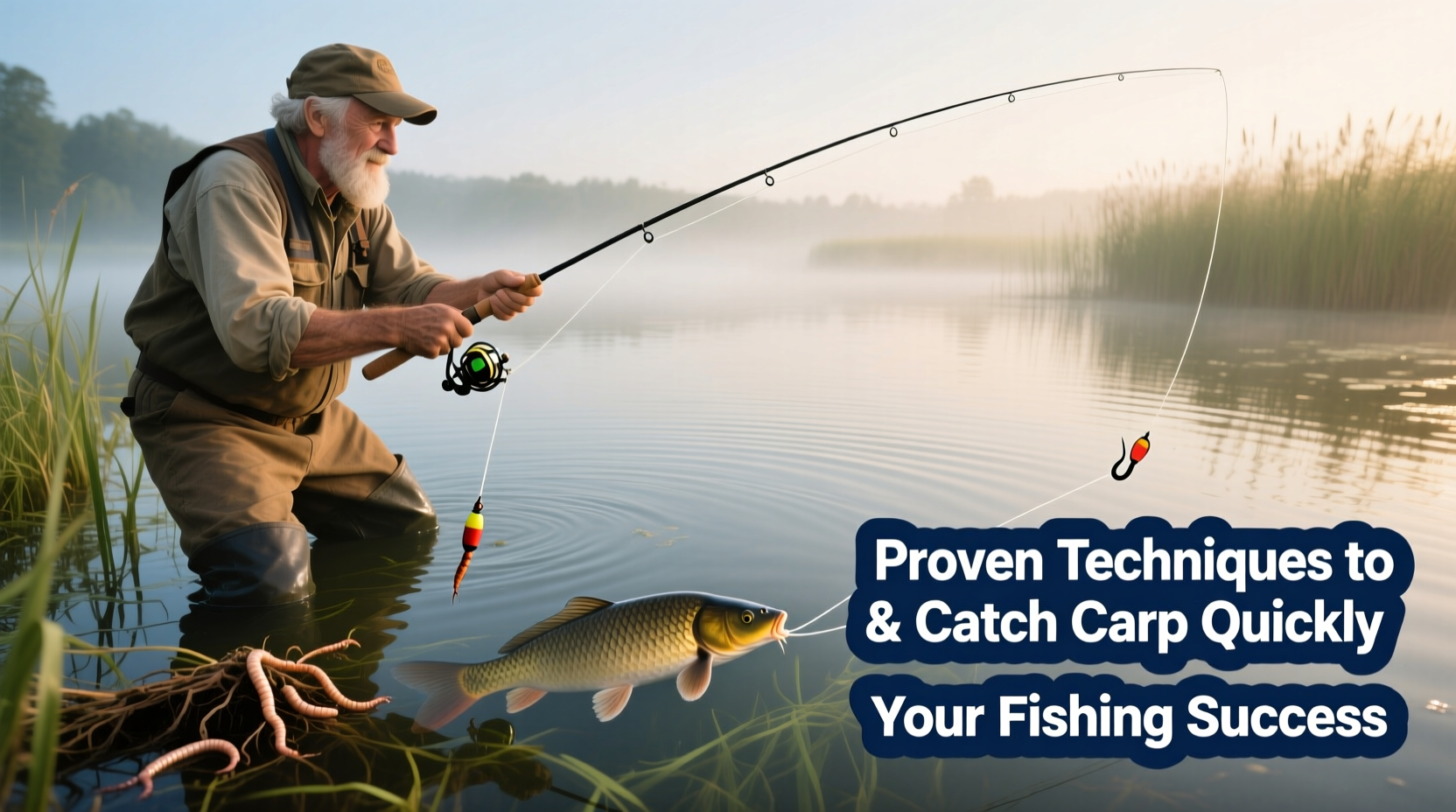
Carp are intelligent, adaptable fish that thrive in diverse environments—from slow-moving rivers and lakes to gravel pits and park ponds. They’re bottom feeders, relying heavily on their sensitive barbels to detect food. Knowing when and where they feed is critical to success.
Carp tend to be most active during dawn and dusk, especially in warmer months. In cooler weather, midday sun can draw them into shallower, sunlit areas. They often congregate near features like reed beds, overhanging trees, drop-offs, and submerged vegetation, which offer both cover and food sources.
Tip: Look for signs of feeding activity—ripples, bubbles, or mud clouds near the shore—to pinpoint active carp zones.Optimize Your Tackle and Rig Setup
The right gear makes a significant difference. Carp fishing doesn’t require the heaviest rods or thickest lines, but it does demand reliability and sensitivity. A medium-action rod (around 3–4 lbs test curve) paired with a smooth drag reel gives you control without spooking fish.
One of the most effective rigs for quick carp catches is the chumb rig or hair rig. The hair rig presents bait freely while keeping the hook concealed, reducing suspicion. When properly tied, it allows the carp to take the bait fully before the hook sets, increasing hook-up rates.
“The hair rig revolutionized carp fishing because it mimics natural feeding. The fish inhales the bait, not the hook.” — Mark Ellison, Competitive Angler & Author of *Carp Warrior*
Recommended Carp Fishing Rig Components
| Component | Recommendation | Purpose |
|---|---|---|
| Hook Size | 6–8 | Balances strength and subtlety |
| Hooklink | 12–15 lb fluorocarbon | Low visibility, abrasion-resistant |
| Bait Stopper | Small silicone bead | Holds bait in place on the hair |
| Swivel | Size 5–7 inline | Prevents line twist |
| Main Line | 10–12 lb braided or monofilament | Sensitivity and casting ease |
Select High-Attraction Baits Strategically
Bait choice can make or break your session. While carp will eat almost anything organic, certain baits consistently outperform others due to scent, texture, and visibility.
- Boilies – Commercially made or homemade, these protein-rich pellets release oils and scents that attract carp from a distance. Flavor variations like sweet corn, tiger nut, and marine crustacean work well depending on water conditions.
- Spod Mix – A groundbait blend containing crushed maize, hemp, fish meal, and attractants. Used with a spod rod to pre-bait an area and create a feeding zone.
- Natural Baits – Sweetcorn, worms, and luncheon meat are accessible and effective, especially for beginners.
Master the Art of Pre-Baiting and Groundbaiting
One of the most proven ways to catch carp quickly is to condition the area before fishing. This technique, known as pre-baiting, involves introducing small amounts of bait to a specific spot over several days. Carp learn to associate that location with food, making them more likely to investigate your hookbait when you fish there.
A structured approach includes:
- Visit the water 2–3 days before fishing.
- Cast 10–15 small balls of spod mix or loose feed into your target zone daily.
- Mark the spot with a pole or GPS if allowed.
- On fishing day, start with 3–5 additional casts to reactivate interest.
This builds a “feeding carpet” that draws carp in and keeps them occupied, giving you a window of opportunity to present your hookbait amid the natural food source.
Mini Case Study: The Weekend Gravel Pit Turnaround
Dave, an angler from Nottingham, struggled for months at a local gravel pit, catching only one carp in six visits. He switched tactics: instead of fishing immediately, he began pre-baiting a reed-lined corner with 500g of hemp and tiger nut boilie mix over three consecutive evenings. On his next visit, he cast into the same spot and caught four carp within 90 minutes. The key wasn’t luck—it was conditioning the fish to expect food in that location.
Step-by-Step Guide to a Successful Carp Session
Follow this timeline for maximum efficiency and higher catch rates:
- Day Before (Optional but Effective): Pre-bait your chosen spot with 300–500g of groundbait and 10–15 boilies.
- Arrival (1 Hour Before Dawn): Set up quietly, avoid sudden movements, and recast 3–5 small bait clusters to refresh the area.
- Rigging: Use a hair rig with a 14mm pop-up boilie (e.g., white halibut flavor) for visibility.
- Casting: Place two rods—one at 40m, one at 50m—covering different depths. Use lead clips and balanced leads to prevent rolling in current.
- Monitoring: Attach bite alarms or use visual indicators. Don’t strike immediately; wait 5–10 seconds after the rod dips to ensure the fish has taken the bait.
- Landing: Use a large net (at least 36”) and keep tension on the line. Avoid dragging fish onto dry land; use a cradle if available.
- After Catch: Unhook gently, support the fish horizontally, and release in still water away from bankside disturbances.
Common Mistakes That Slow Down Success
Even experienced anglers fall into traps that reduce effectiveness. Avoid these pitfalls:
| Mistake | Why It Hurts | Fix |
|---|---|---|
| Overplaying the fish | Exhausts carp, risks injury and loss | Use proper drag settings and steady pressure |
| Fishing in open water with no structure | Carp rarely linger in featureless zones | Target edges, weed beds, or drop-offs |
| Using oversized hooks or thick lines | Increases visibility and wariness | Match hook size to bait; use fluorocarbon |
| Reeling in too fast after a bite | Yanks bait from mouth before hook sets | Pause, then engage smoothly |
FAQ
What is the best time of year to catch carp?
Spring through early autumn offers the highest activity levels. Water temperatures between 15–22°C (59–72°F) trigger increased feeding. Winter carp are slower and deeper but can still be caught with smaller baits and longer waits.
Can I catch carp without a rod pod or expensive gear?
Absolutely. Many anglers succeed with a single medium-action rod, basic reel, and simple hair rig. Skill and observation matter more than equipment cost. Focus on bait presentation and location first.
How do I know if carp are in a particular lake?
Look for surface signs: rolling fish, tail flicks, or muddy patches in shallow water. Local angler forums or tackle shops often have up-to-date reports. Also, check for permitted fishing areas to avoid legal issues.
Final Tips for Faster, More Consistent Catches
- Always scout the bank for footprints, discarded line, or bait debris—signs of recent carp activity.
- Carry multiple bait types to test what’s working on the day.
- Keep noise and shadows to a minimum; carp have sharp vision and hearing.
- Record your sessions: note weather, time, bait used, and results to identify patterns.
Conclusion
Catching carp quickly isn’t about luck—it’s about preparation, precision, and persistence. By understanding carp habits, refining your rig, using high-attractant baits, and pre-baiting strategically, you shift the odds firmly in your favor. Every hour on the bank becomes more productive, and every session builds toward mastery.
🚀 Ready to transform your next outing? Pick one technique from this guide—pre-baiting, the hair rig, or strategic timing—and apply it on your next trip. Share your results in the comments and inspire fellow anglers to level up their game.








