When planning a camping trip, reliable power can make the difference between a comfortable outdoor experience and one filled with frustration. Whether you're charging phones, running a mini-fridge, or powering lights and a coffee maker, having electricity off the grid is no longer a luxury—it's a necessity for many modern campers. The two most common solutions are portable power stations and gas generators. Both deliver energy in remote locations, but they differ significantly in design, usability, and suitability for different types of camping. Understanding these differences helps you choose the right option based on your priorities: quiet operation, environmental impact, ease of use, or raw power output.
Noise and Campsite Experience
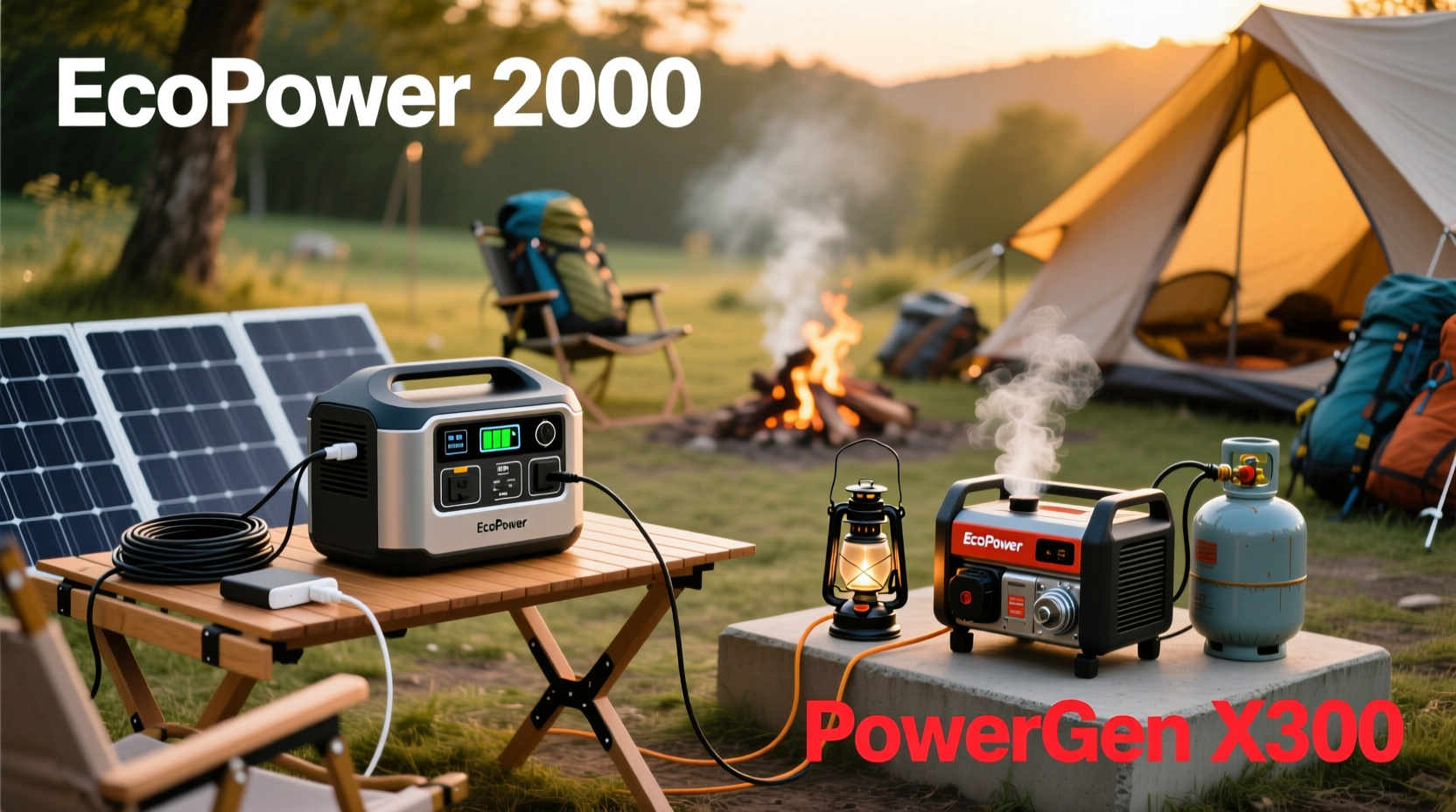
One of the most immediate differences between portable power stations and gas generators is noise. Gas generators rely on internal combustion engines that run on gasoline, propane, or diesel. These engines produce continuous mechanical noise typically ranging from 60 to 75 decibels—comparable to a normal conversation or a loud office environment. At night, this hum can disrupt sleep, interfere with nature sounds, and annoy nearby campers, especially in crowded campgrounds.
In contrast, portable power stations operate silently. They store electricity in lithium-ion or LiFePO4 batteries and deliver it through inverters without any moving parts during discharge. This makes them ideal for maintaining peace and tranquility at your campsite. If you value a serene outdoor experience or are camping with children or pets sensitive to noise, a power station offers a clear advantage.
Tip: Always place noisy equipment at least 20 feet away from your tent to minimize disturbance—even if using a generator with a \"quiet\" mode.Fuel, Maintenance, and Long-Term Reliability
Gas generators require ongoing fuel management. You must carry extra gasoline, store it safely, and refill the tank periodically. Fuel degrades over time—especially ethanol-blended gasoline—which can lead to engine problems if stored beyond three to six months. Generators also need regular maintenance: oil changes, air filter cleaning, spark plug checks, and carburetor servicing. Neglecting upkeep increases the risk of failure when you need power most.
Portable power stations, on the other hand, eliminate fuel entirely. They recharge via AC wall outlets, solar panels, car chargers, or even some vehicle alternators. Once charged, they’re ready to use with minimal maintenance beyond occasional battery conditioning. Their solid-state design means fewer points of failure. While extreme cold can reduce battery efficiency, proper storage ensures longevity. Most modern units include built-in battery management systems (BMS) that protect against overcharging, overheating, and deep discharge.
“Battery-based power stations have transformed off-grid camping. They offer reliability without the hassle of fuel logistics.” — Dr. Alan Torres, Renewable Energy Systems Engineer
Power Output and Runtime Comparison
When comparing performance, gas generators generally provide higher continuous wattage and longer runtime. A mid-sized generator (3,000 watts) can run indefinitely as long as fuel is available. It can handle high-draw appliances like electric kettles, microwaves, or space heaters—equipment that would quickly drain even large power stations.
Portable power stations typically range from 300 to 3,000 watt-hours (Wh) of capacity. A 1,000Wh unit might power a 60W laptop for 14 hours, a 50W mini-fridge for 18 hours, or a 10W LED light strip for 100 hours—but not all simultaneously at full load. High-wattage devices such as induction cooktops (1,200–1,800W) may only run for 30–60 minutes on a large station. Recharging takes several hours unless paired with high-output solar panels.
For weekend campers who primarily charge electronics, run small coolers, or power CPAP machines, a power station is more than sufficient. But for extended stays, larger groups, or those needing heavy-duty appliances, a gas generator provides unmatched flexibility.
Comparison Table: Key Features at a Glance
| Feature | Portable Power Station | Gas Generator |
|---|---|---|
| Noise Level | Silent (0 dB) | 60–75 dB (moderate to loud) |
| Fuel Source | Electricity (grid/solar/car) | Gasoline, propane, or diesel |
| Maintenance Needs | Minimal (battery care) | Regular (oil, filters, spark plugs) |
| Indoor Use Safety | Safe (no emissions) | Never safe (CO risk) |
| Runtime (typical) | 5–50 hours (load-dependent) | 8–24+ hours per tank (refillable) |
| Weight (average) | 10–60 lbs | 40–100+ lbs |
| Recharge Time | 3–12 hours (solar slower) | N/A (refuel in minutes) |
| Environmental Impact | Zero emissions during use | CO₂, NOₓ, carbon monoxide |
Safety and Environmental Considerations
Safety is critical when using power sources outdoors. Gas generators emit carbon monoxide (CO), an odorless, deadly gas. Even with “CO shield” technology, they should never be used inside tents, RVs, or enclosed shelters. Many camping tragedies have resulted from improper generator placement near open windows or under awnings where exhaust accumulates.
Portable power stations pose no CO risk and can be safely operated indoors or inside vehicles. They also avoid fire hazards associated with fuel storage and spills. However, lithium batteries can pose thermal runaway risks if damaged or exposed to extreme heat—though modern BMS greatly reduces this danger.
Environmentally, power stations align better with sustainable camping practices. When charged via solar panels, they offer truly clean, renewable energy. Gas generators contribute to air pollution and noise pollution, which many national parks and protected areas aim to minimize. Some campgrounds now restrict or ban gas-powered generators during quiet hours.
Tip: Pair your portable power station with a foldable solar panel kit for eco-friendly recharging during multi-day hikes or remote backcountry trips.Real-World Scenario: Family Camping Trip in the Rockies
The Miller family planned a five-day camping trip in Rocky Mountain National Park. They brought an RV with basic amenities but wanted to remain off-grid. Their needs included running a 45-quart fridge (50W), charging phones and tablets, powering LED lights (10W), and operating a CPAP machine (30W) for the father. They considered both a 2,000W gas generator and a 1,500Wh portable power station with solar input.
They chose the power station for its quietness and clean operation. With careful load management, the unit lasted nearly three days before needing a recharge. They used a 200W solar panel array during daylight, which extended runtime effectively. On day four, cloudy weather limited solar input, so they drove to a nearby ranger station to recharge via AC outlet. The trade-off was worth it: no noise complaints from neighbors, no fumes, and a peaceful mountain atmosphere preserved.
In contrast, had they chosen the generator, they could have run all devices continuously and refueled locally. But nighttime operation would have required distancing the unit from sleeping areas, and morning startups might have disturbed others. For their moderate power needs and emphasis on comfort, the power station proved superior.
Step-by-Step Guide: Choosing the Right Power Solution
Follow this decision framework to determine which option fits your camping style:
- Assess your total power needs. List all devices you plan to run and their wattage. Multiply wattage by hours of daily use to get watt-hours (Wh). Add 20% buffer for inefficiency.
- Determine trip duration. Weekend trips favor power stations. Trips over five days with high power demands may require a generator or hybrid setup.
- Evaluate recharging options. Will you have access to grid power? Can you bring solar panels? No recharging capability favors a generator.
- Consider campsite rules. Check if the campground restricts generator use by time or bans them altogether. Many do during evening hours.
- Prioritize user experience. If silence, safety, and low maintenance matter most, lean toward a power station. If raw power and unlimited runtime are essential, go with a generator.
- Plan for emergencies. Always carry backup charging methods—like a car inverter or solar charger—even when using a generator.
Hybrid Approach: Best of Both Worlds?
Some campers opt for a hybrid strategy. Use a portable power station for daytime and nighttime needs, then run a quiet inverter generator briefly each morning to recharge the station and top off vehicle batteries. This minimizes noise exposure while ensuring consistent power availability.
Modern dual-fuel generators (propane and gasoline) offer cleaner burning and longer shelf life than pure gasoline models. When paired with a large-capacity power station, this setup delivers flexibility: silent battery power when needed, and rapid refueling when necessary.
Frequently Asked Questions
Can I use a portable power station to jump-start my car?
Some models include a built-in jumper cable port or 12V DC boost function. Check product specifications—many higher-end stations (like Jackery, EcoFlow, or Bluetti) offer this feature. Standard USB or AC ports cannot jump-start a vehicle.
Are gas generators allowed in national parks?
Most U.S. national parks allow gas generators but enforce strict noise and usage regulations. Typically, operation is limited to specific hours (e.g., 8 AM–8 PM), and units must be used at designated generator sites if available. Always check with the individual park’s rules before arrival.
How long do portable power stations last?
Lifespan depends on battery chemistry. Lithium-ion units last 300–500 cycles before dropping to 80% capacity. LiFePO4 (lithium iron phosphate) models endure 2,000–3,000 cycles, making them more durable for frequent use. Proper storage (partial charge, cool temperature) extends life significantly.
Final Recommendation: Match Power to Purpose
There is no universal winner in the portable power station vs gas generator debate. The best choice depends on your camping habits, group size, power demands, and personal values. For car campers, van lifers, and digital nomads prioritizing quiet, clean, and convenient energy, portable power stations are increasingly the preferred solution. Advances in battery density and solar integration continue to close the gap with traditional generators.
However, for rugged expeditions, extreme weather conditions, or situations requiring sustained high-wattage output, gas generators remain indispensable. They offer proven reliability and rapid refueling in areas without infrastructure.
The future of camping power lies in smart integration. Combining a modestly sized power station with a quiet, fuel-efficient generator—or relying solely on solar-charged batteries—allows adventurers to enjoy modern comforts without sacrificing the essence of the wilderness experience.
🚀 Ready to upgrade your camping power setup? Evaluate your next trip’s energy needs using the step-by-step guide above, and choose a solution that enhances—not interrupts—your connection with nature.








