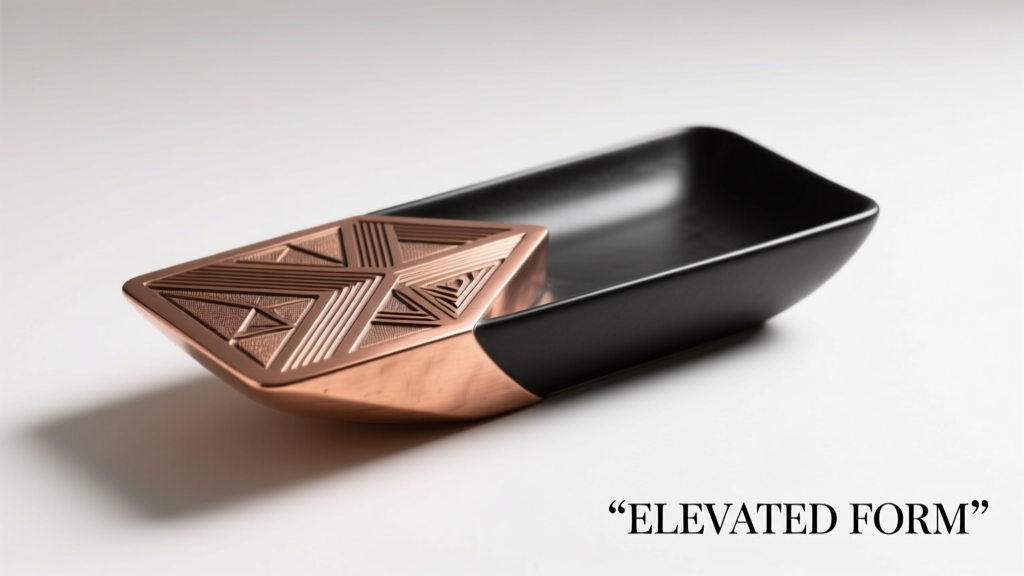
Types of Pin-Spinning
Pin-spinning is a specialized metal forming technique used to shape cylindrical or conical components by rotating a metal blank against a mandrel while applying pressure with a roller or tool. Over time, various types of pin-spinning have evolved to meet diverse industrial needs, enhance functional performance, and enable the creation of intricate designs and precise components. These variations differ based on their intended applications, manufacturing techniques, materials used, and levels of automation and precision.
Standard Pin Spinning
Used primarily for producing basic, high-volume cylindrical parts such as door knobs, kitchen utensils, furniture fittings, and simple hardware components. This method focuses on uniform diameter shaping without complex geometries, making it ideal for consistent, repeatable production runs.
Advantages
- Cost-effective for simple shapes
- High production speed
- Low tooling complexity
- Ideal for mass-produced consumer goods
Limitations
- Limited design flexibility
- Not suitable for tight tolerances
- Manual operation may reduce consistency
Best for: Everyday household items, basic industrial components, low-complexity hardware
Precision Pin Spinning
A highly advanced form of pin-spinning used in critical industries such as aerospace, medical devices, and electronics. Utilizing CNC-controlled lathes and real-time monitoring systems, this process achieves extremely tight tolerances (often within ±0.01 mm), ensuring exceptional accuracy and repeatability.
Advantages
- Extremely high dimensional accuracy
- Consistent quality across batches
- Suitable for safety-critical applications
- Integration with digital design (CAD/CAM)
Limitations
- Higher equipment and operational costs
- Requires skilled technicians
- Slower than standard spinning for simple parts
Best for: Medical implants, aircraft components, precision sensors, and electronic enclosures
Multi-Functional Pin Spinning
An innovative approach that allows the creation of multi-purpose pins or spindles capable of integrating several mechanical or functional features—such as threaded sections, grooves, flanges, or attachment points—into a single component. This reduces the need for assembly and enhances product reliability.
Advantages
- Reduces part count and assembly time
- Enables complex, integrated designs
- Improves structural integrity
- Ideal for modular appliances and smart devices
Limitations
- Requires advanced tooling and programming
- Higher initial setup cost
- Limited availability in small workshops
Best for: Smart home devices, multi-tool accessories, appliance connectors, and IoT hardware
Mass Pin Spinning
Optimized for high-volume production of consumer-grade components such as jewelry clasps, mobile phone mounts, watch pins, and decorative hardware. This method leverages automated feeding systems, quick-change tooling, and streamlined workflows to maximize output and minimize labor costs.
Advantages
- Extremely fast production rates
- Low per-unit cost at scale
- Easily scalable for seasonal demand
- Compatible with a wide range of metals and alloys
Limitations
- Less suitable for custom or low-volume orders
- Design changes require retooling
- Quality control must be rigorously maintained
Best for: Fashion accessories, consumer electronics, retail hardware, and promotional items
| Type | Accuracy Level | Production Volume | Complexity | Primary Applications |
|---|---|---|---|---|
| Standard Pin Spinning | Medium | High | Low | Household goods, basic hardware |
| Precision Pin Spinning | Very High | Medium | High | Aerospace, medical, electronics |
| Multi-Functional Pin Spinning | High | Medium | Very High | Smart devices, modular systems |
| Mass Pin Spinning | Medium | Very High | Low to Medium | Consumer products, accessories |
Expert Tip: When selecting a pin-spinning method, consider not only the design requirements but also lifecycle costs. While precision and multi-functional spinning have higher upfront costs, they can reduce long-term expenses through improved durability and reduced assembly needs.
Design of Pin Spinning: Engineering Precision and Artistic Innovation
Pin spinning is a highly specialized metal forming process that blends engineering precision with creative design to produce symmetrical, axially oriented components. This technique is widely used across industries such as aerospace, automotive, defense, and jewelry manufacturing, where both functional performance and aesthetic appeal are critical. The success of a pin-spun product hinges on a well-thought-out design that considers material properties, geometric constraints, production efficiency, and end-use requirements.
Core Design Principles in Pin Spinning
The design phase of pin spinning is foundational to achieving high-quality results. Unlike arbitrary shaping methods, pin spinning requires careful planning to ensure dimensional accuracy, structural integrity, and manufacturability. Every design decision—from contour selection to wall thickness—directly impacts the spinning process and final product quality.
Geometric Design and Functional Utility
The shape of a pin-spun component is never arbitrary; it must align precisely with the intended function. For instance, industrial machine parts often demand tight tolerances, thin-walled rings, or seamless cylindrical forms for optimal performance under stress. In contrast, decorative items like jewelry or art pieces prioritize smooth curves, elegant profiles, and surface finish.
Designers must account for material flow during spinning, avoiding sharp angles or abrupt transitions that can cause thinning, cracking, or tool deflection. Gradual tapers and radiused corners enhance formability and reduce the risk of defects, ensuring consistent wall thickness and improved strength.
Material Selection and Its Impact
Choosing the right material is crucial in determining the feasibility, durability, and appearance of pin-spun products. Common metals include:
- Aluminum: Lightweight and corrosion-resistant; ideal for aerospace and automotive components.
- Brass: Offers excellent machinability and a decorative gold-like finish; frequently used in fittings and ornamental hardware.
- Stainless Steel: High strength and resistance to wear and corrosion; preferred for heavy-duty industrial applications.
- Titanium: Exceptional strength-to-weight ratio and biocompatibility; used in medical devices and high-performance engineering.
- Pewter & Acrylic: Softer materials suitable for prototypes, artistic pieces, or lightweight consumer goods.
Each material behaves differently under spinning forces, influencing tooling design, feed rates, and finishing techniques.
Incorporating Functional and Aesthetic Features
One of the key advantages of pin spinning is the ability to integrate complex features directly into the formed part. These can include:
These features are typically added using specialized tools during the spinning process, reducing the need for post-machining and minimizing material waste. However, their placement and depth must be carefully designed to avoid compromising the integrity of the spun wall.
| Design Factor | Impact on Pin Spinning | Best Practices |
|---|---|---|
| Wall Thickness | Directly affects material flow and risk of tearing | Maintain uniform thickness; allow for minor thinning in tapered sections |
| Part Diameter | Larger diameters require higher tonnage and stable tooling | Limit diameter based on machine capacity; consider segmented forming for large parts |
| Depth-to-Diameter Ratio | High ratios increase forming difficulty and tool deflection | Keep ratio below 1:1 when possible; use multi-pass spinning for deeper forms |
| Surface Finish Requirements | Determines post-processing needs | Design smooth contours to minimize polishing; specify finish early in design |
Optimizing for Production Efficiency
Efficient pin spinning relies heavily on design-for-manufacturability (DFM) principles. Well-planned designs reduce cycle times, minimize material waste, and lower labor costs—especially in high-volume production runs. Key considerations include:
By integrating these factors early in the design phase, manufacturers can achieve faster turnaround times, consistent quality, and reduced overall production costs.
Important: Always collaborate with experienced spinning technicians during the design phase. Early feedback on formability, tooling requirements, and material behavior can prevent costly redesigns and production delays. Additionally, prototyping complex designs before full-scale production helps validate performance and refine process parameters.
How to Choose Pin Spinning Products for Business Success
Selecting the right pin spinning products and suppliers is a strategic decision that directly impacts operational efficiency, product quality, and long-term profitability. Pin spinning—a precision metal forming process used to create cylindrical components like shafts, pins, and fasteners—requires high-quality tooling, materials, and technical support to ensure consistent performance and durability.
To make informed purchasing decisions, businesses must evaluate multiple interrelated factors including product quality, supplier reliability, customer feedback, cost-effectiveness, and market trends. This guide breaks down each critical element to help you choose the best pin spinning solutions tailored to your production needs.
Product Quality & Material Standards
The performance and longevity of pin spinning components depend heavily on material selection, manufacturing precision, and surface finish. High-quality products are engineered using durable alloys such as hardened steel, stainless steel, or specialized tool steels designed to withstand repeated stress and wear.
- Look for components made from ISO-certified or industry-standard materials (e.g., AISI, DIN, or JIS specifications)
- Precision-ground surfaces reduce friction and improve consistency in high-speed applications
- Heat-treated or coated finishes (e.g., nitriding, chrome plating) enhance wear resistance and corrosion protection
- Consistent dimensional tolerances ensure seamless integration into existing machinery
Key consideration: Request material test reports (MTRs) and quality certifications to verify compliance with your operational standards.
Supplier Reliability & Technical Expertise
A dependable supplier is more than just a vendor—they are a partner in your production success. The best suppliers demonstrate deep technical knowledge of pin spinning processes and offer consistent product availability, responsive service, and ongoing support.
- Choose suppliers with proven experience in your industry (e.g., automotive, aerospace, or industrial manufacturing)
- Assess their ability to provide custom solutions or modifications for unique applications
- Reliable inventory management ensures minimal downtime due to stockouts
- Look for suppliers who offer technical documentation, installation guidance, and troubleshooting assistance
Pro tip: Evaluate supplier responsiveness—quick communication and problem resolution are signs of strong customer commitment.
Customer Reviews & Real-World Feedback
Actual user experiences provide invaluable insights that go beyond marketing claims. Customer reviews highlight common issues, durability concerns, and the level of post-purchase support provided by the supplier.
- Pay attention to recurring feedback about product lifespan, failure rates, and ease of installation
- Positive comments on supplier responsiveness indicate reliable after-sales service
- Look for case studies or testimonials from companies with similar use cases
- Platforms like industry forums, B2B marketplaces, and trade publications can offer honest evaluations
Critical insight: A pattern of complaints about chipping, warping, or inconsistent performance should raise red flags.
Cost vs. Value Analysis
While initial price is important, the total cost of ownership determines true value. High-quality pin spinning products may have a higher upfront cost but often deliver longer service life, reduced maintenance, and fewer production interruptions.
- Economy-grade components may save money short-term but risk frequent replacements and machine downtime
- Premium products typically offer better wear resistance and dimensional stability
- Consider bundled packages or bulk pricing for high-volume users
- Factor in labor costs, machine compatibility, and warranty coverage when comparing options
Smart choice: Invest in mid-to-high-tier components for critical applications where failure could disrupt operations.
Market Trends & Technological Advancements
Staying informed about innovations in pin spinning technology helps businesses maintain a competitive edge. New materials, coatings, and design improvements can significantly enhance performance and efficiency.
- Self-lubricating or low-friction coatings reduce maintenance needs
- Modular or adjustable pin designs offer greater flexibility across product lines
- Smart monitoring integration (e.g., wear sensors) is emerging in advanced manufacturing environments
- Sustainable manufacturing practices are increasingly valued by clients and regulators
Forward-thinking tip: Engage suppliers who invest in R&D and regularly update their product lines.
Warranty & After-Sales Support
A comprehensive warranty reflects a supplier’s confidence in their product. Equally important is the availability of technical support, replacement parts, and repair services.
- Look for warranties covering material defects and premature wear (typically 6 months to 2 years)
- Suppliers offering exchange programs minimize downtime during failures
- Access to engineering support helps optimize setup and troubleshoot issues
- Detailed user manuals and training resources improve implementation success
Time-saving benefit: Strong after-sales service reduces the burden on your internal maintenance team.
Professional Recommendation: For most industrial applications, prioritize suppliers who offer a balance of quality, reliability, and technical support—even if their prices are slightly higher. The reduction in machine downtime, lower maintenance costs, and improved product consistency typically outweigh the initial investment. Always request samples or trial runs before large-scale procurement to validate performance under real operating conditions.
| Business Need | Recommended Product Tier | Material Type | Expected Lifespan | Key Benefit |
|---|---|---|---|---|
| Low-volume prototyping | Economy/Standard | Tempered Carbon Steel | 6–12 months | Cost-effective for testing |
| High-volume production | Premium Grade | Hardened Alloy Steel | 18–36 months | Reduced wear and downtime |
| Corrosive environments | Specialty Coated | Stainless Steel + Nitride Coating | 24+ months | Superior rust resistance |
| Precision-critical applications | High-Tolerance Custom | Tool Steel with Precision Grinding | 3+ years | Ultra-consistent output |
Additional Considerations for Optimal Selection
- Compatibility: Ensure new components are compatible with existing machinery and tooling systems
- Lead Times: Evaluate supplier delivery speed, especially for replacement parts that affect production continuity
- Sustainability: Consider eco-friendly manufacturing practices and recyclable materials where applicable
- Scalability: Choose suppliers who can grow with your business and handle increased order volumes
- Global Standards: For international operations, confirm compliance with regional regulations and certifications (e.g., CE, RoHS)
Scenarios of Pin Spinning: Applications Across Industries
Pin spinning is a highly efficient metal forming process that transforms flat or pre-shaped metal blanks into precise cylindrical or axisymmetric components using rotational force and a forming tool—commonly referred to as a "spindle" or "forming pin." This cold or warm working technique is renowned for its material efficiency, repeatability, and ability to produce seamless, high-strength parts. Its versatility makes it a preferred manufacturing method across diverse sectors, from mass-produced consumer goods to mission-critical aerospace components. Below is an in-depth exploration of how pin spinning is applied in industrial, aerospace, and consumer product manufacturing.
Industrial Manufacturing: Efficiency at Scale
In industrial production environments, pin spinning plays a vital role in achieving high-volume output with minimal waste. The process is especially effective for shaping ductile metals such as aluminum, copper, and mild steel into symmetrical forms like bowls, domes, and cylindrical housings.
- Material Efficiency: Pin spinning uses near-net-shape blanks, significantly reducing material scrap compared to subtractive methods like CNC machining.
- High Repetition: Once the tooling and parameters are set, the process can rapidly produce identical parts—ideal for large batches such as cookware, lighting reflectors, or pressure vessel ends.
- Cost-Effective Tooling: Compared to deep drawing or stamping dies, spinning mandrels are simpler and less expensive to fabricate, making small to medium production runs economically viable.
- Limitations: Parts with internal grooves, undercuts, or non-axisymmetric features typically require secondary operations such as milling or drilling after spinning.
Common industrial applications include frying pans, mixing bowls, and industrial funnels—products that benefit from smooth, seamless surfaces and consistent wall thickness achieved through controlled spinning passes.
Expert Tip: For optimal surface finish and dimensional accuracy in industrial pin spinning, use multi-stage forming with progressively shaped tools rather than a single aggressive pass. This reduces stress concentration and improves part consistency.
Aerospace Engineering: Precision Meets Performance
The aerospace industry demands components that are both lightweight and structurally robust, making pin spinning an ideal solution for fabricating critical parts. Advanced CNC-controlled spinning machines enable the production of complex geometries with tight tolerances and excellent grain structure alignment, enhancing mechanical properties.
- Precision Components: Pin spinning is used to manufacture engine nacelles, turbine housings, rocket nose cones, and landing gear covers—parts where aerodynamic smoothness and structural integrity are paramount.
- CNC Integration: Computer Numerical Control (CNC) systems allow for programmable tool paths, enabling precise control over wall thickness, taper angles, and curvature. This is essential for meeting aerospace specifications such as AS9100 and MIL-STD.
- Material Advantages: Spun aerospace components often exhibit improved fatigue resistance due to work hardening and directional grain flow, contributing to longer service life.
- Quality Assurance: Each spun part undergoes rigorous inspection via coordinate measuring machines (CMM) and non-destructive testing (NDT) to ensure compliance with safety and performance standards.
Because pin spinning produces monolithic, weld-free components, it eliminates potential failure points associated with joints—making it indispensable in high-stress aerospace applications.
Safety & Compliance Note: In aerospace manufacturing, any deviation in dimensional accuracy or material integrity can compromise flight safety. Therefore, all pin spinning operations must follow strict quality control protocols and be performed by certified technicians using calibrated equipment.
Consumer Goods: Bridging Aesthetics and Functionality
Pin spinning has evolved beyond utilitarian applications to become a key process in the production of consumer products that require both visual appeal and functional precision. The ability to replicate intricate contours and polished finishes makes it suitable for competitive markets where design differentiation is crucial.
- Design Flexibility: From sleek phone casings to decorative jewelry and high-end kitchenware, pin spinning allows for creative freedom in shaping reflective, smooth surfaces that are difficult to achieve with other forming methods.
- Mass Customization: With digital tooling and rapid setup, manufacturers can switch between designs quickly, supporting limited editions or personalized products without sacrificing efficiency.
- Surface Quality: Spun parts often require little post-processing, as the process naturally produces a smooth finish ideal for plating, polishing, or powder coating.
- Market Advantage: Brands leverage pin-spun components to offer premium-quality goods at competitive prices, enhancing market positioning in industries like electronics, fashion accessories, and home décor.
For example, luxury watch bezels, speaker grills, and designer lighting fixtures frequently utilize pin spinning to achieve consistent, high-gloss finishes with perfect symmetry.
| Industry | Key Applications | Material Types | Process Advantages |
|---|---|---|---|
| Industrial Manufacturing | Cookware, pressure vessel ends, industrial domes | Aluminum, stainless steel, copper | High throughput, low tooling cost, minimal waste |
| Aerospace | Engine covers, nose cones, landing gear housings | Titanium alloys, high-strength aluminum | Precision tolerances, enhanced strength, no welds |
| Consumer Products | Phone cases, jewelry, lighting fixtures | Brass, aluminum, precious metals | Superior finish, design versatility, quick changeovers |
Pro Insight: Combining pin spinning with additive manufacturing (3D printing) for custom mandrels allows for rapid prototyping and low-volume production of complex shapes—opening new possibilities in product development and innovation.
Conclusion: A Versatile Manufacturing Solution
Pin spinning stands out as a transformative manufacturing technique that balances efficiency, precision, and aesthetic quality across multiple industries. Whether used to produce thousands of identical frying pans, high-performance aerospace components, or stylish consumer electronics, the process delivers consistent results with excellent material utilization. As automation and CNC integration continue to advance, pin spinning is poised to play an even greater role in modern manufacturing—offering scalable, sustainable, and high-quality production solutions for the future.
Frequently Asked Questions About Pin Spinning
Q1: What is pin spinning used for?Pin spinning is a specialized metal forming and fabrication technique used to create symmetrical, cylindrical, or conical components by rotating a flat metal disc or tube around a mandrel (or "pin") at high speed while applying controlled pressure with a roller or tool. This process, also known as spin forming or metal spinning, allows for the seamless shaping of materials into precise geometries without welding or joining.
This method is widely employed in both industrial and artistic applications. Common products include:
- Aerospace components: Nose cones, satellite housings, and engine parts
- Lighting fixtures: Reflectors, lamp shades, and decorative housings
- Consumer goods: Cookware, musical instruments (e.g., brass bells), and high-end electronics enclosures
- Art and design: Sculptural elements, custom trophies, and luxury décor items
Because pin spinning produces smooth, seamless surfaces and maintains material integrity, it's preferred for parts requiring both aesthetic appeal and structural reliability.
Q2: How does pin spinning impact different industries?Pin spinning plays a transformative role across multiple high-tech and design-driven industries by enabling the production of lightweight, high-strength, and intricately shaped components that are difficult or costly to achieve through other manufacturing methods.
Key industry impacts include:
- Aerospace & Defense: Allows fabrication of aerodynamic, low-weight components like radomes and fuselage sections, contributing to fuel efficiency and performance.
- Medical Technology: Used to produce sterile, seamless enclosures for imaging devices and surgical equipment where hygiene and precision are critical.
- Consumer Electronics: Enables sleek, durable casings for premium audio equipment and wearable tech with consistent surface finishes.
- Jewelry & Luxury Goods: Facilitates the creation of intricate, hand-finished pieces such as custom pins, medallions, and watch components with exceptional detail.
- Automotive: Applied in custom exhaust tips, trim pieces, and concept vehicle components requiring both strength and visual appeal.
The versatility and scalability of pin spinning—from prototyping to medium-volume production—make it a go-to solution for manufacturers seeking both efficiency and design freedom.
Q3: What are the benefits of precision pin spinning?Precision pin spinning offers numerous advantages over traditional machining and stamping processes, especially for applications demanding tight tolerances, superior surface quality, and structural integrity.
Key benefits include:
- High Accuracy: CNC-controlled spinning ensures dimensional consistency within ±0.05 mm, essential for aerospace and medical components.
- Material Efficiency: Minimal waste compared to subtractive methods—ideal for expensive alloys like titanium or specialty steels.
- Improved Grain Structure: Cold working during spinning enhances material strength and fatigue resistance by aligning the grain flow with the part’s contour.
- Seamless Construction: Eliminates weld lines and joints, reducing potential failure points and improving corrosion resistance.
- Surface Finish Quality: Produces smooth, reflective surfaces that often require little to no post-processing.
- Design Flexibility: Enables rapid prototyping and customization without the need for expensive molds or dies.
These attributes make precision pin spinning a preferred method in safety-critical and high-performance sectors where reliability and repeatability are non-negotiable.
Q4: What materials are compatible with pin spinning?Pin spinning is compatible with a broad range of ductile materials that can undergo plastic deformation without cracking. The choice of material depends on the application’s mechanical, thermal, and aesthetic requirements.
Commonly used materials include:
| Material Type | Examples | Typical Applications |
|---|---|---|
| Metals | Aluminum, Brass, Copper, Stainless Steel, Titanium | Aerospace parts, medical devices, architectural elements |
| Alloys | Monel, Inconel, Hastelloy | High-temperature and corrosive environments (e.g., jet engines) |
| Non-Metallics | Acrylic, Polycarbonate, PVC | Prototyping, lighting covers, decorative items |
| Soft Metals | Pewter, Silver, Gold | Jewelry, awards, art pieces |
Material selection also considers factors like formability, thickness, and post-processing needs (e.g., polishing, plating, or anodizing). Pre-annealing may be required for harder metals to improve workability during spinning.
Q5: How does pin spinning enhance product design flexibility?Pin spinning significantly expands design possibilities by enabling engineers and designers to create complex, organic shapes and integrated features in a single operation—without the constraints of molds, tooling, or assembly requirements.
Design advantages include:
- Complex Geometries: Ability to form deep draws, compound curves, and asymmetric contours that are challenging with stamping or casting.
- Integrated Features: Grooves, flanges, ridges, and engravings can be formed directly into the part, reducing the need for secondary operations.
- Customization at Scale: Ideal for low-to-medium volume production of bespoke components—common in luxury goods, prototypes, and niche industrial parts.
- Rapid Iteration: Quick changeover between designs using CNC programming, allowing for agile development and testing.
- Aesthetic Control: Offers superior surface finishes and the ability to incorporate textures, patterns, or branding elements during forming.
This flexibility empowers innovation across fields—from creating ergonomic medical device housings to sculptural architectural elements—making pin spinning a powerful tool in modern manufacturing and design.









