The promise of at-home fitness is alluring: no commute, no crowded locker rooms, no waiting for equipment. The Peloton bike epitomizes this modern convenience—a sleek machine promising studio-quality workouts from your living room. But how many of these high-end bikes end up as glorified coat racks, draped in towels and forgotten?
This isn’t just about Peloton versus a traditional gym membership. It’s about understanding human behavior, long-term motivation, and the real cost of fitness—both financial and psychological. Before you invest thousands in a home setup or renew that $90 monthly gym fee, it’s worth asking: which option actually gets used, and why?
The Hidden Cost of Unused Fitness Equipment
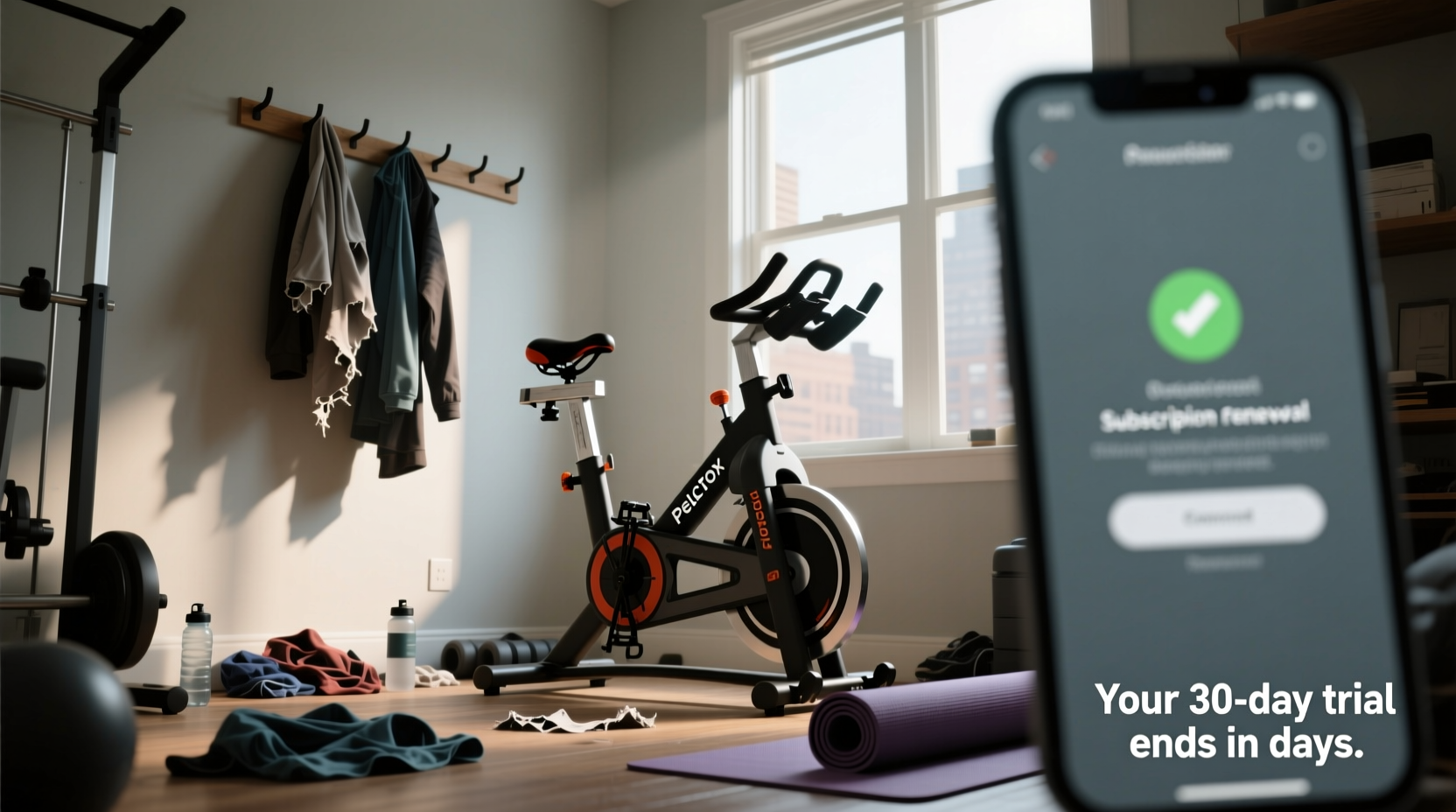
A 2023 study by the American Council on Exercise found that over 60% of home exercise equipment is abandoned within six months of purchase. Treadmills, ellipticals, and smart bikes often start as symbols of commitment but quickly morph into storage solutions for laundry and gym bags.
The emotional arc is predictable: excitement upon delivery, intense use for two to three weeks, then gradual decline. By month three, usage drops to once a week or less. For many, the dream of daily spin classes fades under the weight of routine, fatigue, or lack of accountability.
“Equipment doesn’t create habits. Behavior does. The most advanced bike won’t help if the rider isn’t motivated.” — Dr. Lena Torres, Behavioral Psychologist & Fitness Researcher
Yet, people still buy them. Why?
Peloton sells more than hardware—it sells community, convenience, and identity. You’re not just buying a bike; you’re joining a tribe of early risers, leaderboard chasers, and “I did a 45-minute climb before breakfast” achievers. But branding alone can’t sustain long-term engagement.
Breaking Down the Costs: Upfront vs Ongoing
Let’s compare the real numbers—not just sticker prices, but total cost of ownership over time.
| Cost Factor | Peloton Bike (Home Setup) | Traditional Gym Membership |
|---|---|---|
| Upfront Purchase | $1,445 (Bike) + $39/mo All-Access Membership | $0–$150 (initiation fee) |
| Monthly Fee | $39 (required for content access) | $30–$90 (average urban gym) |
| Year 1 Total | $1,445 + ($39 × 12) = $1,913 | $360–$1,080 |
| Year 3 Total | $1,445 + ($39 × 36) = $2,849 | $1,080–$3,240 |
| Additional Costs | Shoes ($125), Delivery/Assembly ($250), Maintenance | Parking, Supplements, Personal Training (optional) |
| Flexibility | Fixed location; resale value ~50% after 2 years | Multiple locations; cancel anytime (usually) |
At first glance, the gym appears cheaper. But the math shifts when usage is factored in. If you go to the gym twice a week, the per-visit cost is low. But if you go twice a month, you're paying $15–$45 per visit for access you’re barely using.
With Peloton, the upfront investment creates a psychological commitment effect—what behavioral economists call \"sunk cost bias.\" Once you’ve spent $1,900, you’re more likely to ride regularly to justify the expense.
Tip: Calculate your break-even point. For Peloton, that’s about 50 rides in Year 1 to match the cost of a premium gym. Ride 60+ times, and the bike pays for itself in value.Motivation: What Actually Keeps You Moving?
The real differentiator between Peloton and gym memberships isn’t price or features—it’s motivation architecture.
Gyms rely on external motivation: social pressure, class schedules, physical presence. You see others working out, hear music pumping, feel the energy. But getting there requires effort—planning, travel, changing clothes. That friction kills consistency for many.
Peloton reduces friction dramatically. Your bike is five feet from the couch. No driving, no parking, no sweaty post-workout commute. But it replaces external motivation with internal discipline. There’s no instructor waiting for you, no friend spotting you. Just you, a screen, and the temptation to hit “Later.”
Where Peloton excels is in engineered engagement:
- Leaderboards tap into competitive psychology—even if you're racing against avatars.
- Metrics tracking (output, cadence, resistance) gives tangible progress markers.
- Scheduled classes create structure without requiring travel.
- Celebrity instructors build parasocial relationships—people stick around for Cody, not just cardio.
Still, motivation wanes. A 2022 Consumer Reports survey found that only 38% of Peloton owners used their bike more than three times per week after one year. The rest fell into irregular use or complete abandonment.
Real Example: Sarah’s Spin Cycle
Sarah, a 34-year-old marketing manager in Denver, bought a Peloton in January 2022. She rode five days a week for the first month, loved the energy of the classes, and even joined a virtual ride group. By April, work picked up. She started skipping rides. By June, the bike held her yoga mat and a pile of workout clothes. In October, she sold it on Facebook Marketplace for $900—less than half her total investment.
“I thought convenience would save me,” she said. “But I needed the ritual of going somewhere, changing clothes, being around people. At home, it felt too easy to skip.”
Sarah’s story is common. Convenience helps, but for many, it’s not enough.
When a Home Bike Works—and When It Doesn’t
Peloton isn’t universally doomed to become a clothes rack. It thrives under specific conditions:
- You value time efficiency. Parents, remote workers, or those with unpredictable schedules benefit most from at-home access.
- You respond to data-driven feedback. Seeing your output rise over time can be deeply motivating.
- You enjoy structured programming. Peloton’s seasonal challenges and themed rides (e.g., “Rock Anthems Month”) provide narrative momentum.
- You’re already somewhat consistent. Peloton amplifies existing habits; it rarely creates them from scratch.
Conversely, a gym may be better if:
- You thrive on social interaction.
- You need variety beyond cycling (weights, swimming, group classes).
- You benefit from environmental separation—leaving home signals “workout mode.”
- You’re prone to distraction at home (kids, pets, TV, chores).
Step-by-Step: Choosing the Right Option for You
Follow this decision framework to avoid buyer’s remorse:
- Track your current activity. For two weeks, log every workout: type, duration, location, mood. Identify patterns.
- Assess your barriers. Is it time? Motivation? Access? If time is the issue, home wins. If motivation is low, external accountability (gym) may help.
- Simulate usage. Do a “Peloton week”: wake up, hop on a YouTube spin class for 20 minutes. Did you enjoy it? Could you do it daily?
- Calculate real ROI. Estimate how many rides/classes you’ll realistically take per month. Multiply by cost per session.
- Set a trial period. Commit to either option for 90 days with measurable goals (e.g., “ride 3x/week” or “hit the gym 8x/month”). Re-evaluate afterward.
Hybrid Solutions: Best of Both Worlds?
Some people find balance by combining both:
- Use Peloton for quick morning rides during the week.
- Hit the gym on weekends for strength training and social connection.
- Cancel the gym during winter months; rely on home workouts.
Others opt for lower-cost alternatives:
- Smart bike subscriptions (like Peloton Digital app-only for $13/month) allow access to content without the hardware.
- Budget smart bikes (Schwinn, Echelon) offer similar experiences at 40–60% lower cost.
- Used Peloton bikes can save $500–$800, reducing the sunk cost pressure.
The key is aligning your fitness strategy with your personality, lifestyle, and actual behavior—not aspirational versions of yourself.
Frequently Asked Questions
Will my Peloton really turn into a clothes rack?
It might—if you don’t establish a habit first. Data shows that users who ride at least three times per week in the first 30 days are 70% more likely to stay consistent long-term. Build the habit before investing in the hardware.
Is a gym membership worth it if I don’t go often?
Not financially. If you average fewer than two visits per month, you’re better off paying for drop-in classes ($15–$25 each) or using free online workouts. Consider pausing or canceling during low-activity periods.
Can I get the same results with a cheaper bike and free apps?
Absolutely. Cycling performance depends on effort, not equipment. Free platforms like YouTube, Spotify interval playlists, or Nike Training Club offer effective workouts. Add a heart rate monitor and a notebook to track progress, and you’ve got a scalable system.
Final Checklist: Making the Right Choice
Before deciding, answer these questions honestly:
- Have I consistently worked out in the past 90 days?
- Do I prefer solitude or social environments when exercising?
- Is time or motivation my biggest barrier?
- Can I commit to a minimum of 2–3 sessions per week?
- Am I buying this for practical use or emotional desire?
- Have I tested a similar setup before?
- Do I have space where the bike won’t disrupt daily life?
If most answers lean toward inconsistency, social preference, or uncertainty—start with a gym or digital-only plan. If you value convenience, data, and routine, a home bike could be a powerful tool.
Conclusion: Stop Buying Solutions, Start Building Habits
The fate of your Peloton—or your gym card—depends not on the product, but on the person using it. No amount of marketing, metrics, or mirror finishes can replace genuine behavioral change.
Instead of asking, “Should I buy a Peloton?” ask, “What kind of exerciser am I—and what do I need to become the kind I want to be?”
For some, the bike stays pristine and pedaled daily. For others, the gym remains a sanctuary of sweat and progress. And yes, for many, expensive equipment gathers dust. But that outcome isn’t inevitable—it’s a reflection of preparation, self-awareness, and honest goal-setting.
Choose based on reality, not aspiration. Test before you invest. And remember: the best fitness tool isn’t the most expensive one. It’s the one you actually use.
🚀 Ready to make a decision? Track your movement for one week, then revisit this article. The data will tell you whether your next ride happens at home—or across town.








