When it comes to choosing a recreational kayak, two brands consistently dominate conversations among casual paddlers and weekend adventurers: Pelican and Lifetime. Both offer affordable, durable sit-on-top models designed for lakes, calm rivers, and slow-moving waterways. But beneath the surface similarities, users report distinct differences in performance, comfort, and long-term reliability. Understanding how these kayaks behave in real-world conditions—beyond marketing claims—is essential for making an informed purchase.
From durability on rocky shorelines to tracking efficiency in wind, from seat comfort on multi-hour trips to ease of transport, real user feedback paints a nuanced picture. This article dives into what actual owners say about Pelican versus Lifetime kayaks after months or even years of use, drawing from customer reviews, outdoor forums, and field testing insights.
Durability and Build Quality: How Do They Hold Up?
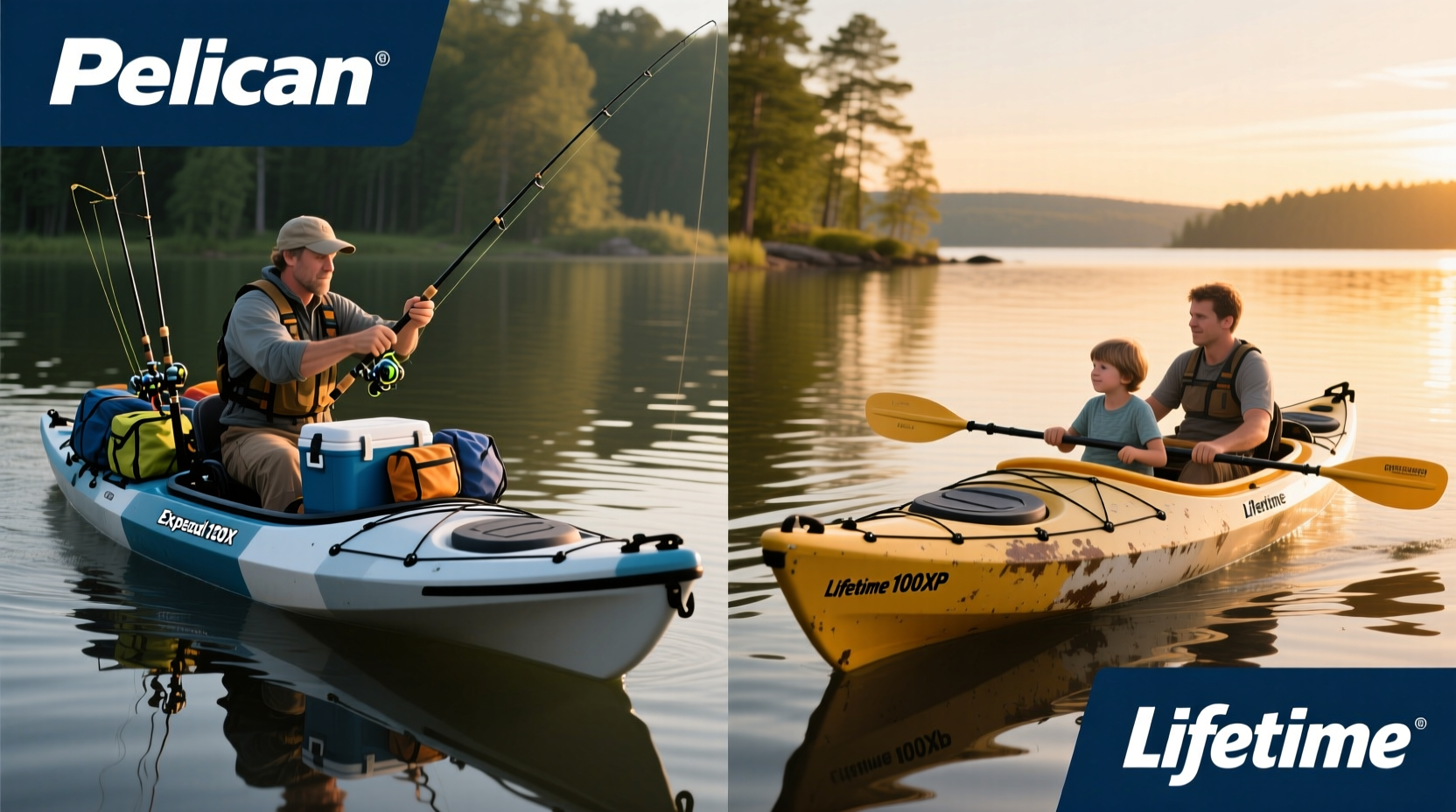
The foundation of any kayak is its construction. Both Pelican and Lifetime use high-density polyethylene (HDPE), a material known for impact resistance and UV protection. However, subtle differences in wall thickness, molding techniques, and structural reinforcement lead to divergent long-term outcomes.
Pelican kayaks are often praised for their ruggedness, especially in models like the Mirage 100X and Bandit 10. Users frequently note that Pelican hulls resist scratches and dings better over time, particularly when dragged across gravel or bumped against docks. One angler in Minnesota reported using his Pelican Catch 100 for three consecutive fishing seasons with “no cracks, no warping—just some scuff marks that don’t affect anything.”
Lifetime models, such as the 10321 Titan and Colorado 100, also perform well under normal conditions. However, recurring complaints involve stress fractures near mounting points or foot brace areas after prolonged exposure to temperature swings. A common theme in Amazon and REI reviews: “Great out of the box, but developed a small crack near the scupper after being left inflated in summer heat.”
“HDPE can only do so much if the design concentrates stress in weak zones. Pelican’s ribbed hull designs tend to distribute impact more evenly.” — Mark Tran, Outdoor Gear Technician, Pacific Northwest Kayak CenterTip: Always store your kayak out of direct sunlight when possible, regardless of brand. UV degradation affects all plastic kayaks over time.
Stability and Handling on the Water
For beginners and families, stability is often the top priority. Both brands excel here, but in different ways.
Pelican kayaks typically feature wider, flatter hulls that provide excellent primary stability—the feeling of steadiness when sitting still or moving slowly. The Mustang 10, for example, is a favorite among new paddlers and parents because it resists tipping even when kids shift positions. Real-world testers describe it as “nearly impossible to flip in calm water,” though this comes at the cost of speed and tracking.
Lifetime kayaks, particularly those marketed toward fishing like the Titan Angler 10, emphasize secondary stability—how the boat behaves when leaned or in choppy conditions. These models often have slightly narrower beams but include pontoon-style pontoons or multi-chine hulls for balanced responsiveness. Experienced users appreciate this blend, noting improved maneuverability when casting or adjusting position.
However, several users report that Lifetime kayaks can feel “twitchy” in wind compared to Pelicans. On open lakes, wind pushing against the higher profile of the Lifetime Colorado caused noticeable drifting during solo paddles, requiring constant correction.
Tracking and Paddle Efficiency
Tracking refers to how well a kayak moves in a straight line. Neither brand includes rudders or skegs on entry-level models, so hull shape plays a critical role.
- Pelican: Generally tracks poorly without active steering input. Users compensate by using J-strokes or purchasing aftermarket fin kits.
- Lifetime: Some models, like the 10320, feature keel ridges that improve directional stability, though not perfectly.
One paddler in Wisconsin summed it up: “My Pelican wanders like a shopping cart with a bent wheel, but I don’t mind because I’m just puttering around the cove. If I were going more than a mile, I’d want something that tracks better.”
Comfort and Ergonomics After Hours on the Water
No one wants back pain after two hours in a kayak. Seat design, adjustability, and weight capacity matter significantly in long-term comfort.
Pelican has made strides with padded, adjustable seats in newer models like the Sounder 100XP. Many users appreciate the lumbar support and breathable mesh. However, older or budget models still come with basic molded plastic seats that become uncomfortable quickly.
Lifetime integrates thicker foam padding standard across most models. The Titan series includes contoured bucket-style seats that users describe as “surprisingly supportive.” That said, adjustability is limited. Once set, the seat doesn’t recline or slide, which can be problematic for taller or shorter paddlers.
| Feature | Pelican | Lifetime |
|---|---|---|
| Seat Padding | Varies by model; mid-tier and above include mesh/padded options | Consistently thick foam padding across most models |
| Adjustability | Some models allow height/backrest adjustment | Limited; mostly fixed-position |
| Weight Capacity | Average 275–300 lbs | Average 300–400 lbs (higher on angler models) |
| Leg Room | Tighter fit; shorter paddlers preferred | More generous footwells; suits taller users |
Real-World Use Case: Family Lake Trips vs. Solo Fishing
Consider Sarah from Michigan, who bought a Pelican Bandit 100 for family outings on a small inland lake. With two kids under 10, stability and safety were paramount. She chose Pelican specifically because of online videos showing kids standing up in the kayak without capsizing. After 18 months of seasonal use, she reports: “It’s taken bumps, been left outside, and still floats perfectly. The seat isn’t great for me, but the kids love it.”
In contrast, James, a retiree in Idaho, purchased a Lifetime Titan Angler 10 for solo fishing on reservoirs. He values the built-in rod holders, paddle cradle, and higher weight limit. “I can bring my cooler, tackle box, and even a small anchor,” he says. However, he added a $25 tracking fin because “it wouldn’t go straight in a breeze.” He also replaced the stock seat with a camping chair insert for longer days on the water.
The takeaway? Purpose matters. Pelican shines in stable, beginner-friendly applications. Lifetime edges ahead in utility-focused scenarios, especially for anglers needing gear integration.
Value and Long-Term Ownership
Both brands sit in the $250–$500 price range, making them accessible to first-time buyers. But value isn’t just about upfront cost—it’s longevity, resale potential, and accessory availability.
Pelican wins on warranty and customer service reputation. Their limited lifetime warranty covers manufacturer defects and offers responsive support for cracked welds or broken handles. Users report faster replacements and clearer communication compared to Lifetime.
Lifetime, while offering similar pricing, has mixed reviews on post-purchase support. Some customers describe difficulty obtaining replacement parts or getting responses from service teams. However, their products often include more features out of the box—such as molded-in cup holders, storage hatches, and paddle leashes—which adds perceived value.
Tip: Check for dealer exclusives. Some retailers offer Pelican or Lifetime models with bonus accessories like paddles, spray skirts, or dry bags.Checklist: Choosing Between Pelican and Lifetime
- Define your primary use: recreation, fitness, or fishing?
- Measure your height and weight—check seat dimensions and weight limits.
- Assess local conditions: Will you face wind, waves, or need precise tracking?
- Consider storage: Can you keep it shaded and off the ground?
- Review warranty terms and local dealer support options.
- Test before you buy—if available—or watch detailed field reviews online.
Frequently Asked Questions
Can I stand up in a Pelican or Lifetime kayak?
Yes, especially in wider models like the Pelican Bandit 100 or Lifetime Tamarack 100. Users regularly stand to cast or take photos in calm water. However, doing so increases tipping risk, particularly in narrow or lightweight versions.
Which brand is easier to transport?
Pelican kayaks tend to be lighter—some under 40 lbs—making them easier to carry solo. Lifetime models, due to reinforced structures and wider builds, often weigh 50+ lbs, which may require assistance or a trolley for loading.
Do either brand offer inflatable options?
No. Both Pelican and Lifetime focus on rigid rotomolded kayaks. For inflatables, consider brands like Intex, Sevylor (owned by Pelican), or Advanced Elements.
Final Thoughts: Which One Should You Choose?
The choice between Pelican and Lifetime ultimately hinges on your priorities. If you're introducing kids to paddling, value durability, and prioritize peace of mind with customer support, Pelican is likely the better fit. Its consistent build quality and forgiving nature make it a trusted companion for casual users.
If you're an angler or solo explorer looking for integrated features, higher weight capacity, and a slightly more responsive ride, Lifetime offers compelling advantages—provided you’re willing to supplement with upgrades like tracking fins or aftermarket seats.
Neither brand produces elite-performance kayaks, nor should they be expected to. Instead, they deliver dependable, budget-conscious options that get people outdoors. By aligning your selection with real-world usage patterns—not just specs—you’ll enjoy safer, more comfortable, and more rewarding time on the water.
💬 Have experience with Pelican or Lifetime kayaks? Share your story in the comments below—your insights could help someone make their next big outdoor decision.








