
When building or upgrading an ebike battery pack, few decisions are as critical as choosing the right 18650 cells. Among the most discussed brands are Panasonic and Samsung—two giants in lithium-ion technology. Both have cultivated loyal followings, with enthusiasts swearing by one over the other. But beyond brand loyalty and online forums, does the data support the hype? Are Panasonic’s cells truly superior, or do Samsung’s offerings deliver comparable value at a lower price?
This article dives deep into the technical and practical differences between Panasonic and Samsung 18650 cells in the context of ebike applications. From cycle life and discharge rates to thermal stability and sourcing authenticity, we’ll examine what matters most when powering your ride.
Understanding the 18650 Cell in Ebike Applications
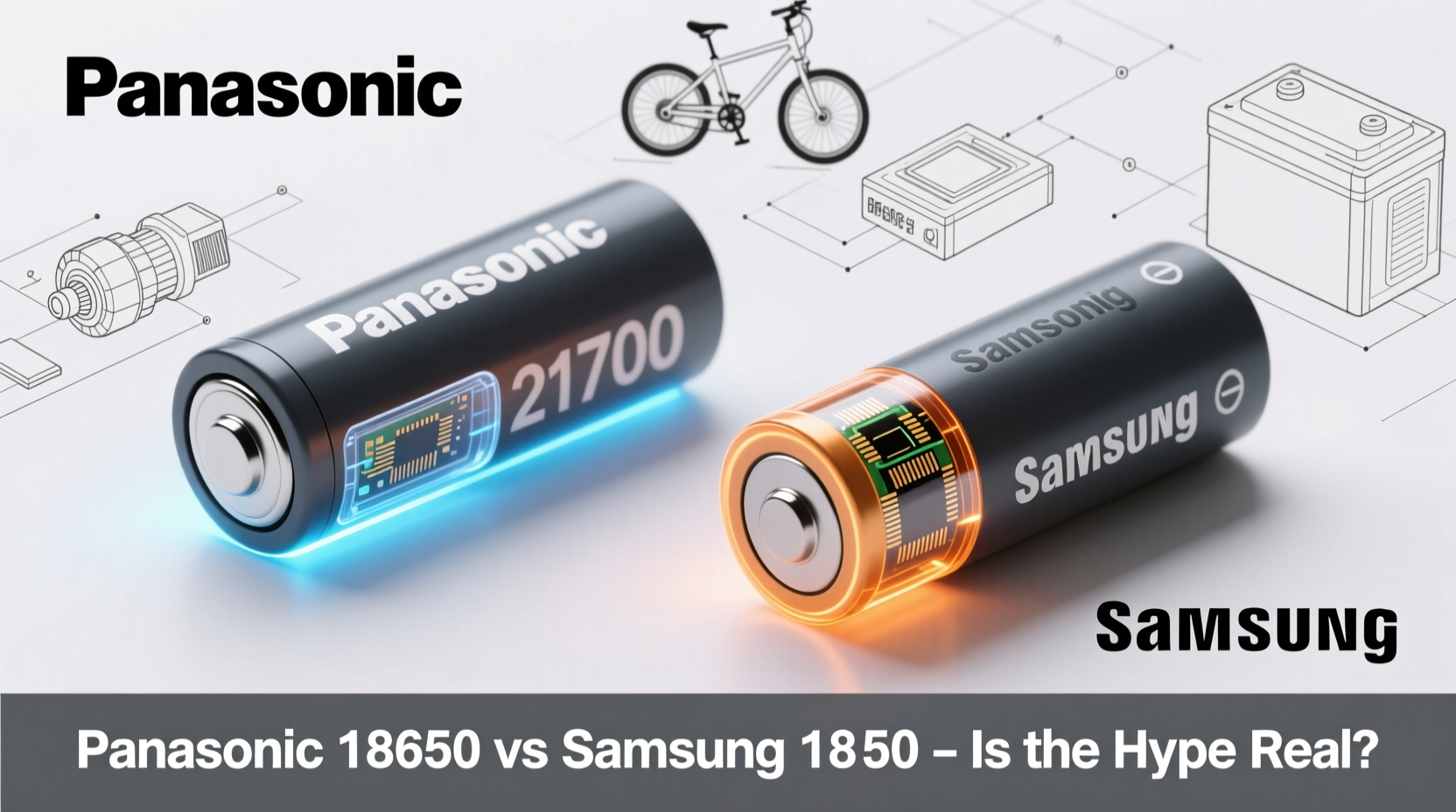
The 18650 cell—named for its dimensions (18mm diameter, 65mm height)—is the backbone of most high-performance ebike battery packs. These cylindrical lithium-ion cells are grouped in series and parallel configurations to achieve desired voltage and capacity. For ebikes, which demand consistent power delivery under load, cell quality directly impacts range, reliability, and safety.
Not all 18650s are created equal. While thousands of variants exist, only a handful from trusted manufacturers like Panasonic (now part of Panasonic Energy), Samsung SDI, LG Chem, and Sony/Murata meet the standards for high-drain applications. Counterfeit cells flood the market, making it essential to source from reputable suppliers—even if you’re using top-tier brands.
Performance Comparison: Panasonic NCR18650B vs Samsung INR18650-35E
To make a fair comparison, we focus on two of the most commonly used and respected models in ebike builds:
- Panasonic NCR18650B: 3.6V nominal, 3400mAh capacity, 6.8A continuous discharge
- Samsung INR18650-35E: 3.6V nominal, 3500mAh capacity, 8.5A continuous discharge
At first glance, the Samsung appears stronger on paper—higher capacity and significantly higher discharge current. However, real-world performance depends on more than specs alone.
| Specification | Panasonic NCR18650B | Samsung INR18650-35E |
|---|---|---|
| Capacity | 3400 mAh | 3500 mAh |
| Nominal Voltage | 3.6 V | 3.6 V |
| Max Continuous Discharge | 6.8 A | 8.5 A |
| Energy Density | ~122 Wh/kg | ~126 Wh/kg |
| Cycle Life (to 80% capacity) | ~500 cycles | ~500 cycles |
| Chemistry | NCA (Nickel Cobalt Aluminum) | NMC (Nickel Manganese Cobalt) |
| Thermal Stability | Good | Very Good |
The Samsung 35E’s higher discharge rate makes it better suited for high-power ebikes, especially those with mid-drive motors or steep terrain demands. The Panasonic B model, while slightly less powerful, is renowned for its consistency and longevity under moderate loads.
Tip: Match your cell choice to your motor’s peak current draw. Using cells with insufficient discharge ratings can lead to overheating and premature failure.Longevity and Real-World Durability
One reason Panasonic has earned legendary status is its track record for long-term reliability. Independent testing labs and ebike builders consistently report that genuine Panasonic 18650Bs maintain over 80% capacity after 500 full charge cycles when operated within recommended parameters.
Samsung’s 35E also performs well in longevity tests. However, some users note faster voltage sag under prolonged heavy load, particularly in poorly ventilated packs. This doesn’t indicate inferior quality but highlights a design trade-off: higher discharge capability often comes with increased heat generation.
“Cell longevity isn’t just about chemistry—it’s about how you use them. Proper BMS protection, balanced charging, and temperature management matter as much as brand.” — Dr. Alan Zhou, Battery Systems Engineer, EV Power Labs
In practice, both cells last 2–4 years in daily ebike service, depending on usage patterns and environmental conditions. Extreme temperatures, deep discharges, and lack of periodic balancing shorten lifespan regardless of brand.
Real Example: Two Riders, Two Builds
Consider two ebike owners building custom 48V 14Ah battery packs:
- Maria chose Panasonic NCR18650Bs for her commuter bike. She rides 10 miles daily on flat terrain with occasional hills. After 18 months and ~4,500 miles, her pack retains 87% of original capacity. Minimal heat buildup, no cell failures.
- James selected Samsung 35Es for his off-road e-mountain bike. He frequently climbs steep trails at full throttle. After one year and aggressive use, his pack shows minor imbalance in two parallel groups, likely due to inadequate cooling. Still functional, but requires more frequent maintenance.
This illustrates a key insight: the “best” cell depends on application. For moderate use, Panasonic offers excellent balance. For high-performance demands, Samsung provides headroom—but demands better thermal management.
Cost and Availability: Breaking Down the Value
Panasonic 18650Bs typically command a 10–20% price premium over Samsung 35Es, especially when sourced through authorized distributors. On a 72-cell pack, this can add $30–$50 to the total build cost.
However, cost per cycle—the true measure of value—tells a different story. If both cells last 500 cycles, the difference becomes negligible over time. Where Panasonic may win is consistency: fewer outliers in capacity and internal resistance mean tighter pack performance and easier balancing.
Availability is another factor. Due to supply chain shifts and Panasonic’s reduced consumer cell production, genuine NCR18650Bs are harder to source. Counterfeits are rampant. Samsung cells, while also counterfeited, remain more widely available through verified channels.
Tip: Always buy from authorized suppliers or reputable resellers who provide batch traceability. Avoid deals that seem too good to be true—most counterfeit cells are sold below market price.Step-by-Step Guide: Choosing the Right Cell for Your Build
- Assess your power needs: Calculate peak current draw. If your motor pulls over 6A per cell in parallel, consider Samsung 35E or higher-discharge options.
- Evaluate cooling options: High-discharge cells generate more heat. Ensure your battery design includes airflow or thermal pads.
- Determine capacity requirements: For longer range, prioritize higher mAh. Both Panasonic and Samsung offer high-capacity variants (e.g., Samsung 40T).
- Verify authenticity: Check batch codes, packaging, and supplier reputation. Use a multimeter and capacity tester upon arrival.
- Balance performance with budget: If your use case is moderate, Panasonic offers proven reliability. For high-output builds, Samsung delivers better current handling.
Frequently Asked Questions
Can I mix Panasonic and Samsung cells in the same battery pack?
No. Mixing brands, models, or even batches risks imbalance, overheating, and failure. All cells in a pack should be identical in capacity, internal resistance, and age.
Are newer Samsung models better than Panasonic for ebikes?
It depends. Samsung’s 40T (3500mAh, 10A) outperforms the older Panasonic B model in both capacity and discharge. However, Panasonic’s newer 30Q (if available) offers 3300mAh and 15A, closing the gap. Always compare specific models, not just brands.
Do Panasonic cells really last longer?
In controlled conditions, yes—especially under light-to-moderate loads. But real-world lifespan depends heavily on usage, charging habits, and battery management system (BMS) quality. Well-maintained Samsung cells can match Panasonic longevity.
Final Verdict: Is the Hype Real?
The reverence for Panasonic 18650s isn’t baseless. Their consistency, proven track record, and tight manufacturing tolerances make them a gold standard, particularly for everyday ebikes where reliability trumps raw power. But the idea that they’re universally “better” than Samsung cells is outdated.
Samsung’s 18650 lineup—especially the 35E and 40T—offers competitive, and sometimes superior, performance for demanding ebike applications. With proper design and care, Samsung-powered packs can match or exceed Panasonic-based ones in both lifespan and output.
The hype persists because Panasonic built trust over decades. But Samsung has earned its place through innovation and rigorous engineering. The truth? Both are excellent choices. The best cell isn’t defined by logo—it’s defined by fit.
🚀 Ready to build or upgrade your ebike battery? Test both cells in your use case, prioritize authenticity, and share your results with the community. Real data beats forum rumors every time.








