
Runners today have more choices than ever—especially when it comes to footwear. With the rise of home gyms and indoor training, many athletes split their time between outdoor pavement pounding and steady treadmill miles. But here’s a question that often goes unasked: do you need different shoes for each environment? At first glance, running is running. But dig deeper, and subtle yet significant differences in surface, impact, and motion begin to reveal why specialized footwear exists. The truth isn’t black and white, but understanding the nuances can improve comfort, performance, and injury prevention.
The Surface Matters More Than You Think
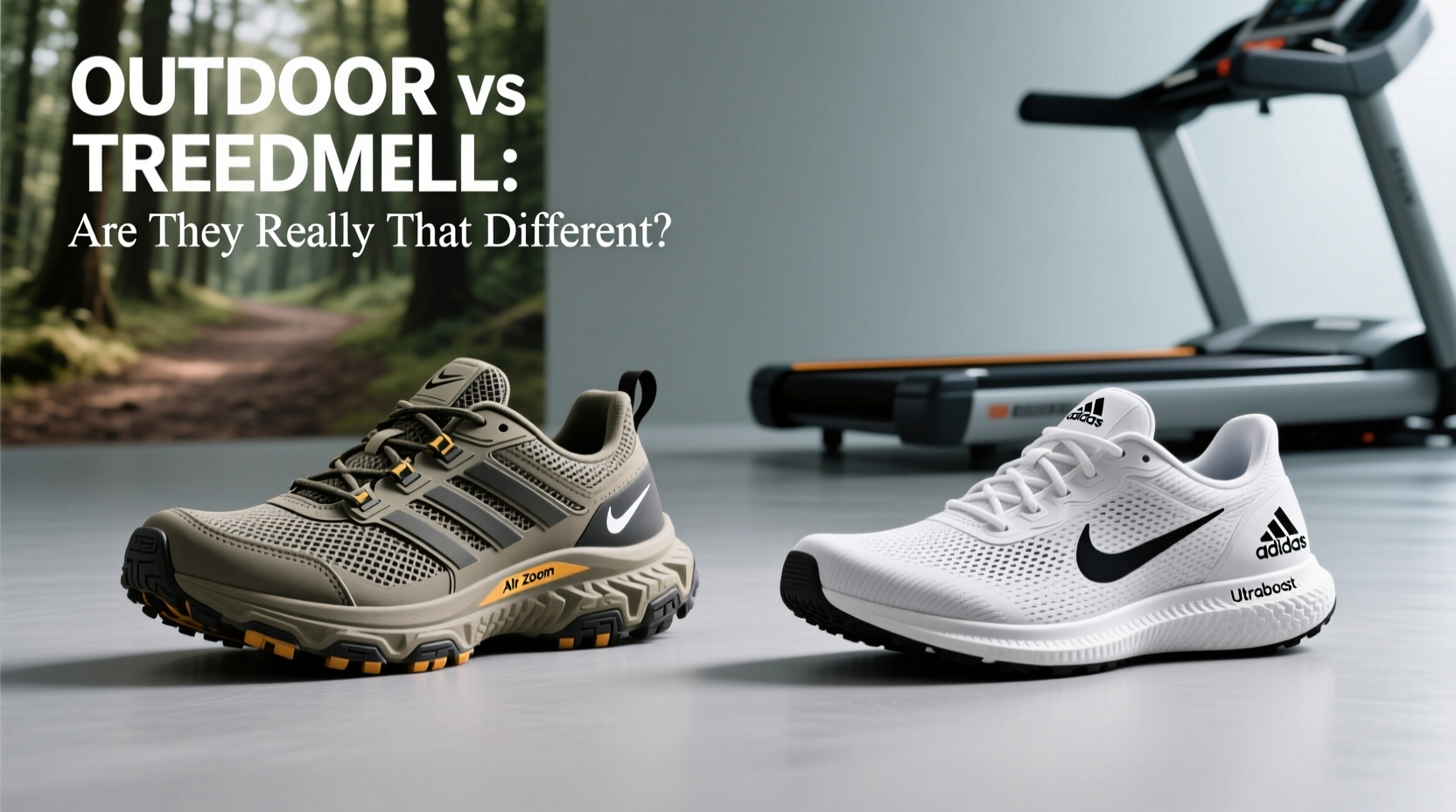
The foundation of any run—literally—is the surface beneath your feet. Outdoor terrain varies wildly: asphalt, concrete, gravel, grass, trails, and even sand all present unique challenges. Each surface alters how your foot strikes, rolls, and pushes off. Concrete, for example, is unforgiving and highly reflective, sending shockwaves up your legs with every stride. Grass or dirt trails absorb more impact but require greater stability due to uneven footing.
Treadmills, on the other hand, offer a controlled, consistent surface. Most commercial treadmills have a slightly cushioned belt designed to mimic road running while reducing joint stress by 10–15% compared to concrete. The belt also moves toward you, altering stride mechanics slightly—many runners naturally shorten their stride and increase cadence indoors.
“Treadmill running reduces ground reaction forces, which means less demand on joints—but also less neuromuscular engagement over time.” — Dr. Lena Torres, Sports Biomechanist at Boulder Performance Lab
Because of these differences, shoe manufacturers design soles and midsoles to respond appropriately. Outdoor shoes prioritize durability and traction for unpredictable surfaces, while treadmill-specific models may emphasize energy return and lightweight responsiveness.
Key Differences in Shoe Design
While many running shoes perform adequately in both environments, certain design elements diverge based on intended use. Let’s break down the major components:
- Outsole: Outdoor shoes feature thicker, more durable rubber compounds with aggressive tread patterns to handle wet roads, loose gravel, and sudden stops. Treadmill shoes often have smoother, lighter outsoles since grip demands are minimal on a flat, non-slip belt.
- Midsole: Cushioning needs differ. Outdoor runners benefit from firmer, longer-lasting foam that resists compression over varied terrain. Treadmill runners may prefer softer, bouncier foams that enhance rebound on a responsive belt.
- Weight: Since treadmills eliminate wind resistance and reduce effort per mile, lighter shoes are often favored for indoor speed work. Outdoor shoes may trade some grams for protection and structure.
- Breathability: Indoor environments tend to be warmer and more humid, especially in gyms. Shoes designed for treadmill use often incorporate more mesh and ventilation to manage sweat and heat buildup.
Comparative Breakdown: Outdoor vs Treadmill Running Shoes
| Feature | Outdoor Running Shoes | Treadmill Running Shoes |
|---|---|---|
| Outsole Durability | High – thick rubber for abrasion resistance | Moderate – thinner, flexible rubber |
| Traction Pattern | Aggressive lugs or grooves for grip | Smoother, minimalist tread |
| Cushioning Density | Firmer for long-term support | Softer, more responsive foam |
| Weight | Heavier due to protective features | Lighter for speed and agility |
| Breathability | Standard mesh panels | Enhanced ventilation for indoor heat |
| Lifespan (Miles) | 300–500 miles (varies by terrain) | 200–400 miles (less abrasion, more compression) |
Real Runner Scenario: Sarah’s Transition to Indoor Training
Sarah, a recreational marathoner from Chicago, shifted most of her winter training to the treadmill due to icy sidewalks and subzero temperatures. She initially wore her trusty trail-to-road hybrid shoes—the same pair she used for weekend long runs. After three weeks, she began experiencing tightness in her Achilles and mild plantar fasciitis flare-ups.
After consulting a physical therapist, she learned that her heavy, aggressively lugged shoes were altering her gait on the belt. The lack of natural give in the sole, combined with the treadmill’s forward propulsion, caused her foot to overpronate slightly with each step. Switching to a lighter, low-profile neutral trainer designed for indoor use resolved the discomfort within days. Her cadence improved, and her recovery times shortened.
Sarah’s case illustrates a common oversight: assuming one shoe fits all environments. While not everyone will experience pain, inefficiencies in fit and function can accumulate over time.
When One Shoe Can Do Both (And When It Can’t)
Many modern running shoes are built as “hybrids,” designed to transition seamlessly between gym and street. Brands like Brooks Ghost, Nike Pegasus, and Hoka Clifton market themselves as versatile options suitable for both treadmill and outdoor use. These models typically balance cushioning, weight, and durability without extreme specialization.
However, if you're logging high mileage or training for performance goals, specialization pays off. Consider this checklist before deciding whether to consolidate or separate your footwear:
✅ Use One Pair If:
- You run fewer than 20 miles per week
- Your runs are evenly split between indoor and outdoor settings
- You prioritize convenience and cost-efficiency
- You’re using a well-rounded, neutral daily trainer
❌ Consider Separate Shoes If:
- You frequently do speed intervals on the treadmill
- You run on rugged trails or wet urban roads outdoors
- You’ve had past injuries related to improper footwear
- You notice increased fatigue or discomfort when switching surfaces
Frequently Asked Questions
Can I damage my treadmill with outdoor running shoes?
Generally, no. Most modern treadmills are built to withstand standard running shoes. However, extremely muddy or debris-covered outdoor shoes can introduce grit that wears down the belt over time. Always wipe your soles before stepping on.
Do treadmill shoes wear out faster?
Surprisingly, yes—despite less abrasive surfaces. The constant, repetitive motion on a treadmill can compress midsole foam more quickly than variable outdoor terrain, where stride length and foot strike vary. Monitor cushioning loss after 250 miles.
Is it okay to run on a treadmill in racing flats?
Yes, provided you’re experienced and your form is efficient. Racing flats offer minimal protection, so ensure the treadmill belt is well-maintained and avoid high-incline workouts in them to prevent strain.
Final Recommendations: Choose Intentionally
The answer to whether outdoor and treadmill running shoes are truly different lies in intent. For casual runners, a quality all-purpose shoe suffices. But for those serious about performance, injury prevention, and long-term joint health, recognizing environmental demands leads to smarter footwear choices.
Start by assessing your weekly routine. If more than 60% of your running happens indoors, consider dedicating a lightweight, breathable pair specifically for the treadmill. Use your outdoor shoes for their intended purpose: conquering the elements with confidence and protection. And if you're uncertain, visit a specialty running store for a gait analysis—many now offer treadmill assessments to match shoes to your biomechanics in real time.
“The right shoe doesn’t just protect your feet—it enhances your movement economy.” — Marcus Reed, Certified Pedorthist and Coach at Apex Run Lab
Take Action Today
Your shoes are the only equipment directly interfacing with every mile you log. Whether you're chasing PRs or simply staying active, take a moment to evaluate what's on your feet. Are they optimized for where—and how—you actually run? Try this simple challenge: for the next two weeks, designate one pair exclusively for the treadmill and another for outdoor routes. Note any changes in comfort, energy, or recovery. You might be surprised at how much difference a seemingly small choice can make.
💬 Have you noticed a difference between your indoor and outdoor running shoes? Share your experience in the comments and help others find their perfect fit!








